Scientific Revolution
Distances in Space
Solar System Models
Big Bang
Star Properties
100
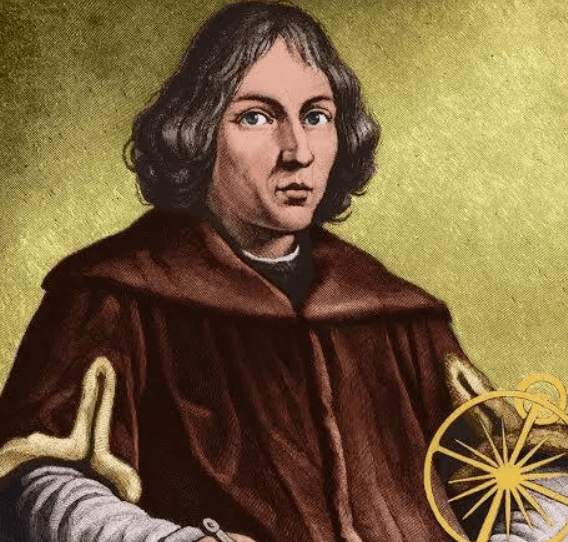
In 1543, this Polish astronomer published a solar system model proposing that Earth and the other planets revolve around the Sun. Who was he?
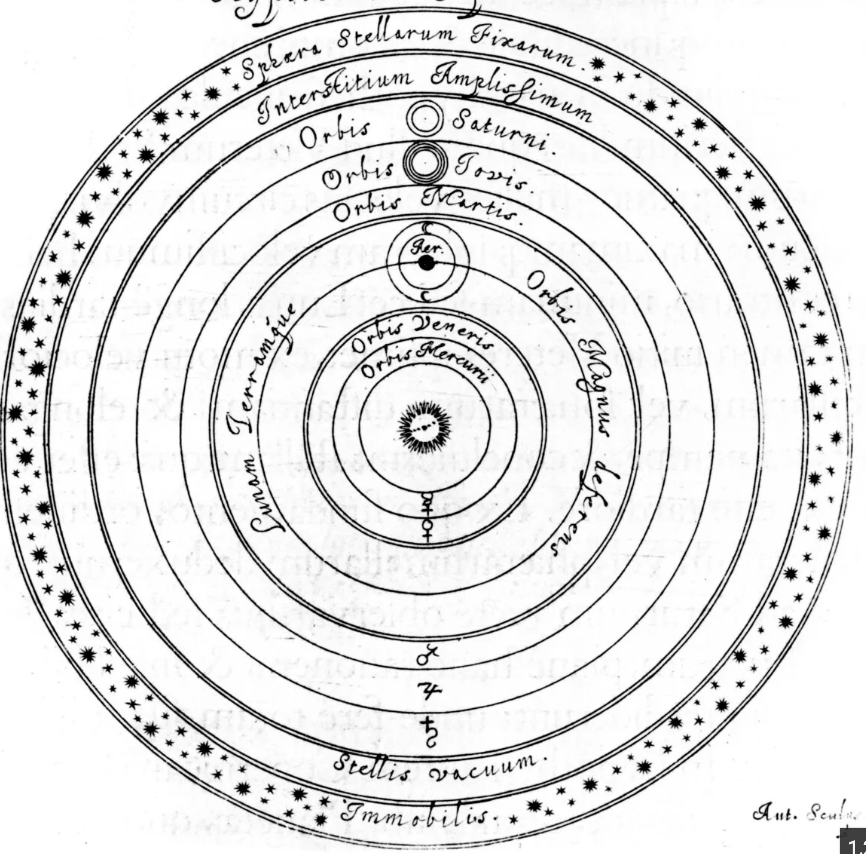
Nicolaus Copernicus
100
What does a light year measure?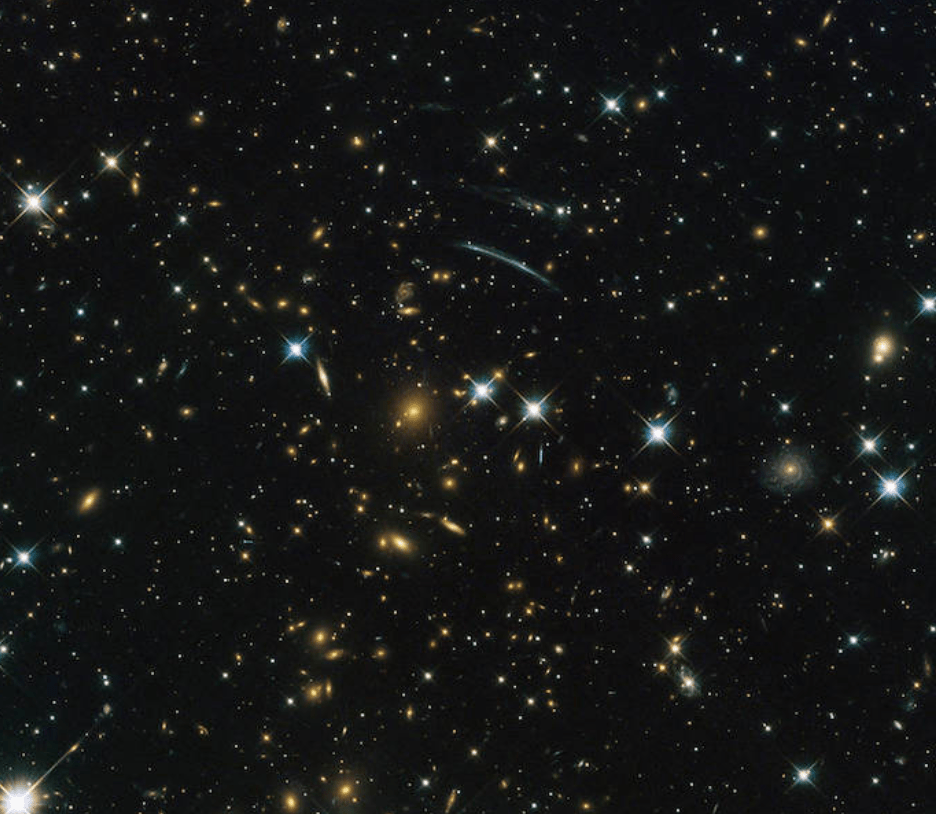
Distance
100
Study the diagram. Which historical model is being shown?
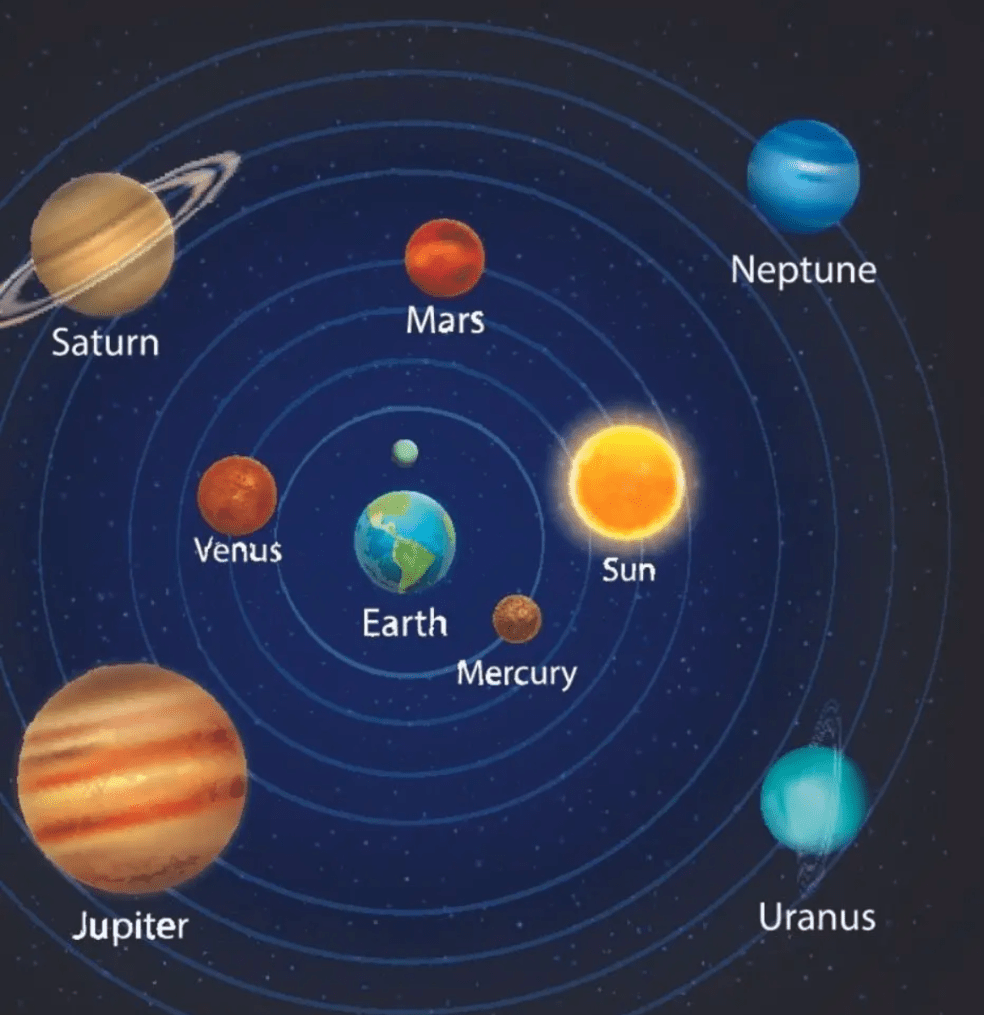
Earth is shown at the center with the sun and planets moving around it, and so this is the geocentric model
100
Scientists observe that many galaxies are moving away from us. What does this suggest about the universe?
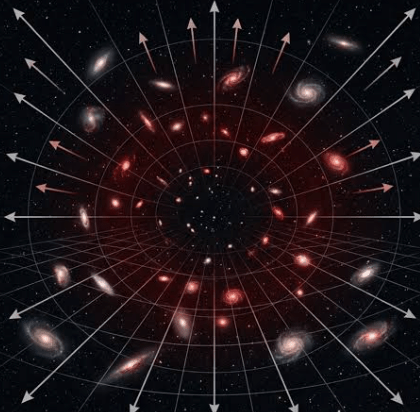
The universe is expanding.
Galaxies do not move through space like a rocket. instead, the space between distant galaxies is expanding, causing them to move farther apart.
100
Which stars have a higher temperature - blue or red stars?
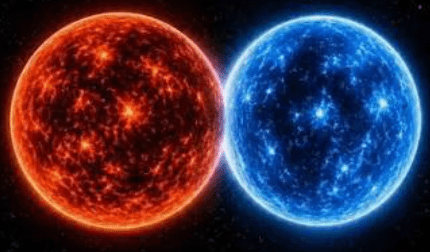
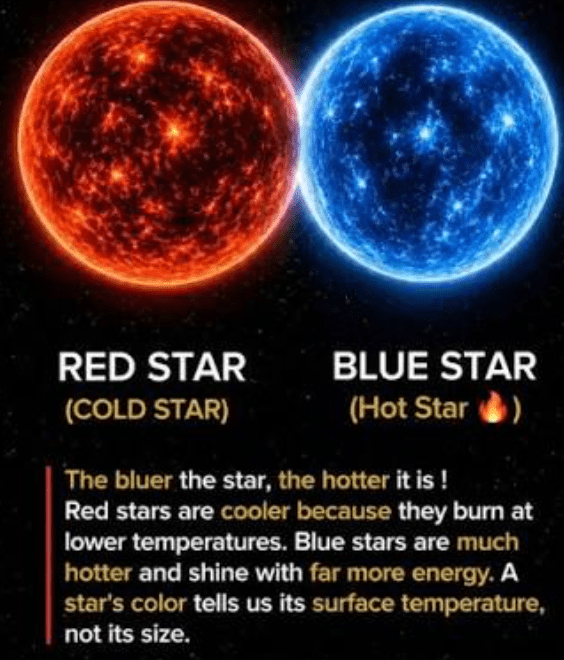 Blue stars - blue stars are hotter
200
In 1609, Johannes Kepler showed that planets move in elliptical orbits and change speed as they travel around the Sun. Study the diagram. At which point would the planet be moving fastest?
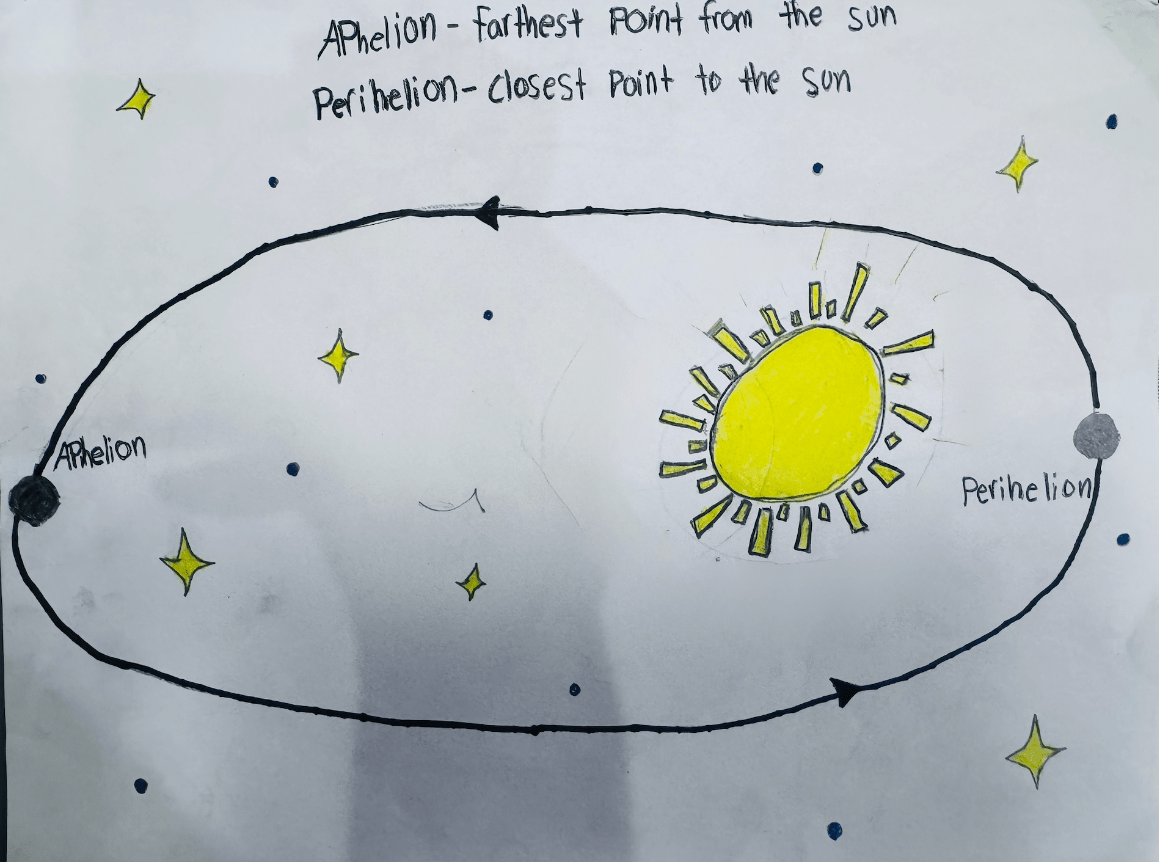
The planet would move fastest at Point A, near perihelion, because it is closest to the Sun there. The Sun’s gravitational pull is strongest when the planet is closer, so the planet moves faster in that part of its orbit.
200
The Milky Way is about 100,000 light years across. Why are light-years used to measure distances in space instead of miles?
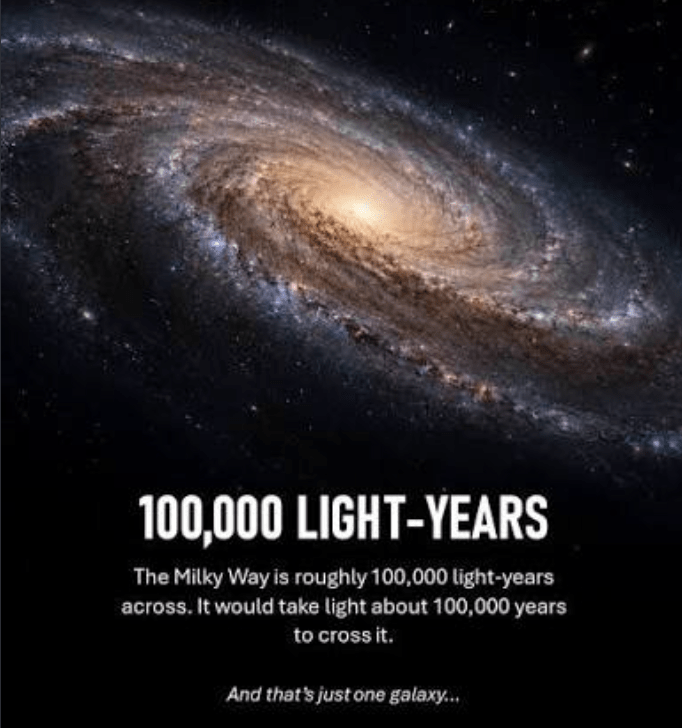
Distances in space are so enormous that light-years are easier to use.
1 light year = 5.88 trillion miles!
200
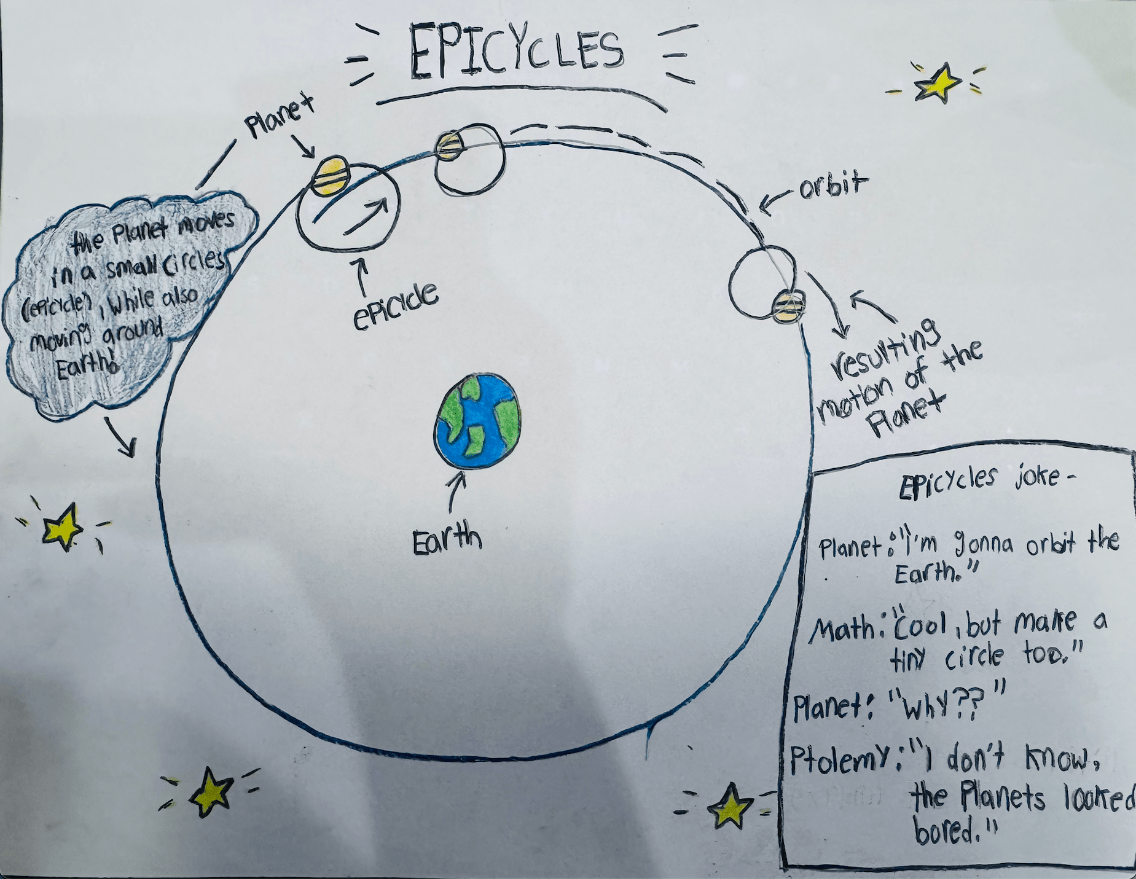
Ptolemy noticed that planets sometimes appeared to move backward in the sky. What feature did he add to the geocentric model to explain this motion?
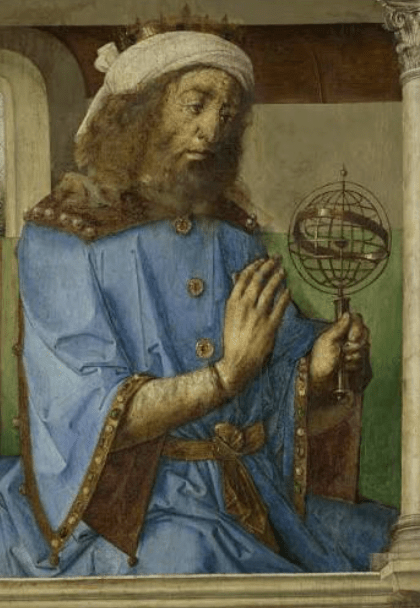
Epicycles, or small circles moving along larger circles.
200
What does the red - shift from distant galaxies show?
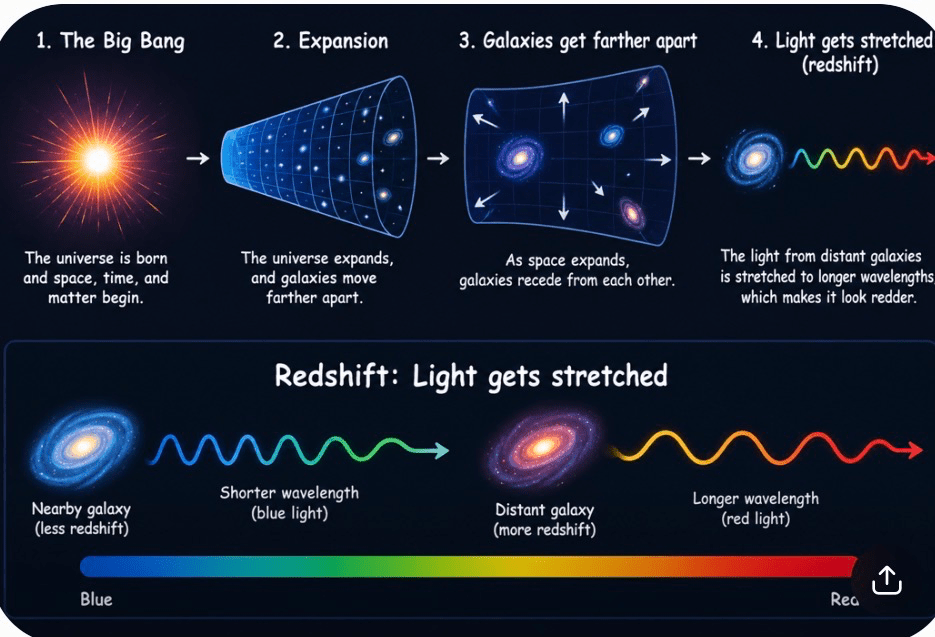
It shows that many galaxies are moving away from us.
200
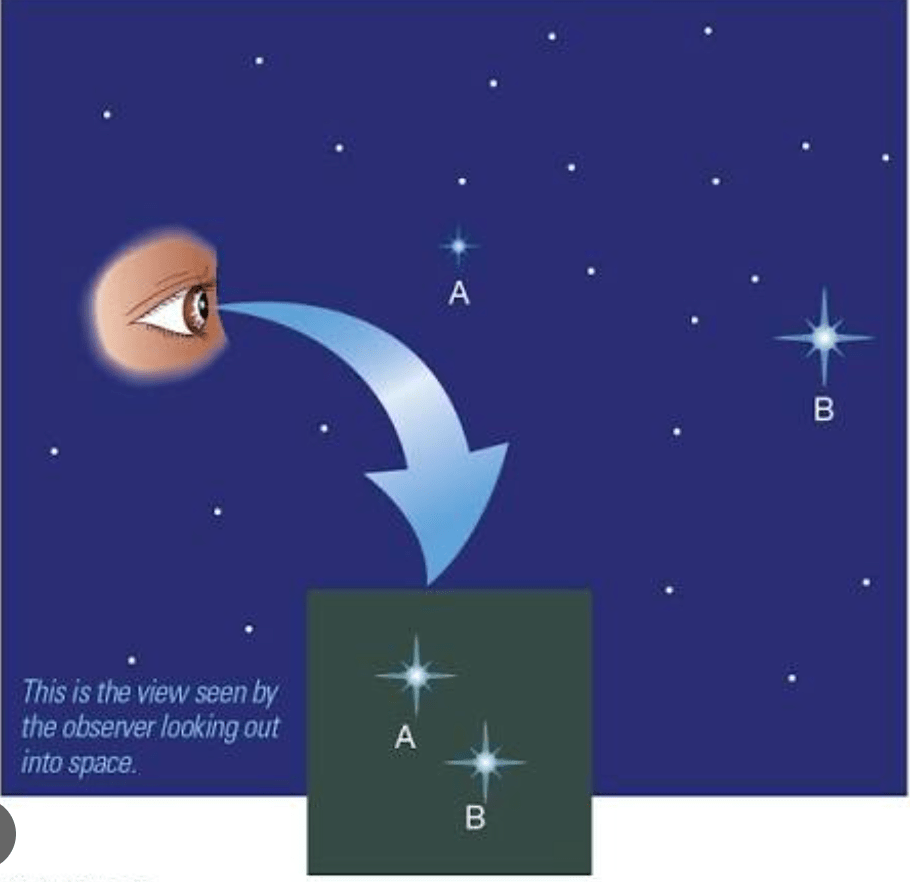
Star A and Star B have the same apparent brightness from Earth, but Star A is much closer to Earth. Which has a greater luminosity?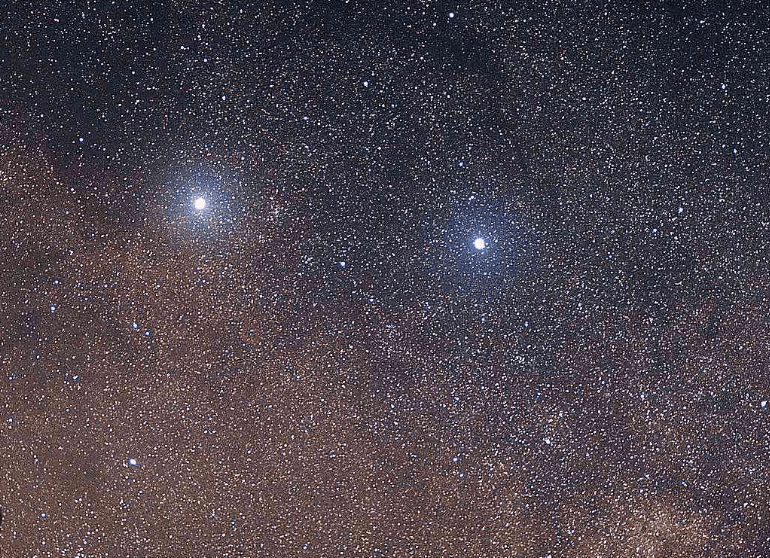
Star B
Apparent brightness from Earth depends on luminosity, or actual brightness, and distance from Earth. In this example, it is clear that Star B has greater luminosity because it's further from Earth but looks like it has the same brightness as Star A from Earth.
300
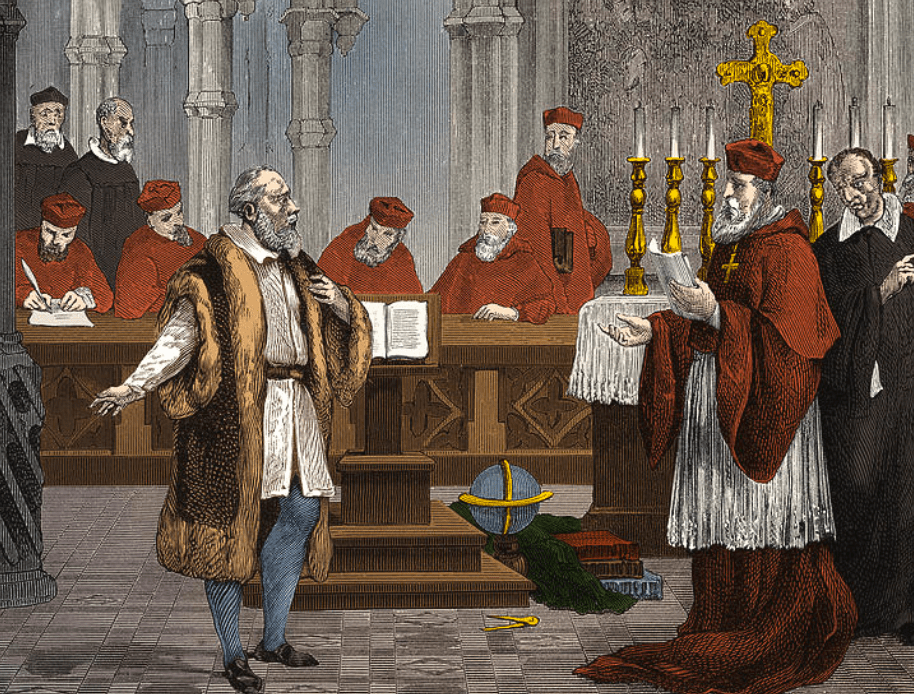
In 1610, Galileo Galilei used an improved telescope and discovered four moons orbiting Jupiter. Why was this observation important to the Scientific Revolution?
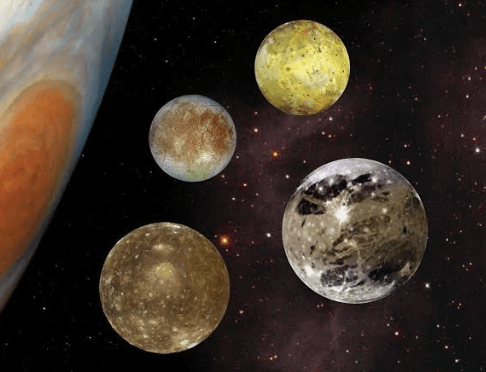
It showed that not everything in space orbits Earth, which weakened the existing model of an Earth-centered solar system and got him into trouble with the Church.
300
Are we seeing the Andomreda galaxy as it looks today? Explain.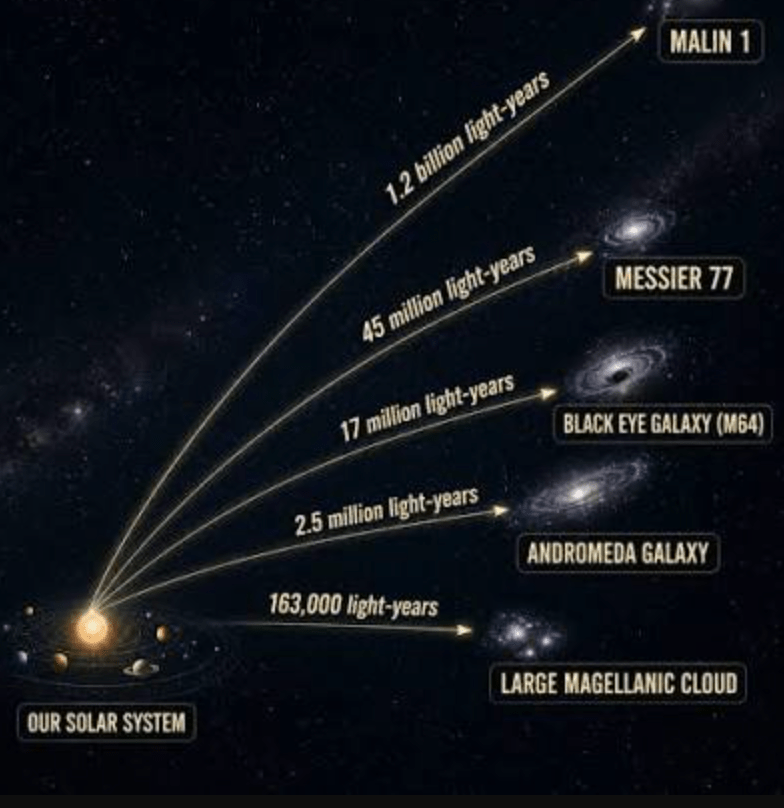
No.
We are seeing it as it looked about 2.5 million years ago because its light took 2 million years to reach us.
300
Copernicus improved on Ptolemy’s model by placing the Sun at the center, referred to as the heliocentric model, but his model was still not completely correct. What mistake did Copernicus make?
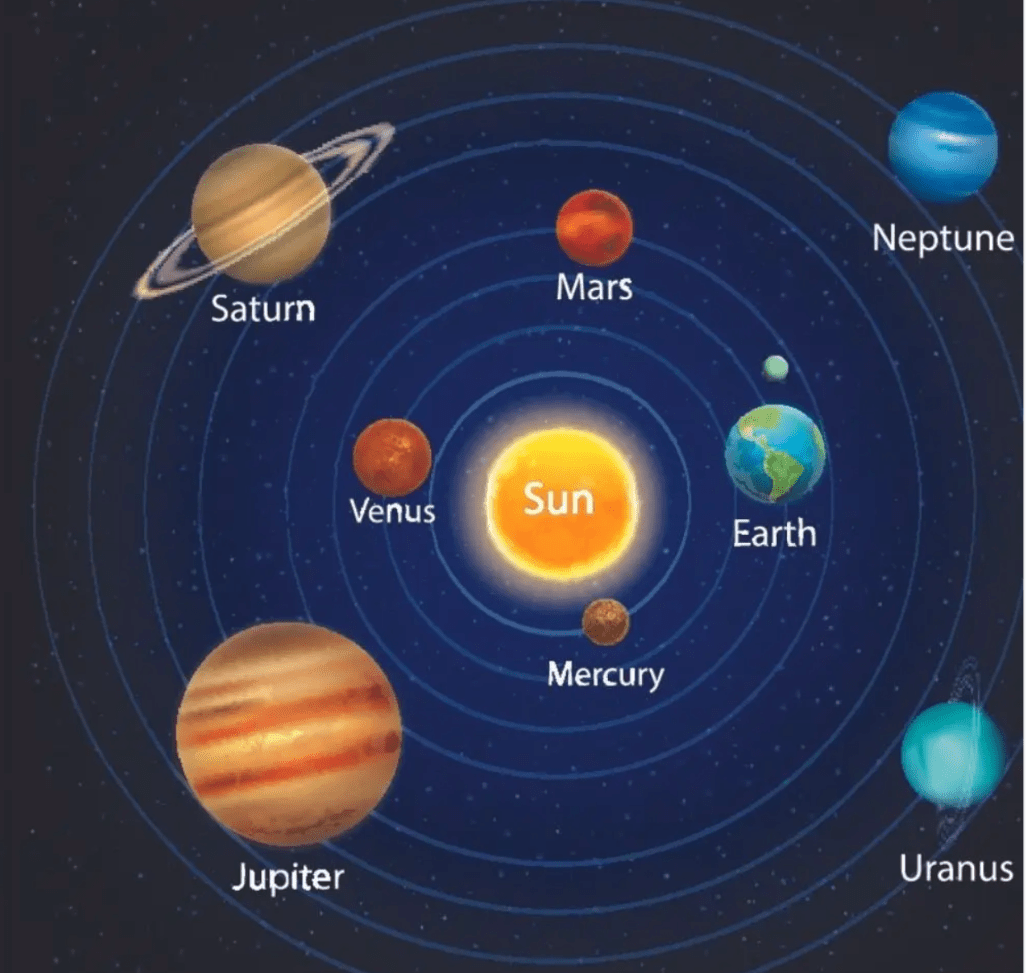
He believed planets moved in perfect circles.
300
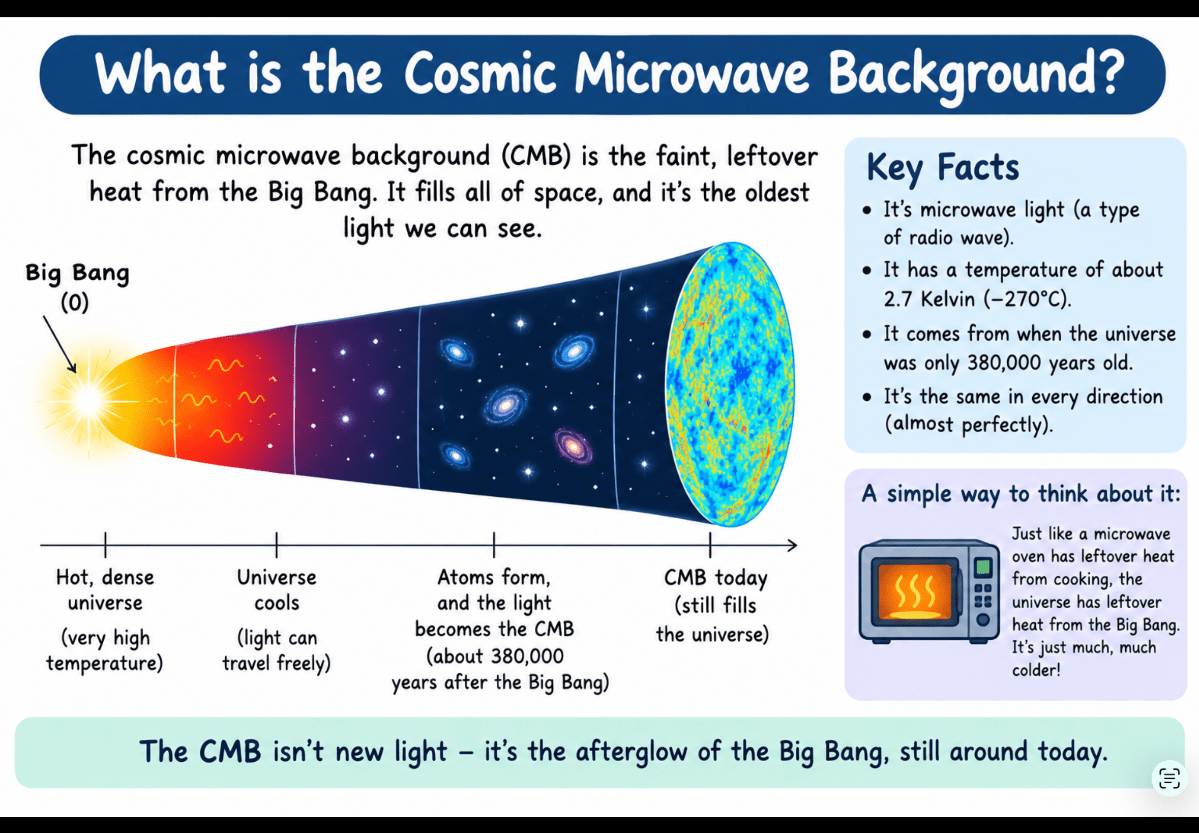
What is cosmic microwave background radiation?
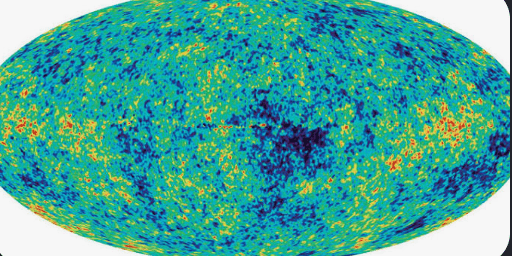
It is leftover energy from the early universe that scientists can still detect today.
300
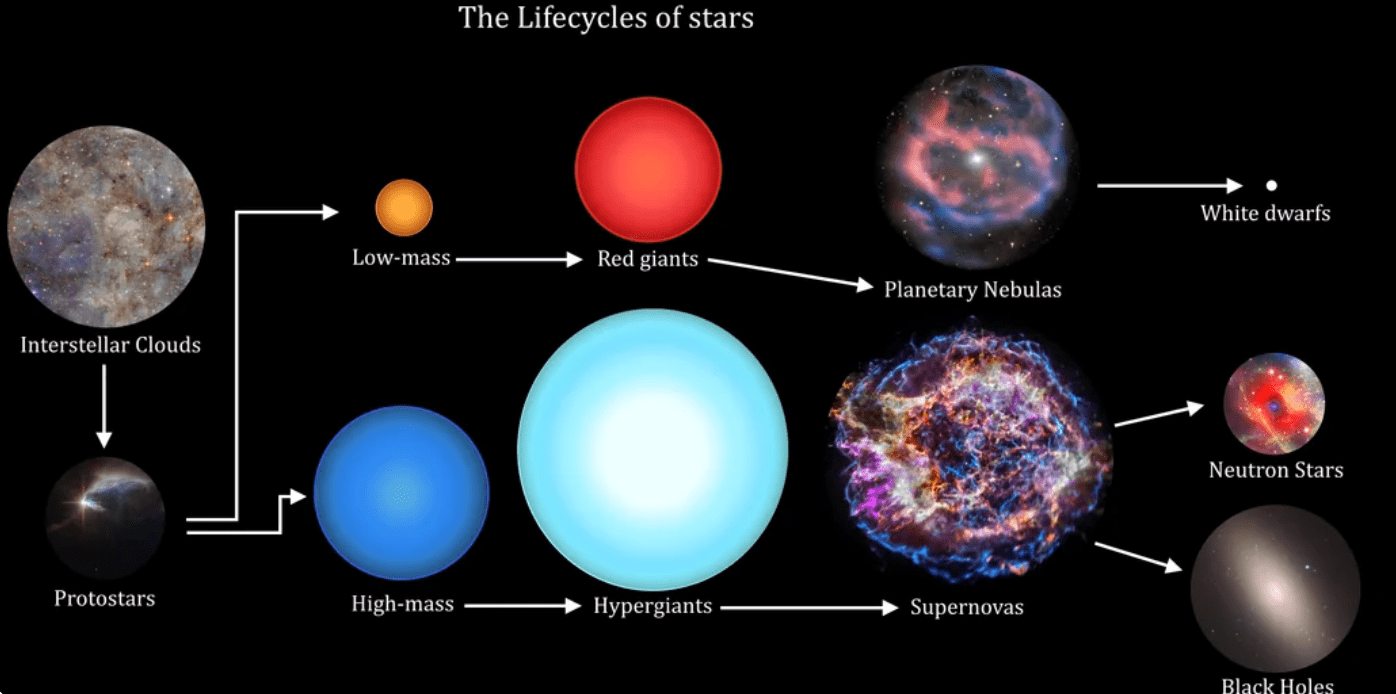
How does the life cycle of a very massive star differ from a lower-mass star?
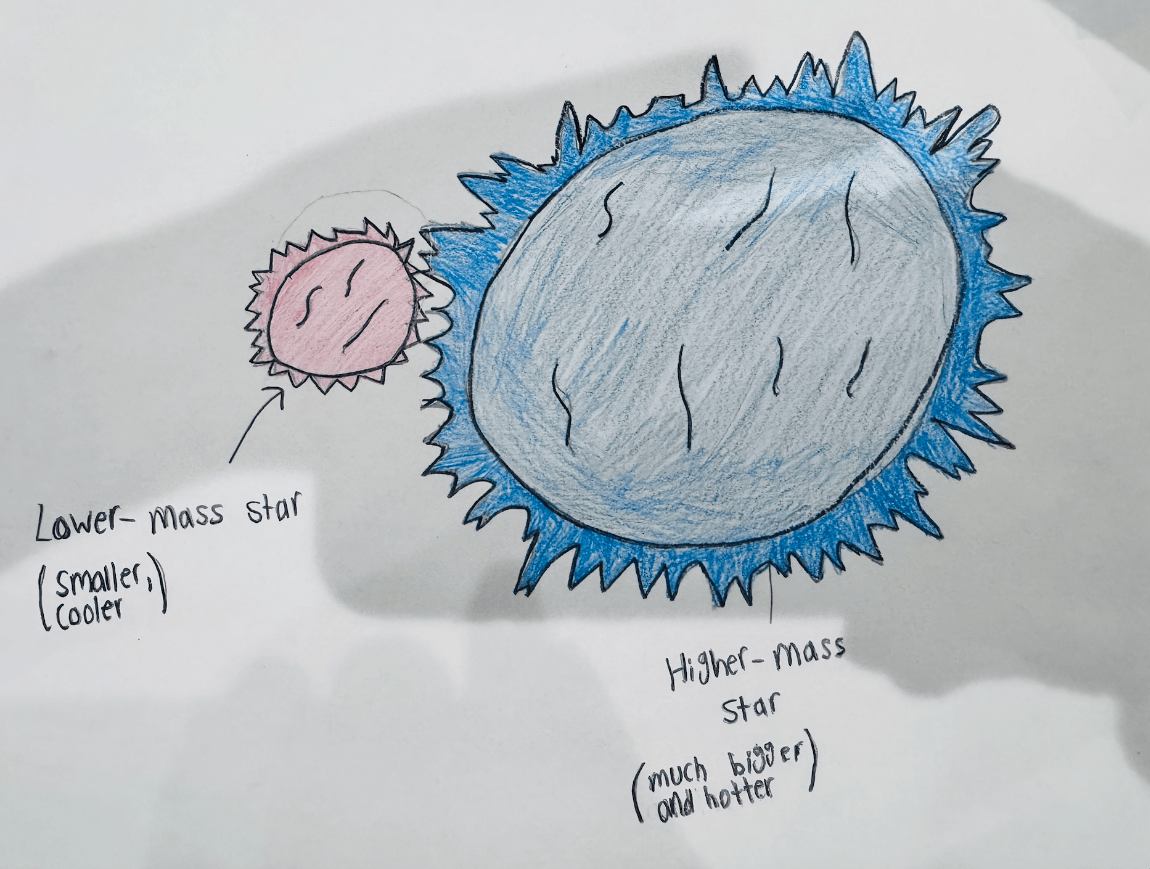
A very massive star can become a supergiant and eventually explode as a supernova, while a lower-mass star can become a red giant and eventually end as a white dwarf.
400
In 1687, which scientist used his laws of motion and law of universal gravitation to explain the type of orbital motion shown in the diagram?
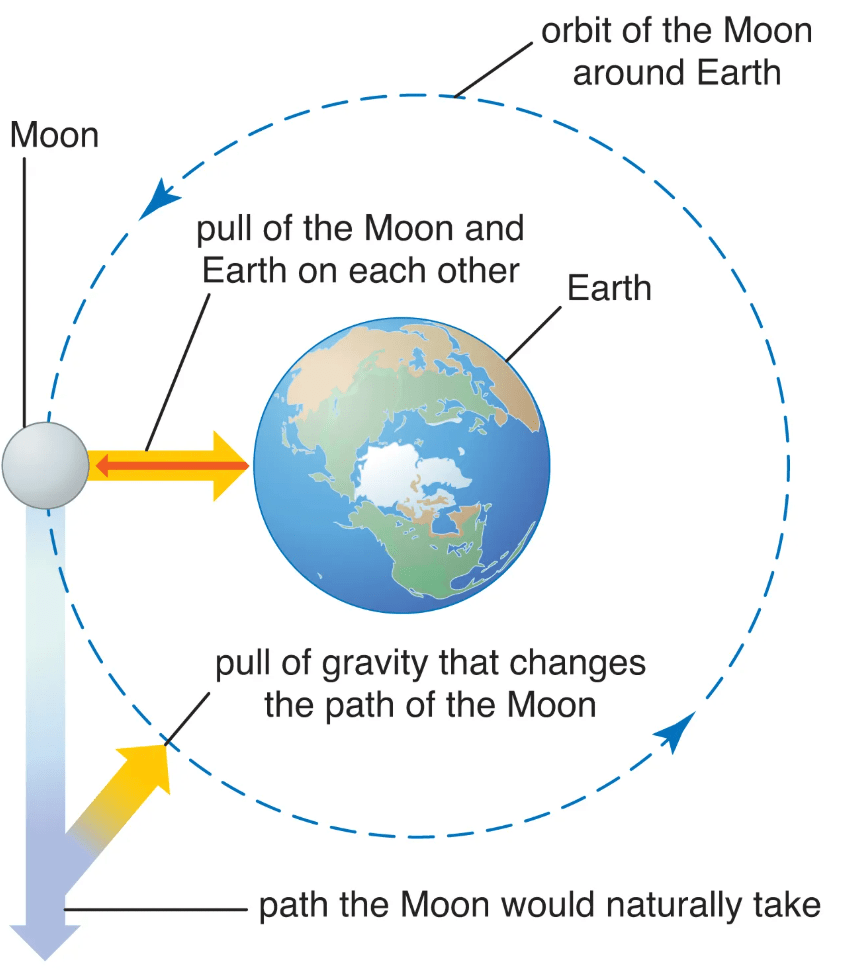
Isaac Newton
The diagram shows that without gravity, the Moon would continue along a straighter path, but the gravitational pull of the Moon and Earth on each other changes its direction and creates the Moon’s curved orbit around Earth.
400
An astronomers are describes a galaxy about 4.63 billion light-years away. Which unit would be more useful for expressing this distance.
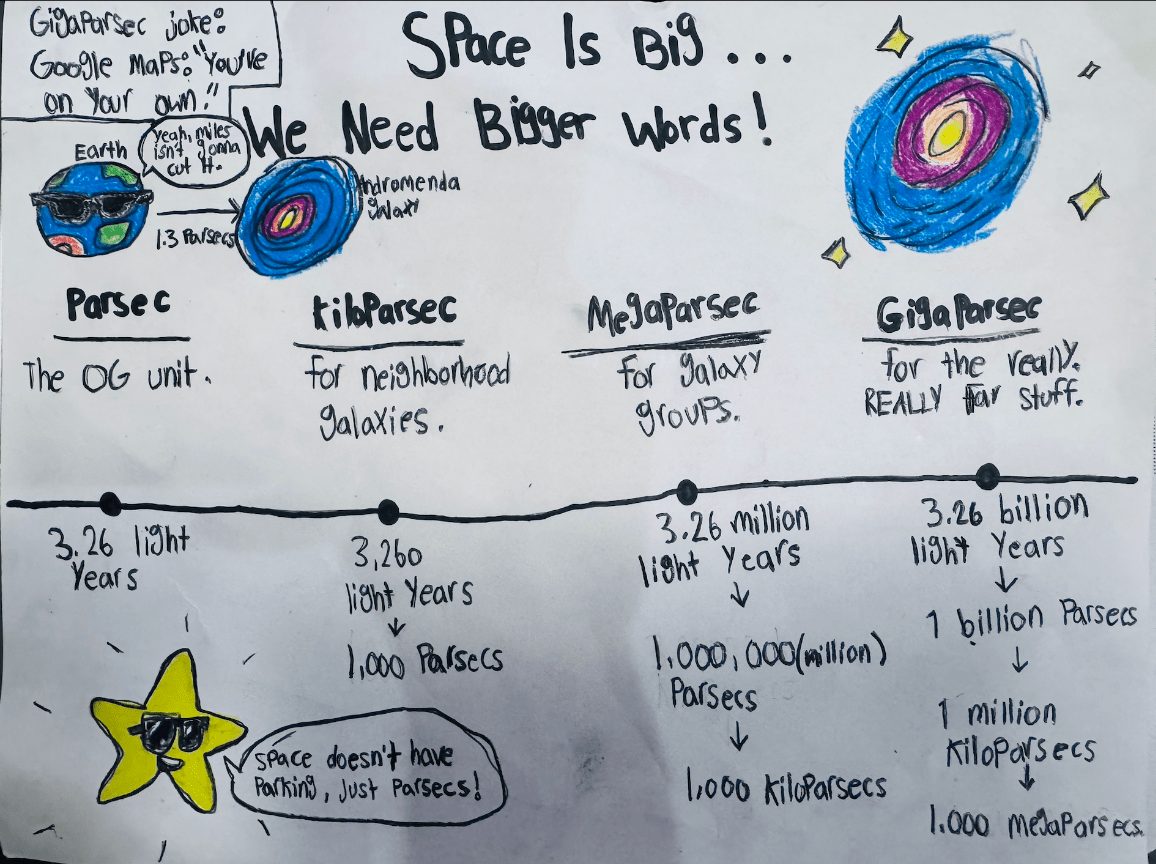
Gigaparasec
A gigaparsec equals 1 billion parsecs, so it is the most useful choice among those options for a distance this enormous.
400
Johannes Kepler corrected Copernicus’s model in 1609. What change did he make, and why did it improve the model?
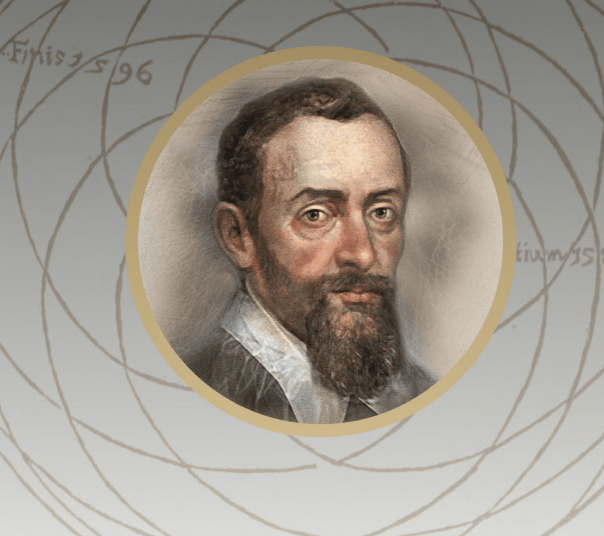
He showed that planets move in elliptical orbits instead of perfect circles, which matched observations better.
400
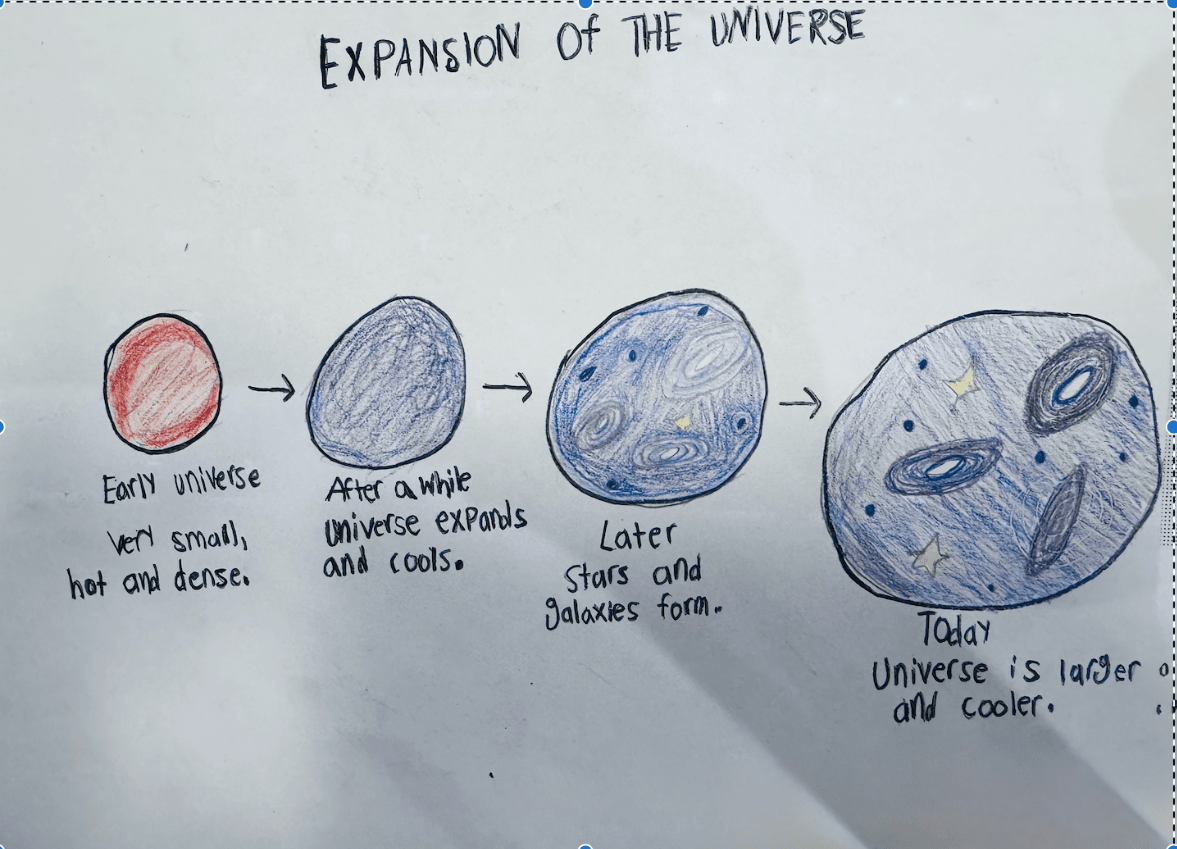
How does the expansion of the universe help scientists understand its early history?
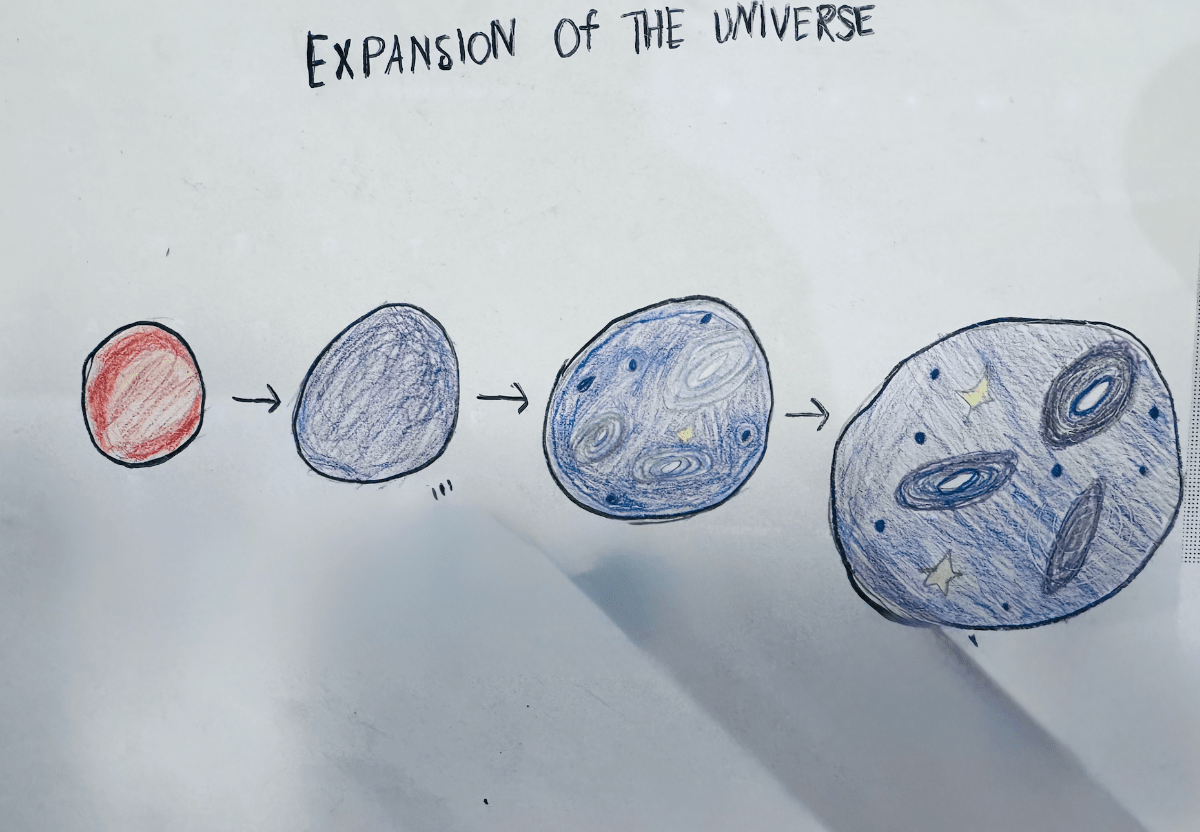
It shows that the universe was once much smaller, hotter, and denser, and it cooled as it expanded.
400
Study the diagram. Sirius has a lower apparent magnitude than Polaris. Based on the scale, which star appears brighter from Earth, and how can you tell?
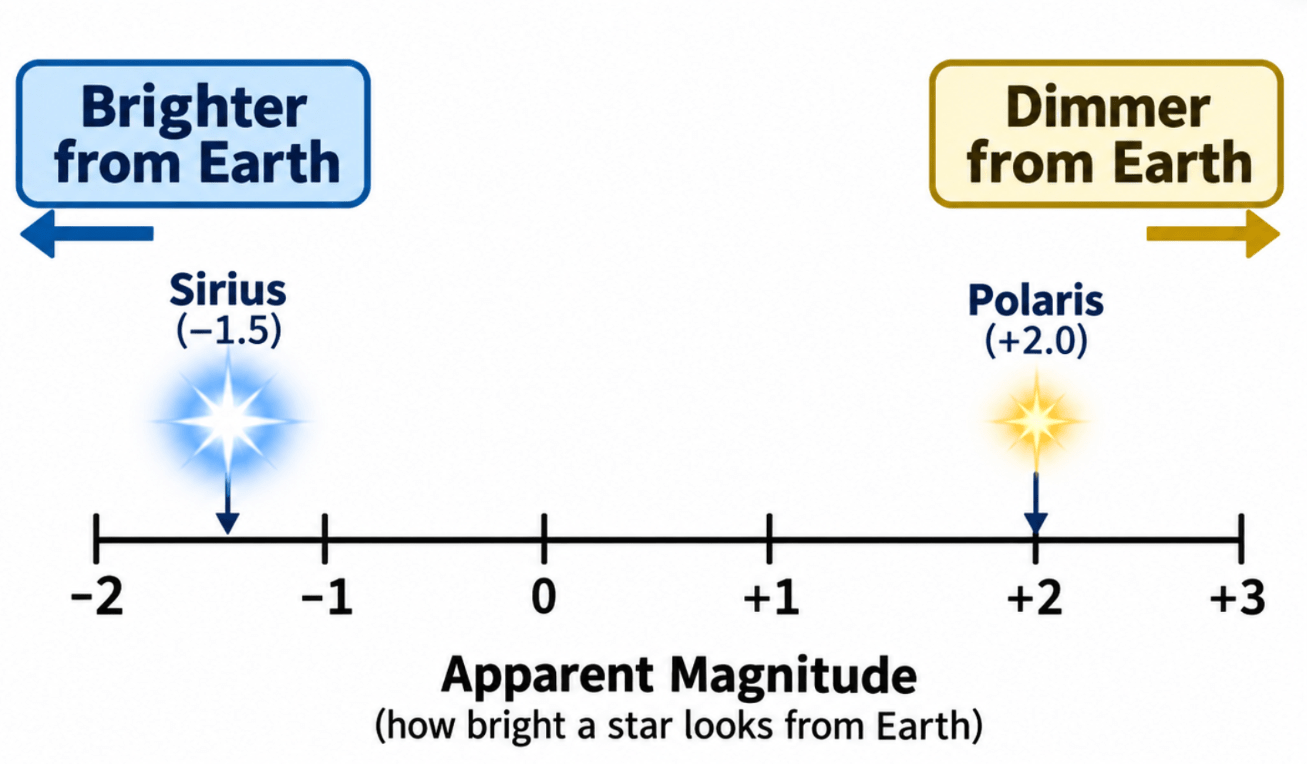
Sirius appears brighter. Its apparent magnitude is lower (more negative) than Polaris’s, and lower numbers are brighter-looking stars.
500
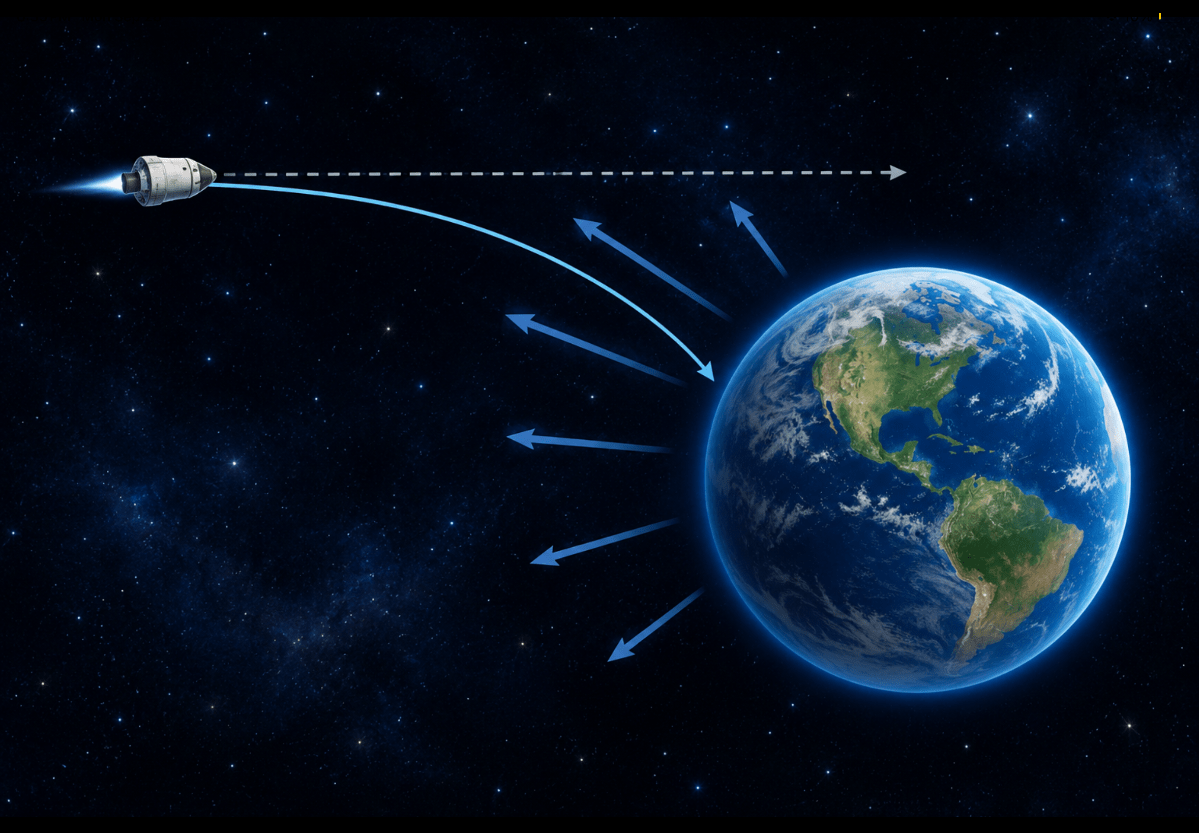
A spacecraft is moving past a planet. If the planet’s gravity becomes stronger, how would the spacecraft’s path change according to Newton’s laws?

The stronger gravity would pull the spacecraft closer to the planet, changing its direction.
500
Study the diagram. If the Sun suddenly disappeared at 12:00 p.m., what would a person on Earth still see at 12:05 p.m., and why?
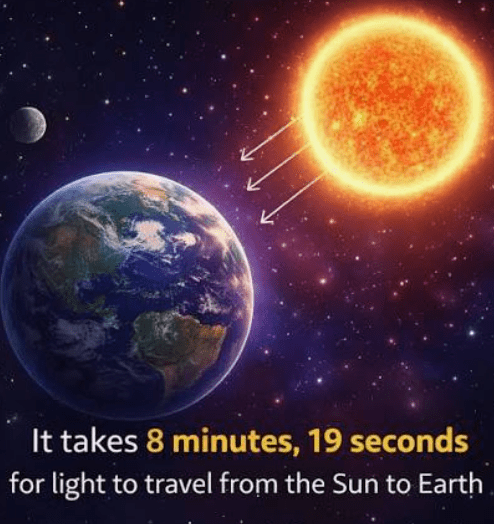
No changes would be observed - A person would still see the Sun and daylight because the last light from the Sun would still be traveling toward Earth. The change would not be seen until about 12:08 p.m.
500
Study the parallax diagram. Aristotle argued that if Earth moved around the Sun, nearby stars should appear to shift position against distant stars. Since he could not see that shift, he concluded that Earth did not move. How did Aristarchus explain the missing parallax differently?
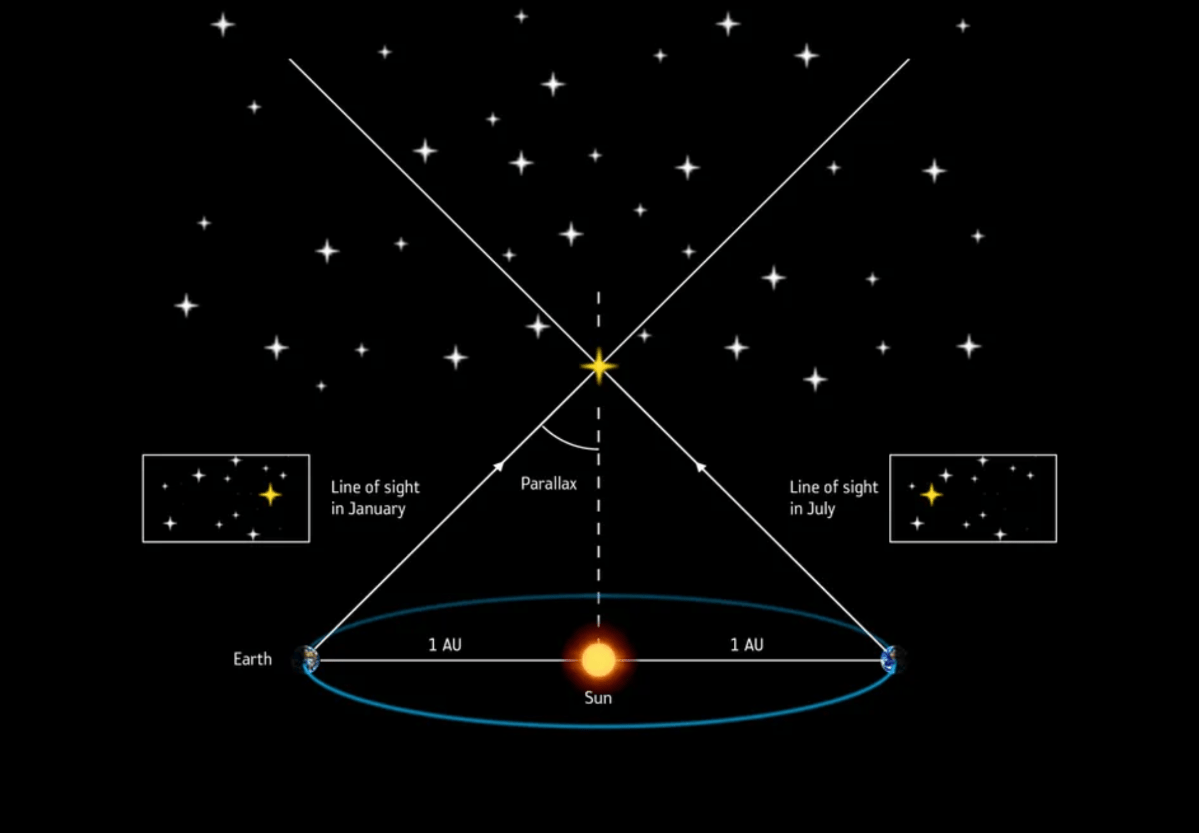
Aristarchus argued that Earth does move around the Sun, but the stars are so extremely far away that their apparent shift is too small to see with the naked eye.
500
Based on the picture, how can the changes in temperature, density, and structure over time help scientists infer what conditions existed in the early universe?
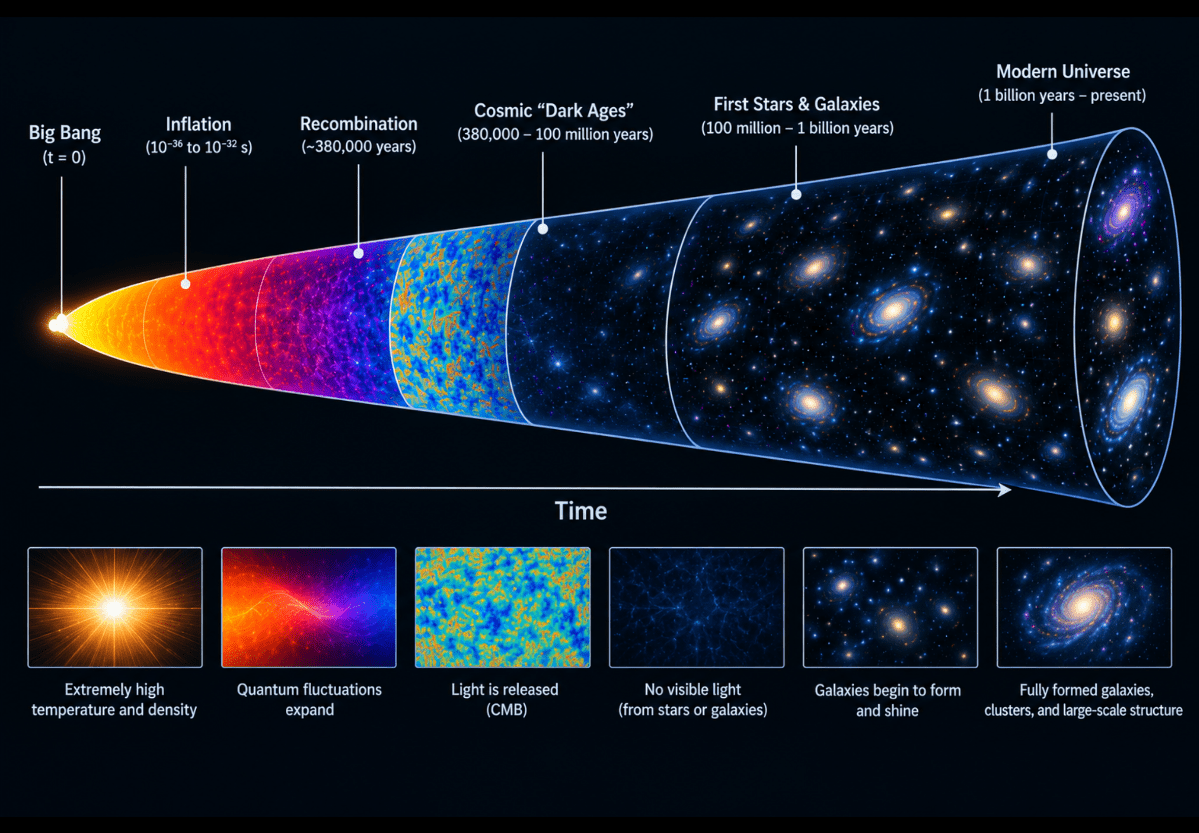
Scientists can infer that the early universe was extremely hot, dense, and nearly uniform. As it expanded, it cooled and matter gradually formed stars, galaxies, and larger structures.
500
Study the diagram. What does the change from several smaller nuclear into larger nuclear, along with the energy released, show about what is happening inside the star?
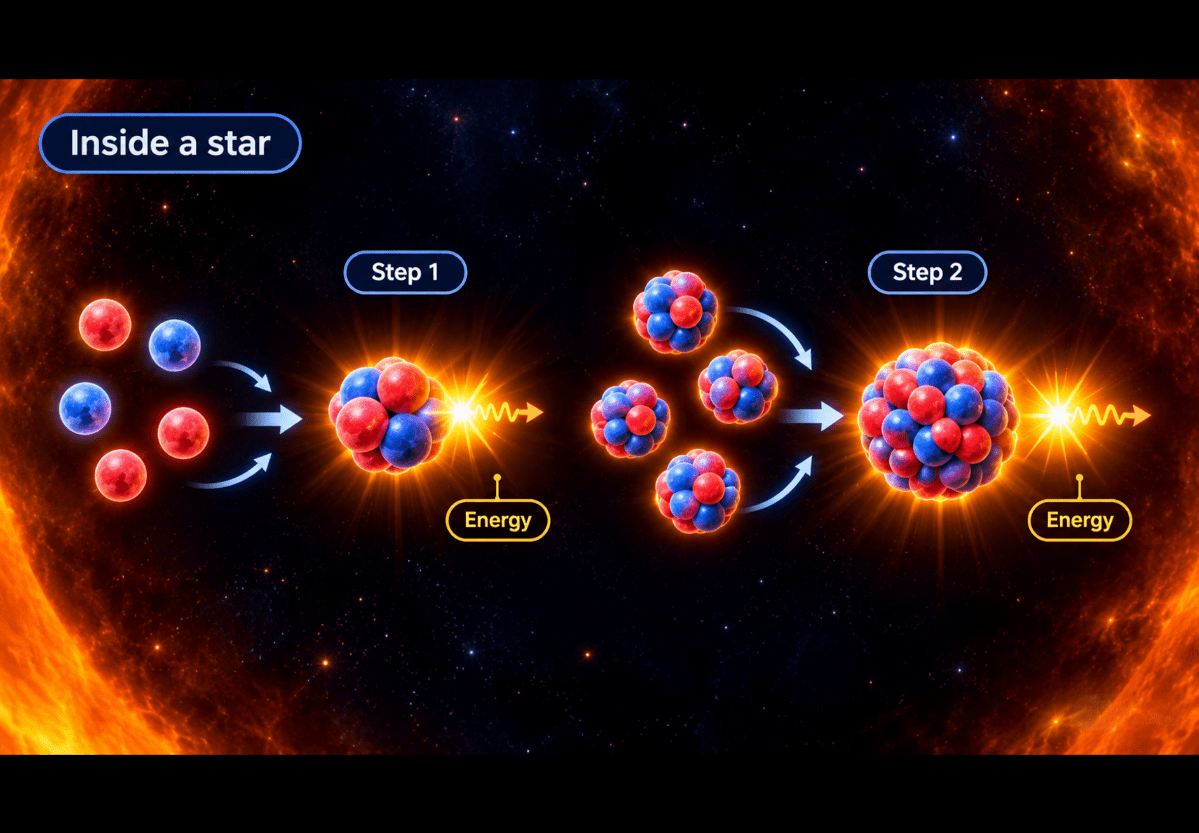
It shows that nuclear fusion is combining lighter elements to form heavier elements while releasing energy inside the star.