You Lived Through This… But Did You Notice
General Knowledge
Around the World
World Food, Cooking & Culinary Traditions
Potpourri (Fun Mix)
100
Why did grocery stores gradually move milk and eggs to the back of the store
a) Refrigeration limits
b) Theft prevention
c) Customer convenience
d) To increase impulse buying
d) To increase impulse buying - Milk is a frequent “must‑buy.” Placing it at the back encourages shoppers to walk past other items—often buying more than planned and maximizing sales.

100
Which of these does NOT actually cause arthritis?
a) Aging
b) Genetics
c) Previous joint injuries
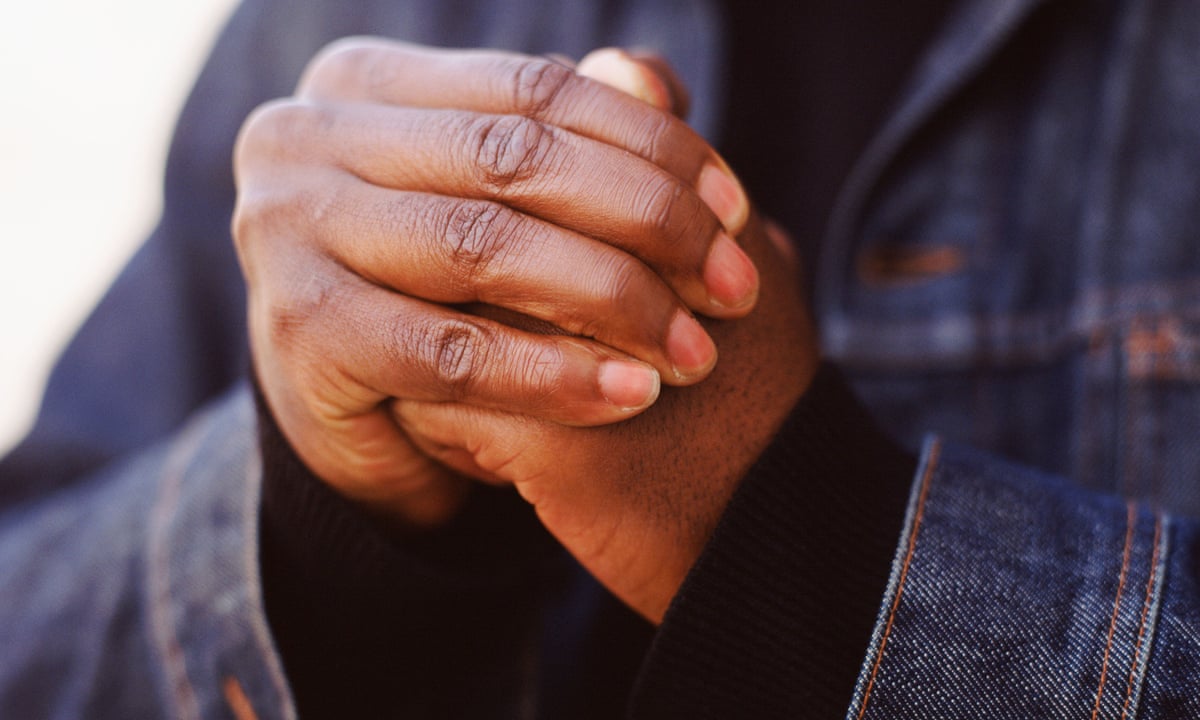
d) Cracking your knuckles
d) Cracking your knuckles - Multiple long‑term studies show no link between knuckle‑cracking and arthritis — despite generations of warnings.
100
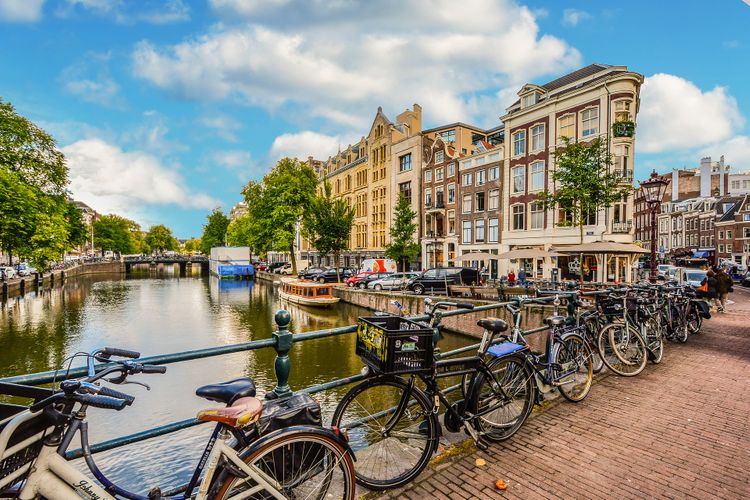
Which country is famous for having more bicycles than people?
a) Denmark
b) Rome
c) Netherlands
d) Australia
c) The Netherlands (widely considered the "bike" capital of the world) has over 22 million bicycles for about 18 million people — bikes are a primary mode of transportation.
100
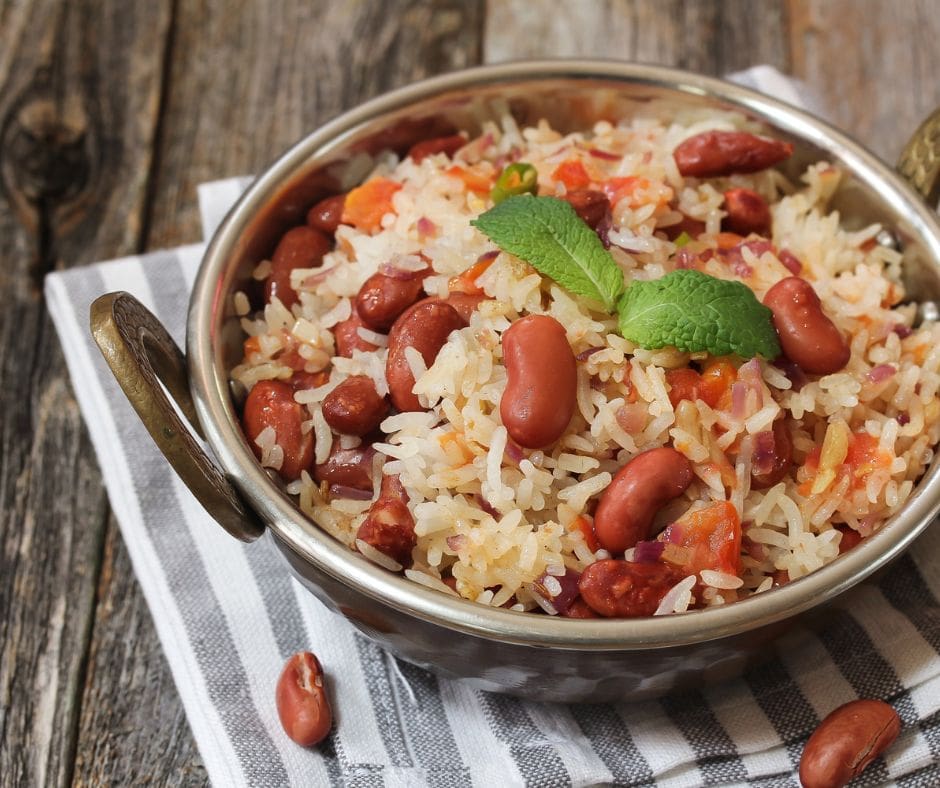
Why do many traditional cuisines pair beans with grains (like rice and beans)?
a) Cost savings
b) Cultural tradition
c) Improved digestion
d) Complete protein
b) Complete protein - Beans and grains together provide all essential amino acids, creating a full protein — discovered long before nutrition science.
100
What has keys but can’t open locks?
a) A map
b) A piano
c) A calendar
d) A computer
b) A piano

200
Why did TVs go from wooden cabinets to black plastic by the late 1970s?
a) Fire regulations
b) Weight reduction
c) Cost and mass production
d) Colour interference
c) Cost and mass production - Early TVs were furniture pieces. As TVs became affordable, lighter and cheaper plastics replaced handcrafted wood.

200
Which familiar sound was NOT added to cars until the early 20th century?
a) Engine noise
b) Door closing
c) Backup Alarms
d) The car horn
d) The car horn - Early cars relied on bells or whistles. The horn was introduced as traffic density increased in cities.

200
In many Middle Eastern countries, which hand is traditionally used for eating?
a) Left hand
b) Right hand
c) Both hands
d) Either hand
b) Right Hand - The left hand is traditionally reserved for hygiene. Eating with the right hand is considered respectful.

200
Why do chefs around the world add salt early when cooking onions?
a) helps to remove the skin
b) To enhance sweetness
c) to change the color
d) to reduce tears after cutting
b) To enhance sweetness - Chefs add salt early when cooking onions primarily to draw out moisture via osmosis, which significantly speeds up the cooking process, softens them faster, and aids in caramelization

200
What can travel around the world while staying in one corner?
a) A postcard
b) A stamp
c) A satellite
d) A clock
b) A stamp

300
Why did libraries once use card catalogues instead of computer systems?
a) Technology limits
b) Cost efficiency
c) Reliability
d) Standardization
d) Standardization - Card catalogues at the time were an efficient global standardized system—no electricity required—and could be understood anywhere.

300
Which of the following countries is most famously associated with the birthday tradition of gently pulling ears—once for each year of age?
a) Thailand
b) South Africa
c) Spain
d) Mexico
c) Spain -the country most widely cited and culturally associated with this exact tradition known as los tirones de oreja. The birthday person receives one ear‑pull per year, often with an extra for good luck

300
In which country is silence during conversations often considered respectful rather than awkward?
a) Italy
b) United States
c) Finland
d) Egypt
c) Finland - In Finnish culture, silence signals thoughtfulness and sincerity — not discomfort.

300
Why is olive oil traditionally used more for finishing than frying in Mediterranean cooking?
a) Cost
b) Smoke point
c) Flavour strength
d) Health beliefs
b) Smoke point - Extra‑virgin olive oil has a lower smoke point; high heat destroys flavour and beneficial compounds, so it’s best used gently or at the end.

300
If you have me, you want to share me. If you share me, you no longer have me. What am I?
a) Trust
b) Money
c) A secret
d) Advice
c) A secret

400
Why did early remote controls click loudly instead of working silently?
a) Weak signals
b) Mechanical design
c) Battery limits
d) Interference issues
b) Mechanical design - Early remotes used physical mechanisms or ultrasonic sounds, not electronics—hence the click.

400
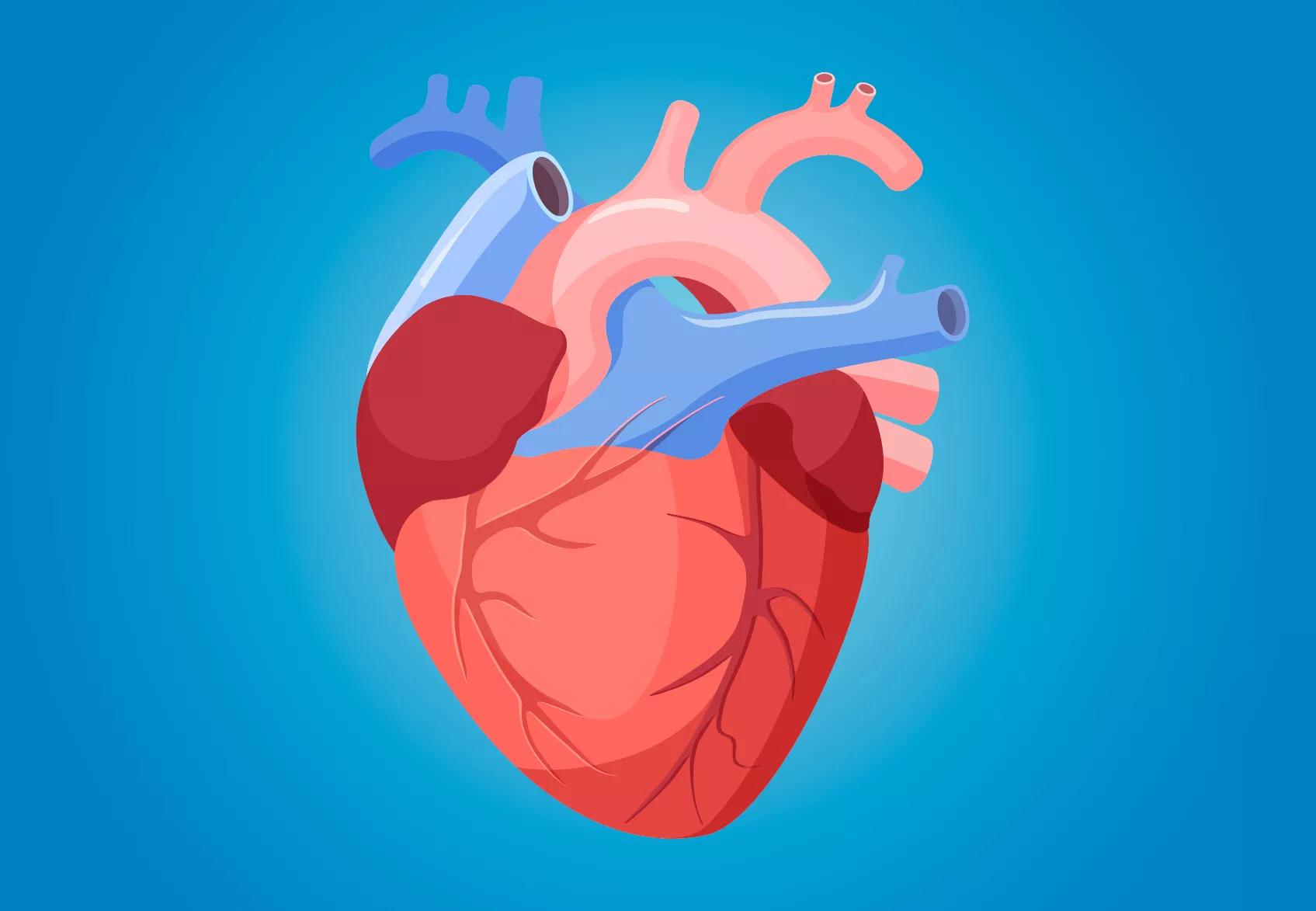
Which part of your body never gets tired?
a) Your heart
b) Your tongue
c) Your eyes
d) Your brain
a) Your heart - Your heart doesn’t tire the way muscles do — it’s built for non‑stop endurance with specialized muscle fibers.
400
In which country is it rude to give a gift in even numbers, especially flowers?
a) France
b) Russia
c) Turkey
d) Greece
b) Russia - Even numbers of flowers are traditionally associated with funerals — odd numbers are for celebration.

400
Why do many cultures eat spicy food in hot climates?
a) Taste preference
b) Cultural habit
c) Appetite stimulation
d) Food safety
d) Food Safety - Spices like chili, garlic, and turmeric have natural antimicrobial properties. It helps preserve food and prevents bacterial growth helping food last longer in heat

400
Why did the scarecrow win an award?
a) Best costume
b) Outstanding performance
c) Most popular in the field
d) He was outstanding in his field
b) He was outstanding in his field

500
Why did many people own physical address books even after phones became common?
a) Habit
b) Reliability
c) Privacy
d) No storage backup
d) No storage backup - Without cloud or digital backups, a lost paper or phone list meant everything was gone—so people kept paper records.

500
Why does laughter sometimes cause coughing or crying?
a) Airway reflex
b) Oxygen overload
c) Muscle overlap
d) Emotional surge
c) Muscle Overlap-Laughing, coughing, and crying all share the same muscle pathways- sometimes they collide!

500
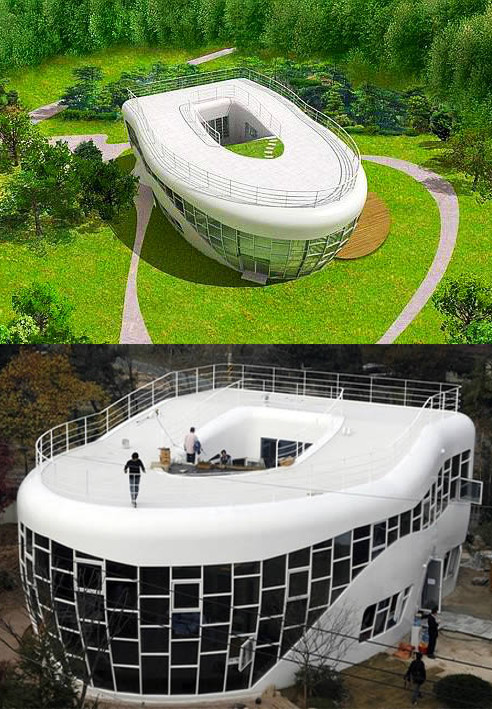
Which country has an entire museum dedicated to toilets — and it’s one of the country’s most popular cultural attractions?
a) Germany
b) Netherlands
c) South Korea
d) Singapore
c) South Korea - is home to the Toilet Culture Museum. The museum covers history, design, humour, and public health — toilets are treated as a serious (and celebrated) achievement.
500
What is the real purpose of letting meat “rest” after cooking?
a) Cooling for safety
b) Tenderizing fibres
c) Moisture redistribution
d) Flavour enhancement
c) Moisture redistribution - Resting allows juices to reabsorb into muscle fibres. Cutting too early lets moisture escape onto the plate instead of your mouth.

500
What shows up once in a minute, twice in a moment, but never in a thousand years?
a) Time
b) Luck
c) The letter “M”
d) Change
c) The letter “M”
600
Why are most emergency sirens designed to rise and fall instead of staying steady?
a) Battery efficiency
b) Easier manufacturing
c) Attention hijacking
d) Direction detection
d) Direction Detection - A changing pitch helps your brain locate movement and distance — especially when panicked. Sirens aren’t just loud — they’re specifically engineered so your brain can find danger faster.

600
What surprising activity can temporarily boost memory and focus?
a) Stretching
b) Laughing
c) Chewing gum
d) Singing
c) Chewing gum - Chewing increases blood flow to the brain, briefly improving alertness and concentration.

600
Which country is known for greeting people by touching noses instead of shaking hands?
a) Samoa
b) New Zealand
c) Fiji
d) Hawaii
c) New Zealand - The Māori greeting hongi symbolizes sharing breath and life force.

600
Why do many cultures eat with their hands—traditionally and intentionally?
a) Lack of utensils
b) Religious symbolism
c) Temperature control
d) Sensory connection
c) Sensory connection - Touch enhances taste perception. Using hands helps regulate temperature, texture, and portion — engaging brain, senses, and digestion more fully.

600
Before Mount Everest was discovered, what was the tallest mountain in the world?
a) K2
b) Mount Everest
c) Kilimanjaro
d) The Rockies
b) Mount Everest