☀️ Sun & Energy
🌍 Greenhouse Effect
🪐 Solar System
🌙 Moon System
🌦️ Seasons & Sky
100
100 (DOK 1) – The Sun gives Earth this.
➡️ What is energy?
💡 Explanation: The Sun is the main energy source for Earth.
100
100 (DOK 1) – Gases that trap heat in the atmosphere.
💡 Explanation: These gases act like a blanket around Earth.
➡️ What are greenhouse gases?
100
100 (DOK 1) – The Sun and all objects that orbit it.
➡️ What is the solar system?
💡 Explanation: Includes planets, moons, and asteroids.

100
100 (DOK 1) – This causes day and night.
➡️ What is Earth’s rotation?
💡 Explanation: Earth spins once every 24 hours.

100
Earth is tilted about this much. 12.5° 23.5° 45° or 90°
What is 23.5°?
💡 Explanation: This tilt is key to seasons.

200
200 (DOK 1) – Energy from the Sun travels through space as this.
➡️ What is radiation?
💡 Explanation: Radiation can travel through empty space (no air needed).

200
200 (DOK 1) – This process keeps Earth warm enough for life.
➡️ What is the greenhouse effect?
💡 Explanation: It prevents too much heat from escaping.
200
200 (DOK 1) – The force that keeps planets in orbit.
➡️ What is gravity?
💡 Explanation: Gravity pulls objects toward each other.

200
200 (DOK 1) – The changing shapes of the Moon.
➡️ What are moon phases?
💡 Explanation: We see different parts of the lit Moon.

200
200 (DOK 1) – This causes the seasons.
➡️ What is Earth’s tilt?
Earth is tilted about 23.5°, so different parts of Earth get different amounts of sunlight during the year. This is what causes seasons—not how close Earth is to the Sun.
300
300 (DOK 2) – What happens to Earth’s surface when it absorbs sunlight?
➡️ What is it warms up?
💡 Explanation: Land and water absorb energy and increase in temperature.
300
300 (DOK 2) – What do greenhouse gases do to heat energy?
➡️ What is trap or absorb it?
💡 Explanation: They absorb heat and send some back to Earth.
300
300 (DOK 2) – Why do planets stay in orbit around the Sun?
300 (DOK 2) – Why do planets stay in orbit around the Sun?
💡 Explanation: Gravity + motion keeps them moving in a path.

300
300 (DOK 2) – What causes the phases of the Moon?
➡️ What is the Moon’s position compared to Earth and Sun?
💡 Explanation: The Moon reflects sunlight differently as it orbits.

300
300 (DOK 2) – Why is summer warmer than winter?
➡️ What is sunlight is more direct?
Sunlight is more concentrated.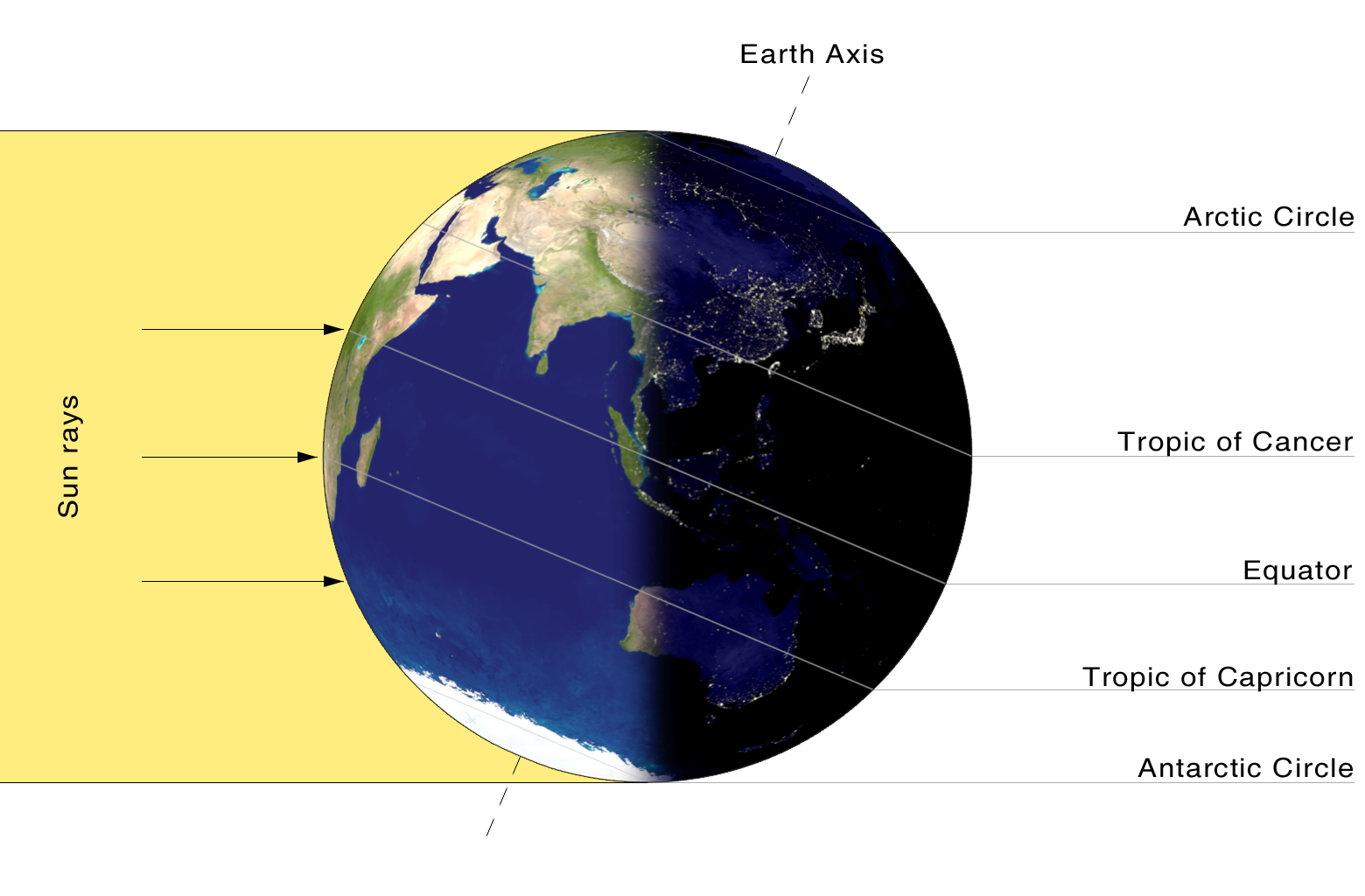
400
400 (DOK 2) – What type of energy does Earth give off after warming?
➡️ What is infrared (heat energy)?
💡 Explanation: Warm objects release heat as infrared radiation.
400
400 (DOK 2) – What would likely happen if greenhouse gases disappeared?
➡️ What is Earth would become much colder?
💡 Explanation: Most heat would escape into space.
400
400 (DOK 2) – Why do planets farther away take longer to orbit?
➡️ What is they travel a longer distance?
💡 Explanation: Bigger orbit = more time.

400
400 (DOK 2) – Why don’t eclipses happen every month?
➡️ What is the Moon’s orbit is tilted?
💡 Explanation: The Moon is usually above or below alignment.
400
400 (DOK 2) – Why do daylight hours change during the year?
➡️ What is Earth’s tilt changes how long the Sun is visible?
Tilt changes how long the Sun is visible.
500
500 (DOK 3) – Explain why Earth stays warm even after the Sun goes down.
➡️ What is heat is trapped by the atmosphere and slowly released?
💡 Explanation: Earth releases heat slowly, and some is held by the atmosphere.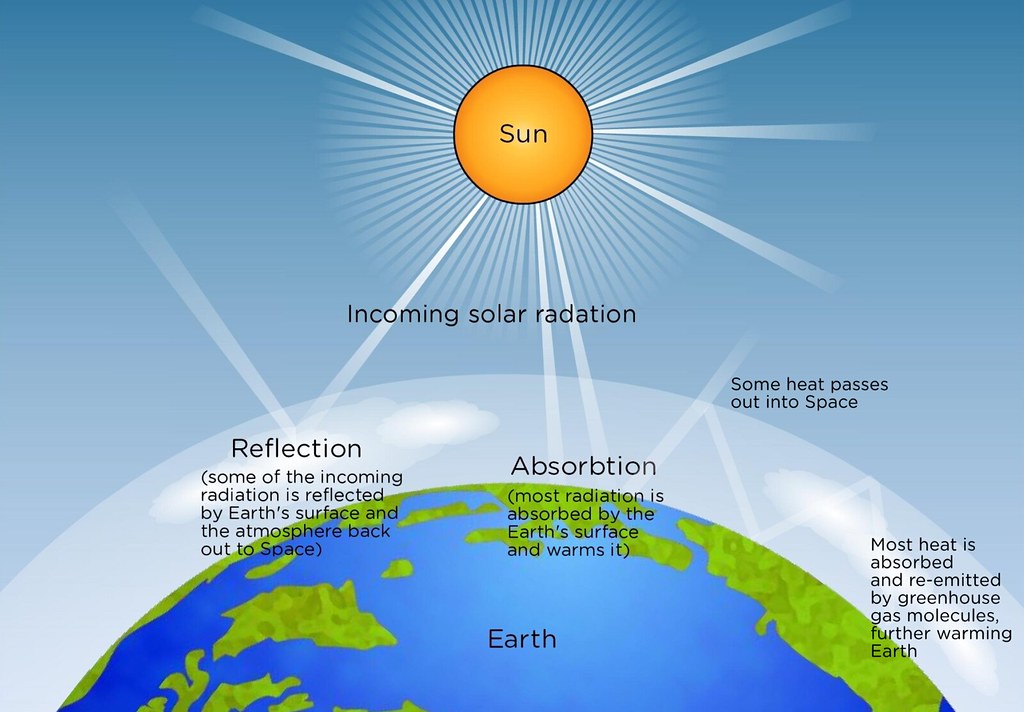
500
500 (DOK 3) – Explain how greenhouse gases help regulate Earth’s temperature.
➡️ What is they trap heat so Earth doesn’t get too cold or too hot?
💡 Explanation: They balance incoming and outgoing energy.

500
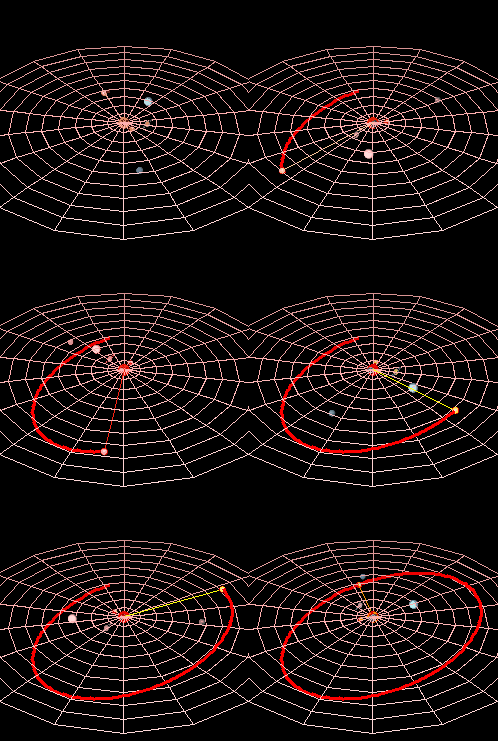
500 (DOK 3) – Explain how distance from the Sun affects a planet’s year.
➡️ What is farther planets have longer years because their orbits are bigger?
💡 Explanation: More distance means a longer path to travel.
500
500 (DOK 3) – Explain how the positions of the Sun, Earth, and Moon cause eclipses.
➡️ What is one object blocks sunlight from reaching another?
💡 Explanation: Alignment is needed (Sun–Moon–Earth or Sun–Earth–Moon).
500
500 (DOK 3) – Explain why seasons are caused by tilt and not distance from the Sun.
➡️ What is the angle of sunlight changes, not the distance?
💡 Explanation: Direct sunlight = more energy; tilted away = less.