Primary Growth
Secondary Growth
100
1. What is primary growth in plants?
a) Growth in thickness
b) Growth in length or elongation
c) Growth of flowers
d) Growth of roots only
b) Growth in length or elongation

100
What is secondary growth in plants?
a) Growth in height
b) Growth in thickness (width)
c) Growth of leaves and flowers
d) Growth of root hairs
b) Growth in thickness (width)
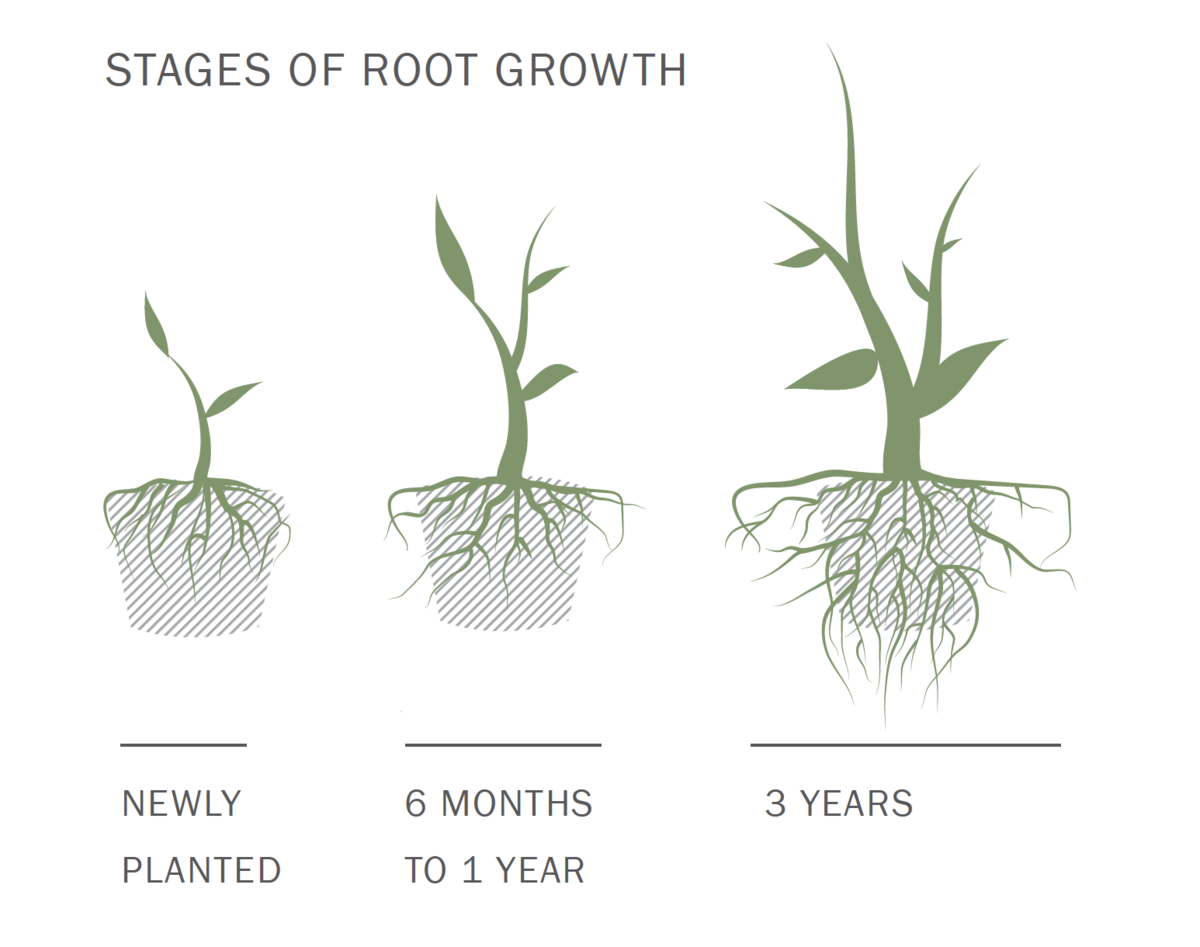
200
Which tissues are responsible for primary growth?
a) Cork cambium and vascular cambium
b) Apical meristems
c) Lateral meristems
d) Phloem only
b) Apical meristems
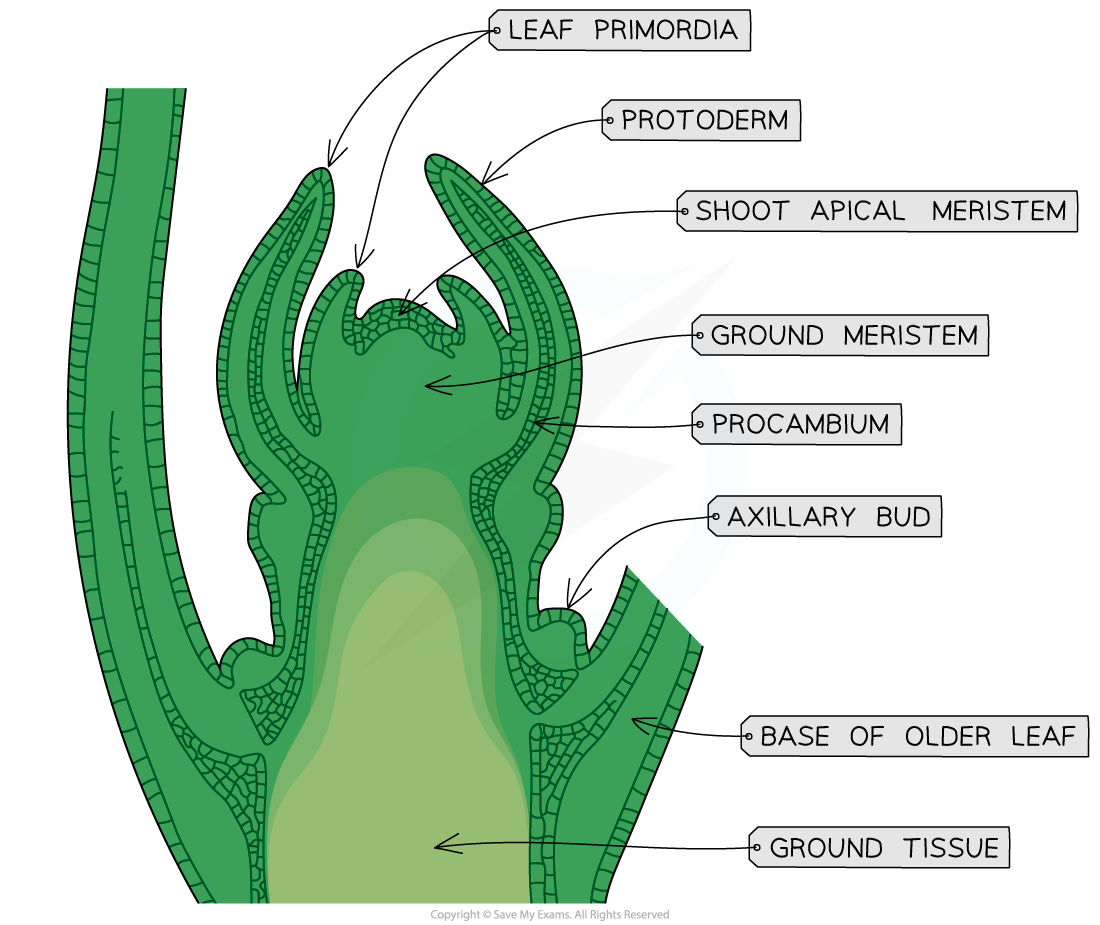
200
Which tissues are responsible for secondary growth?
a) Apical meristems
b) Cork cambium and vascular cambium
c) Root hairs
d) Epidermis
b) Cork cambium and vascular cambium
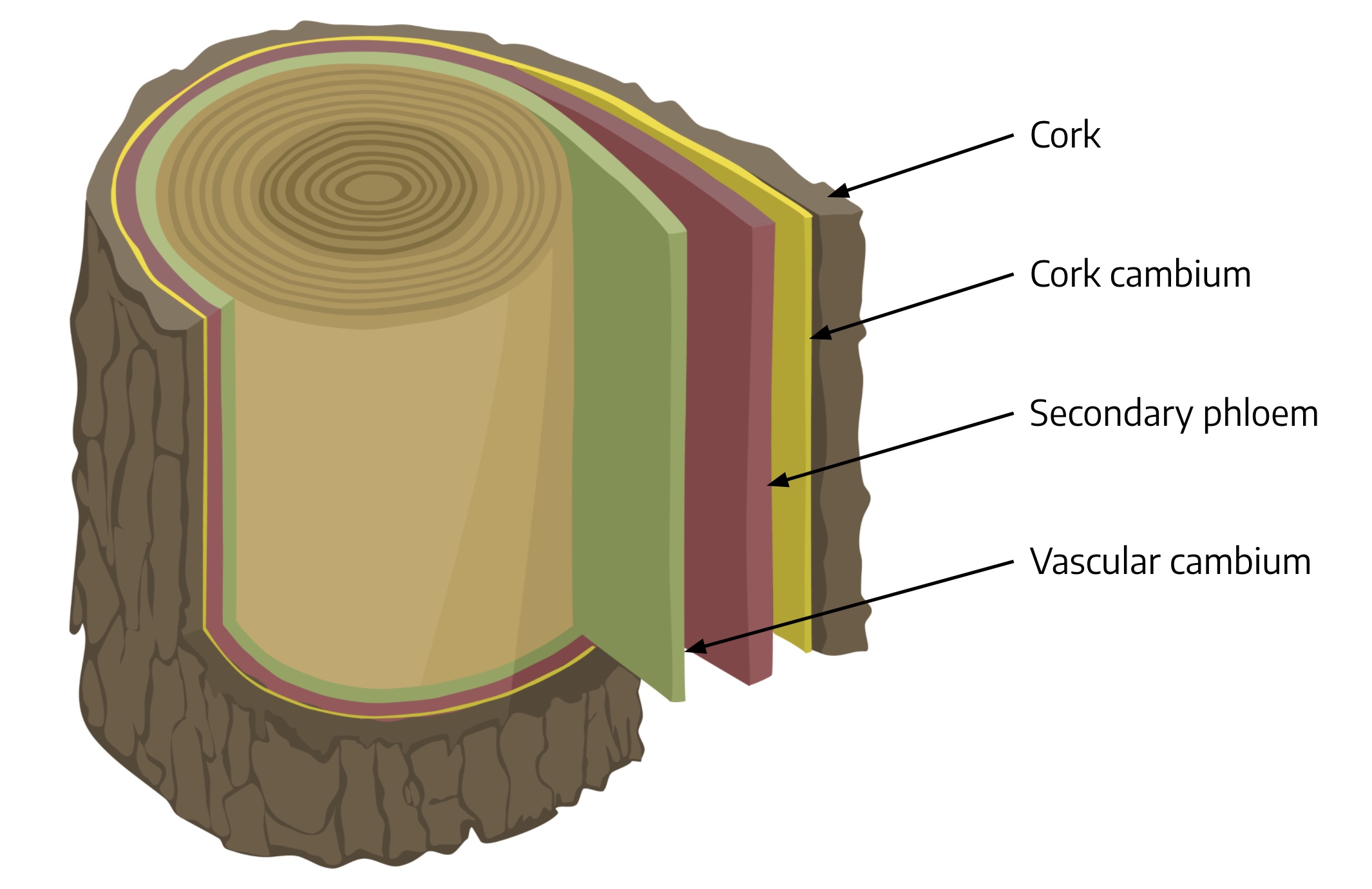
300
Where does primary growth occur in a plant?
a) Only in the stems
b) Only in the roots
c) At the tips of roots and shoots
d) In the middle of the stem
c) At the tips of roots and shoots
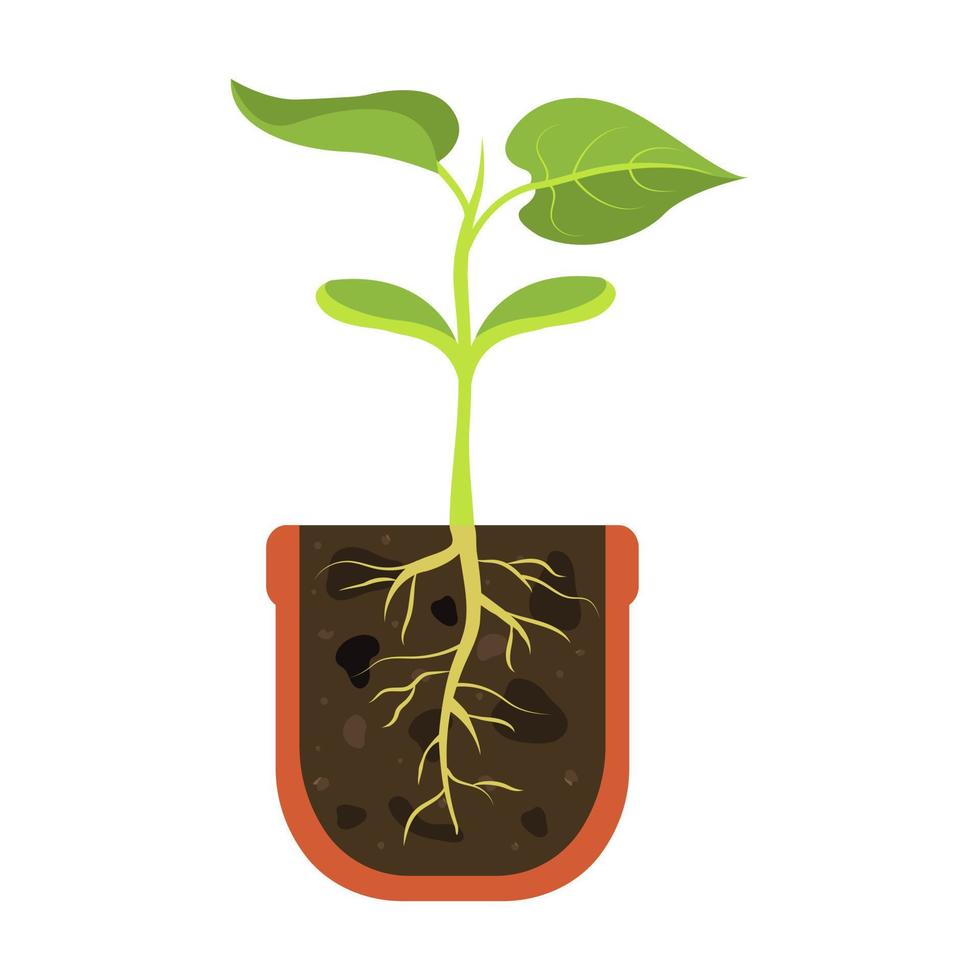
300
In which type of plants is secondary growth commonly found?
a) Herbaceous plants
b) Grasses
c) Woody plants (trees and shrubs)
d) Algae
c) Woody plants (trees and shrubs)

400
What is the function of the apical meristem?
a) To store food
b) To produce new leaves and flowers
c) To increase the plant's length by cell division
d) To protect the plant from diseases
c) To increase the plant's length by cell division

400
What does the vascular cambium add to the plant?
a) More leaves
b) Extra height
c) More wood (thickness)
d) Flowers
c) More wood (thickness)
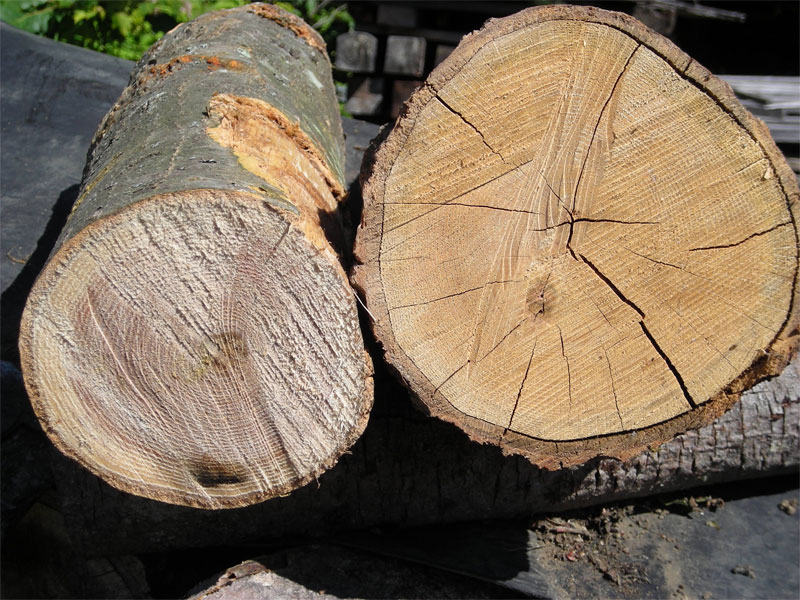
500
Which of the following is a result of primary growth?
a) Formation of tree rings
b) Increase in root and shoot length
c) Thickening of the stem
d) Development of bark
b) Increase in root and shoot length

500
Which meristem is responsible for making a plant thicker (secondary growth)?
a) Apical meristem (makes the plant taller)
b) Lateral meristem (makes the plant wider)
c) Intercalary meristem (found in grasses)
d) Root meristem (only in roots)
b) Lateral meristem