Cell Transport
Cell Cycle
Mitosis
Misc.
100
The movement of substances from an area of high concentration to an area of low concentration.
What is diffusion/passive transport?
100
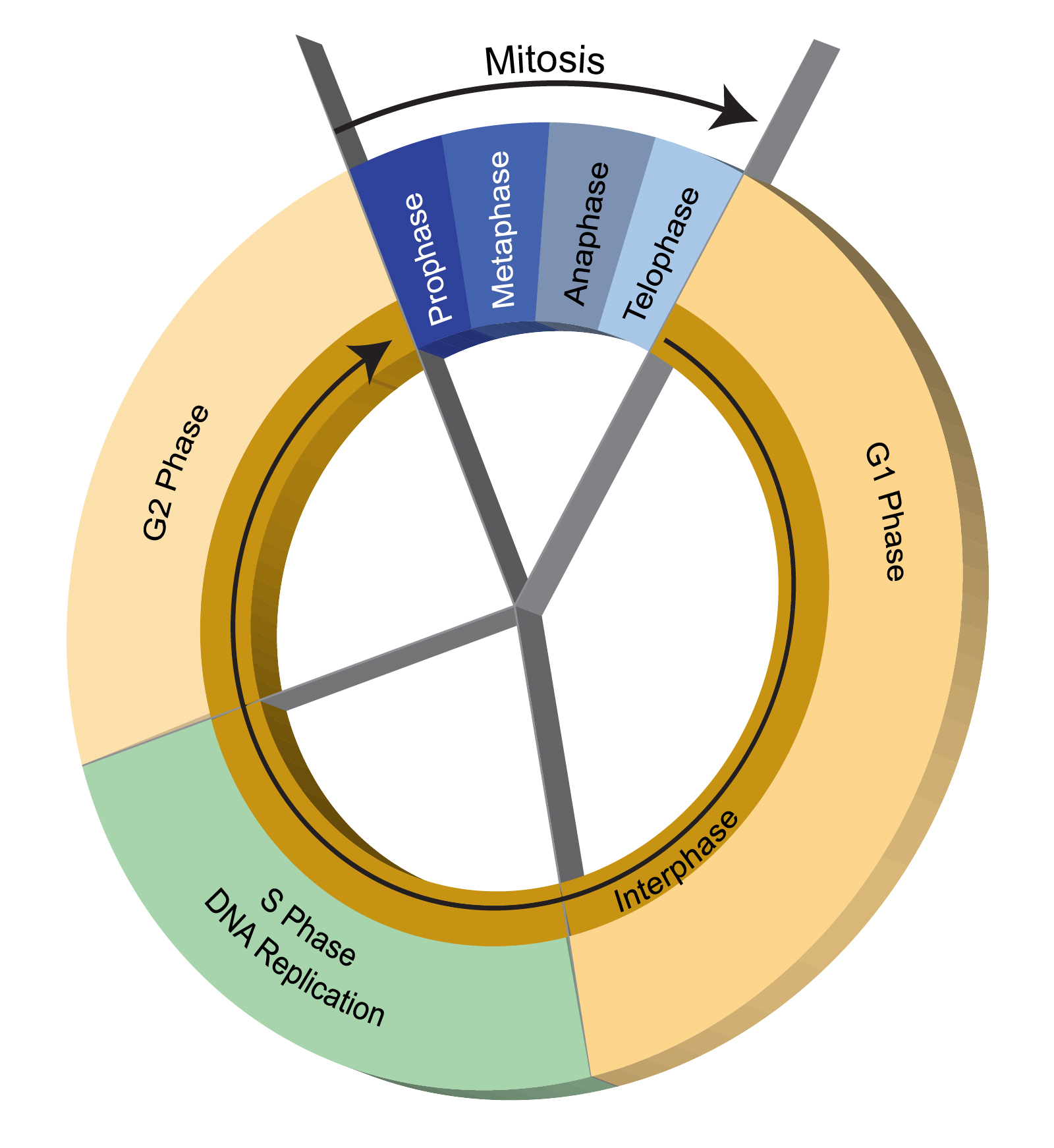 The longest part of the cell cycle, where most cell activity takes place.
What is interphase?
100
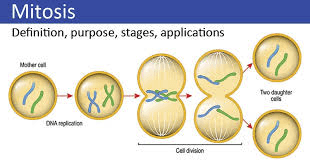
First phase of mitosis, chromosomes condensed.
What is prophase?
100
DNA/chromosomes are located in the _____________ of the cell.
What is the nucleus?
200
Diffusion, osmosis, facilitated diffusion.
What is passive transport?
200
The phase where cell growth occurs.
What is G1?
200
Second phase of mitosis, chromosomes line up in middle of cell.
What is metaphase?
200
Long-term energy storage (think polar bear hibernating), also makes up cell membranes.
What are lipids?
300
Protein pumps, endocytosis, exocytosis.
What is active transport?
300
The phase where DNA is replicated (synthesized)..
What is S phase?
300
Third phase of mitosis, chromosomes separate, move away from each other towards poles of cells.
What is Anaphase?
300
Made up of long chains of amino acids.
What are proteins?
400
_______________ transport does not use energy.
_______________ transport requires energy.
What is passive, active?
400
The phase where more cell growth and preparation for mitosis occurs, .
What is G2 phase?
400
Fourth phase of mitosis, nuclear envelope starts forming, cytoplasm starts dividing.
What is Telophase?
400
Stores genetic information.
What are nucleic acids?
500
Phospholipid bilayer.
What is a cell/plasma membrane?
500
The phase where cell division occurs.
What is mitosis?
500
Occurs after mitosis, cells divide.
What is Cytokinesis?
500
Short-term, immediate energy.
What are carbohydrates?
600
The energy molecule used in active transport.
What is ATP?
600
The phase after cell division (mitosis/meiosis/cytokinesis).
What is interphase?
600
Mitosis creates _______________ cells with the _____________ number of chromosomes.
What is 2/identical, same/diploid?
600
DNA replication is called a _____________________ process because new DNA consists of one old strand and one new strand.
What is a semi-conservative?