Nursing Concepts (NUR 200)
Pathophysiology
(NUR 333)
(NUR 333)
Nursing 333
Fundamentals
Infections
333
Patho
More Infections
100
The first step in a nurse’s problem solving process that involves gathering data about the patient and their health status: ___________.
Assessment
100
_____________ is the most common cause of cellular injury.
Hypoxia
100
Deficiency of oxygen in any tissue
Hypoxia
100
_________ precautions are applied to the care of all patients in all healthcare settings, regardless of suspected or confirmed presence of an infectious agent.
Standard
100
A _________ infection is one that follows a primary infection, especially in immunocompromised patients.
secondary
100
A _________ drug causes increased passing of urine.
Diuretic
100
_________: A hemoglobin breakdown product. It’s a yellow substance that can be recognized when red blood cells break down.
Bilirubin
100
________ infections have a rapid onset but last only a short time. Examples are the common cold, urinary tract infection, etc.
Acute
200
A __________ assessment is performed to obtain data about a possible problem regarding one body part or one functional ability in particular.
Focused Assessment
200
_________ is the protein in red blood cells that carries oxygen to the tissues.
Hemoglobin
200
Which step in the nursing process is the following documentation regarding a client’s health record?
“Nutritional status will improve as evidenced by a weight gain of 3 lb. (1.4 kg) by July 1.”
Planning
200
A ____________ is the personal protective equipment (PPE) known for protection against splashing.
Face Shield
200
___________ infections cause harm in a limited region of the body, such as the upper respiratory tract, skin, urethra, or a single bone or joint.
Local
200
Medical term for heart attack
Myocardial Infarction
200
________: Term for yellowing of the skin and the whites of the eyes resulting from high levels of bilirubin in the blood.
Jaundice
200
A sterile field becomes __________ when it is out of visual range.
Contaminated
300
When is a back massage typically offered as part of scheduled care?
- Early morning care
- AM (morning) care
- PM (afternoon) care
- H.S. (hour of sleep) care
H.S. (Hour of sleep) care
300
Regarding cellular transport, diffusion, osmosis, and facilitated diffusion are all examples of ___________ transport that do not use ATP.
Passive Transport
300
__________: Body tissue or organ to waste away potentially due to non-use.
Atrophy
300
A(n) ________ syringe is calibrated in units rather than milliliters (mL).
Insulin
300
________ infections cause no symptoms for long periods, even decades.
-Example: Tuberculosis
Latent
300
Which of the listed options can increase one’s susceptibility to infection?
-developmental stage (whether newborn, young person, elderly, etc.)
-illness or injury
-substance abuse
All of the above
300
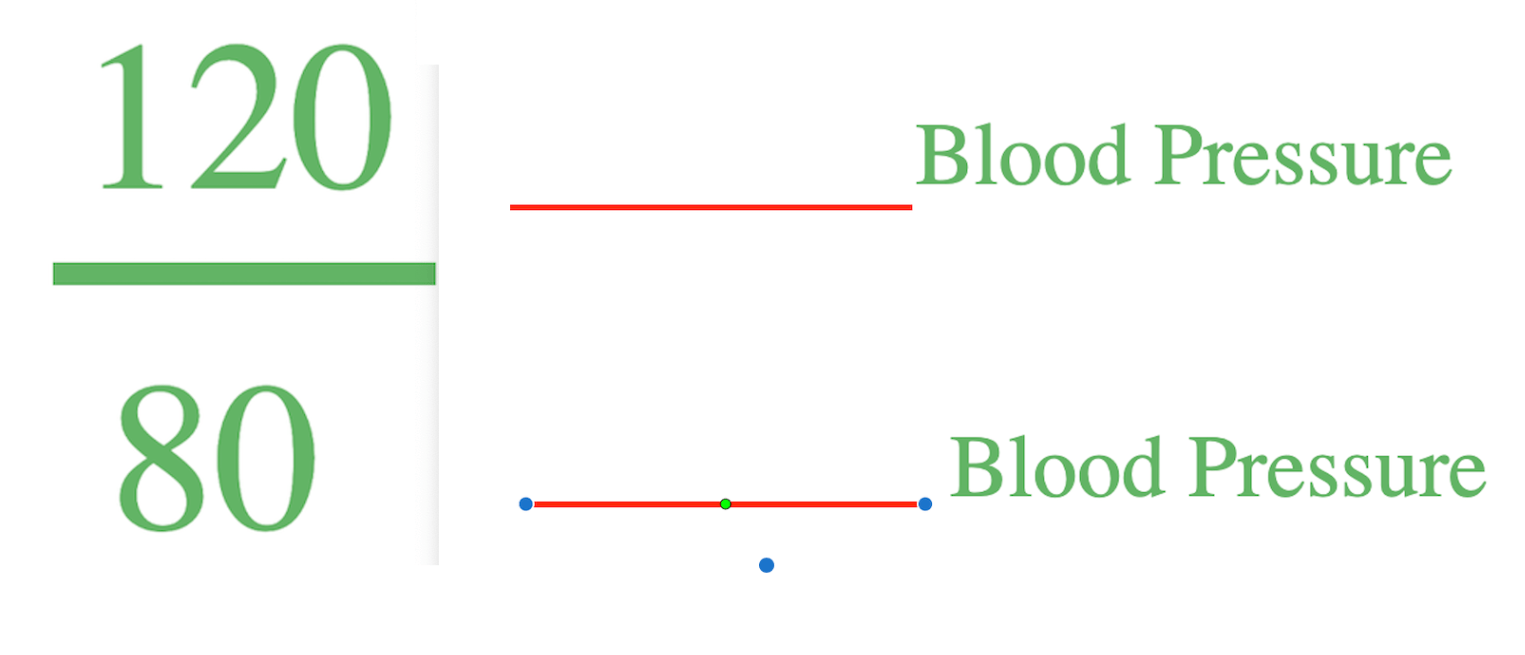
Systolic Blood Pressure
_____________
Diastolic Blood Pressure
300
___________ defenses against infection include:
Normal flora of the body, skin, respiratory tree, eyes, mouth, gastrointestinal (GI) tract, genitourinary tract
Primary defenses
400
A(n) ________ is impaired, reddened skin over a bony prominence that is caused by pressure that interferes with the delivery of oxygen to body cells.
pressure ulcer.
What is another medical term for a pressure ulcer?
400
Without oxygen, glucose is metabolized by anaerobic metabolism and ___________ is a byproduct.
Lactic Acid
400
“plasi-” is the word element that means ________. Hint: Neoplasia means “new ________.”
growth
400
Obtaining wound measurements once a week is part of the _________ phase of the nursing process when performing wound care for a client.
Evaluation
400
Active immunity, passive immunity, cellular/cell-mediated immunity, and humoral (antibody-mediated) immunity are examples of ________ defenses against infection.
Tertiary defenses
400
_________: Term for the stage of infection that involves the first appearance of vague symptoms
Prodrome
400
_________: Accidental, uncontrolled cell death often due to trauma or injury.
Necrosis
400
In __________ infections, the pathogen is acquired from the healthcare environment.
- Very undesirable and costly from the healthcare provider’s perspective
Exogenous healthcare-related infections
500
____________ is the term for an inadequate blood supply to an organ or part of the body, especially the heart muscles.
(impaired blood flow, impaired profusion)
Ischemia
500
__________ _________, deranged cellular growth within cervix tissue, is a noted precursor to cancer of the cervix.
Hint: the second word of the answer is the cellular adaption that involves deranged, disordered cell growth within a specific tissue.
Cervical dysplasia
500
Absence of contamination by disease causing microorganisms is known as ________.
Asepsis
500
_________ precautions are essential to prevent the spread of certain enteric infections involving the intestines.
(Standard, Droplet, Contact, Airbborne)
Contact
500
List 4 of the body’s secondary defenses:
_________
_________
_________
_________
- Phagocytosis
- Inflammation
- Fever
- Complement cascade
500
__________ usually refers to disorganized, uncontrolled proliferative cell growth (within a specific tissue or organ) that is cancerous.
-Term is used interchangeably with “tumor.”
Neoplasia
500
_________: The medical term for when someone’s skin, lips, or nails turn blue due to lack of oxygen in the blood.
Cyanosis
500
In __________ infections, pathogen arises from the patient’s normal flora, when some form of treatment causes the normally harmless microbes to multiply and cause infection.
Endogenous healthcare-related infection