Organisms and their Environments
Food Chains
Weather
Space
Effects of Natural Changes on Organisms
100
What is Migration?
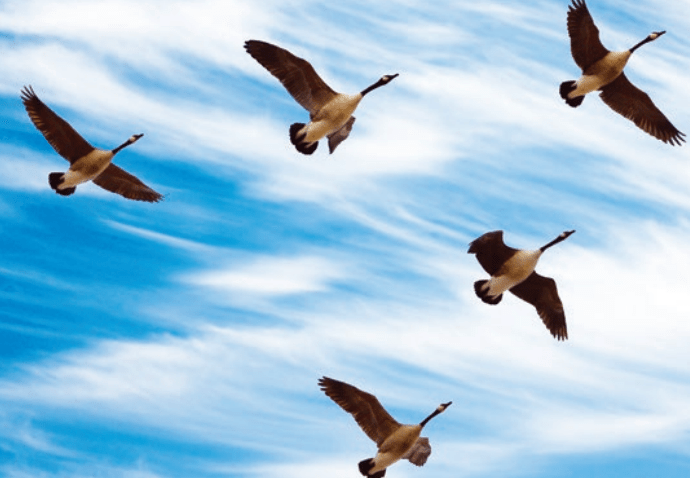
The movement of animals from one region to another and back.
100
Food chains begin with energy supplied by –
A. the Sun.
B. the Moon.
C. Earth’s core.
D. green plants .
A. the Sun.
100
What is a meteorologist?
a scientist who studies the weather
100
Which of these is found in the center of our solar system?
A Mars
B The Sun
C The Earth
D The Moon
B The Sun
100
An organism that does not survive is known to __?
Perish
200
What is hibernation?
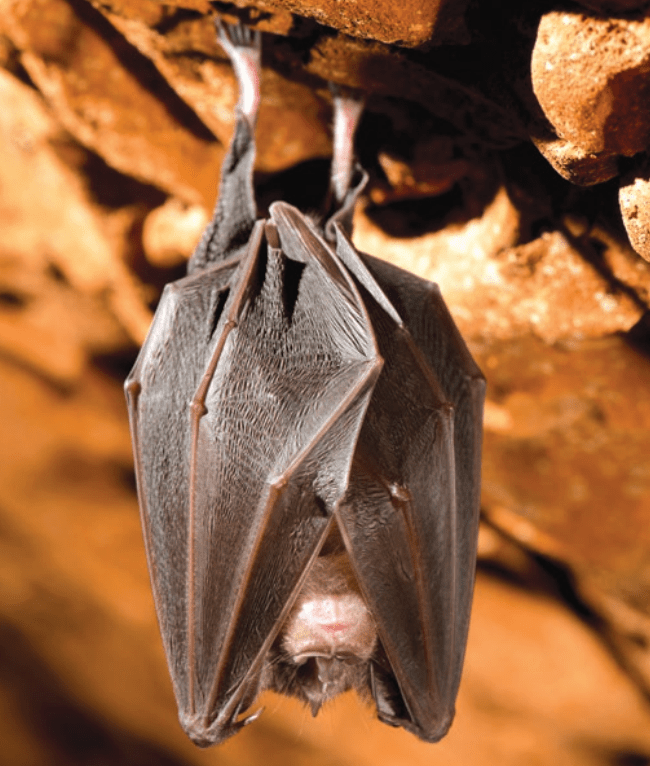
An inactive state in which normal body activities are slow.
200
The arrows in the diagram represent –

A an increase in size
B the flow of energy
C how they move
D decreasing temperature
B the flow of energy
200
What weather condition could the two tools shown below be used to observe?
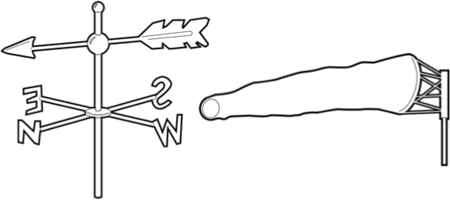
A Amount of precipitation
B Wind direction
C Temperature
D Air pressure
B Wind direction
200
Which statement is true about the Earth, Moon, and Sun?
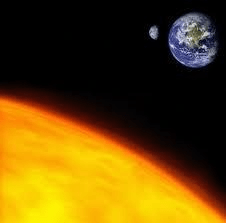
A Earth orbits the Moon
B Sun orbits the Earth
C Moon orbits the Sun
D Earth orbits the Sun
D Earth orbits the Sun
200
A animal that does well during a drought or flood is known to ____?
Thrive
300
What is dormancy?
In a state of rest or inactivity for plants.
300

If minnows were removed, which population would most likely see an increase in population?
Algae
300
Based on the chart below, on which days of the week did students need to wear rain coats or carry umbrellas?

A Monday and Tuesday
B Tuesday and Thursday
C Wednesday and Thursday
D Wednesday and Friday
B Tuesday and Thursday
300
Which of the planets in our solar system can support life?
A Neptune
B Venus
C Mars
D Earth
D Earth
300
What would a family of deer do if a fire burned down their environment?
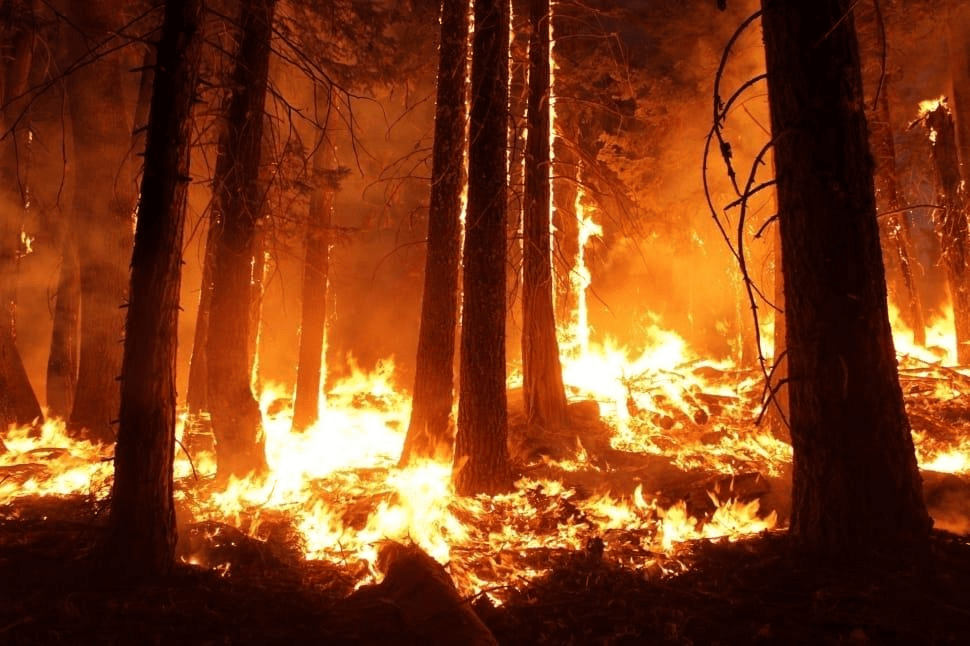
They would move to another area that had grass or perish.
400
An elephant will migrate to survive when it –
A. has water from streams to drink.
B. has the sun to warm itself.
C. has no grass and leaves to eat.
D. can sleep on the ground.
C. has no grass and leaves to eat.
400
If the sheepshead minnow population were removed, What would happen to the Herring gull population?

Will they perish or move.
400
The graph below shows the temperature for both Houston and Miami on January 26.
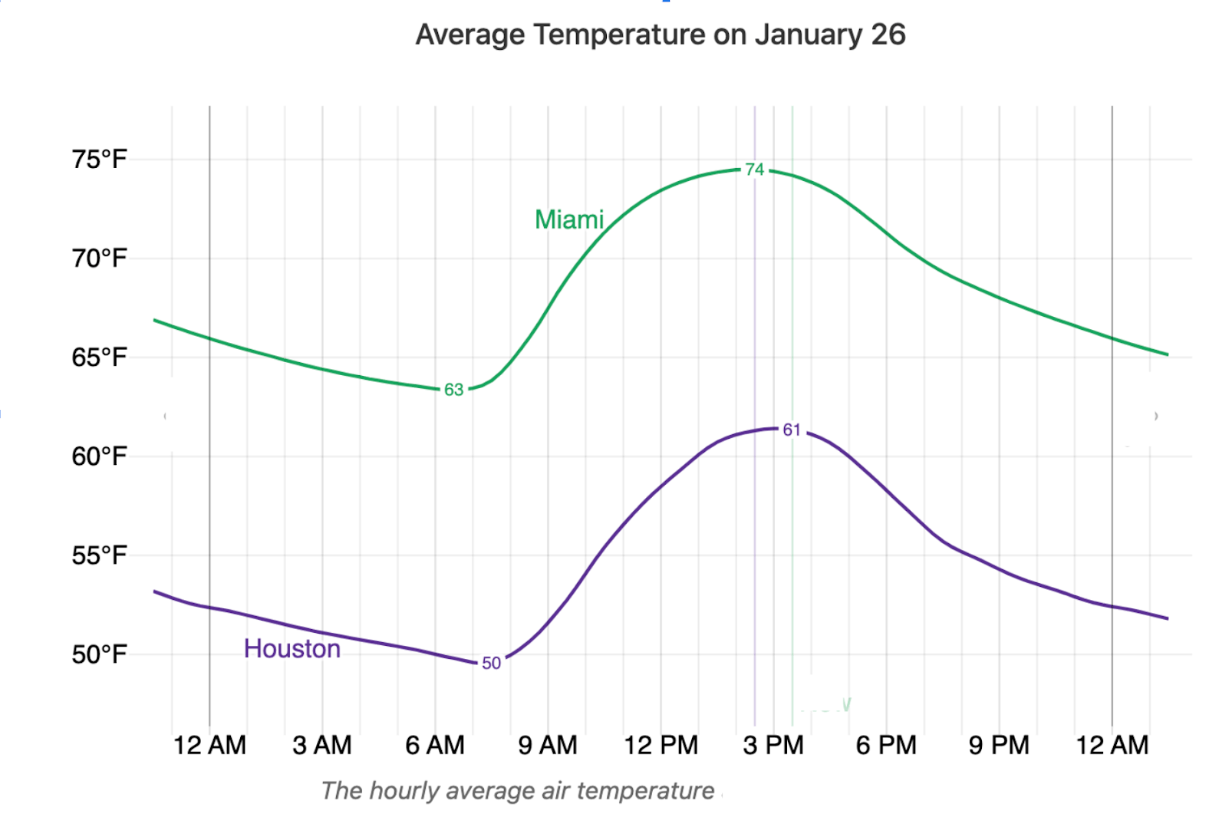
Based on the graph, which of the following conclusions could be made?
A Miami has cooler weather than Houston
B Miami and Houston have the same weather
C Miami has warmer weather than Houston
D Both Miami and Houston have a lot of precipitation
C Miami has warmer weather than Houston
400
Look at the diagram of our solar system.
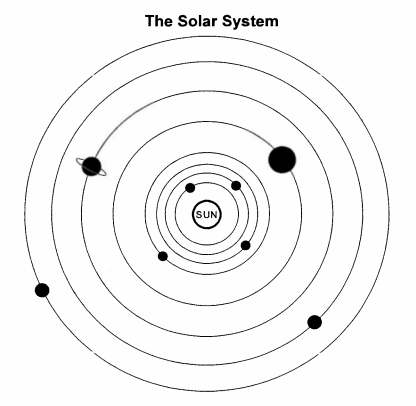
The Sun is at the center of our solar system. The eight planets of the solar system travel around the Sun. The three planets that are the farthest from the Sun are –
A Mars, Jupiter, and Saturn
B Jupiter, Saturn, and Uranus
C Saturn, Uranus, and Neptune
D Mercury, Venus, and Earth
C Saturn, Uranus, and Neptune
400
How would a flood harm some organisms?
A. there would be colder water than they are use to
B. it will change the weather temperature
C. it will remove all the predators from the area
D. it can cause drowning, disease, and habitat loss
D. it can cause drowning, disease, and habitat loss
500
Which of the following processes best describes why plants go dormant?
A. Normal sunlight.
B. Not enough soil.
C. Rain during the springtime.
D. Extreme cold weather in the winter.
D. Extreme cold weather in the winter.
500
What is one food chain found in the food web pictured? The food chain must have at least four organisms.
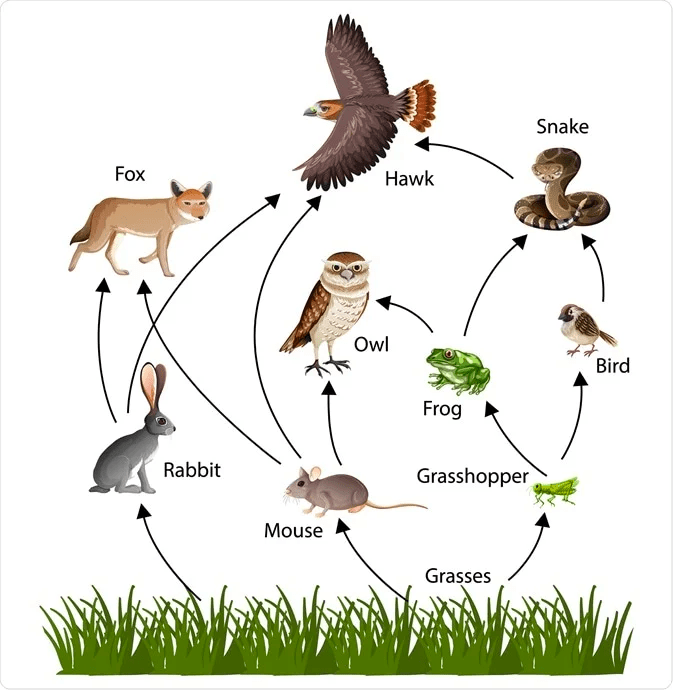
grass > grasshopper > frog > snake > hawk
or
grass > grasshopper > bird > snake > hawk
or
grass > grasshopper > frog > owl
500
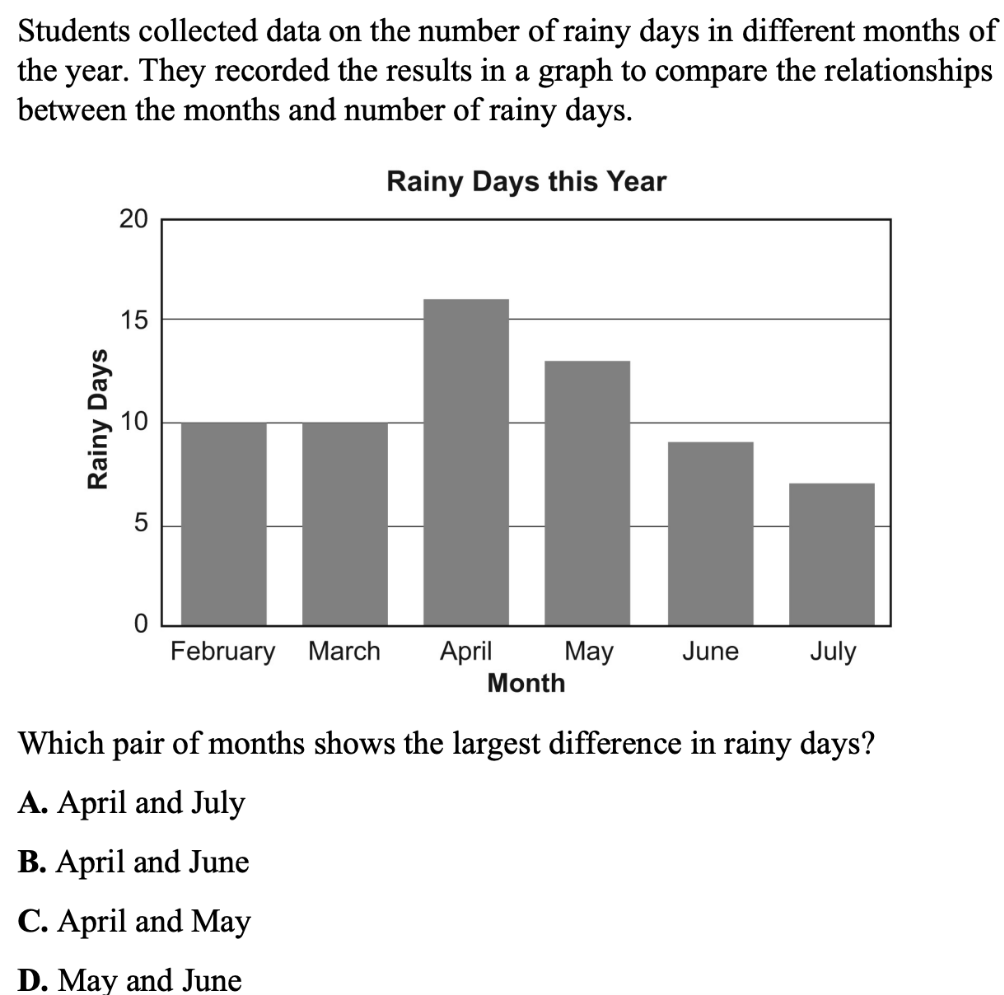
A. April and July
500
Which TWO planets are missing?
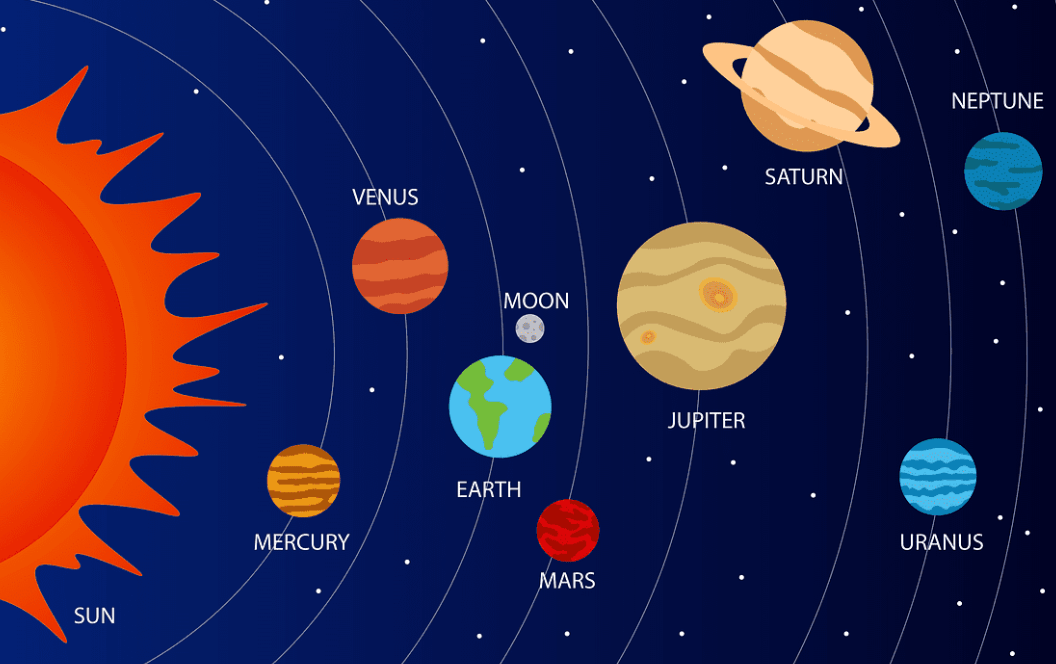
Venus and Jupiter
500
A grassland environment receives less rainfall each year. Over a long period of time, the soil changes, becoming drier and sandier. The types of organisms living in the environment change. Fewer grasses are growing and more types of plants that hold water begin to grow. What explains the decrease in grasses growing in this environment AND what evidence explains why new plants can thrive in this environment?
The types of plants living in the environment changed because the conditions of the environment changed. Plants needing a lot of water could not survive in the environment.
Plants, such as cacti, that can hold more water are able to thrive because they can store water for times with less water, and being able to hold more water is evidence for their thriving.