Ex. 13 (Fermentation & Anaerobic Respiration)
Ex. 14 (Extracellular Enzymes)
Ex. 15 (Antimicrobials)
Ex. 16 (Water Safety)
Ex. 17 (IMViC)
Ex. 19 (Dilutions & Plate Count)
100
This is a (positive/negative) test result for sugar fermentation.
Negative.
100
Is this a positive or negative starch hydrolysis test?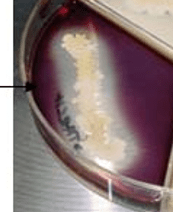
Positive.
100
Which disk (antimicrobial) is most effective at killing/inhibiting growth?
Bottom disk.
100
What sugar is in these tubes?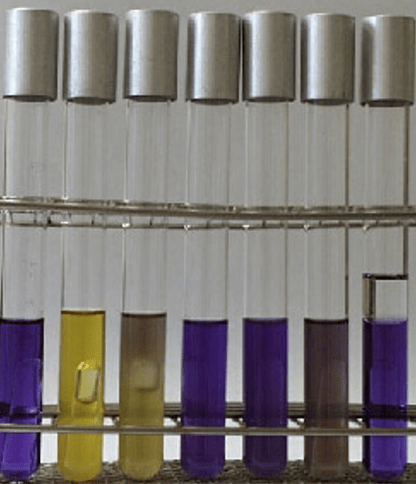
Lactose
100
What does the IMViC series test for?
Fecal/non-fecal coliforms
100
What is the countable range for CFU's on plates?
25-250
200
Which test is positive for nitrate reduction?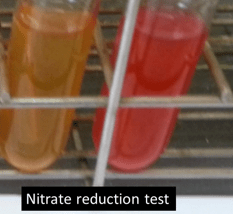
Right tube.
200
What reagent do you need to add in order to see the results for a starch hydrolysis test?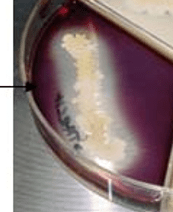
Iodine.
200
What is the clearing called?
zone of inhibition
200
How do you know if it is a positive result?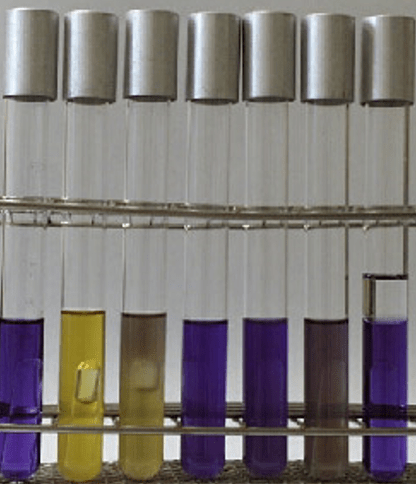
Liquid turns yellow.
200
What test is this?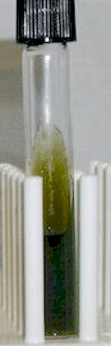
Citrate.
200
What does CFU stand for?
Colony-forming units
300
What's the little inverted tube inside the tube called, and what does it do?
Durham tube, detects gas production
300
What is the enzyme that you are trying to detect in a starch hydrolysis test?
amylase.
300
Between gram-positives and gram-negatives, which ones tend to be more resistant to antimicrobials?
Gram-negatives.
300
What process makes the liquid turn yellow?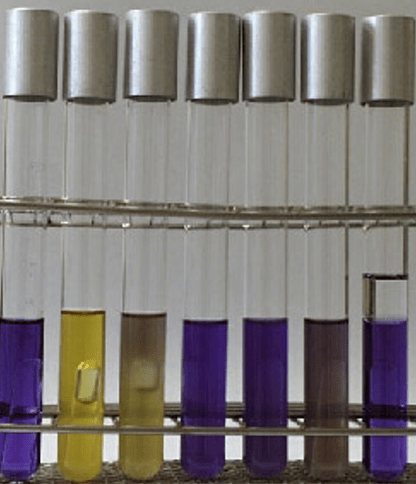
Fermentation.
300
Is this a positive or negative indole test?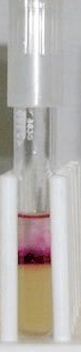
Positive.
300
If I transfer 8 mls of bacteria goo into 32 mls of saline, what kind of dilution did I just perform? (Expressed as a ratio, or ____ to ____ ratio)
1:5
400
Which is the least efficient metabolic process of ATP production?
Fermentation
400
What happens if you spit into a starch plate? (And then put iodine in)
A clearing/halo forms around the gooby spot.
400
What is the difference between bacteriocidal vs. bacteriostatic?
-cidal kills, -static halts growth
400
Are the organisms in the yellow tube guaranteed coliforms?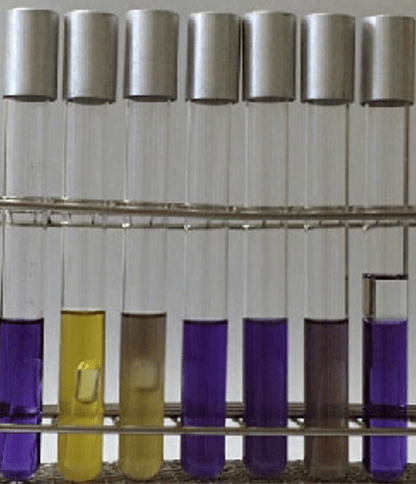
No.
400
K. aerogenes is a ________ coliform.
non-fecal
400
Calculate the CFU/ml of the original sample>
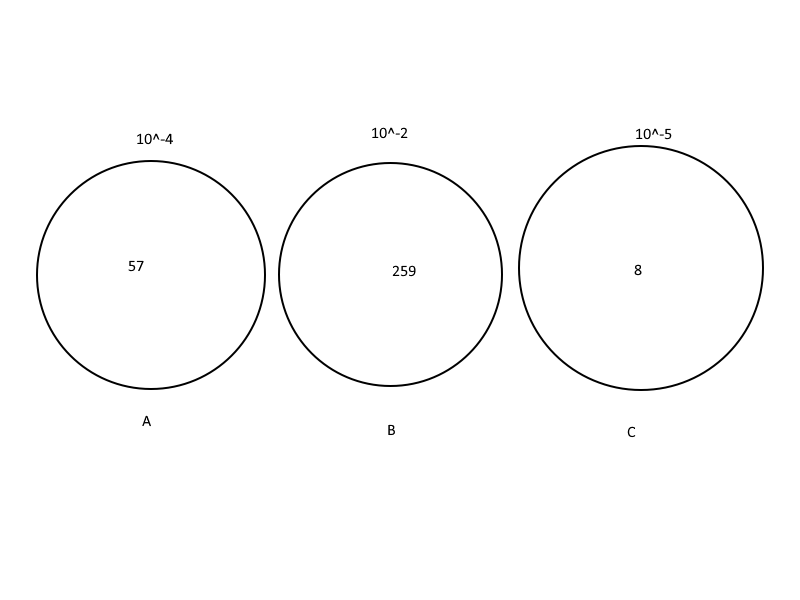
5.7 x 10^5 cfu/ml
500
What two reagents are added to the nitrate tubes to detect reduction?
sulfanilic acid and alpha-naphthylamine
500
TWO PART QUESTION: Is this a positive or negative casein hydrolysis test? What enzyme are you trying to detect?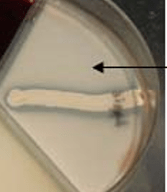
Positive; caseinase
500
What makes one of gram-positive/gram-negative more resistant to antimicrobials than the other?
Presence of outer membrane in gram ________.
500
Which organism is this?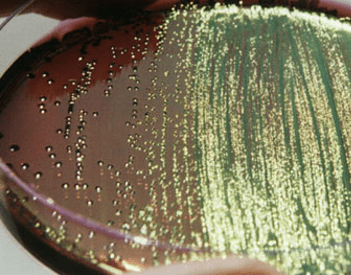
E. coli
500
What do these test results tell you?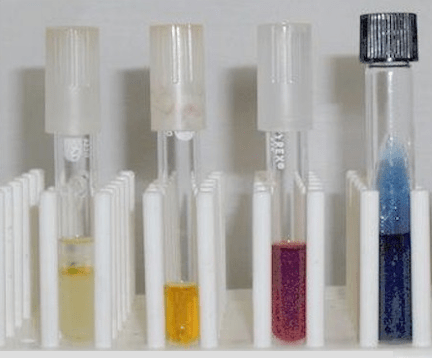
non-fecal coliform / K. aerogenes
500
What is the dilution in the plate?
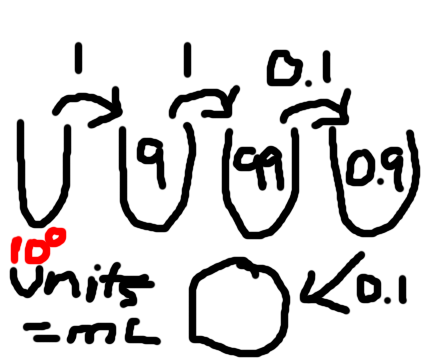
10^-5