Objects in our Solar System 7.9A
Characteristics of Life
7.9C
7.9C
Human impact
8.11b
8.11b
Natures Impact
8.11a
8.11a
Any
100
These are the solids—from tiny dust particles to small rocks—that blaze briefly as they enter Earth’s atmosphere after breaking off from comets.
What are meteors?
100
This planet is 78% nitrogen, and 21% oxygen...
What is Earth?
100
The burning of fossil fuels releases this greenhouse gas, which traps heat and contributes to climate change.
What is carbon dioxide CO
100
“These massive eruptions can cool Earth’s climate by sending ash and particles into the atmosphere that block sunlight.”
What is volcanic eruptions
100
“This process of cutting down large areas of trees reduces carbon dioxide absorption and contributes to climate change.”
What is deforestation
200
Identify two key objects in our solar system: one is the star whose gravity holds everything together, and the other is the giant planet known for its many moons and massive size
What are the Sun and Jupiter?
200
If a planets is located in the habitable zone aka 'goldilocks zone' what else is needed to sustain life?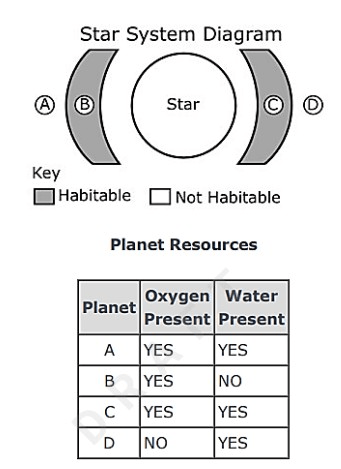
“What is an atmosphere, liquid water and oxygen?
200
This activity, where trees are cut down in large numbers, reduces the amount of CO₂ that can be absorbed from the air.
What is deforestation?
200
“This natural ocean pattern can warm Pacific waters and shift weather patterns around the world.”
What is El Nino
200
“This gas is released by livestock and landfills and is even more effective than carbon dioxide at trapping heat.”
What is methane
300
This dynamic system sees Earth revolving around the Sun while rotating on its axis, with the Moon orbiting Earth in a predictable celestial dance.
What is the Earth–Moon–Sun system?
300
This blue planet’s ideal distance from the Sun, protective atmosphere, and liquid water make it uniquely suited for life.
What is Earth?
300
This alternative energy source uses wind turbines to generate electricity without releasing CO₂
What is wind energy
300
“This natural process involves energy from the Sun and is the main source of Earth’s climate system.”
“What is solar radiation?”
300
“These energy sources, like wind and solar, help reduce human impact on climate because they don’t release greenhouse gases.”
“What are renewable energy sources?”
400
This dazzling rock steals the spotlight for just a few seconds as it streaks through our night sky, burning up in a brilliant blaze before disappearing forever.
What is a meteor?
400
If planets had a weightlifting competition, this gas giant would take home the gold medal for having the strongest gravitational pull.
What is Jupiter?
400
The process by which cities and roads replace forests and grasslands, causing an increase in local temperatures, is known as this.
What is urbanization (or the urban heat island effect)
400
“These large moving streams of water help distribute heat around Earth and influence climate.”
What is Ocean Currents
400
“This layer of gases surrounding Earth traps heat and makes life possible.”
“What is the atmosphere?”
500
In this cosmic dance, our home spins on its axis while orbiting a blazing star, all while its loyal satellite twirls around it. Who are these stellar performers?
What are the Earth, the Sun, and the Moon?
500
This former planet got ‘kicked out’ of the planetary club in 2006 because it couldn’t keep its neighborhood clean—astronomically speaking!
What is Pluto?
500
This human activity increases carbon dioxide levels by burning fuels like coal, oil, and natural gas.”
“What is burning fossil fuels?”
500
“This type of natural event can temporarily cool Earth’s surface by increasing cloud cover and reflecting sunlight.”
“What are large volcanic ash clouds (or volcanic eruptions)?”
500
“This type of pollution from factories and vehicles adds greenhouse gases to the atmosphere.”
What is air pollution