Energy Conversions Concepts
Vision and Light Concepts
Earth Features
Vocabulary EC
Vocabulary VAL
Vocabulary EF
100
Which of the following are forms of energy that can be outputs of electrical devices? Choose all the correct answers
a. kinetic energy
b. sound energy
c. motion energy
d. potential energy
e. light energy
f. thermal energy
B, C, E, F,: Light, motion, sound, and thermal energy are all forms of energy.
100
This transfers electrical energy from place to place...
a. light
b. wires
c. heat
d. sound
B. Wires
100
A _____ forms when an organism dies and is covered with _____ that turns into rock.
a. rock, fossils
b. plant, sediment
c. sediment, fossil
d. fossil, sediment
D. A fossil forms when an organism dies and is covered with sediment that turns into rock.
100
a person who uses science knowledge to design something in order to solve a problem
a. geologist
b. biologist
c. astronaut
d. engineer
D. Engineer
100
to stay alive
a. environment
b. observe
c. sense
d. survive
D. survive
100
information that supports an answer to a question
a. explanation
b. prey
c. sensistivity
d. evidence
D. evidence
200
Can a device function properly if it needs more energy from a system than is put into the system?
Yes or no
No. Devices will not have energy to function if they need more energy from the system than is put into the system.
200
This needs to get to an object for an animal to see the object
a. sound
b. heat
c. energy
d. light
D. Light
200
A _____ rock layer forms when sediment _____ and builds up in _____, compacts under more sediment, and _____ over time.
a. cement, water, sedimentary, sinks
b. sedimentary, cements, sinks, water
c. sedimentary, sinks, water, cements
d. water, sinks, sedimentary, cements
C. A sedimentary rock layer forms when sediment sinks and builds up in water, compacts under more sediment, and cements over time
200
a machine that converts electrical energy into another form of energy
a. system
b. electrical device
c. energy form
d. synthesize
B. electrical device
200
an attempt to find out about something
a. investigate
b. function
c. observe
d. sense
A. investigate
200
something you figure out based on observations and what you already know
a. inference
b. evidence
c. argument
d. observation
A. inference
300
Energy can change from one form to another form. What is something that energy can chance form through?
a. the sun
b. renewable resources
c. an electrical device
d. fossil fuels
C. an electrical device.
300
light needs to _____ off an object and get to the _____ for an animal to see the object.
a. invert, eye
b. reflect, eye
c. reflect, object
d. shine, object
B. Light needs to reflect off an object and get to the eye for an animal to see the object.
300
True or False?
Different sediments build up in different environments. Therefore, different kinds of sedimentary rock form in different environments.
True
300
the ability to make things move or change
a. electrical device
b. function
c. energy
d. engineer
C. energy
300
the way something is shaped or what it is made out of that makes it good for a specific function
a. function
b. sense
c. structure
d. environment
C. structure
300
to press together
a. cement
b. compact
c. ferment
d. implement
B. compact
400
Energy never just appears. It comes from a ______.
a. wire
b. transformer
c. wire
d. source
D. source
400
Light _____ in the eye respond to light and send information to the _____. The ____ processes this information and forms an _______.
a. receptors, brain, brain, image
b. image, receptor, brain, brain
c. bulbs, eye, brain, image
d. images, brain, receptors, brain
A. Light receptors in the eye respond to light and send information to the brain. The brain processes this information and forms an image.
400
True or False?
Different sedimentary rock layers in a place mean that the environment in that place has produced different types of rocks from the same environment.
False
Different sedimentary rock layers in a place mean that the environment in that place has changed.
400
to put together multiple pieces of information in order to understand something
a. synthesize
b. argument
c. evidence
d. engineer
A. synthesize
400
what something can do
a. sense
b. function
c. vision
d. structure
B. function
400
to stick together in the process of forming rock
a. compact
b. ferment
c. cement
d. dictate
C. cement
500
_____ can transfer electrical energy from place to place.
a. wires
b. transformers
c. electricity
d. converters
A. Wires
500
Different animals can have light receptors with different ______.
a. abilities
b. capacities
c. sensitivities
d. volumes
C. sensitivities
500
True or False
New rock layers form under existing rock layers. Therefore, lower rock layers are younger than the layers above them
False
New rock layers form on top of existing rock layers. Therefore, lower rock layers are older than the layers above them
500
a group of parts that work together
a. electrical device
b. function
c. system
d. energy
C. system
500
an animal that is hunted and eaten by other animals
a. predator
b. prey
c. process
d. receptor
B. prey
500
a clue about life from the past that is preserved in rock
a. rock layer
b. sediment
c. sedimentary rock
d. fossil
D. fossil
600
True or False. Energy never just appears
True
Energy never just appears
600
If there is too much or too little light for the type of receptors an animal has, this happens.
a. the brain cannot form a clear image
b. the brain does form a clear image
c. the animal runs away
d. the animal eats the prey
A. The brain cannot form a clear image
600
True or False
Rock can be broken down and eroded by things in the environment, such as wind, water, plants, and ice.
True
Rock can be broken down and eroded by things in the environment, such as wind, water, plants, and ice.
600
to change from one form to another
a. design
b. convert
c. criteria
d. source
B. convert
600
to use any of the five senses to gather information about something
a. observe
b. investigate
c. sense
d. vision
A. observe
600
small pieces of rock, such as silt or sand
a. sediment
b. rock layer
c. stable
d. environment
A. sediment
700
Where does energy come from?
a. static
b. a source
c. it just appears
d. it is created
B. Energy comes from a source
700
Animals have different _____ that allow them to get information from their environment, which helps them survive.
a. ideas
b. colonies
c. structures
d. sizes
C. structures
700
What factors affect how much rock water erodes?
a. temperature & type of water
b. speed & amount of time it flows
c. location & water color
B. The speed of water and amount of time it flows
700
to move something from one place to another
a. electrical grid
b. claim
c. criteria
d. transfer
D. transfer
700
the ability to see
a. sense
b. vision
c. observe
d. function
B. vision
700
staying mostly the same
a. sediment
b. stable
c. fossil
d. cement
B. stable
800
Which is an example of a function?
a. a light bulb
b. wires
c. a fan spinning
d. a solar panel
C. a fan spinning
800
How does an animal know when it is in danger?
a. The animal's eyes recognize the shape of a predator
b. The animal's ears and nose remember what a predator sounds and smells like
c. The animal's brain combines visual, scent, and sound information into a complete image
d. The animal's brain compares memories to information from the environment
D. The animal's brain compares memories to information from the environment
800
What can you infer from this image of a rocky outcrop in Colorado?
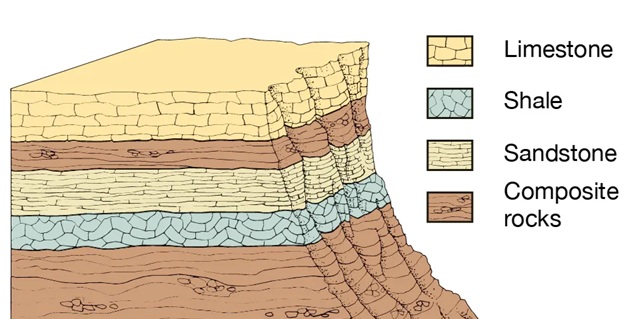
a. I can infer that the environment in this area has changed
b. I can infer that this area is currently a dry desert
c. I can infer that a volcano erupted here in the past
d. I can infer that an earthquake occurred here in the past
A. I can infer that the environment in this area has changed
800
wires that transfer electrical energy from many sources to many other places
a. electrical grid
b. converter
c. source
d. transfer
A. electrical grid
800
to get information from the environment
a. function
b. observe
c. sense
d. investigation
C. sense
800
to use any of the five senses to gather information about something
a. sense
b. vision
c. observe
d. investigate
C. observe
900
Which types of energy can you SEE evidence of in the photo? Select all that apply.

a. light energy
b. sound energy
c. motion energy
d. heat energy
e. electrical energy
a. light energy
b. motion energy
e. electrical energy
900
How must light travel for an object to be visible?
a. light must travel around the object
b. light must reflect off the object
c. light must travel next to the object
d. light must go through the object
B. light must reflect off the object
900
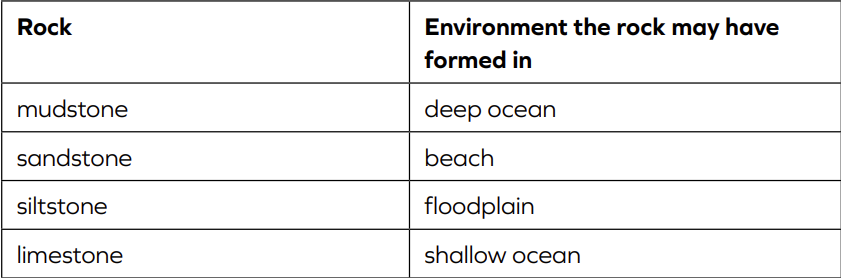
If a scientist is observing a rock layer made of siltstone that contains fossils of ferns, the environment was most likely a __________.
a. shallow ocean
b. beach
c. floodplain
d. deep ocean
C. floodplain
900
to try to make something new that solves a problem
a. source
b. convert
c. criteria
d. design
D. design
900
all the living and nonliving things in an area
a. structure
b. function
c. survive
d. environment
D. environment
900
a scientist who studies the processes and materials that form the solid part of earth
a. biologist
b. paleontologist
c. archaeologist
d. geologist
D. geologist
1000
If a lamp with a regular light bulb has an electrical input, what is the output?
a. light only
b. heat only
c. light and heat
d. light and sound
C. light and heat
1000
How do sunglasses affect the path of light?
a. sunglasses allow less light to enter the eyes
b. sunglasses reflect all light away from the eyes
c. sunglasses cause light to reflect off the eyes
d. sunglasses block all light from entering the eyes
A. sunglasses allow less light to enter the eyes
1000
Which rock layer in a rocky outcrop is the oldest?
The bottom layer
1000
the type of energy that is transferred through wires
a. function
b. electrical energy
c. synthesize
d. energy
B. electrical energy
1000
an animal that hunts and eats other animals
a. variable
b. prey
c. model
d. predator
D. predator
1000
a type of rock formed from sediment that compacts and cements over time
a. environment
b. rock layer
c. sedimentary rock
d. stable
C. sedimentary rock