Vision
Plants
Animals
Sensory
Potpourri
100
Which sense do animals use to detect light and see objects?
a. Sight
b. Touch
c. Taste
d. Smell
a. Sight

100
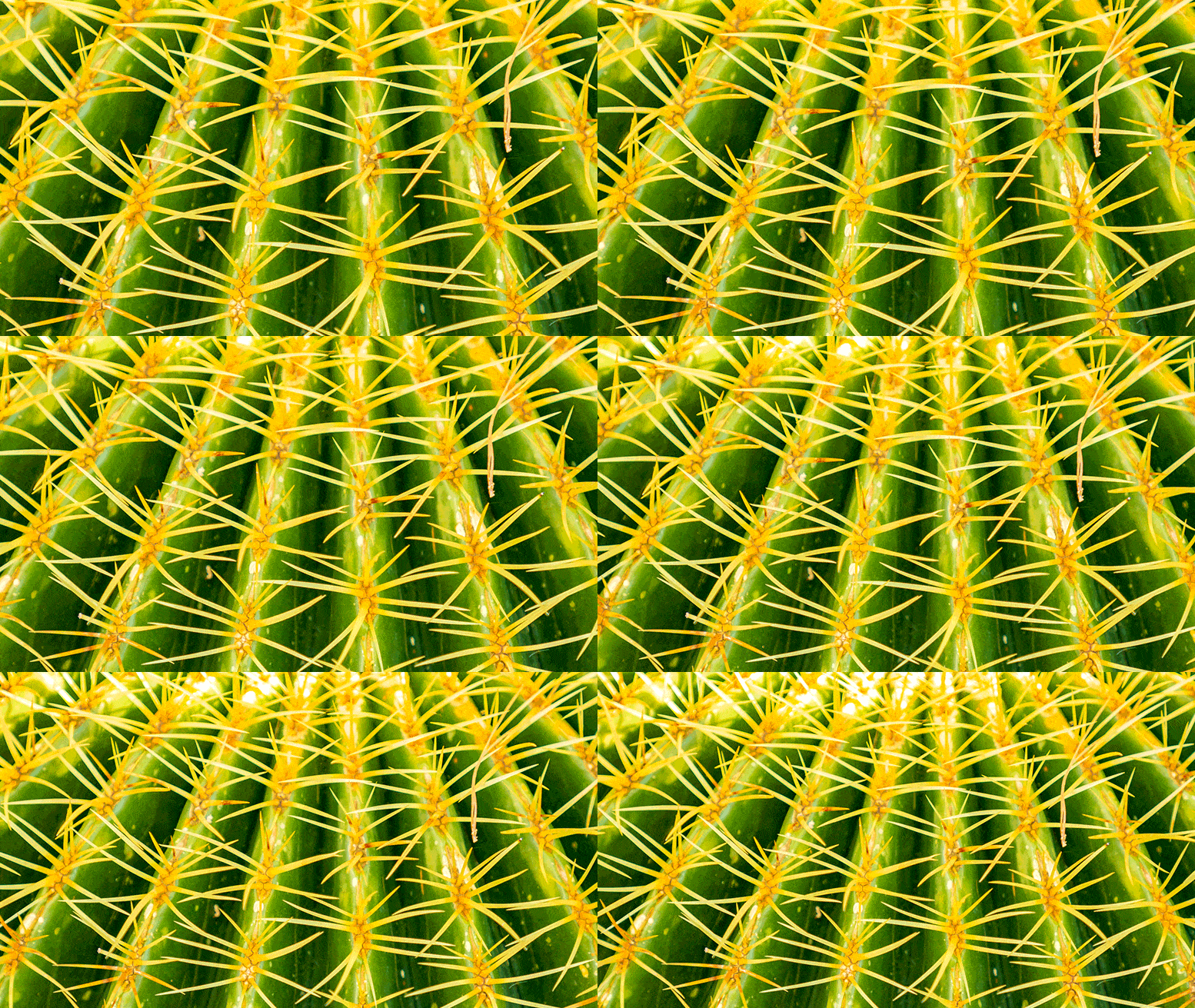
How do plants benefit from having thorns or spikes on their stems?
a. To help them climb
b. To scare away predators
c. To help with photosynthesis
d. To protect themselves from animals
d. To protect themselves from animals
100
How do animals gather information about the world around them?
a. By tasting everything
b. By touching and feeling
c. By using their sense receptors
d. By sleeping all day
c. By using their sense receptors

100
Which sense receptor is used to sense smells?
a. Eyes
b. Ears
c. Skin
d. Nose
d. Nose

100
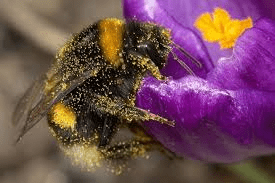
What role do bees often play in the life cycle of a flower?
a. Watering the plant
b. Spreading pollen for reproduction
c. Protecting the plant from insects
d. Providing shade to the plant
b. Spreading pollen for reproduction
200
How do animals' eyes help them stay safe from danger?
a. By making loud noises
b. By providing camouflage
c. By alerting them to threats
d. By producing heat
c. By alerting them to threats
200
What is the purpose of petals on a flower?
a. Release oxygen
b. Protect the flower's seeds
c. Help with pollination by attracting insects
d. Carry nutrients to the plant
c. Help with pollination by attracting insects

200
What sense receptor helps animals sense temperature?
a. Ears
b. Skin
c. Nose
d. Tongue
b. Skin

200
What part of the body helps animals hear sounds?
a. Eyes
b. Ears
c. Skin
d. Mouth
b. Ears

200
How do plants attract insects for pollination?
a. By making loud noises
b. By releasing a strong scent or having bright colors
c. By hiding underground
d. By walking around
b. By releasing a strong scent or having bright colors

300
What is the primary function of pupils in an animal's eyes?
a. Changing shape
b. Protecting from dirt
c. Allowing light to enter
d. Holding tears
c. Allowing light to enter

300
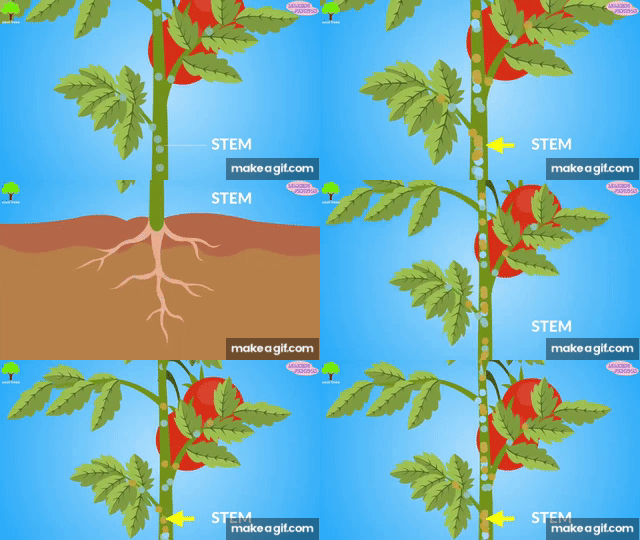
What is the function of a plant's stem?
a. Anchor the plant in the ground
b. Store food
c. Help the plant stand up and transport water/nutrients
d. Attract pollinators
c. Help the plant stand up and transport water/nutrients
300
Which of the following is NOT a way animals use sensory information?
a. To gather information about the world
b. To guide their actions
c. To forget everything
d. To sense danger
c. To forget everything
300
Which part of the body contains the sense receptors that gather information?
a. Brain
b. Heart
c. Skin
d. Stomach
c. Skin
300
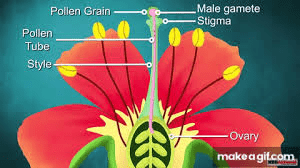
This structure holds up the stigma.
a. style
b. petal
c. filament
d. anther
a. style
400
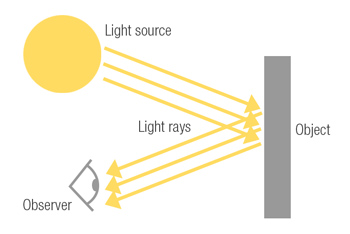
What is most necessary for sight?
a. eyes
b. light
c. an object
d. all of the above
d. all of the above
400
Which structure helps the plant with the process of photosynthesis?
a. Roots
b. Leaves
c. Stem
d. Flowers
b. Leaves

400
How are sense receptors specialized?
a. all receptors gather all information
b. all animals have the same receptors
c. specific receptors for specific information
d. For emotions only
c. specific receptors for specific information
400
Which sense receptor helps animals see things?
a. Skin
b. Ears
c. Nose
d. Eyes
d. Eyes

400
This structure holds up the anther.
a. stigma
b. ovary
c. pollen
d. filament
d. filament
500
Please describe the process of how animals see.
Light, object, eyes, brain, memory

500
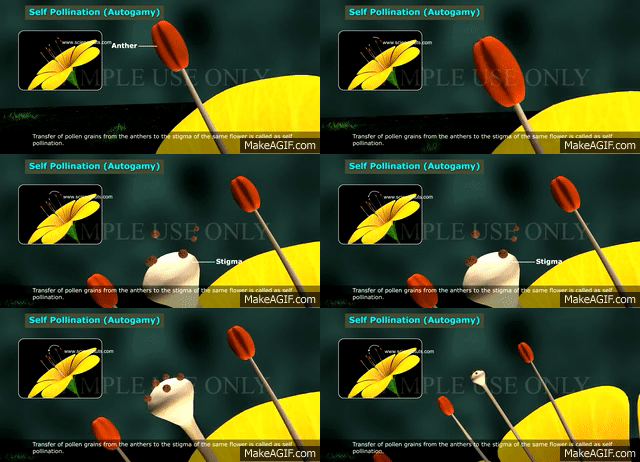
What plant structure produces pollen?
a. ovary
b. sepal
c. anther
d. stigma
c. anther
500
List your favorite sensory pathway:
Ex - sense (smell)
sensory receptor (nose)
info collector (brain)
memory
Answers will vary
500
Where is the information processed after being gathered by the sense receptors?
a. Eyes
b. Nose
c. Ears
d. Brain
d. Brain

500
Provide an example of how an animal can help with pollination.
Answers may vary.
