Waste Management Methods
Sources & Types of Pollution
Treatment & Disposal Technologies
Impacts on Ecosystems & Humans
Waste Reduction & Policy/Zero-Waste Strategies
100
This method of waste disposal is most likely to produce air pollution due to combustion of materials
What is incinerating?
100
This natural event is an example of a natural source of air pollution that releases many toxic gases.
What are erupting volcanoes?
100
Wastewater treatment plants commonly receive this kind of waste from a paper mill. (One-word answer.)
What is liquid waste?
100
The accumulation of mercury in fish that then concentrates in predators is an example of this ecological process.
What is bioaccumulation?
100
Using a reusable grocery bag each time you shop addresses waste reduction by emphasizing this R (one of the R’s of waste hierarchy).
What is reuse?
200
The process that biologically breaks down organic waste into stable soil-like material is commonly used in backyard systems and municipal programs.
What is composting?
200
A farm that discharges a specific effluent into a stream is an example of this kind of water-pollution source (point or nonpoint?).
What is a point source?
200
his industrial facility is most likely to produce sludge and wastewater polluted with hydrocarbons.
What is an oil refinery?
200
Acid deposition is most likely to cause the forest damage shown in a photograph; name one mechanism by which acid deposition harms trees.
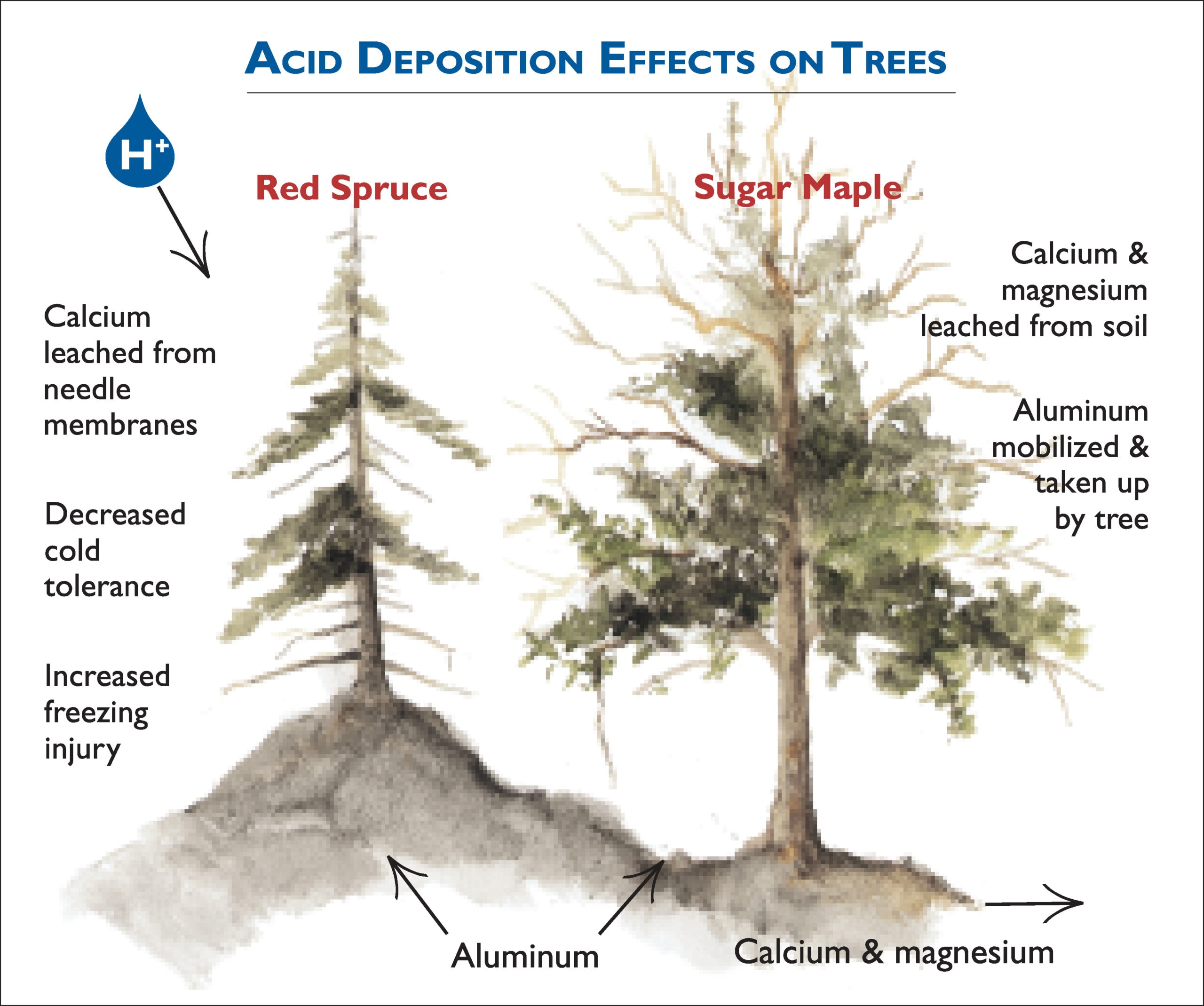
What is acid deposition causing soil nutrient loss and direct foliar damage?
200
A city aiming for zero waste that remixes discarded paint for residents is practicing which waste-diversion strategy?
What is resource recovery (or reuse/remixing)?
300
- This type of landfill component prevents leachate from seeping into groundwater and distinguishes sanitary landfills from open dumps
What is a liner?
300
When small particles of uranium are added to water, the pollution type is called this
What is radiological pollution?
300
Which common waste-management method for municipal solids reduces volume via high-temperature oxidation?
What is incineration?
300
How can noise pollution negatively affect wildlife behavior and survival?
What is, it prevents animals from catching prey or escaping predators by masking cues and disrupting communication?
300
List three specific actions a municipality could adopt to move toward zero-waste goals (each action named).
What are (examples) expand curbside recycling; develop municipal composting; implement extended producer responsibility (EPR) for products?
400
Name the category of waste composed of discarded electronic devices like CRT monitors and computer towers.
What is e-waste?
400
Ozone at ground level is considered this kind of pollutant because it forms from reactions involving other pollutants.
What is a secondary pollutant?
400
Describe one primary reason incineration can still pose environmental problems despite reducing solid-waste volume.
What is that combustion can create toxic air emissions (e.g., dioxins, particulates) and require pollution-control technology?
400
Explain how recycling electronics can reduce the need for this environmentally damaging activity.
What is, Recycling electronics reduces the need for environmentally damaging mining by acting as an "urban mine," allowing valuable materials like gold, copper, silver, and rare earth metals to be recovered and reused instead of being extracted from the earth.
400
Provide a brief cost–benefit rationale that city officials might use to evaluate building a large new incinerator versus expanding recycling and composting programs.
What is: Incinerator expansion may reduce landfill volume but has high capital cost, air-pollution risks, and operating costs; recycling/composting have lower emissions and create jobs but require sustained behavioral participation and markets for materials—officials weigh emissions, costs, public health, and long-term sustainability?
500
Explain why radioactive waste is typically placed in this type of long-term disposal facility rather than in incinerators or open dumps.
What is underground disposal in engineered repositories (e.g., underground disposal units for radioactive waste)?
500
Identify the atmospheric process that makes air pollution a global problem by moving pollutants across regions.
What is wind (atmospheric transport)?
500
Name and briefly describe two engineered barriers or systems (other than liners) that sanitary landfills use to manage leachate (a liquid—often contaminated—that forms when water percolates through solid waste or soil, extracting soluble materials, heavy metals, and organic compounds and gas.
What is Leachate collection & gas capture systems
or
Area method & trench method
500
Evaluate—at a high-school/first-year-college level—how increasing human population affects the production of waste and the implications for ecosystem carrying capacity. (Short-answer explanation.)
What is: Human population growth increases total waste production per capita and overall; this raises pressure on finite resources, can push ecosystems past carrying capacity, causes greater pollution and habitat loss, and requires sustainable management to avoid biodiversity loss?
500
Design challenge: Propose a single scalable intervention (policy or technology) that reduces e-waste generation and describe two measurable indicators you would use to evaluate its success over five years.
What is: (Example intervention) Implement mandatory manufacturer take-back and standardized modular device design to facilitate repair and recycling; indicators: percentage of electronics returned under program annually, and reduction in metric tons of e-waste sent to landfills/incinerators?