Earth's Processes
Water and Weather
Earth's Cycles
Matter and Mixtures
Experiments
Energy
100
¿Cuál de las fuerzas (agentes) de la Tierra es responsable de la creación de la forma del relieve que se muestra a continuación? (¿Valle en forma de V?)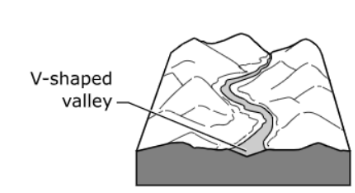
Which of Earth's forces (agent) is responsible for creating the landform below? (V-shaped valley?
Agua en movimiento (ríos de corriente rápida)
Moving water (fast moving rivers)
100
¿Por qué el Sol forma parte del ciclo del agua?
Why is the Sun apart of the water cycle?
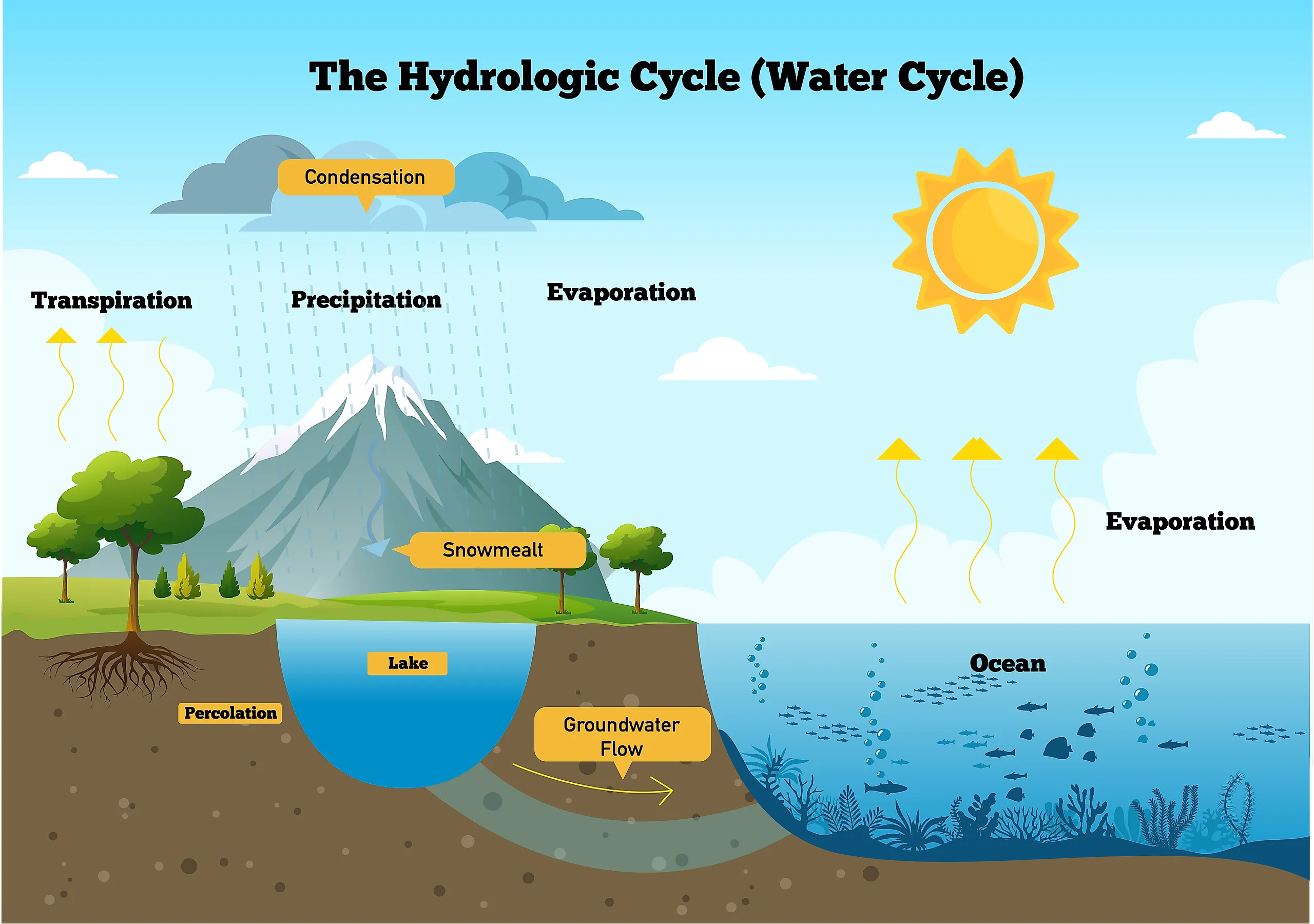
El Sol inicia (impulsa) el ciclo del agua al evaporar el agua.
The Sun starts (powers) the water cycle by evaporating the water
100
¿Qué flecha muestra el movimiento de la Tierra que causa el día y la noche?
Which arrow shows the movement on Earth that causes Day and Night?
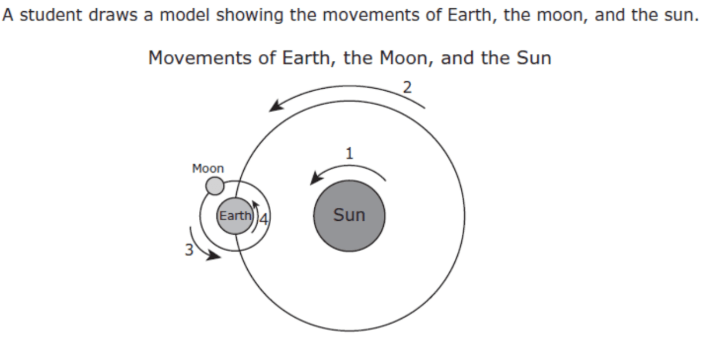
4-rotación/rotation
100
Se te proporcionan dos sustancias similares. Una es azúcar en polvo y la otra es tiza en polvo. ¿Cómo puedes utilizar las propiedades físicas de estas sustancias para determinar cuál es cuál?
You are given two similar substances. One is powdered sugar and the other is powdered chalk. How can you use the substances physical properties to determine which is which?
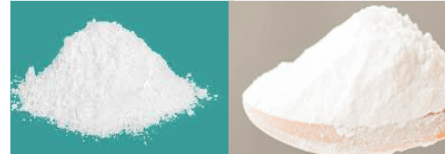
Solubilidad: el azúcar se disolverá, la tiza no se disolverá.
Solubility: sugar will dissolve, chalk will not dissolve
100
¿Cuál es la variable independiente en un experimento?
Whats the independent variable in an experiment?
¿Qué es diferente, qué se ha probado, qué se ha comparado?
What's different, tested, compared
100
Un estudiante usa una linterna a pilas en su casa cuando se corta la luz. ¿Cómo se transforma la energía entre la pila y la bombilla de la linterna? Pista: _______ a _______ a _______
A student uses a battery powered flashlight in his home when the power goes out. How is energy being transformed between the battery and the bulb of the flashlight? Hint: _______ to _______ to _______
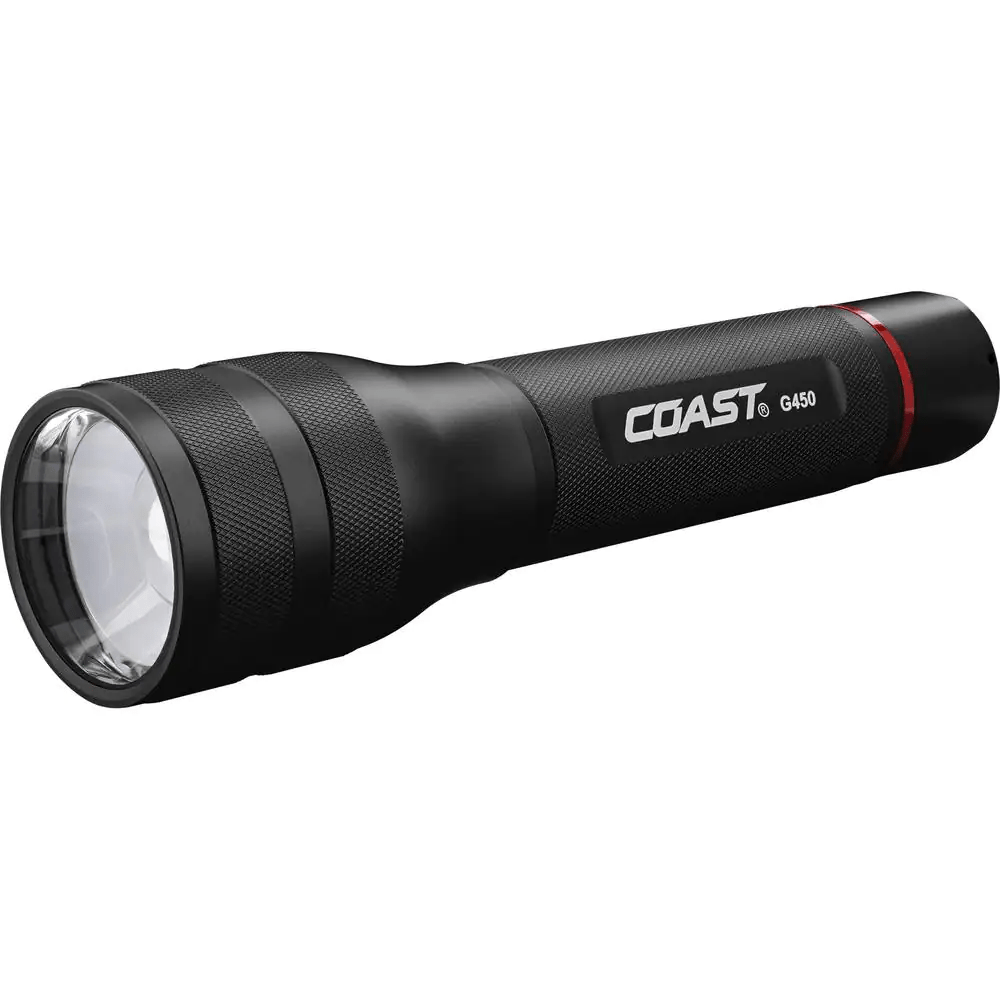
De energía química a energía eléctrica a luz.
Chemical to electrical to light
200
¿Qué les ocurrió a las plantas y animales muertos?What happened to the dead plants and animals?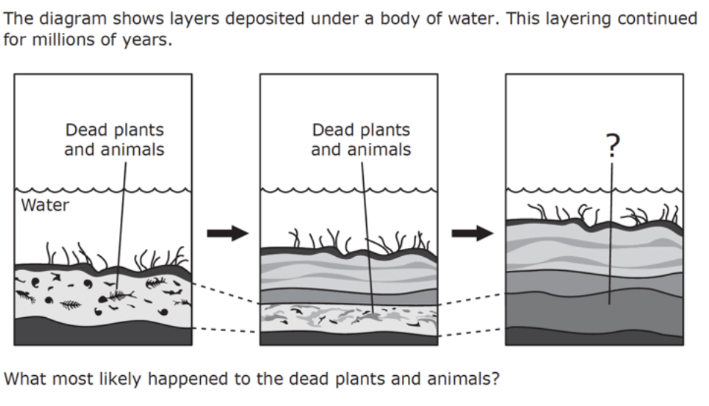
Los combustibles fósiles (carbón, petróleo, gas natural) se formaron a partir del calor y la presión de las capas terrestres.
Became fossil fuels (coal, oil, natural gas) from the heat and pressure of the layers
200
Nombra los tipos de precipitación.
Name the types of precipitation
Lluvia, nieve, aguanieve, granizo
Rain, Snow, Sleet, Hail
200
¿Cuánto tiempo tarda la Tierra en completar su revolución?
How long does Earth's revolution take?
365 días (1 año)
365 days (1 year)
200
¿Menciona al menos DOS propiedades que los artículos tienen en común?
Name at least TWO properties the items have in common?
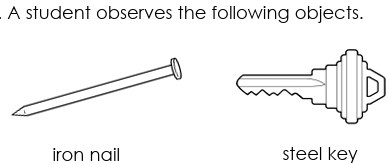
conductor eléctrico, magnético, más denso, metal
electrical conductor, magnetic, more dense, metal
200
Doug está remando para llegar a tierra. Describe lo que está sucediendo.
Doug is paddling to get to land. Describe what is happening
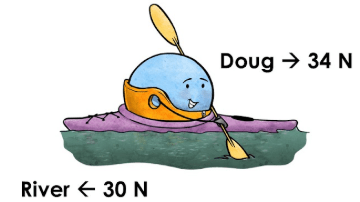
Doug está remando con más fuerza hacia adelante de lo que la corriente del río lo arrastra hacia atrás. Las fuerzas están desequilibradas; Doug se está acercando a la orilla.
Doug is paddling with more force forward than the river is flowing backward. Forces are unbalanced; Doug is moving closer to land
200
Marta tiene un molinillo de viento como el que se muestra a continuación. Mientras ayuda a su madre a preparar la cena, descubre que el vapor que se produce al hervir agua hace girar el molinillo. ¿Qué transformación de energía (de _____ a _____) está ocurriendo para que el molinillo gire?
Marta has a pinwheel like the one shown below. While helping her mom with dinner, she discovers that the steam produced when boiling water makes the pinwheel spin. Which energy transformation (_____ to _____) is happening to make the pinwheel move?
térmica a mecánica
thermal to mechanical
300
¿Qué fuerza (viento, agua, hielo) y qué proceso (meteorización, erosión, sedimentación) dieron forma a esta formación terrestre?
Which force (wind, water, ice) and process (weathering, erosion, deposition) formed this landform?
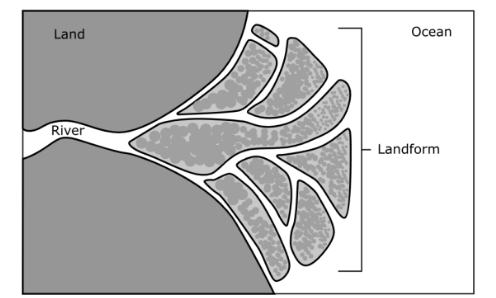
Deposición fluvial (sedimentación por el agua); el agua deposita los sedimentos cuando disminuye su velocidad.
Water (river) depostion; water dropping the sedments when it slows down
300
¿Qué afirmación describe el clima y por qué?
1. La presión atmosférica es hoy más alta que ayer.
2. La temperatura máxima promedio de esta semana es de 56 grados Fahrenheit.
3.La temperatura promedio anual ha aumentado gradualmente durante los últimos 50 años.
4. La tormenta de viento de ayer causó daños en los árboles.
Which statement describes Climate and WHY?
The air pressure is higher today than it was yesterday.
The average high temperature this week is 56 degree fahrenheit.
The annual average temperature has slowly increased over that last 50 years.
The wind storm yesterday damaged trees.
3: anual, promedio, 50 años
3: annual, average, 50 years
300
¿En qué lado de una casa en Texas debería colocarse una ventana para que las personas que viven dentro puedan ver la puesta de sol todos los días?
On which side of a house in Texas should a window be placed so that the people inside can watch the sunset every day?
Oeste/West
300
¿En qué mezcla(s) todos los ingredientes conservan sus propiedades físicas?
Which mixture(s) do all of the ingredients keep their physical properties?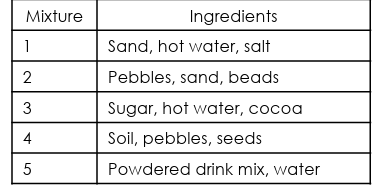
Mezcla 2 y 4; ninguna se disuelve.
Mixture 2 and 4; none dissolves
300
Un estudiante diseña un experimento para comprobar cómo el ancho de una banda elástica afecta su capacidad de estiramiento. El estudiante utiliza cuatro trozos de banda elástica de diferentes anchos (grosores). Se colocan bloques de diferentes masas en cada banda elástica, como se muestra en la imagen.
¿Qué se debería hacer para mejorar este experimento?
A student designs an experiment to test how the width of elastic affects the elastic's ability to stretch. The student uses 4 pieces of elastic with different widths (thickness). Blocks of different masses are attached to each elastic as pictured.
What should be done to improve this experiment?
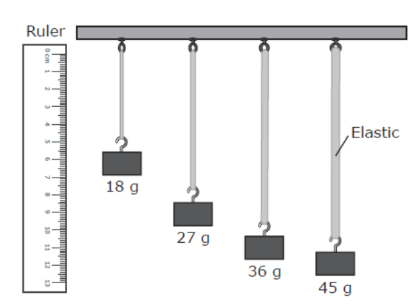
Utilice bloques de igual masa. La elasticidad ya es diferente, por lo que solo puede haber una variable independiente.
Use blocks of equal mass. Elastic width is already different, can only have 1 independent variable
300
Un estudiante crea el circuito que se muestra en la imagen. ¿Qué bombillas se encenderán?
A student creates the circuit shown. Which bulbs will produce light?
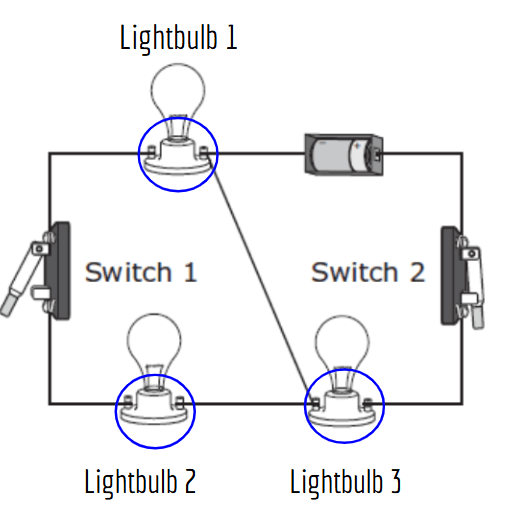
Solo la bombilla 3
Only lightbulb 3
400
¿Cuáles de las siguientes dos formaciones geológicas de Texas están correctamente asociadas con la fuerza que las creó?
1. Un cañón en el Parque Estatal Palo Duro Canyon fue formado por un río.
2. Una serie de cuevas formadas por sedimentación en el Parque Estatal Longhorn Cavern.
3. Un delta al final del río Guadalupe fue formado por el viento.
4. Una duna de arena en el Parque Estatal Monahans Sandhills fue formada por el viento.
5. Una formación rocosa con capas en la Isla Mustang fue formada por el hielo.
Which TWO Texas land formations are correctly paired with the force that created them?
1. A canyon at Palo Duro Canyon State Park was formed by a river.
2. A series of caves formed by deposition at Longhorn Cavern State Park.
3. A delta at the end of the Guadalupe River was formed by wind.
4. A sand dune at Monahans Sandhills State Park was formed by wind.
5. A rock formation with layers on Mustang Island was formed by ice.
1 and 4
Cañones creados por el agua
Dunas de arena creadas por el viento
Canyons created by water
Sand dunes created by wind
400
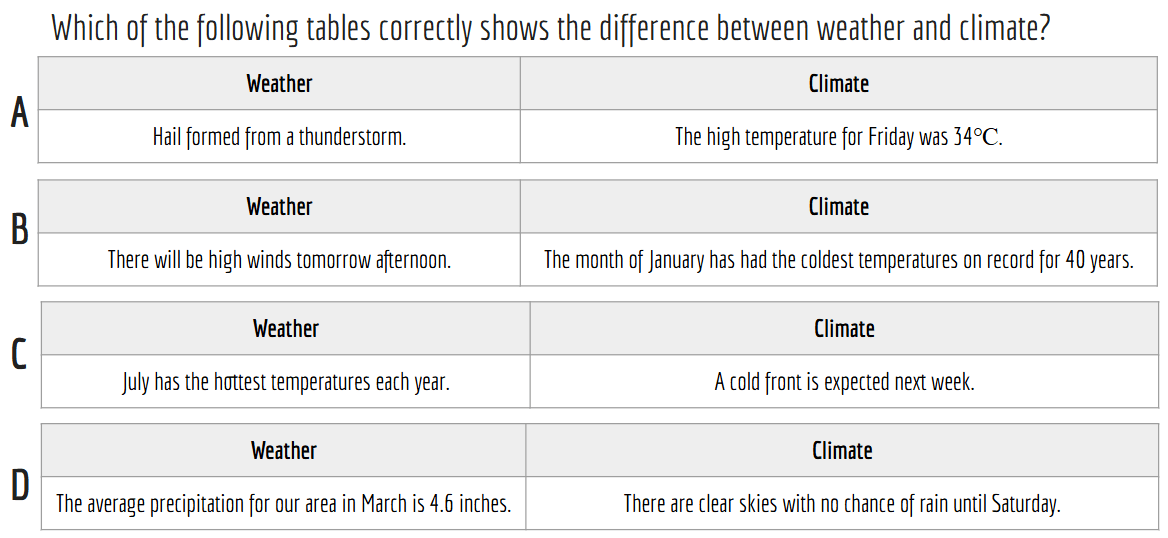
B
Pronóstico del tiempo para mañana
Clima: temperaturas más bajas en 40 años
B
weather-tomorrow
climate-coldest temperatures/40 years
400
¿Cuándo son las sombras más largas y por qué?
Pista: Hay dos momentos del día en los que esto ocurre.
When are shadows the longest and why?
Hint: 2 points of time during the day
El amanecer y el atardecer se producen cuando el sol está bajo en el cielo.
Sunrise and Sunset because the Sun is low in the sky
400
Cuatro estudiantes están conversando sobre un globo que ven flotando en el aire. ¿Qué estudiante tiene razón?
4 students are having a conversation about a balloon they see floating through the air. Which student is correct?
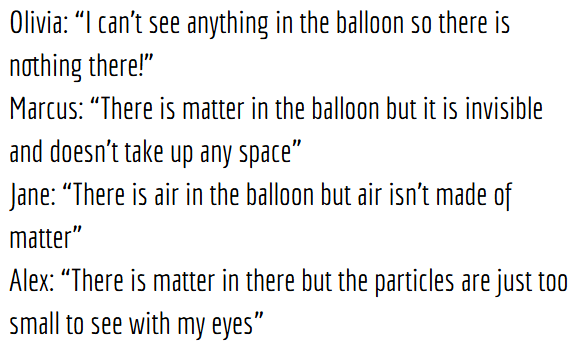
Alex
400
Nombra DOS tipos de fuerzas que se están produciendo en esta imagen.
Name TWO types of forces that are happening in this picture
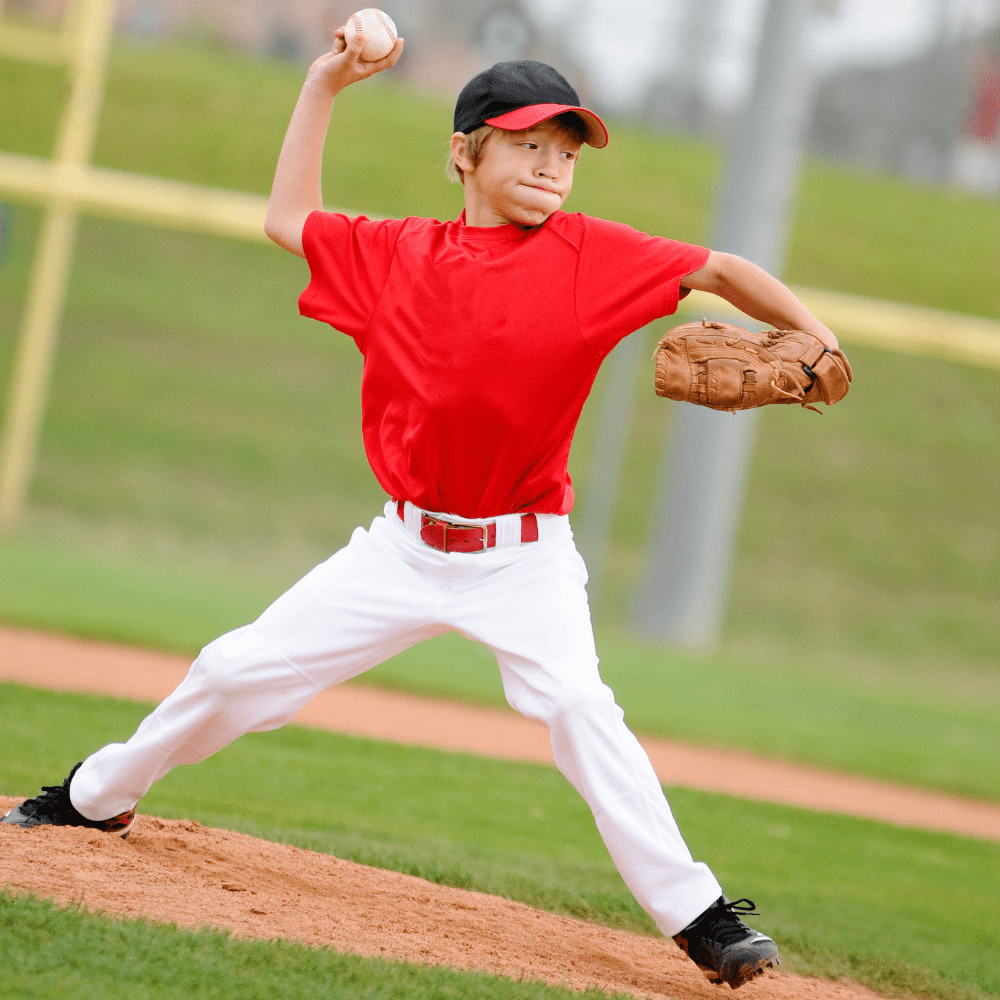
Fuerzas desequilibradas: se tira del brazo hacia atrás para impulsar la pelota al lanzarla, la fricción del aire la frena y la gravedad la atrae hacia el suelo.
unbalanced forces: pull arm back to push by throwing the ball, air friction slows it down and gravity will pull the ball down to the ground
400
¿Qué propiedades debe tener un objeto para que produzca un buen reflejo de la luz? (aparte de un espejo o un cristal) - Debe mencionar dos.
What are the properties of an object that will produce a good reflection of light? (other than a mirror or glass)-Must list 2
superficie lisa, brillante, metálica, del agua
smooth, shiny, metal, surface of water
500
¿Cuáles son los pasos (en orden) de la formación de rocas sedimentarias?
What are the steps (IN ORDER) of sedimentary rock formation?
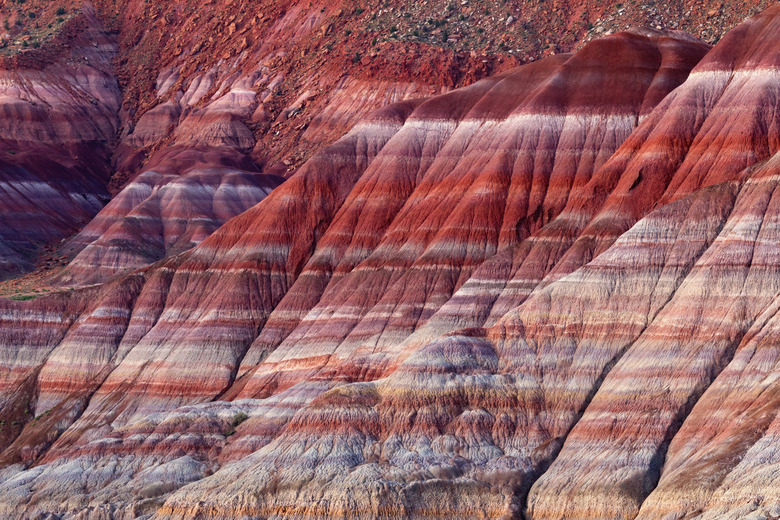
meteorización, erosión, sedimentación, compactación y cementación
o
romper, mover, depositar, presión, unir
weathering, erosion, deposition, compaction and cementation
or
break, move, drop, pressure, glue
500
Estudia el modelo del ciclo del agua. ¿Qué parte del modelo representa:
El Sol? ¿La condensación? ¿La precipitación?
Study the model of the water cycle. What part of the model represents:
The Sun? Condensation? Precipitation?
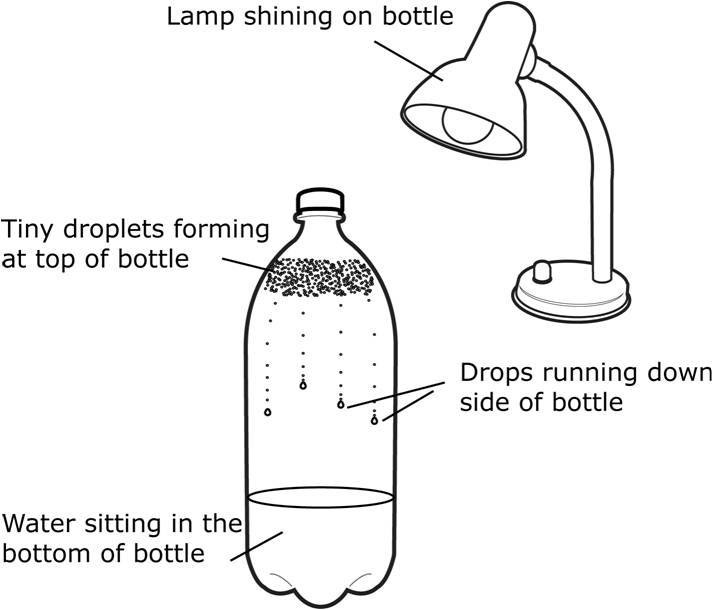
Sol: la lámpara
Condensación: pequeñas gotas que se forman en la parte superior de la botella
Precipitación: gotas que resbalan por los lados de la botella
Sun- the lamp
Condensation- tiny droplets forming at the top of bottle
Precipitation- drops running down the side of the bottle
500
¿Aproximadamente a qué hora del día corresponde la imagen, según el reloj de sol?
Around what time of day is pictured based on the sundial?
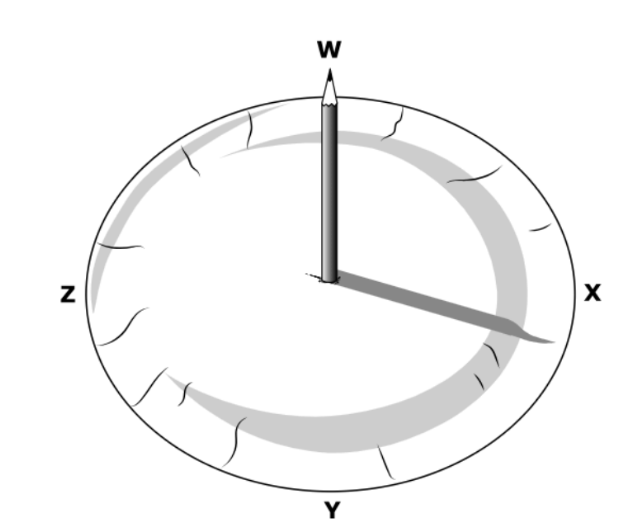
3:00 PM
El sol aparecería entre W y Z.
3:00 PM
The sun would appear between W and Z
500
Explica CÓMO está sucediendo esto.
Explain HOW this is happening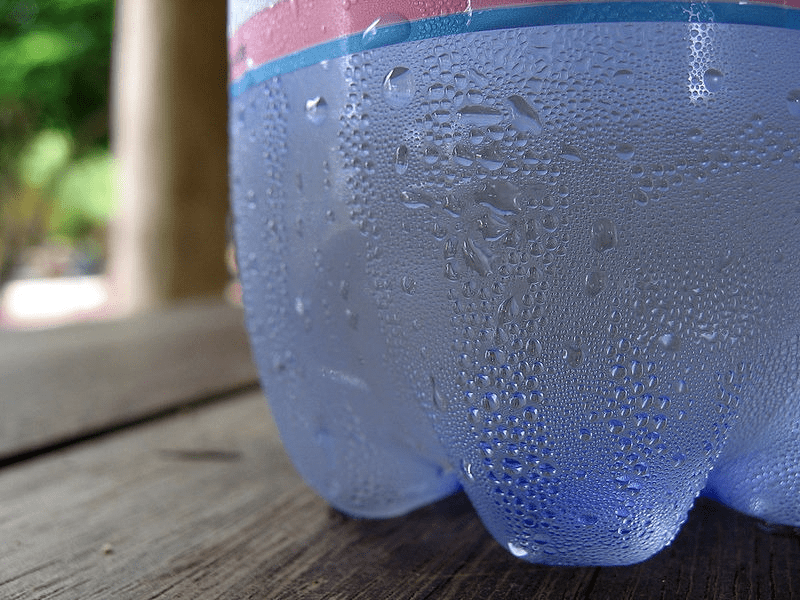
Condensación. El aire de la habitación está más caliente que la botella; cuando el aire (gas) entra en contacto con la botella, se convierte de nuevo en líquido.
Condensation. The air in the room is warmer than the bottle; when the air (gas) comes in contact with the bottle it turns back into a liquid
500
Los estudiantes planifican las siguientes investigaciones para comprobar la fuerza que actúa sobre un objeto. ¿Qué dos estudiantes planifican investigaciones que ponen a prueba una sola variable?
Students plan the following investigations to test the force on an object. Which two students plan investigations that test only one variable?
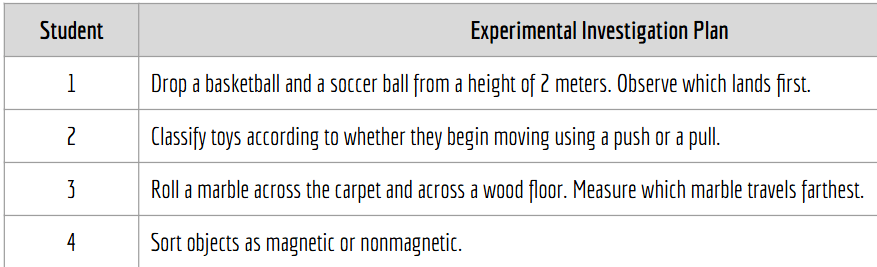
Alumnos 1 y 3
Students 1 and 3
500
Identifique las 3 interacciones de la luz.
Identify all 3 light interactions
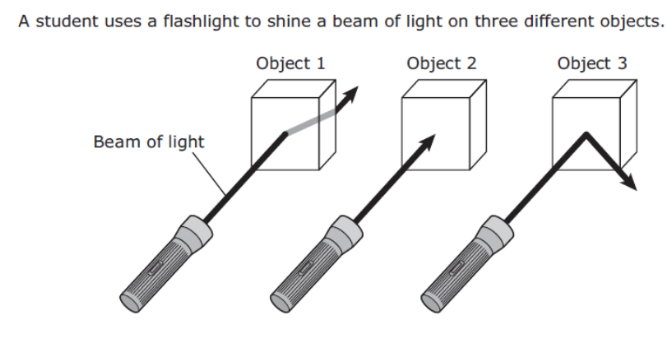
1-refractar, 2-absorber, 3-reflejar
1-refract, 2-absorb, 3-reflect