Film Techniques
Stages of The Heroes Journey
Literary Techniques
Characters in the Heroes Journey
Narrative structure
100
This film technique shows a character's face in detail so the audience can see their emotions.
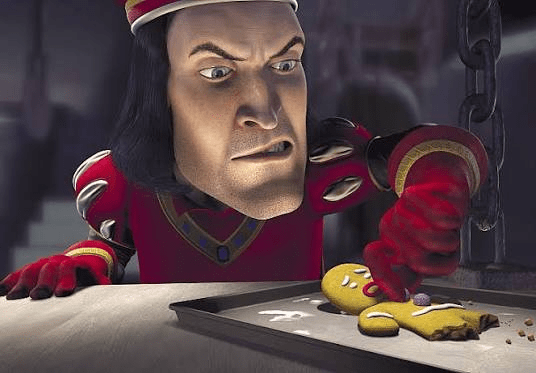
Close-up shot.
100
This stage is when the hero begins their adventure.
Call to Adventure
100
This technique compares two things using "like" or "as.
Simile.
100
Who is the Villian in Harry Potter
Voldermort
100
This part of a story introduces the characters, setting, and situation.
Orientation.
200
This camera shot shows the whole body of a character and much of the surrounding setting.
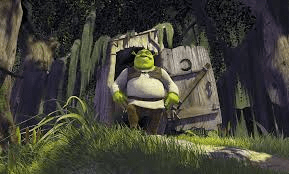
Long Shot.
200
This stage occurs when the hero gains something important after overcoming a major challenge.
The Reward / Gift of the Goddess.
200
This technique uses descriptive language that appeals to the senses.
Imagery.
200
Who is the Hero in Despicable Me?
Gru
200
This stage is where the main problem or challenge is introduced.
Complication / Conflict / Pebble
300
This technique uses music to create mood and atmosphere in a scene.
Soundtrack / Score.
300
Shrek experiences this stage when he leaves his swamp to confront Lord Farquaad.
Crossing the Threshold.
300
A hint about something that will happen later in the story is called this.
Foreshadowing.
300
Who is the Mentor in Star Wars?
Yoda
300
The moment of greatest tension and excitement in a narrative.
Turning point / Peak of the action / Climax / Boulder
400
This camera angle looks up at a character, making them seem authoritative or powerful.
Low-angle shot.
400
At the end of the journey, the hero returns changed. This stage is called what?
The Return with the Elixir / The Return Home.
400
Giving human qualities to animals or objects is called this.
Personification.
400
What Hero's Journey character type are the minions in Despicable Me?
The Ally / Sidekick
400
This stage is at the end of the story, when the main problem has been solved.
Resolution.
500
What type of angle is this?
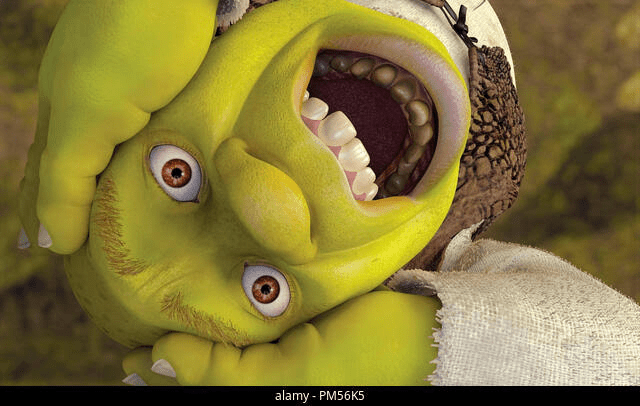
Birds-eye view.
500
This stage involves challenges that help the hero grow.
Challenges and Temptations.
500
Placing two very different things (images, ideas, or characters) side-by-side to highlight a contrast.
Juxtaposition.
500
Who is the Hero and who is the Sidekick in Lord of the Rings?
Frodo and Sam
500
This stage occurs after the turning point and shows the consequences of the main events.
Falling action.