6th Grade ELA 1
6th Grade ELA 2
6th Grade ELA 3
6th Grade ELA 4
6th Grade ELA 5
100
This is the setting of a story.
What is Where/when the story takes place?
100
What tells what a text is mostly about?
Main Idea
100
What type of word names a person, place, thing or idea?
Noun
100
What does the prefix pre- mean?
Before
100
What is the theme of a story?
What is the the lesson or moral of a story?
200
This is the problem of the story.
What is conflict?
200
This is the message or lesson of the story.
What is Theme?
200
What does the idiom “piece of cake” mean?
Something very easy.
200
This is an example of what type of figurative language?
She is busy as a bee.
What is a Simile?
200
What is personification?
Giving human traits to nonhuman things.
300
This means to compare and contrast?
What is to tell how things are the same or different?
300
What is a hyperbole?
An extreme exaggeration.
300
Explain the difference between fiction and nonfiction.
What is
Fiction = a made up story
Nonfiction = text based on factual information
300
What is the difference between connotation vs denotation?
What is
Connotation is figurative meaning
Denotation is dictionary meaning.
300
This type of conflict is:
Brian's plane crashes in the Canadian wilderness and he must survive in the wild
What is Character vs Nature?
400
What does it mean to infer?
Use clues from the text and what you know to figure something out.
400
This means inference?
What is using your prior knowledge on the subject and information gained in your reading to draw an conclusion.
400
What words replaces a noun?
Pronoun
400
Name three different punctuation marks to end a sentence.
Exclamation
Period
Question mark
400
What is a compound sentence?
Two complete sentences joined by a conjunction.
500
This means foreshadowing.
What is a narrative device in which suggestions or warnings about events to come are dropped or planted?
500
This is the plot elements in the wrong order: climax, falling action, rising action, resolution, exposition. Order and define.
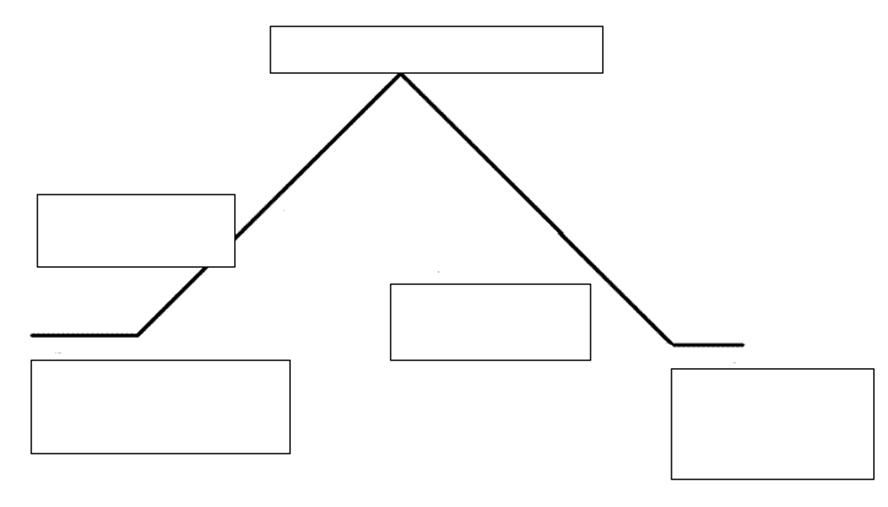
What is
- Exposition – Introduction of characters, setting, and background information.
- Rising Action – The conflict builds through a series of events, leading to the climax.
- Climax – The turning point or most intense moment of the story.
- Falling Action – Events that happen after the climax, leading toward resolution.
- Resolution – The conclusion where conflicts are resolved, and the story wraps up.
500
What does the idiom "hit the books" mean?
To study
500
Give an example of multiple-meaning words and explain.
bat
light
bank
watchring
500
Name all of the parts of R.A.C.E
Restate
Answer
Cite examples
Explain