Pit Stops and Deodorant Drops
The Dental Defense
Shower Power and Hair Care
Zit Zappers and Glow Ups
Weird but True
100
This wet substance is produced by your body to cool you down, but it can smell bad when mixed with skin bacteria.
What is sweat?
100
Dentists recommend brushing your teeth for at least _____ minutes, ______ a day.
What is two minutes, twice a day?
100
Because of hormonal changes in puberty, middle schoolers should ideally wash their bodies in the shower with this frequency and use this product to wash away this.
What is daily, soap, bacteria.
100
This common skin condition causes blackheads, whiteheads, and pimples when pores get clogged with oil and dead skin cells.
What is acne
100
The average human body sheds about 30,000 to 40,000 of these every single minute, meaning your bedroom dust is mostly made of yourself.
What are dead skin cells?
200
Unlike a simple deodorant that only masks odor, this type of product actually plugs sweat glands to stop you from perspiring.
What is an antiperspirant?
200
This sticky, colorless film of bacteria constantly forms on teeth and must be brushed away to prevent cavities.
What is plaque?
200
When washing your feet in the shower, you need to scrub thoroughly between these specific areas to prevent fungal growth, like athletes foot
What are your toes? 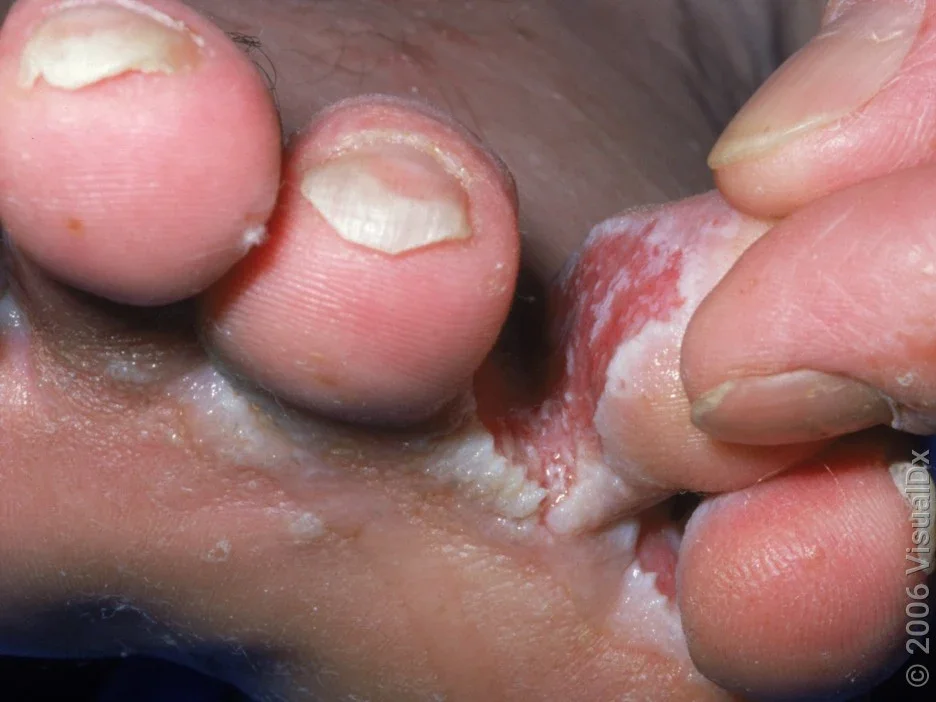
200
You should strictly avoid doing this to a pimple, as it pushes bacteria deeper into the skin and causes permanent scarring.
What is popping/squeezing.
200
A lack of this can lead to moodiness, aggression, poor academic performance, and impair your ability to make good decisions.
What is sleep
Teens require 8-10 hours of sleep per night.
300
To prevent body odor buildup on your clothes (specifically underwear, socks, bras, workout/practice clothes) it is recommended you wash them after this many uses.
What is after each time you wear them.
300
This essential daily habit cleans the 40% of your teeth's surfaces that a normal toothbrush cannot reach.
What is flossing
300
This annoying, flaky scalp conditions happens when skin cells shed too quickly.
What is dandruff?
300
These are things that can increase your risk of developing acne. (6 possible answers, must get at least 3 to get the points)
What are:
Not Washing your face with soap
Touching or rubbing your face
Excessive cosmetics
Excessive sweating
Not changing your sheets
Genetics
300
This is the largest INTERNAL organ in the human body
*Bonus- Name the body's largest organ.
What is the Liver and Skin
400
Sweat itself does not actually have an odor; the bad smell is caused by these microscopic organisms multiplying as they eat the sweat on your skin.
What are bacteria?
400
This hard, calcified deposit forms on teeth when plaque is left un-brushed for too long, and it can only be removed by a dental professional.
What is tartar?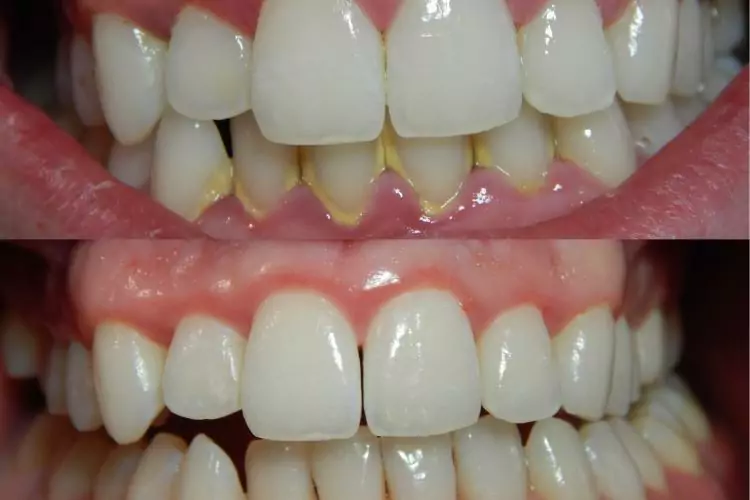
400
Sharing these personal items with friends is a fast way to spread infections (scalp, skin, viral).
What are hair brushes, deodorant, chap-stick, water bottles, mascara, etc.
400
Even if it is cloudy or cold outside, you should apply this protective lotion daily to prevent long term UV skin damage.
What is sunscreen (or SPF)
400
The ancient Romans used this as mouthwash.
What is urine
500
These specific sweat glands, located mainly in the armpits and groin, kick into high gear during puberty and produce a thicker, oilier type of sweat. *Starts with an "A"
What are apocrine glands
500
This is the official medical term for chronic bad breath, which often starts from bacteria living on the back of your tongue.
What is halitosis?
500
During puberty, your scalp produces more of this natural oil, making your hair look greasy if it isn't washed regularly.
What is sebum.
500
This chemical exfoliating acid is a common ingredient is face washes because it dissolves the dead skin cells plugging your pores.
What is salicylic acid?
500
If you weigh 100 lbs your body needs ________ ounces of water each day to be hydrated.
What is 50 ounces
Take your body weight and divide by 2.
If you are active for 1 hour you need an additional 16-32 ounces.