Figurative Language
Parts of Speech
Animal House Plurals & Singular/Plural Forms
Literary Elements
Reading Comprehension
100
Which of these is a "Simile"?
A. He is a lion on the battlefield.
B. The lion roared loudly.
C. Brave lions hunt at night.
D. He is as brave as a lion.
D. He is as brave as a lion.
Similes use the words "like" or "as" to compare two different things.
100
In the phrase "the bright sun," what part of speech is the word "bright"?
A. Verb
B. Adjective
C. Noun
D. Pronoun
B. Adjective
Adjectives are words that describe nouns, such as the noun "sun" in this case.
100
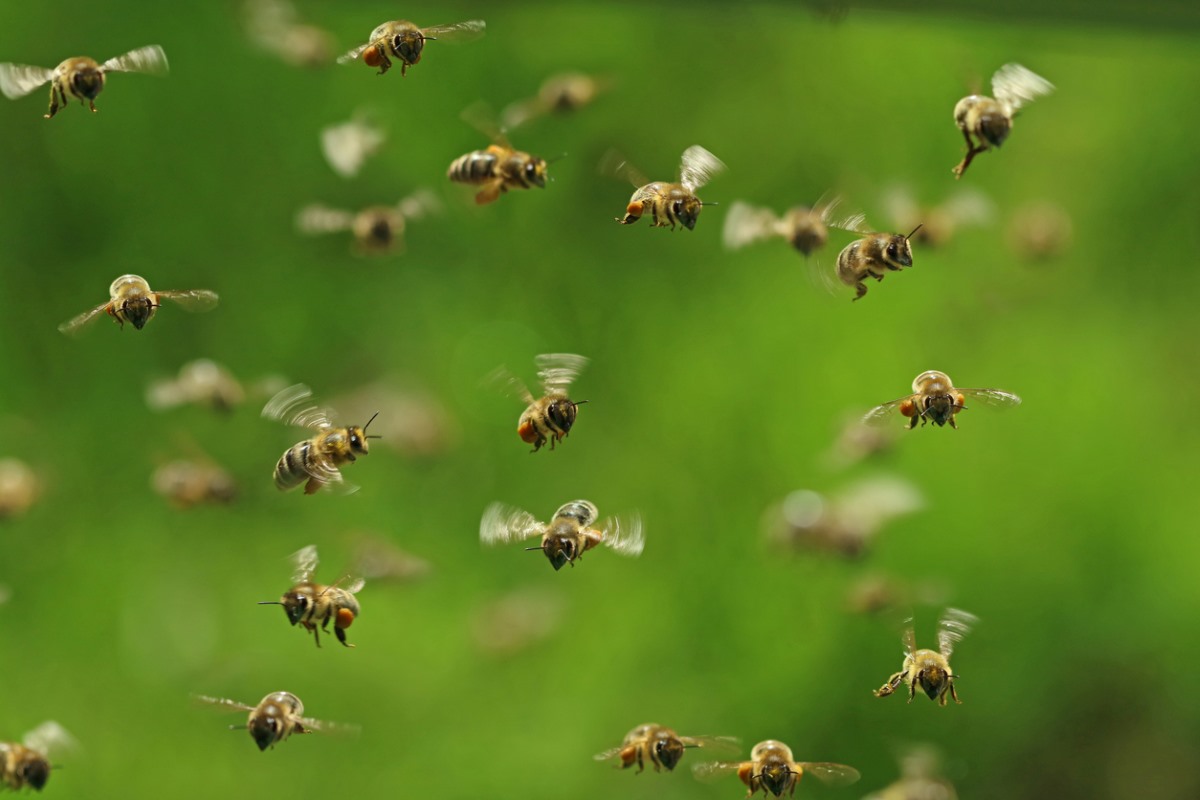
What do you call a large traveling group of bees?
A. A flock
B. A swarm
C. A colony
D. A cloud
B. A swarm
100
This term describes the primary point or central message the author wants to communicate.
A. The Plot
B. The Main Idea
C. The Conflict
D. The Resolution
B. The Main Idea
100
This text structure is used when an author explains why something happened and what the result was.
A. Cause and Effect
B. Problem and Solution
C. Compare and Contrast
D. Chronological Order
A. Cause and Effect
Cause and effect explains the connection between an initial action and the consequences that follow.
200
Which sentence contains an 'Onomatopoeia'?
A. The bacon sizzled in the hot pan.
B. I have a million things to do.
C. Her hair was silk.
D. The stars danced in the sky.
A. The bacon sizzled in the hot pan.
Onomatopoeia involves words that phonetically imitate the sound they describe, like "sizzle".
200
Which part of speech is used to express an action or a state of being, such as "run", "is", or "believe"?
A. Adverb
B. Preposition
C. Verb
D. Noun
C. Verb
Verbs tell us what the subject is doing or its current state.
200
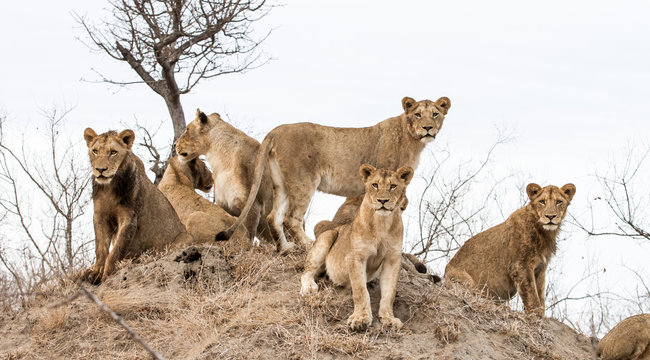
What do you call a collective group of lions?
A. A herd
B. A pack
C. A pride
D. A school
C. A pride
200
What do we call a character who opposes the main hero and creates conflict in the story?
A. Protagonist
B. Narrator
C. Antagonist
D. Sidekick
C. Antagonist
The antagonist is the character, group, or force in the story that opposes the main character (protagonist); the villain.
200
Which sentence uses the correct form of there, their, or they're?
A. They're going to the park after school.
B. Is that there dog barking again?
C. I left my backpack over their.
D. There house is the one with the blue door.
A. They're going to the park after school.
300
Which type of figurative language is used in the phrase: "The wind whispered through the trees"?
A. Onomatopoeia
B. Metaphor
C. Hyperbole
D. Personification
D. Personification
This involves giving human qualities, like whispering, to non-human objects like the wind.
300
In the sentence "She quickly ran to the store," what part of speech is the word "quickly"?
A. Adjective
B. Preposition
C. Adverb
D. Verb
C. Adverb
Adverbs describes a verb, adjective or another adverb. Often answering "how" an action was done.
300

What is the plural of deer?
A. Dears
B. Deer
C. Deeries
D. Deers
B. Deer
300
This literary device is used when a writer repeats the same consonant sound at the beginning of several words in a row, such as in the phrase "Silly snakes slithered silently."
A. Onomatopoeia
B. Metaphor
C. Alliteration
D. Personification
C. Alliteration
300
What can you infer about the character in this scene?
“Leo sat at the kitchen table, staring at the unopened envelope. He tapped his foot rapidly against the floor and chewed on his thumbnail, his eyes darting to the clock every few seconds.”
A. Leo is bored and looking for something to do.
B. Leo is excited to open a birthday card.
C. Leo is nervous or anxious about the contents of the letter.
D. Leo is tired because he stayed up too late.
C. Leo is nervous or anxious about the contents of the letter.
400
In the sentence "I have a million things to do today," the author is using which device?
A. Personification
B. Hyperbole
C. Idiom
D. Alliteration
B. Hyperbole
Hyperbole is an extreme exaggeration used for emphasis or effect, as no one literally has one million tasks.
400
Identify the Conjunction in this sentence: "We decided to stay inside for lunch because the temperature had dropped below freezing."
A. to
B. for
C. because
D. the
C. because
Conjunctions are words used to join parts of sentences together; "because" connects two independent thoughts here.
400

A group of crows is famously known by this dark and mysterious name:
A. A graveyard
B. A murder
C. A haunting
D. A shadow
B. A murder
400
This term refers to the underlying message, moral, or universal life lesson that the author wants the reader to take away.
A. The Summary
B. The Setting
C. The Theme
D. The Point of View
C. The Theme
(e.g. "Nature can present many challenges to humans", "Growing up requires individuals to face painful truths and accept responsibility for their actions")
400
An author writes an editorial arguing that the school day should start two hours later. This is an example of this purpose.
A. To Narrate
B. To Persuade
C. To Inform
D. To Entertain
B. To Persuade
The author is taking a stance on an issue and trying to convince others to agree with their viewpoint.
500
Which type of figurative language is used in the following sentence? "The golden sun set behind the jagged, purple mountains, casting a warm orange glow across the silent valley."
A. Idiom
B. Hyperbole
C. Alliteration
D. Imagery
D. Imagery
This sentence uses descriptive language that appeals to the sense of sight to create a vivid mental picture.
500
What part of speech is "Alas" in the sentence: "Alas, the team lost the game."?
A. Noun
B. Adverb
C. Pronoun
D. Interjection
D. Interjection
Interjections are words that express emotions (e.g. ouch, oh, wow)
500

What is the singular of lice?
A. Louse
B. Lice
C. Leese
D. Lick
A. Louse
Fun Fact: This is also where we get the word "lousy"—meaning "infested with lice," though today we just use it to mean "really bad."
500
Which term describes the "vibe" or feeling that an author creates for the reader?
A. Plot
B. Genre
C. Mood
D. Tone
C. Mood
Mood is the emotional response the writer hopes to stir in the reader through setting and word choice (e.g. spooky, peaceful or tense).
500
In the sentence "The athlete was so exhausted he was lethargic," the word "lethargic" most likely means this.
A. Hungry
B. Angry
C. Energetic
D. Tired and slow
D. Tired and slow
The word "exhausted" acts as a context clue, indicating that "lethargic" means lacking energy.