Brain not working
Don't go breaking my heart
I love clinic!
IM smorgasbord
Rash, yuck
100
A 71-year-old woman with hypertension and hyperlipidemia develops sudden right-sided weakness and expressive aphasia while eating lunch. She arrives in the emergency department 90 minutes after symptom onset.
Vital signs are:
- BP: 172/96 mm Hg
- HR: 82/min
Neurologic examination reveals an NIH Stroke Scale score of 10. Noncon CT of the head shows no hemorrhage. Blood glucose is 108 mg/dL, platelet count is 210,000/µL, INR is 1.0, and she is not taking anticoagulants.
What is the next best step in management
IV thrombolytics
Contraindications
-BP >185/110
-Active bleeding within 21 days
-Severe coagulopathy (plt <100,000, INR over 1.7 or use of DOACs within 48 hours)
-Prior intracranial hemorrhage
-Severe head trauma/major surgery in past 14 days or symptom onset past 4.5 hours
100
Diagnostic criteria for PAD
ABI (ankle brachial index) <0.9
100
A 54-year-old woman has BP readings averaging 146/88 mm Hg in clinic on three visits. Home BP averages 118–124/70–76 mm Hg. She has no diabetes, CKD, or ASCVD.
What is the most likely diagnosis
White coat hypertension
Confirm with ambulatory BP monitoring (or validated home BP monitoring if not already done). Do not start antihypertensives based on office readings alone.
100
A 64-year-old woman undergoes CT imaging for evaluation of nephrolithiasis. The scan reveals a 2.8-cm left adrenal mass with homogeneous appearance and 8 Hounsfield units (HU) on noncontrast CT. She has hypertension controlled on amlodipine. She denies HA, CP, flushing, sweating, bruising, abdominal pain.
What is the next step in management for the adrenal mass?
Evaluate for hormone excess (Cushings/pheo/primary aldosteronism)
1mg overnight dex suppresion test, plasma/urine metanephrines, plasma aldo/renin ratio
A homogeneous lesion with ≤10 HU on noncontrast CT is strongly suggestive of a benign lipid-rich adenoma.
100
This pictured skin change commonly occurs during pregnancy
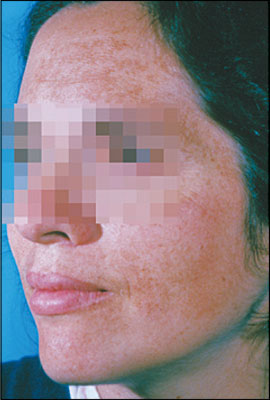
Melasma
200
A 29-year-old woman with obesity presents with daily headaches for the past 3 months. She reports transient episodes of blurred vision lasting several seconds, particularly when standing up, and hears a "whooshing" sound in both ears. She is otherwise healthy and takes no medications except an oral contraceptive. Exam with bilateral papilledema. MRI brain neg
What is the diagnosis and next best step?
Idiopathic intracranial hypertension
Treated with LP (elevated opening pressure)
200
68 yo male comes to office with dyspnea. cardiac exam is notable for systolic ejection murmur at the right upper sternal boarder and soft S2.
What is the murmur?
Aortic stenosis
Crescendo-decrescendo systolic ejection murmur
- Best heard at the right upper sternal border
- Radiation to the carotids
- Delayed, weak carotid upstroke (pulsus parvus et tardus)
- Soft/absent S2 due to restricted valve closure
200
A 68-year-old man with T2DM has an A1c of 7.9% on metformin. His eGFR is 55 mL/min/1.73 m² and urine albumin-to-creatinine ratio is 420 mg/g.
What medication is recommended in this patient?
SGLT-2
CKD with albuminuria is a major indication for an SGLT2 inhibitor, even when glucose lowering is modest.
200
What is the recommended screening frequency for prostate cancer for men above the age of 70?
No screening recommended
200
Painful vesicular rash in the first division of the trigeminal nerve
Herpes zoster ophthalmicus
300
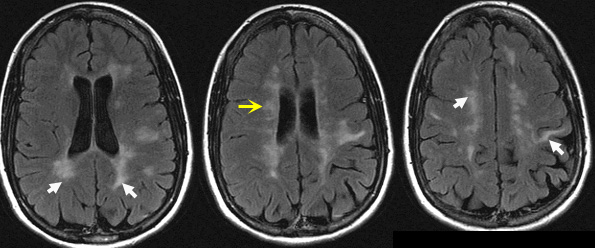
A 32-year-old woman presents with 3 days of progressive blurry vision and pain in her right eye, especially with eye movement. Examination shows decreased visual acuity and a right relative afferent pupillary defect. Fundoscopic examination is initially normal. Six months earlier, she had an episode of numbness and tingling in her left leg that resolved spontaneously.
What would be seen on MRI brain?
Periventricular lesions (Dawson's fingers)
300
A 75 yo male comes in with dizziness/falls.
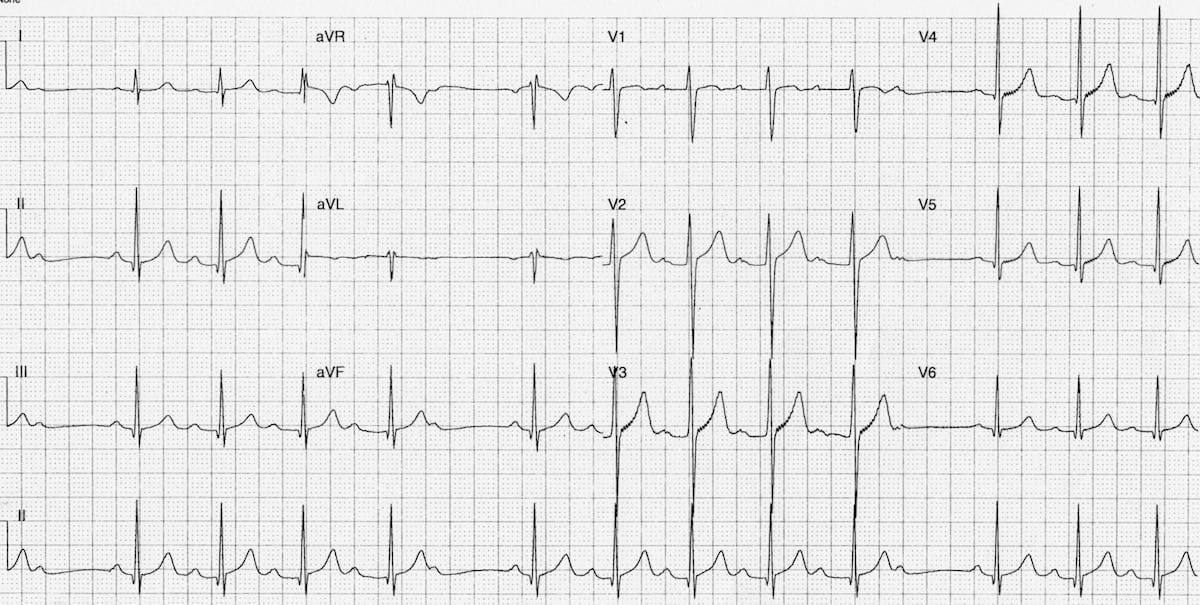 What is the diagnosis?
Second degree AV block, Mobitz type 1 (Wenckebach)
Progressive PR prolongation, dropped QRS complex
300
A healthy 36-year-old woman has a TSH of 6.2 mIU/L with a normal free T4. She has no symptoms and is not pregnant.
What is the next best step?
Repeat thyroid testing in 3 months
Most asymptomatic patients with subclinical hypothyroidism and TSH <10 mIU/L are observed rather than treated
300
A 32 yo previously healthy female has progressive exertional dyspnea for 6 months duration. TTE findings show RV enlargement a RVSP of 50mmHg.
What findings would be seen on PFTs?
Normal FEV1, FVC, FEV1/FVC ration
normal TLC
Decreased DLCO
300
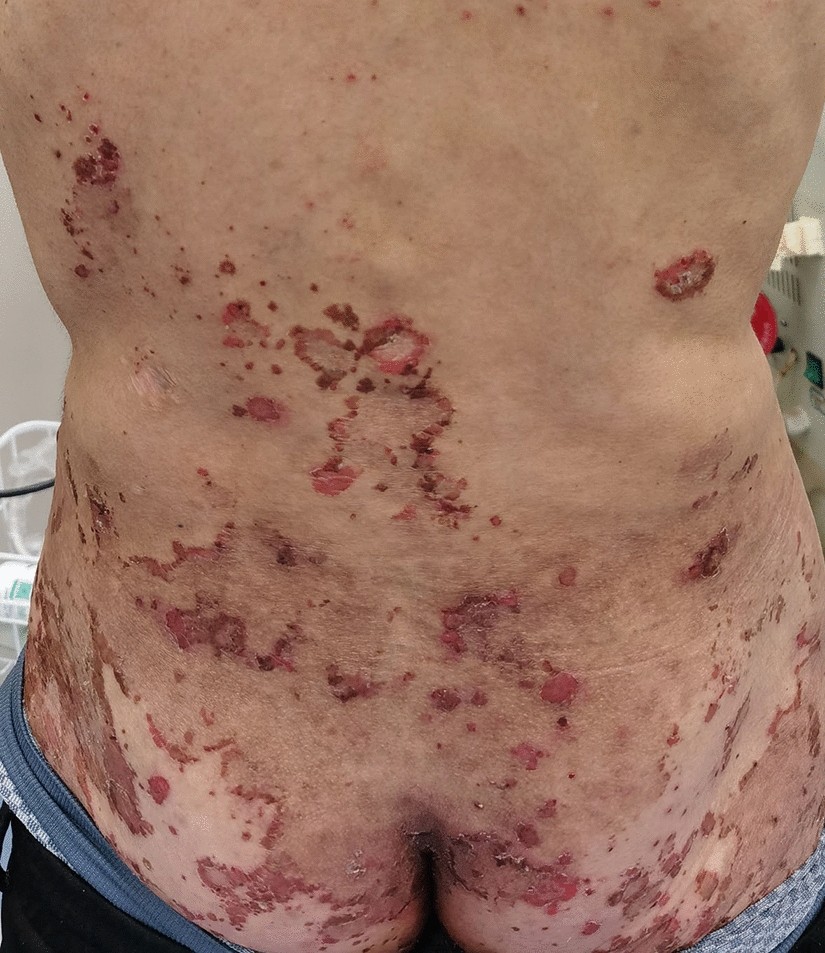
Red, blistering rash strongly associated with glucagonoma
Necrolytic migratory erythema
400
A 72-year-old woman with atrial fibrillation not taking anticoagulation develops sudden onset severe dizziness, nausea, vomiting, and difficulty walking. She has trouble reaching for objects with her right hand. Examination shows:
- Right-sided dysmetria on finger-to-nose testing
- Right-sided intention tremor
- Broad-based gait with falling toward the right
- Horizontal nystagmus
What is the diagnosis?
Posterior cerebellar stroke (PICA)
400
58 yo male with HTN and DM who has not been to the doctor in 1 million years presents with fatigue, nausea, and chest pain. ECG shows diffuse ST-segment elevations and PR depressions. Labs with Cr/BUN 9.2/110, K 5.6, trop mildly elevated.
What is the diagnosis and treatment
Uremic pericarditis.
Treat with HD

400
A 72-year-old woman has a DEXA scan with a T score of -2.8. She has a PMH of T2DM and CKD with an eGFR of 21mL/min
What medication should be started to manage this condition?
Denosumab
Bisphosphonates are contraindicated or generally advised against when CrCl or eGFR falls below 35 mL/min
400
A 74-year-old man with atrial fibrillation has been taking amiodarone for 3 years. He presents with weight loss, palpitations, and tremor. Laboratory studies show:
- TSH: <0.01 mIU/L
- Free T4: 3.4 ng/dL (elevated)
- Total T3: mildly elevated
A thyroid ultrasound with Doppler demonstrates a normal-sized gland with low vascularity, and a radioactive iodine uptake scan shows markedly decreased uptake.
What is the diagnosis and treatment?
Type 2 amiodarone induced thyrotoxicosis
Treat with steroids
400
Common inflammatory skin disorder that comes in erythrodermic, inverse, and guttate forms
Psoriasis

500
A 67-year-old man is diagnosed with Parkinson disease. Six months after symptom onset, he has frequent falls, severe autonomic dysfunction with urinary retention, and poor response to levodopa. Examination shows vertical gaze limitation and marked axial rigidity.
What is the most likely diagnosis?
Progressive supranucelar palsy
Board clues: early falls, vertical gaze palsy, axial rigidity, poor levodopa response
500
A 64 yo male with ischemic cardiomyopathy EF 15% presents to clinic for follow up. He has been compliant with Entresto, coreg, spironolactone and farxiga. He continues to complain of dyspnea. EKG shows sinus rhythm, LBBB and QRS duration of 170ms
What is the next best course of action?
Refer for CRT placement
Indications for CRT in HFrEF patient
-EF<35% with NYHA II-IV despite GDMT
-Sinus rhythm, LBBB, QRS >150ms
500
A 67-year-old woman with hypertension has persistent blood pressures around 150/92 mm Hg despite taking amlodipine, chlorthalidone, and losartan at appropriate doses. Potassium is 3.1 mmol/L.
What is the next best step?
Measure plasma aldosterone to renin ratio
Resistant hypertension (uncontrolled on 3 meds) plus spontaneous or diuretic-associated hypokalemia is a classic board clue for primary aldosteronism
500
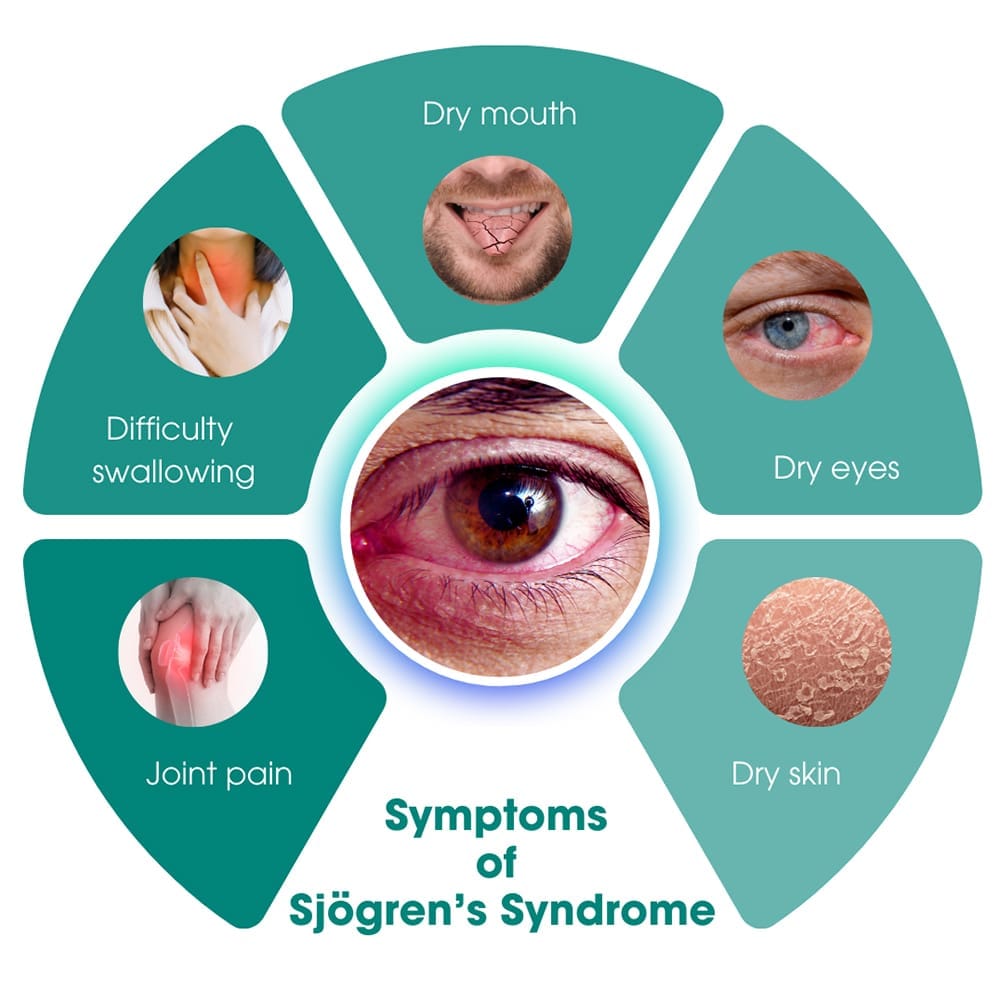
A 52-year-old woman presents with several months of dry eyes, dry mouth, and increasing dental caries. She also reports fatigue and intermittent swelling of the parotid glands.
What antibodies are associated with this condition?
Anti-SSA (Ro) and Anti-SSB (La)
500
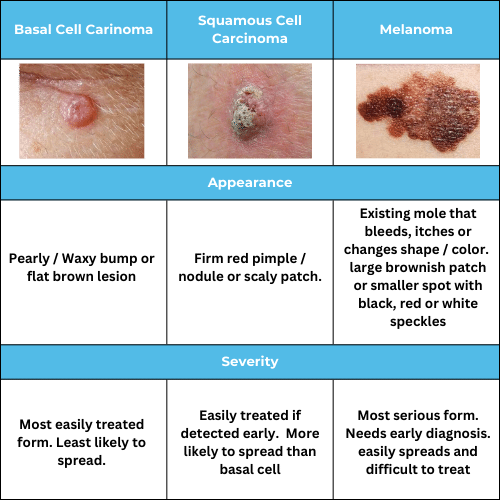
A 68-year-old man presents with a slowly enlarging lesion on his left cheek that has bled several times while shaving. On examination, there is a 6-mm pearly papule with rolled borders and prominent surface telangiectasias. He spends a great deal of time outdoors and has no history of immunosuppression.
Name the diagnosis
Basal cell carcinoma