What’s my Line?
Raise your Standard
It’s All a Matter of Perspective
It’s the Principle of the Thing
100
These are the lines that create a feeling of rest.
What are Horizontal line?
100
It’s the name of the ancient artifact pictured below:
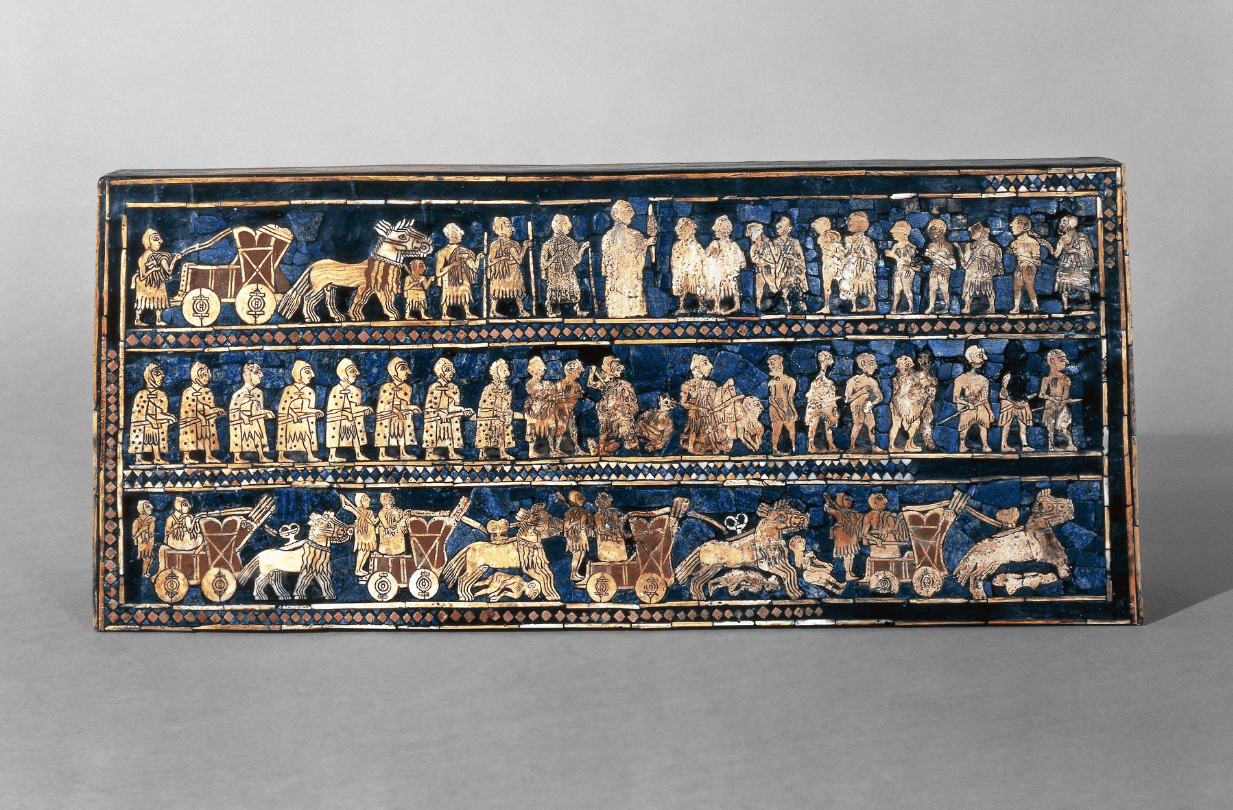
What is the Standard of Ur?
100
This is also called the eye level or vantage point for the viewer.
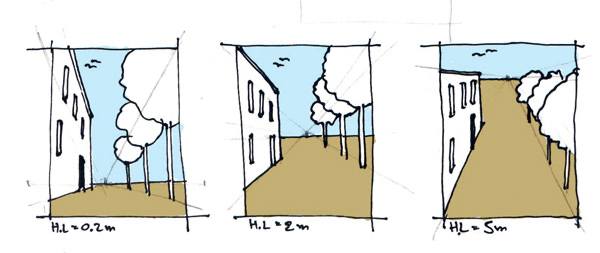
What is the Horizon Line?
100
This is the use of pattern and repetition in an artwork that creates a visual ”tempo”.
What is Rhythm?
200
These lines will make you tense, man.
What are Vertical lines?
200
It’s the ancient nation responsible for creating this artwork:
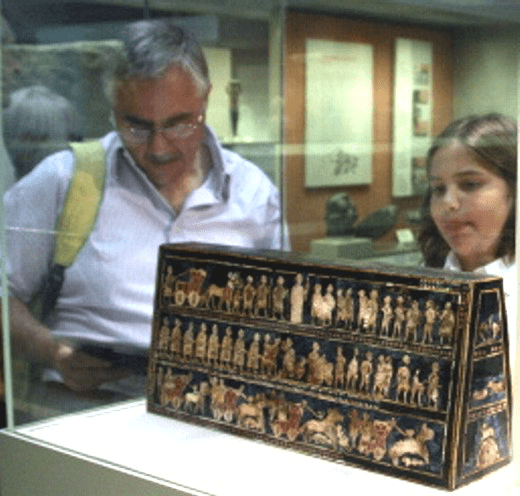
What Sumer?
200
These are the spots to which the lines from the object recede in a perspective drawing.
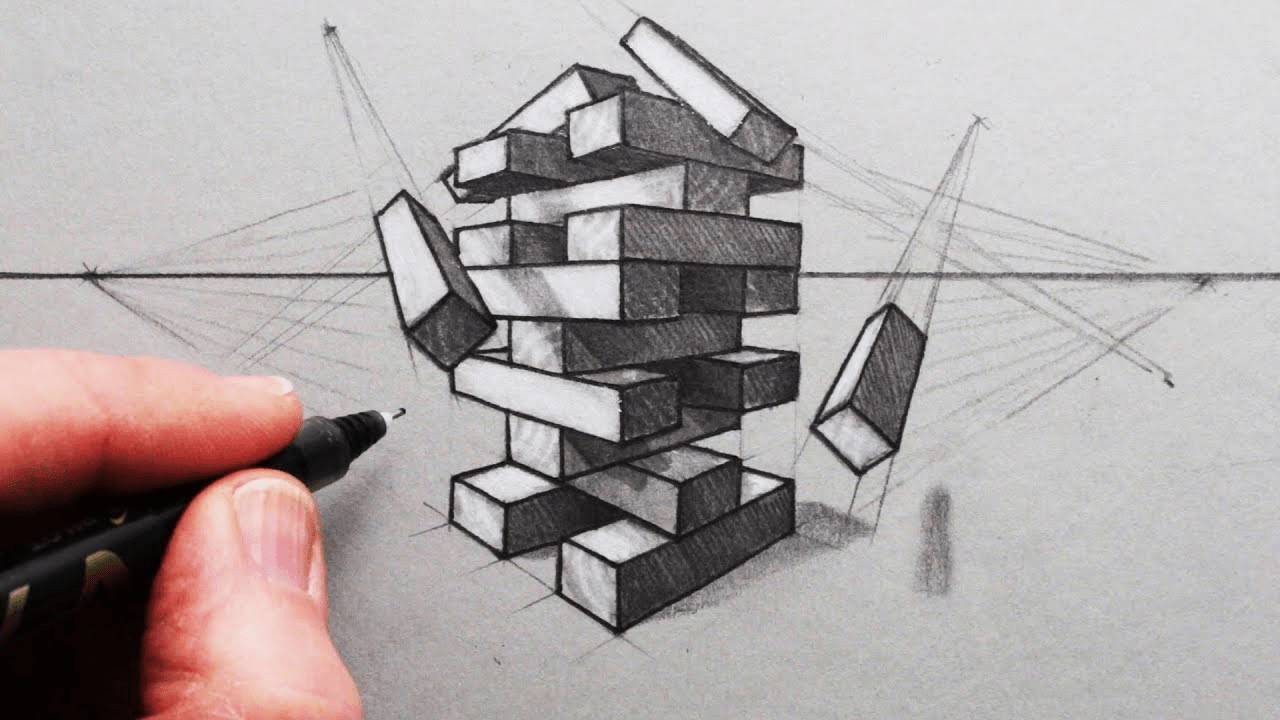
What are vanishing points?
200
This is the DOMINANT area of a composition that intentionally draws the eye.
What is Emphasis? (Or focal point)
300
These are lines of gentle movement. Think ballet, flowers, and swans…
What are curved lines?
300
These are the horizontal segments that detail the progress of the story. They are read from bottom to top.
What are registers?
300
It’s the name of this type of perspective drawing:
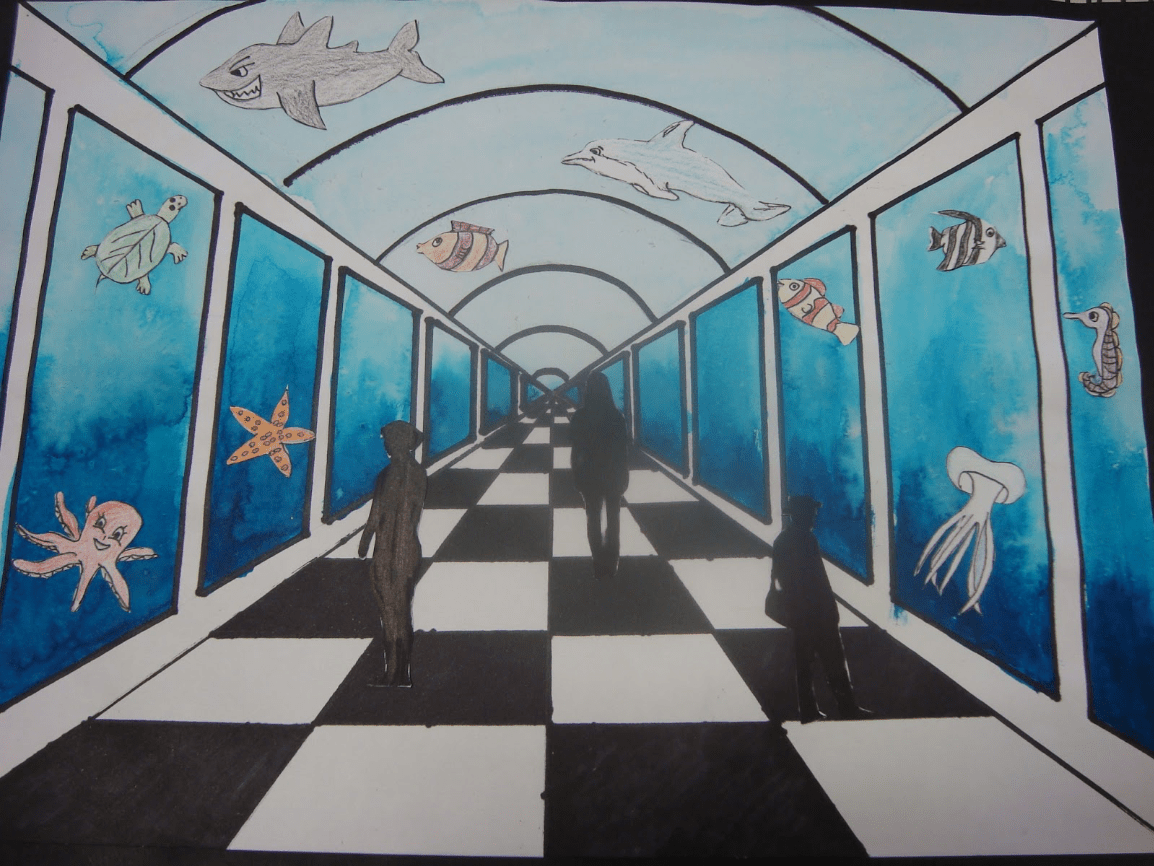
What is One-Point Perspective?
300
This is the intentional arrangement of objects to create equality of visual weight throughout the piece. When it’s missing the piece looks tipsy.
What is Balance?
400
These lines create a dynamic feeling of movement. More like the Alps instead of Appalachia.
What are diagonal lines?
400
This is the blue material used for creating the mosaic of this artwork: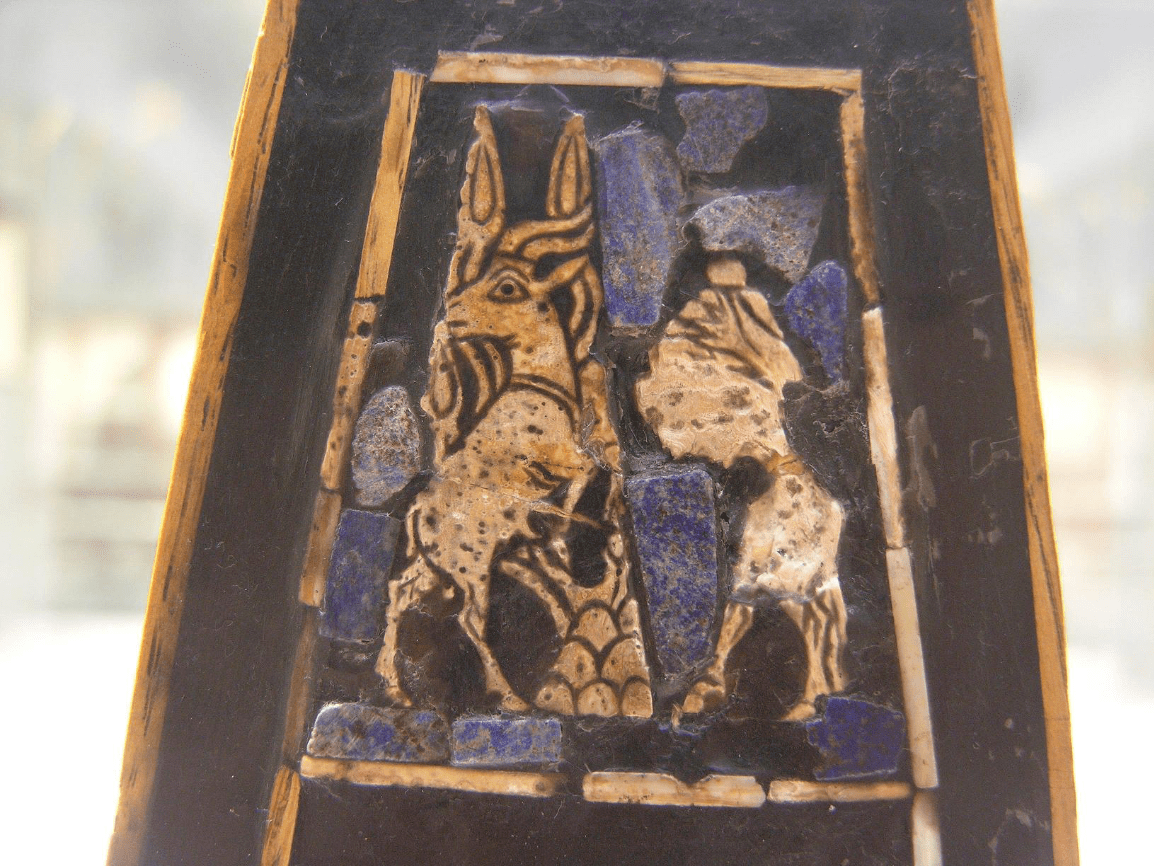
What is Lapis Lazuli?
400
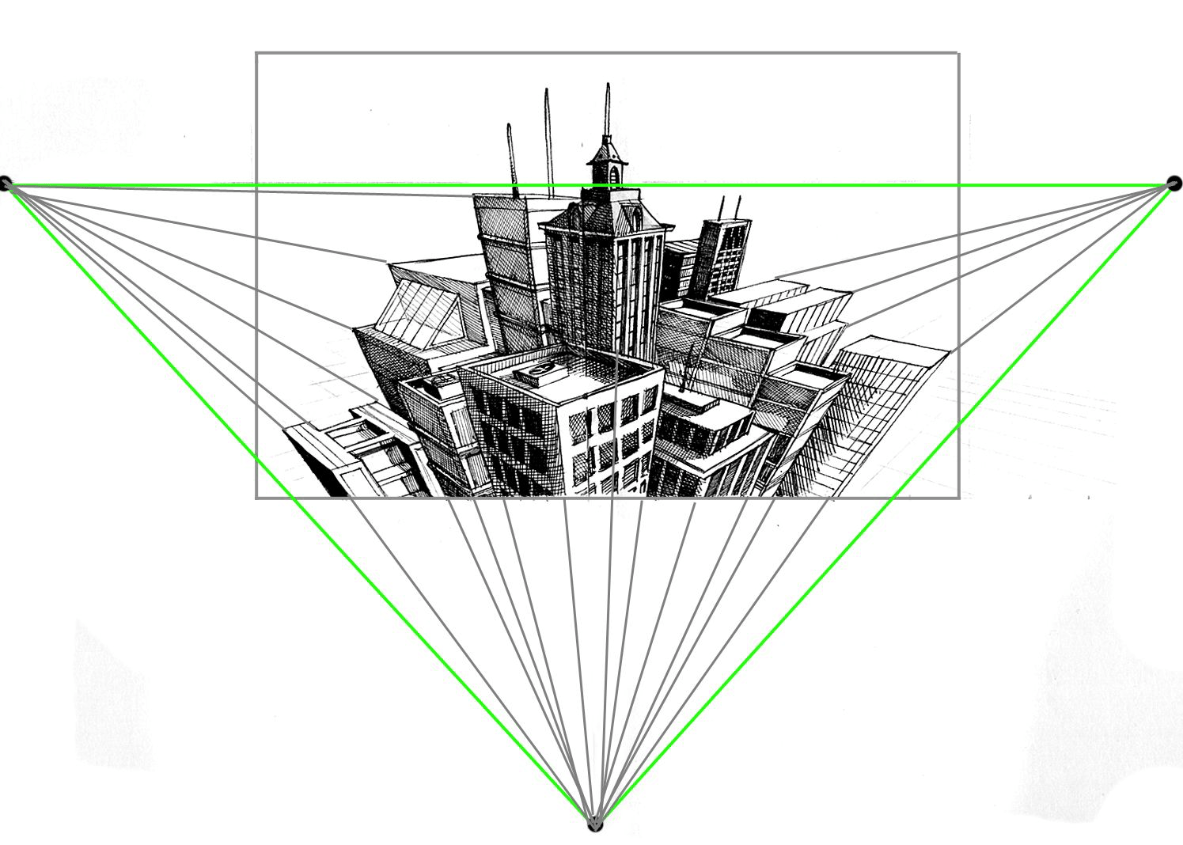
It’s the name of the type of perspective illustrated below:
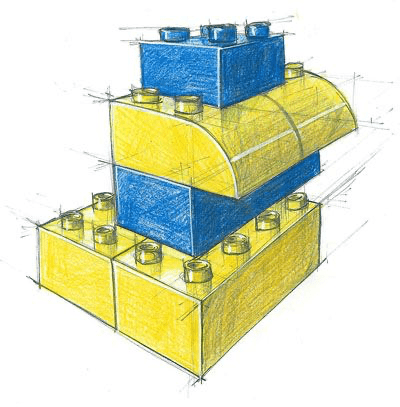
What is Two-Point Perspective?
400
This is the use of opposites- in value, size, texture, etc. to add interest to a composition.
What is Contrast?
500
These drawings use only a variety of lines to create a feeling of depth and dimension. No smudging allowed!
What is Contour line drawing?
500
This is the scene of the reverse side of this artwork showing a different side to the kingdom.
What is the side the showing Peace?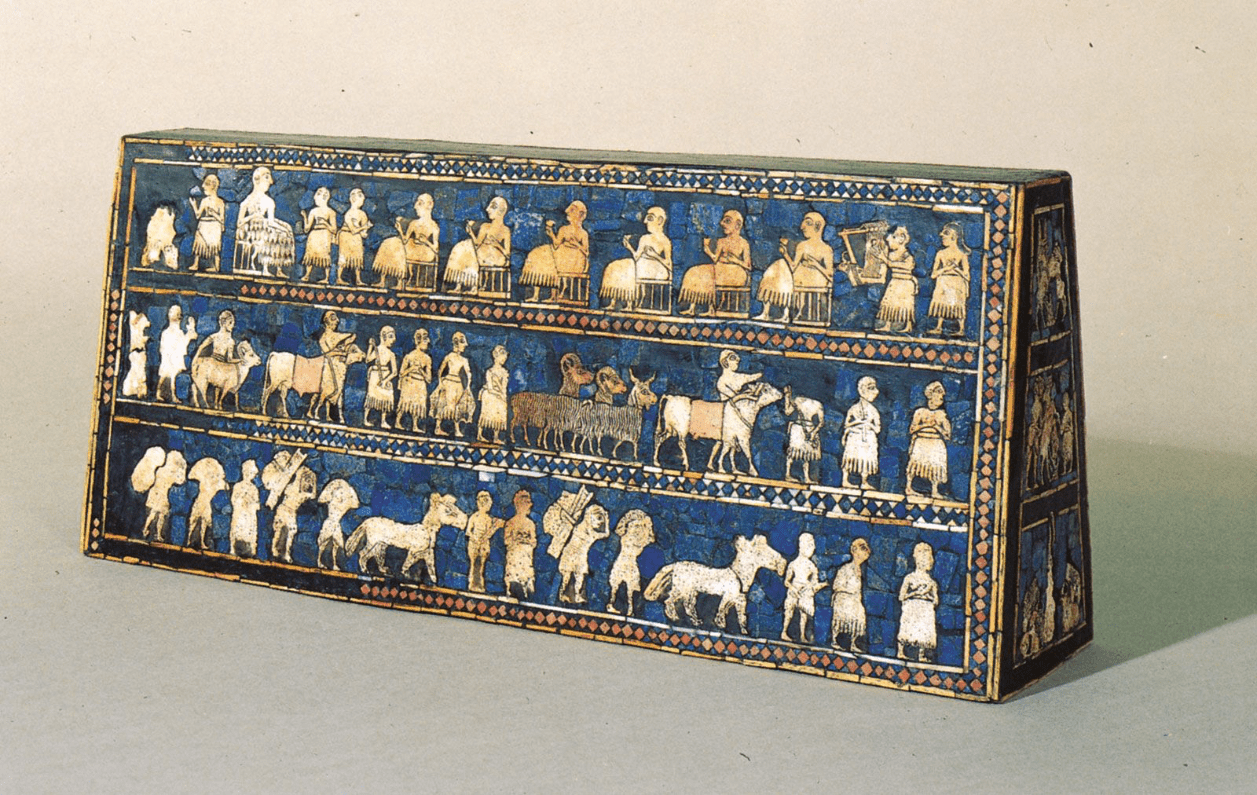
500
Unlike one-point perspective drawings, which start with a flat shape like a square, and two-point perspective works, which start with a line, objects in a three point perspective drawing will only start with this.
What is a point or single dot?
500
This is the virtual path created by the artist to help the the viewer’s eye “travel” through the piece.
What is Movement?