Equipment
Fire Protection
Hydraulic System
Fuel System
Ice and Rain Protection
Landing Gear and Steering
100
Location of crash axe
Rear right corner (behind FO)
100
Number of extinguisher bottles for Engines and APU
Extinguishing system:
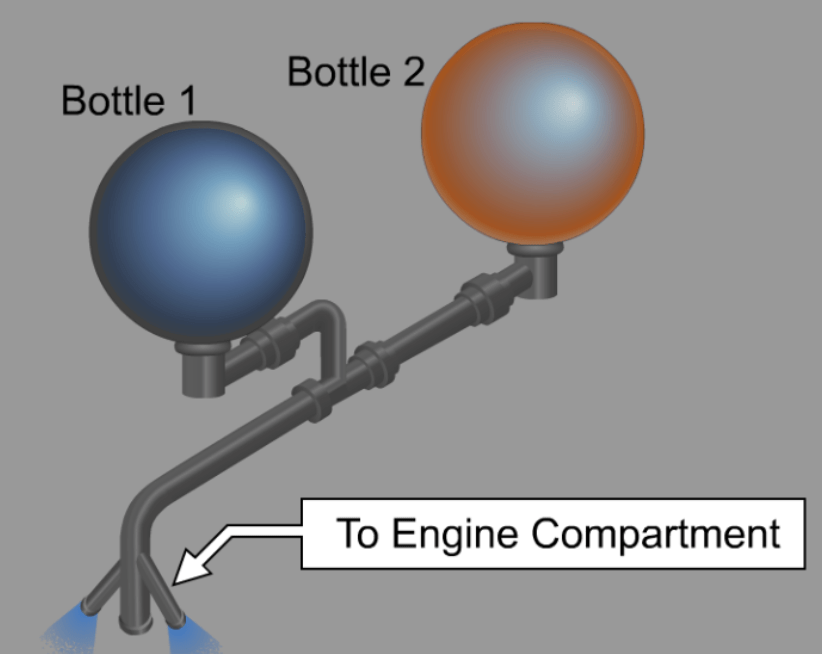
2 Bottles for each Engine
1 Bottle for APU
DISCH Light
100
Normal operating system pressure
3,000psi
100
Under certain conditions fuel in the center tank may have high flammability exposure and this system creates protections.
The fuel tank inerting system automatically produces oxygen depleted air to replace the ambient air in the center tank to prevent this condition; the wing tanks are not affected.
100
The system used for rain on the windshield
Liquid based repellent and wipers
100
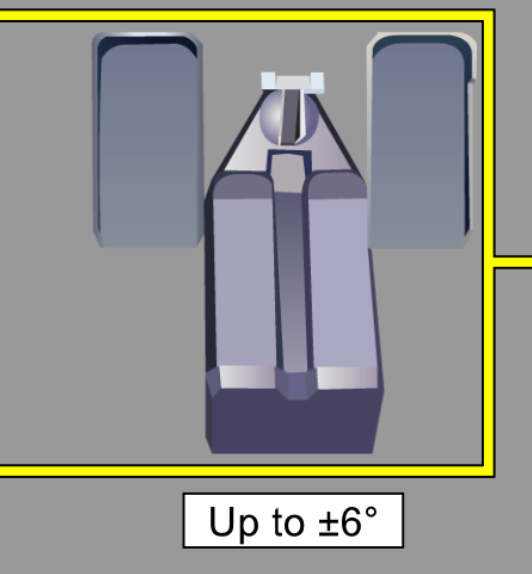
The rudder pedals command nose wheel steering this amount
6° Left or Right
200
These are the cockpit windows that are heated
All of them
200
How fire is detected in the engines and APU
2 Parallel Detection Loops (A & B) in the APU compartment are installed next to critical components such as fuel lines, the starter generator, the fuel control unit, igniter box, and the turbine.
200
The PTU (Power Transfer Unit) operates automatically when the pressure difference between the Green and Yellow systems reaches this limit
500 psi.
200
The temperature at which a fuel pump stops and must be replaced
175°C
200
Maximum speed for operating the rain wipers
230kts
200
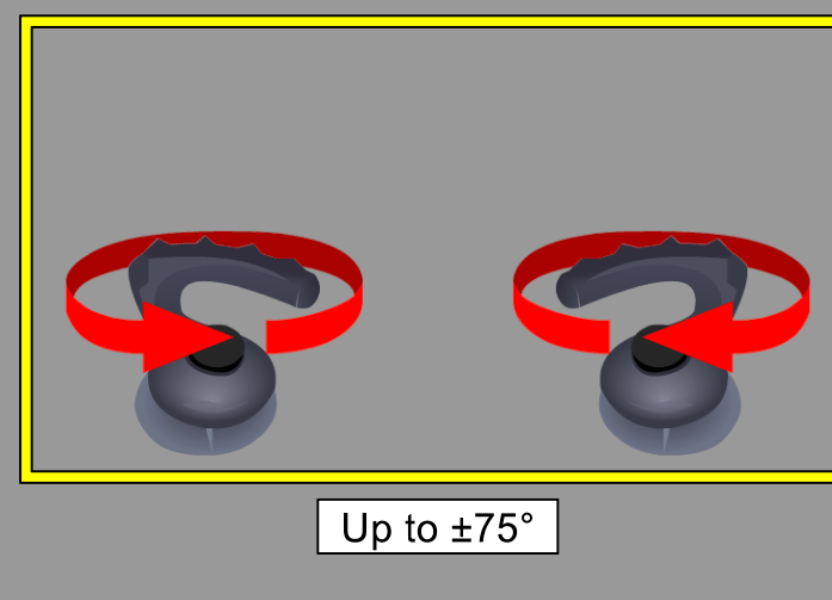
Handwheels can order steering this amount
75° Left or Right
300
Number of Oxygen masks stored in each compartment of the flight deck
2 in each compartment
300
How do the overpressure differ between Engines and APU
APU Bottle discharges overboard vs. in engine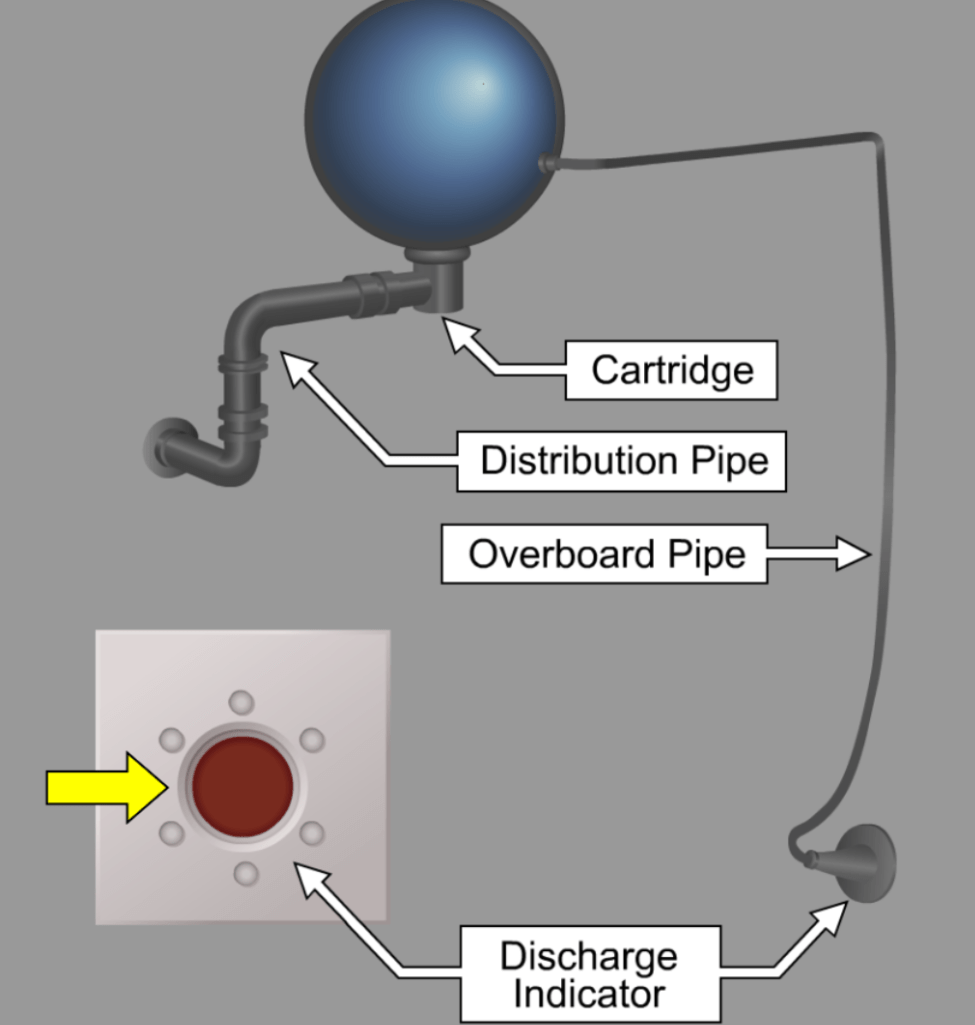
300
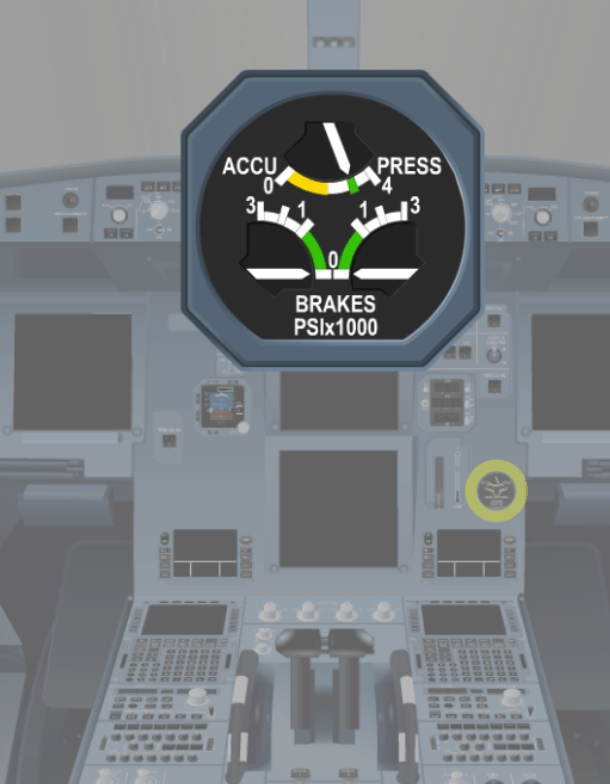
The only system to have a pressure indicator located on the central instrument panel
The Yellow System
300
Fuel Temperature Limitations

300
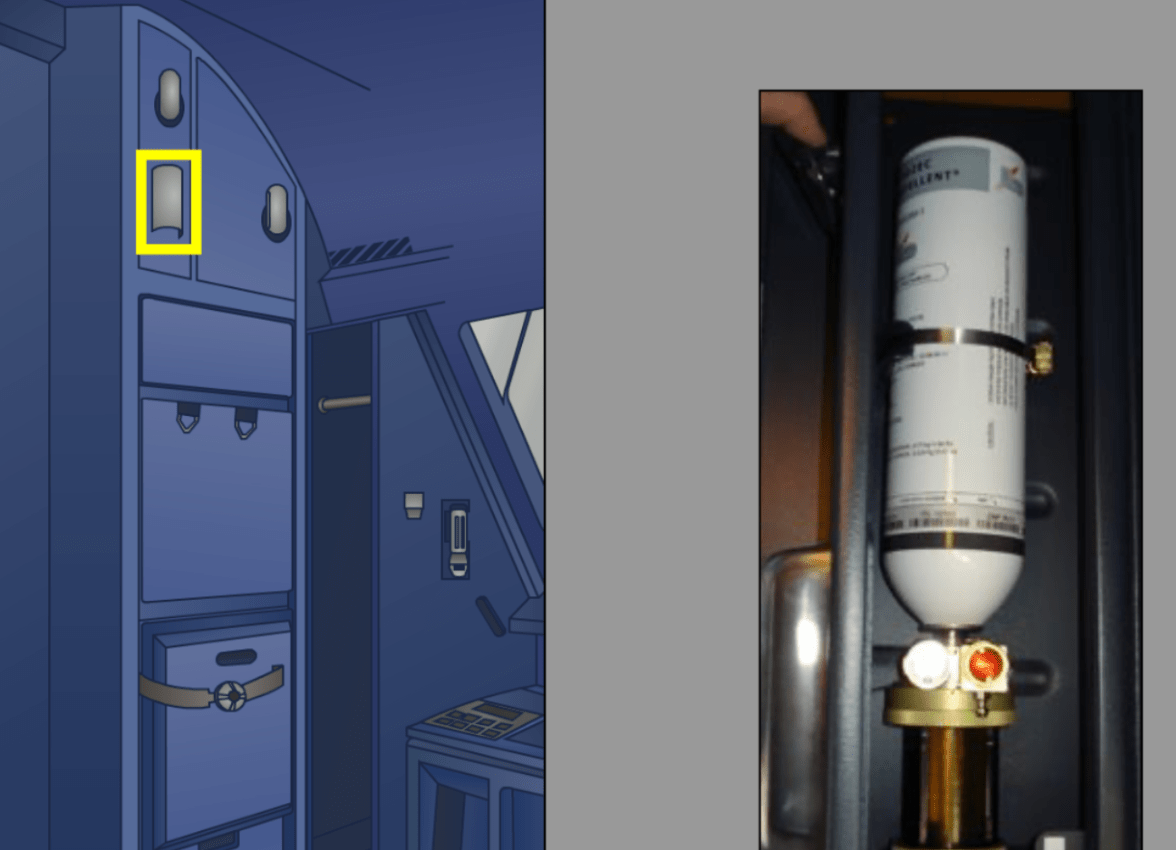
When to replace/refill the rain repellant
When the needle is in the yellow sector or the REFILL float is in view, the bottle should be replaced.
300
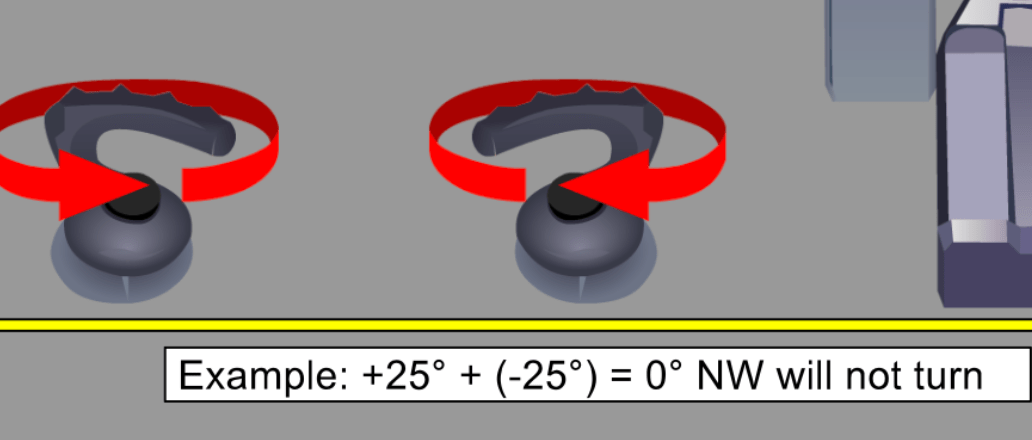
This happens when the Captain and F/O both provide inputs on steering
Captain and First Officer move their handwheels simultaneously, the orders are algebraically summed
400
Maximum speed you can fly with the cockpit windows open
200kts
400
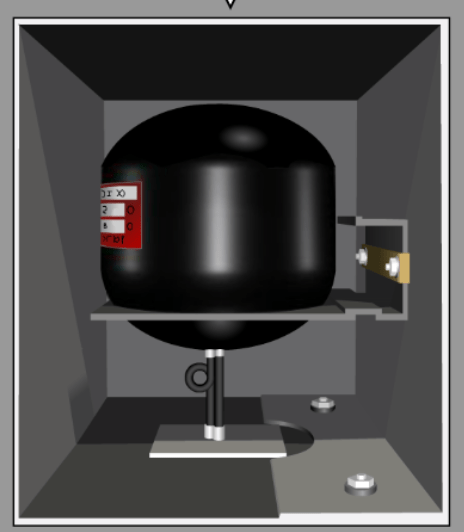
What smoke/fire detection is in the lavatories?
The lavatories have smoke detectors installed in the ceiling, and self-discharging fire extinguisher bottles installed over the waste bins
400
HYD G ENG PUMP LO PR fault is triggered at this pressure
When the green pump output pressure falls below 1,750 psi
400
Fuel Imbalance Limitations
400
This is part of the preliminary cockpit preparation check
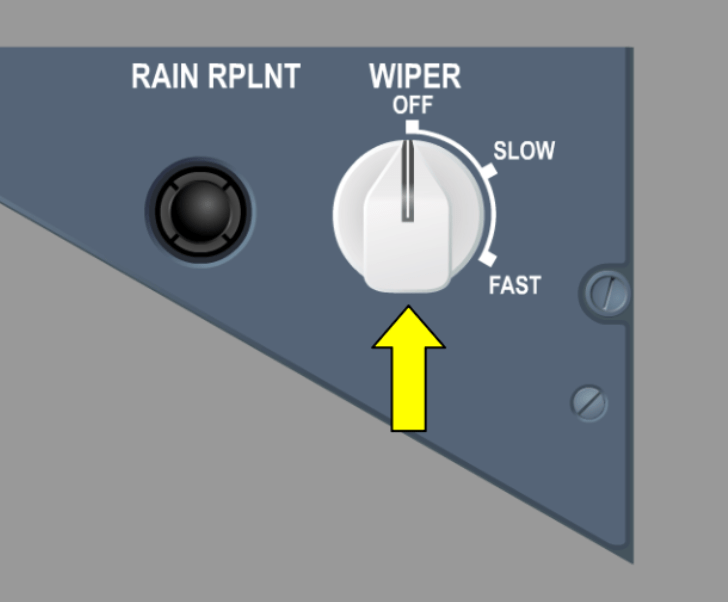
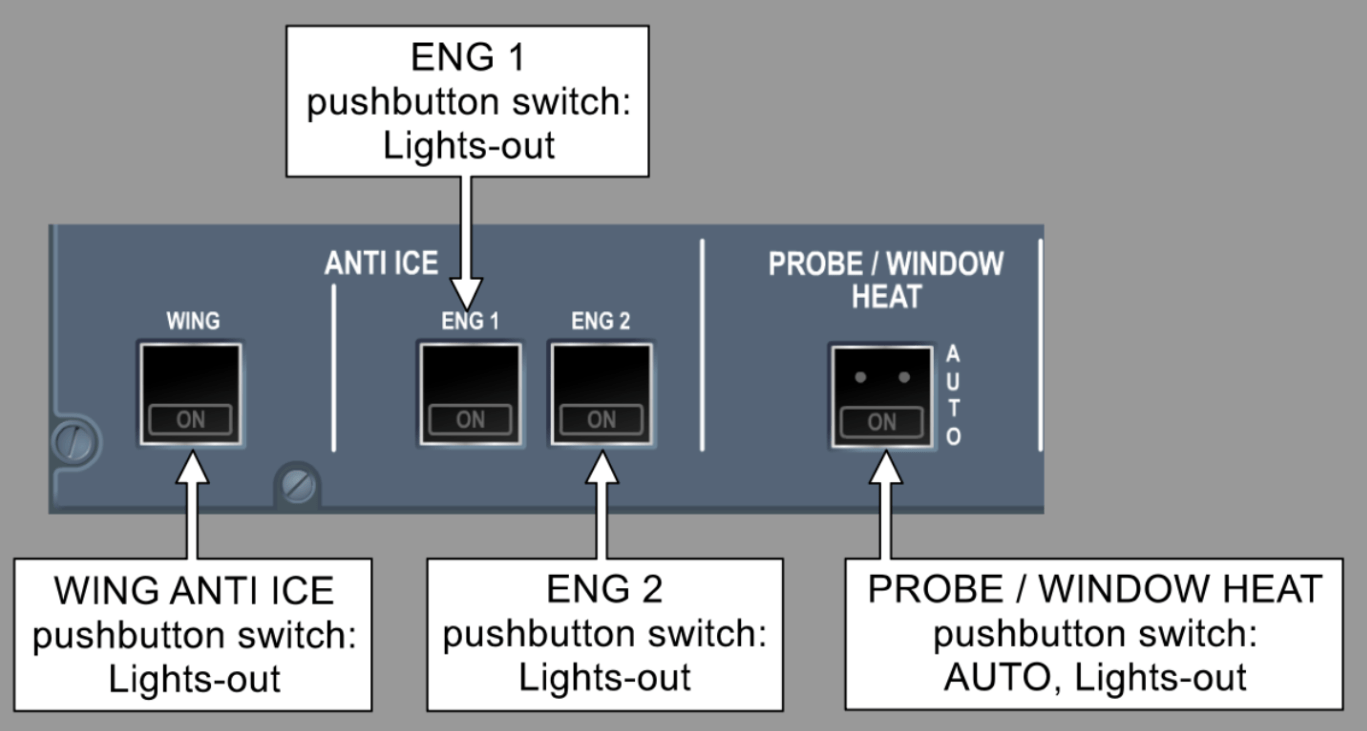
500
How you suspect the emergency flashlight to be faulty.
If the LED blinks longer than 8sec intervals (usually blinks 6-8sec intervals)
500
APU Fire Auto extinguish operation
The APU Fire Extinguishing system operates automatically on the ground. 3 sec after a fire is detected, an emergency shutdown sequence begins and the APU extinguishing bottle is discharged.
500
Maximum refueling and defueling pressures
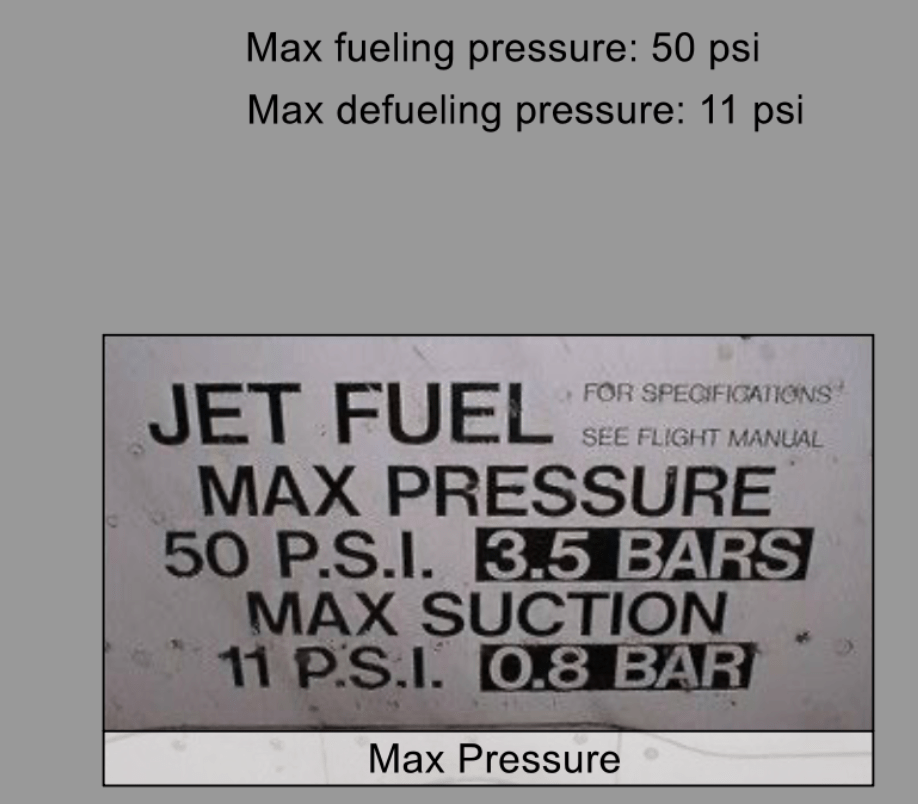
500
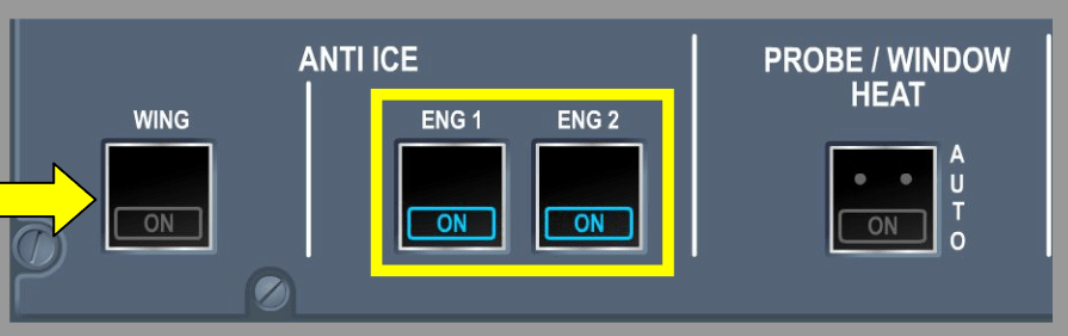
Ice protection should be used on the ground when these conditions exist
OAT on the ground and for takeoff is at or below 10°C and operating on ramps, taxiways or runways where surface snow, standing water or slush may be ingested by the engines, or freeze on engines, nacelles or engine sensor probes
600
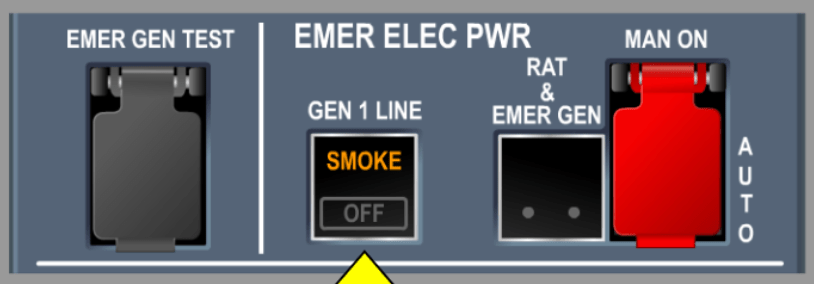
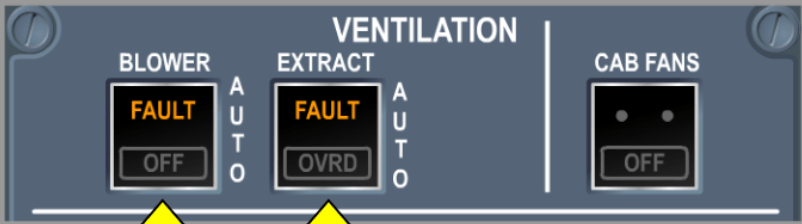
The primary smoke detection system for the avionics bay?
Smoke is detected by the secondary system in the avionics bay, these lights and buttons are illuminated.
The primary system is the pilot's own sense of smell
600
Engine anti-ice be used in flight
ANTI ICE pushbutton switches ON when the TAT is + 10°C or below, and visible moisture in any form is present, except during climb or cruise when the Static Air Temperature (SAT) is - 40°C or below.
ENGINE ANTI ICE must be ON before and during a descent in icing conditions, even if the SAT is below - 40°C.
700
Lifting and releasing the guarded ENG FIRE pushbutton switch does
Lifting the guard and releasing the ENG FIRE pushbutton switch, causes the switch to pop out, and; silences the aural warning; closes the LP fuel shut-off valve; closes the engine bleed valve and pack flow valve; de-energizes the generator;
closes its respective Green or Yellow hydraulic shut-off valve; arms the fire extinguisher squibs; illuminates the SQUIB lights, and cuts off the Full Authority Digital Engine Control (FADEC) system power supply. Note: the FIRE light remains illuminated for as long as a fire is sensed.