Passage I: Q 1-12
Passage I, B
Wordplay with Benefits
Passage III: Q 24-31
100
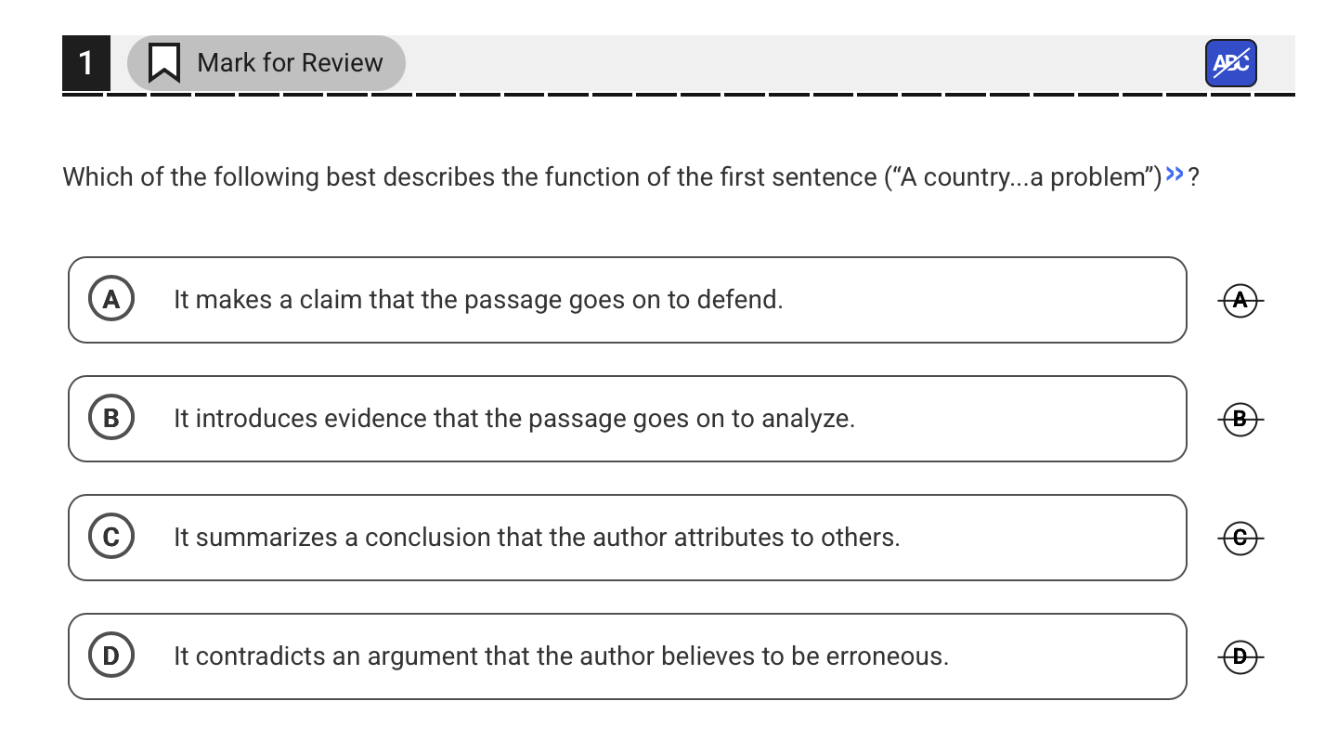
What is "A"?
100
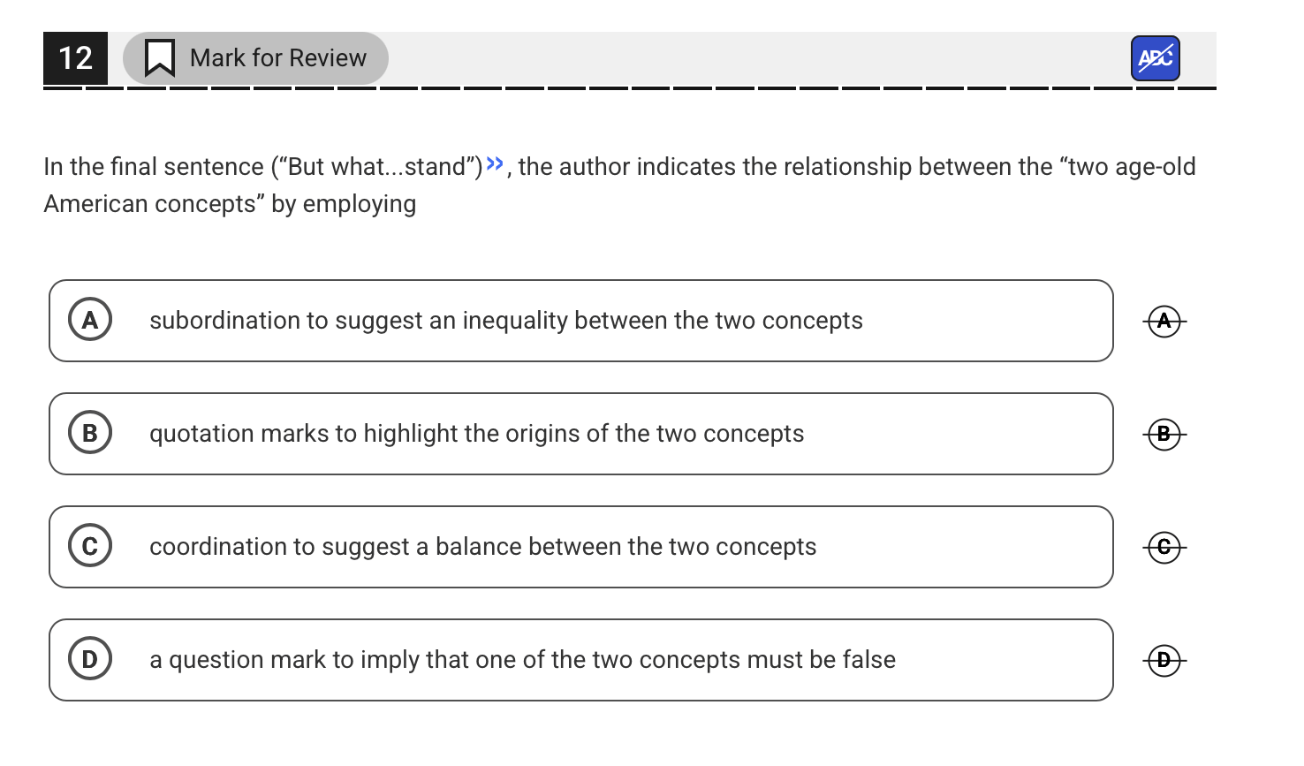
What is "C"?
100
These two words share the same latin etymology "agere," which means to set in motion, drive, or perform.
If a room is on fire, think of the word "exit."
If you are looking for an author's reason, think of the word...
What is "Exigence"?
100
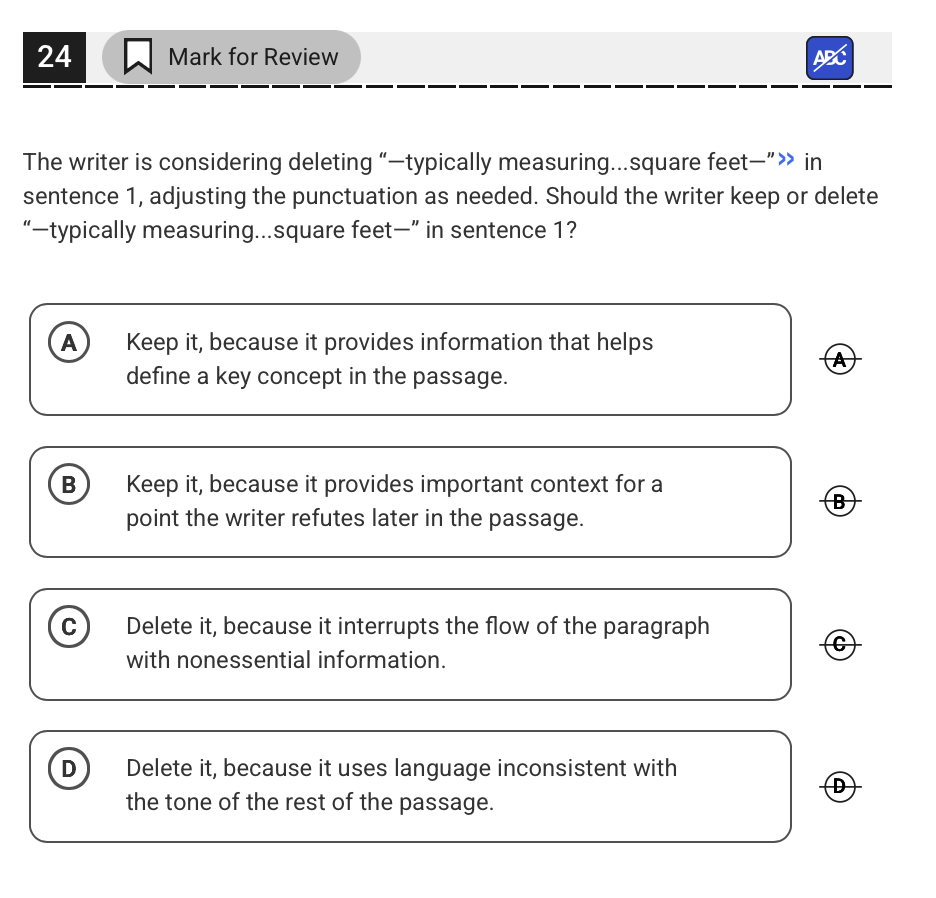
What is "A?"
200
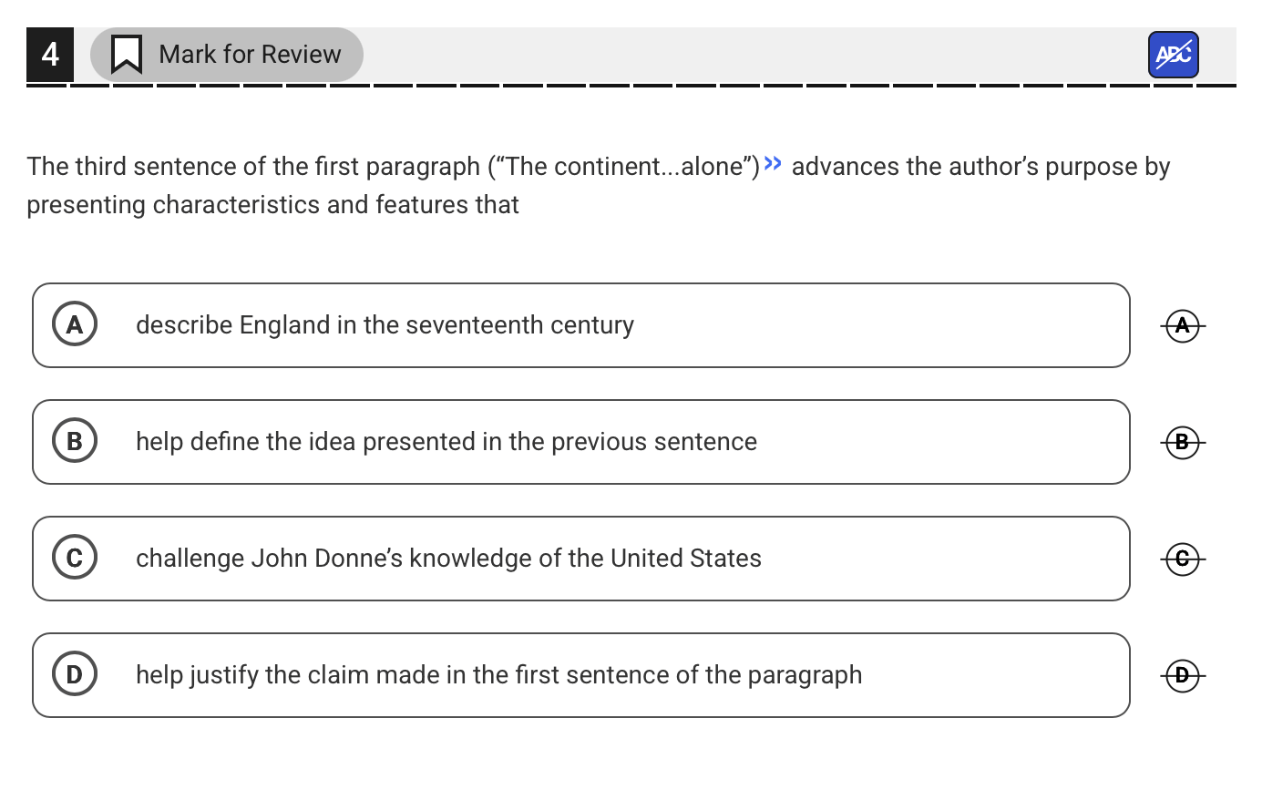
What is "B?"
200
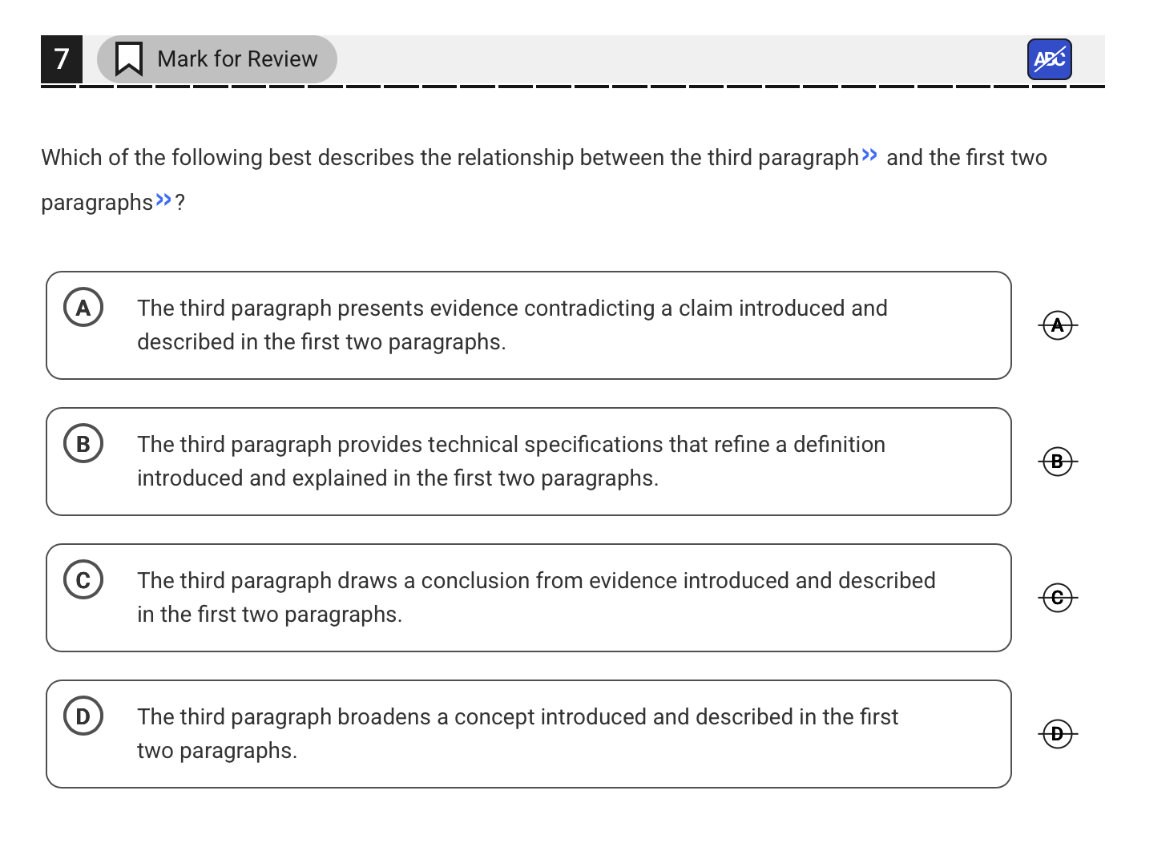
What is "D"?
200
The Frito-Lay Company's appeals are Fritos, Doritos, Cheetos.
In Passage I, the author wrote, "This was how Americans saw themselves, or claimed to see themselves."
Whenever an author appeals to the quality, credibility, or authority of a person, place, or idea, the author uses which Aristotelean appeal...
What is "Ethos"?
200
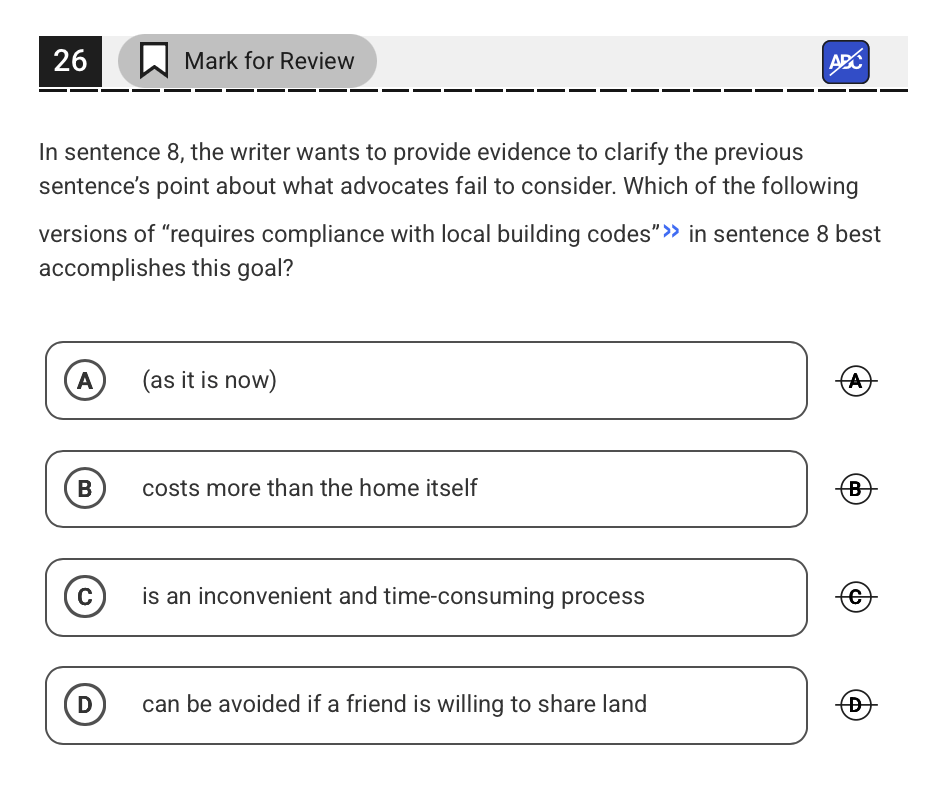
What is "B"?
300
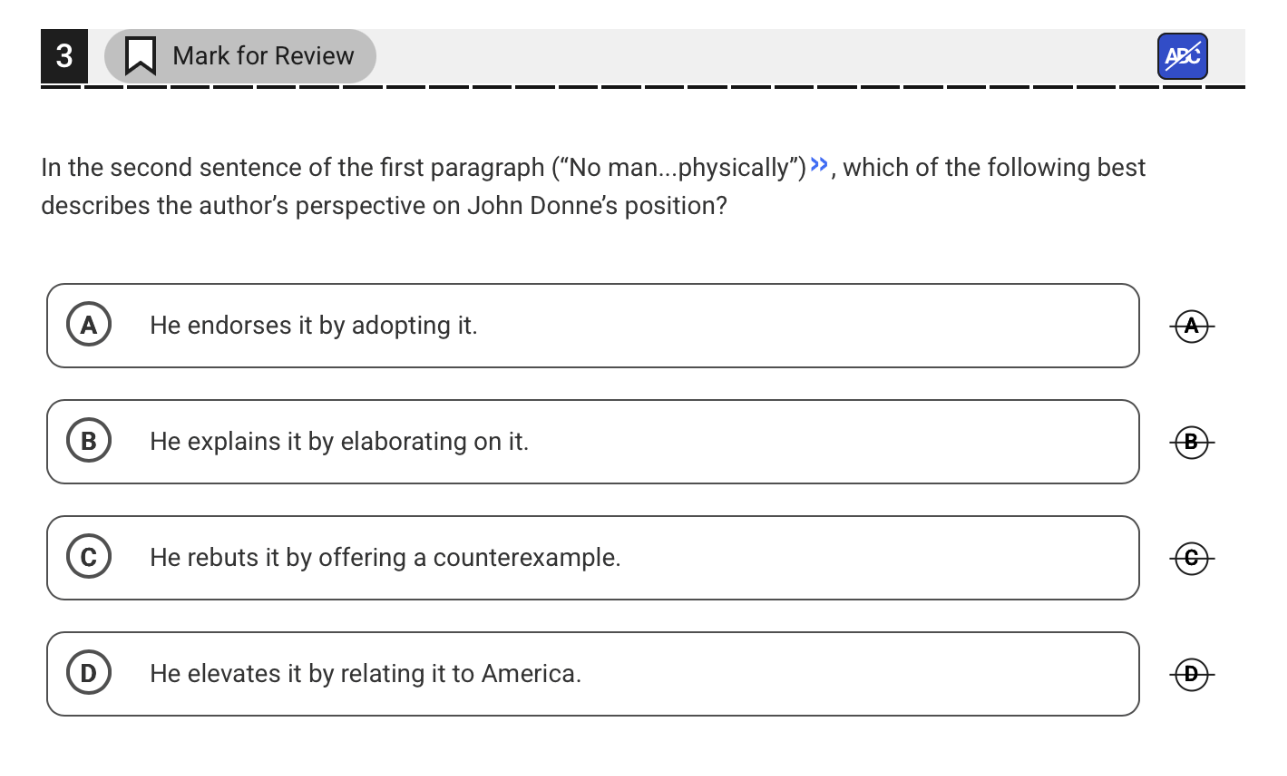
What is "C"?
300
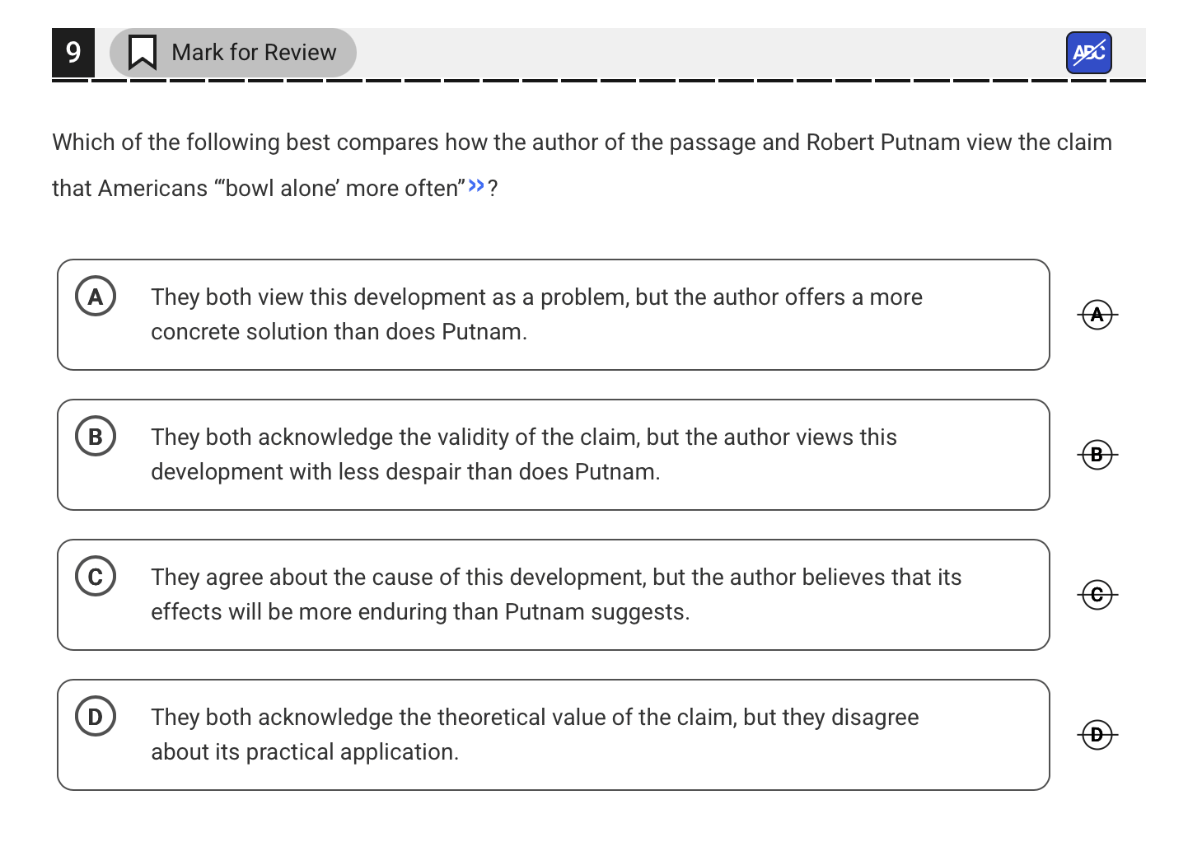
What is "B"?
300
In Passage I, the author juxtaposes two opposite ideas for reconciliation:

Statements like this contain opposing ideas—thesis and antithesis—which form the components of a...
What is “dialectic”?
300
** Daily Double **
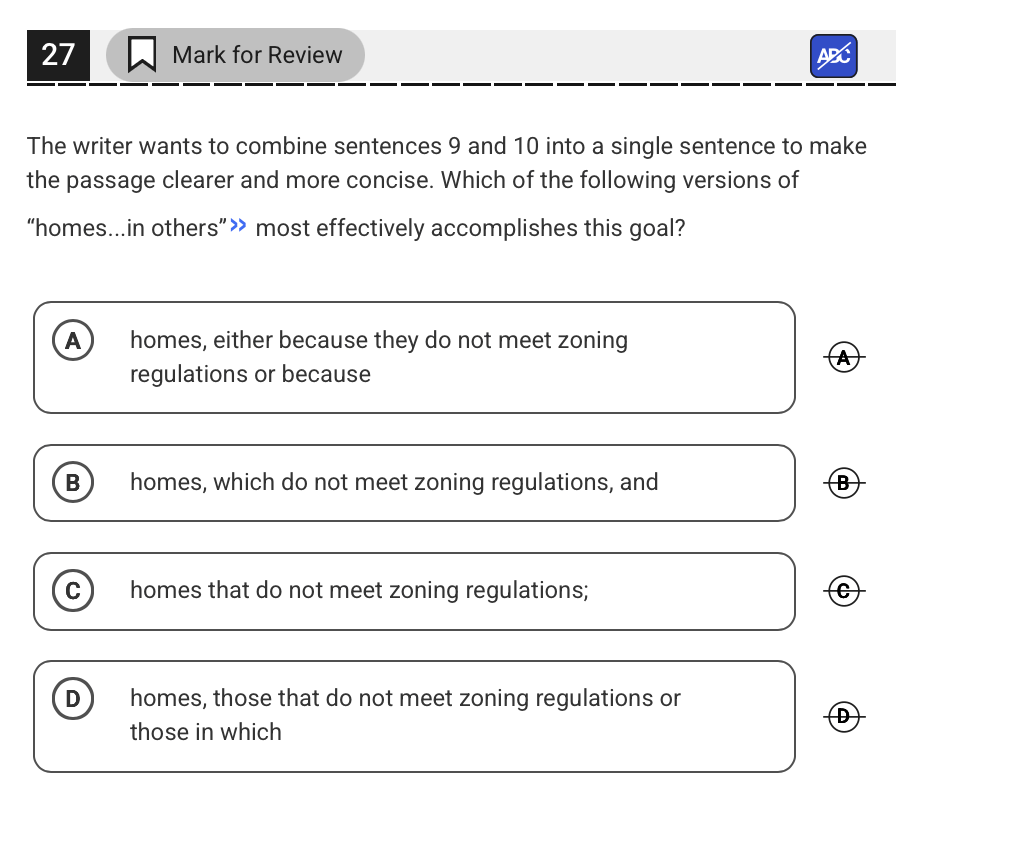
Who is "A"?
400
DAILY DOUBLE
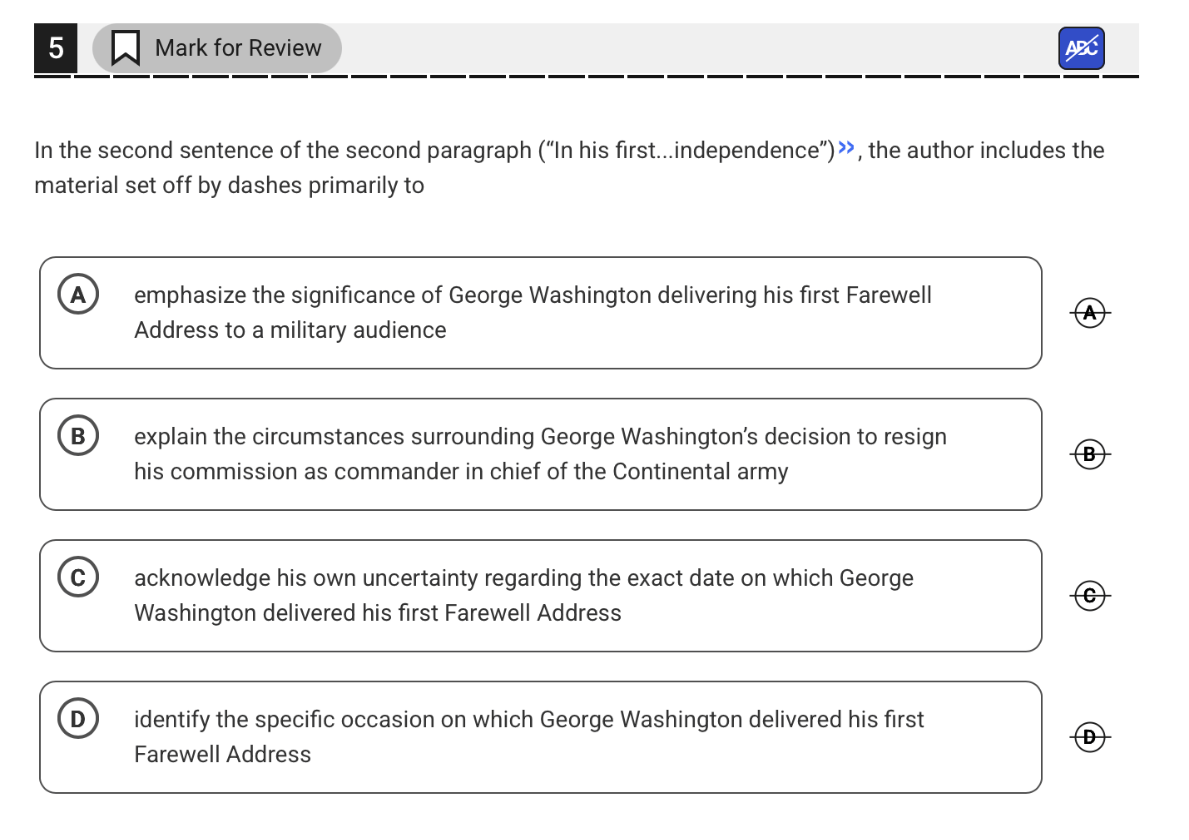
What is "D"?
400
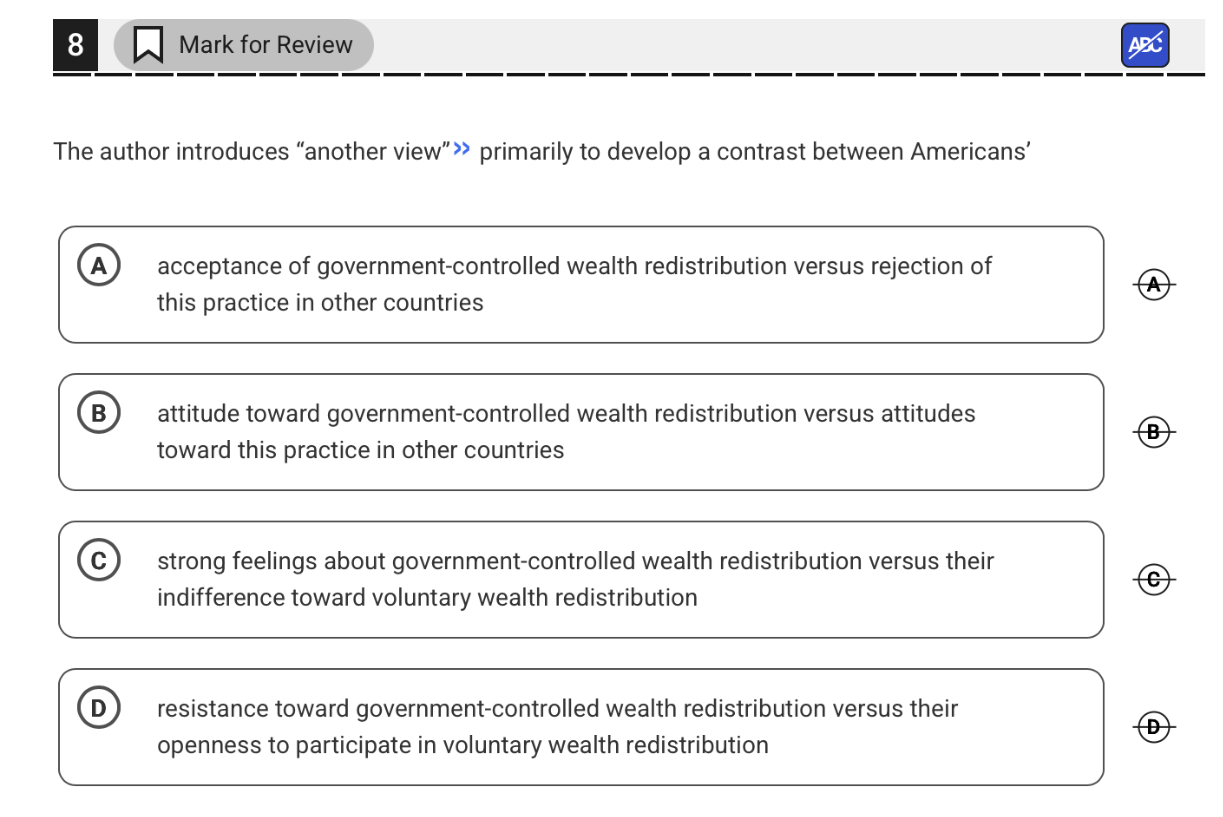
What is "D"?
400
A hurtful sounding term, this rhetorical device pairs opposites—like "grammatically-correct Antonio" or "Correct answer, Kanak" or "You're submitting it early, Jonayed?!"—to create a meaningfully juxtapositional phrase.
What is “oxymoron”?
400
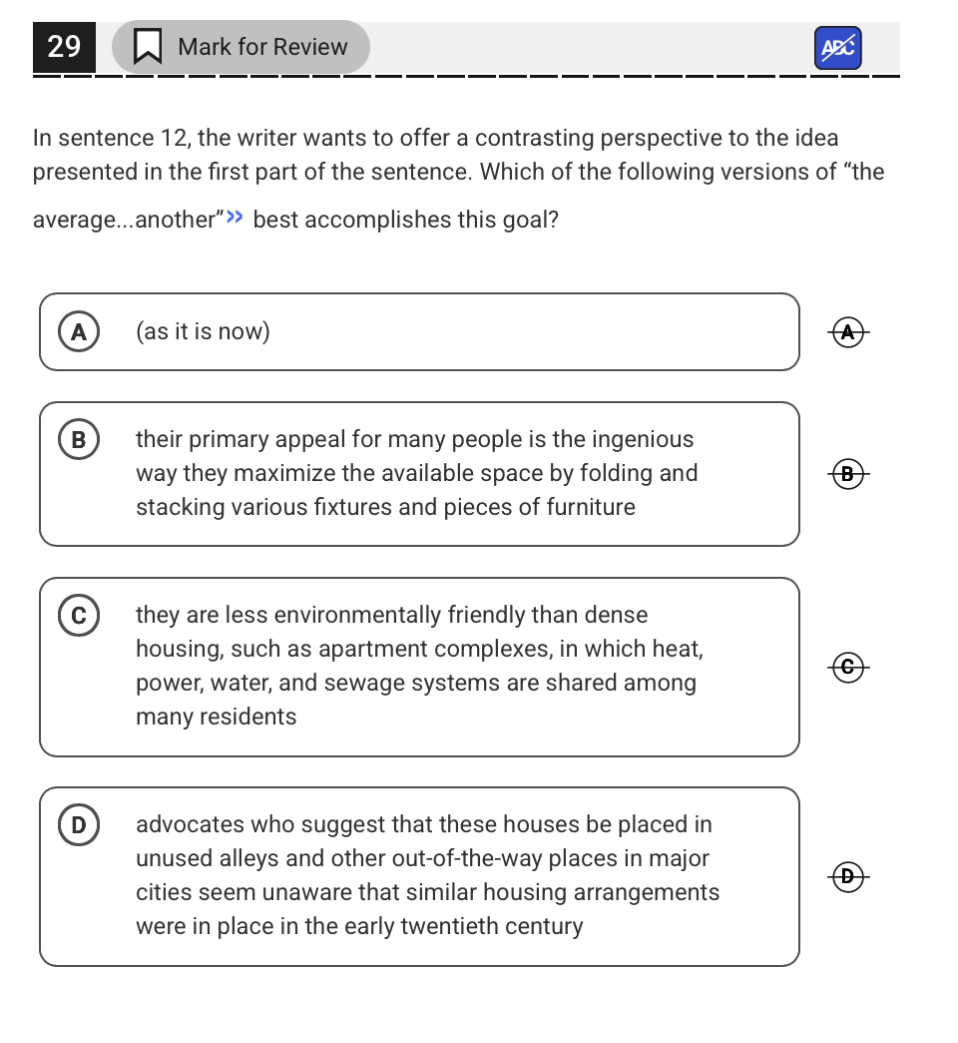
What is "C"?
500
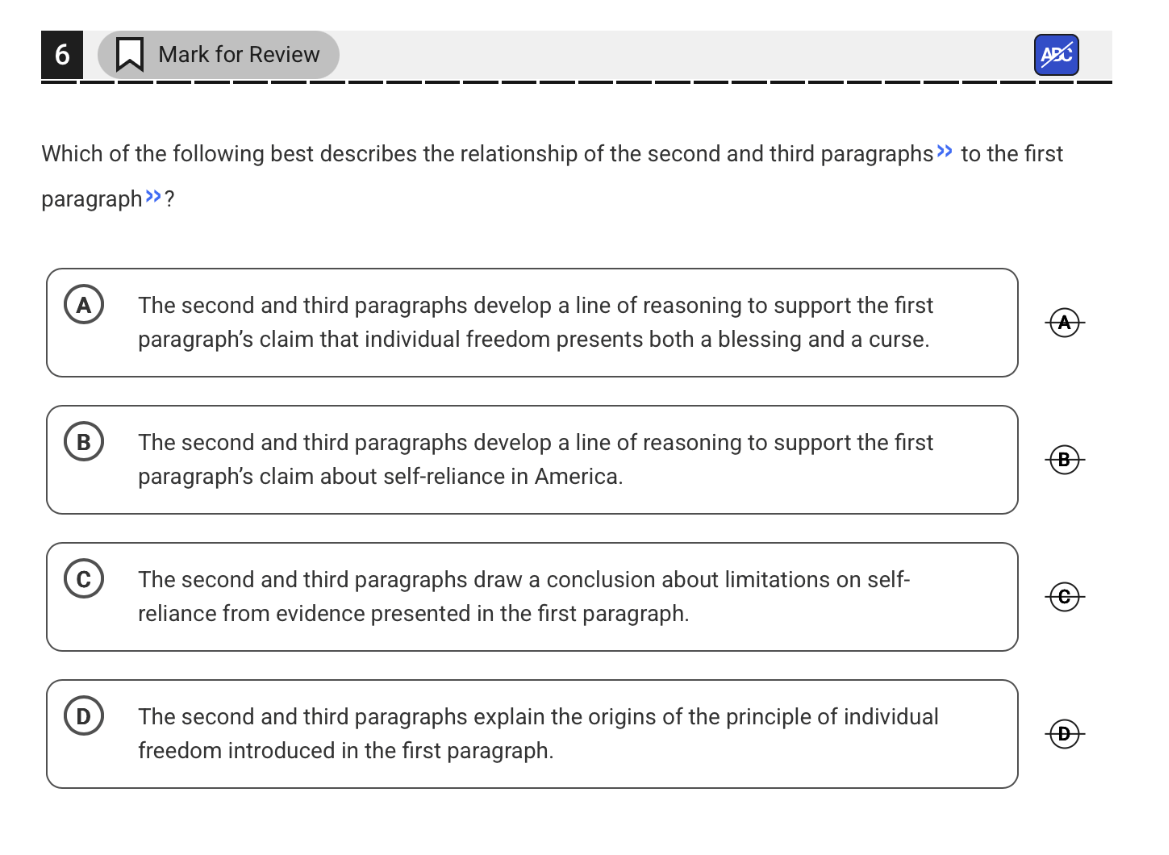
What is "B"?
500
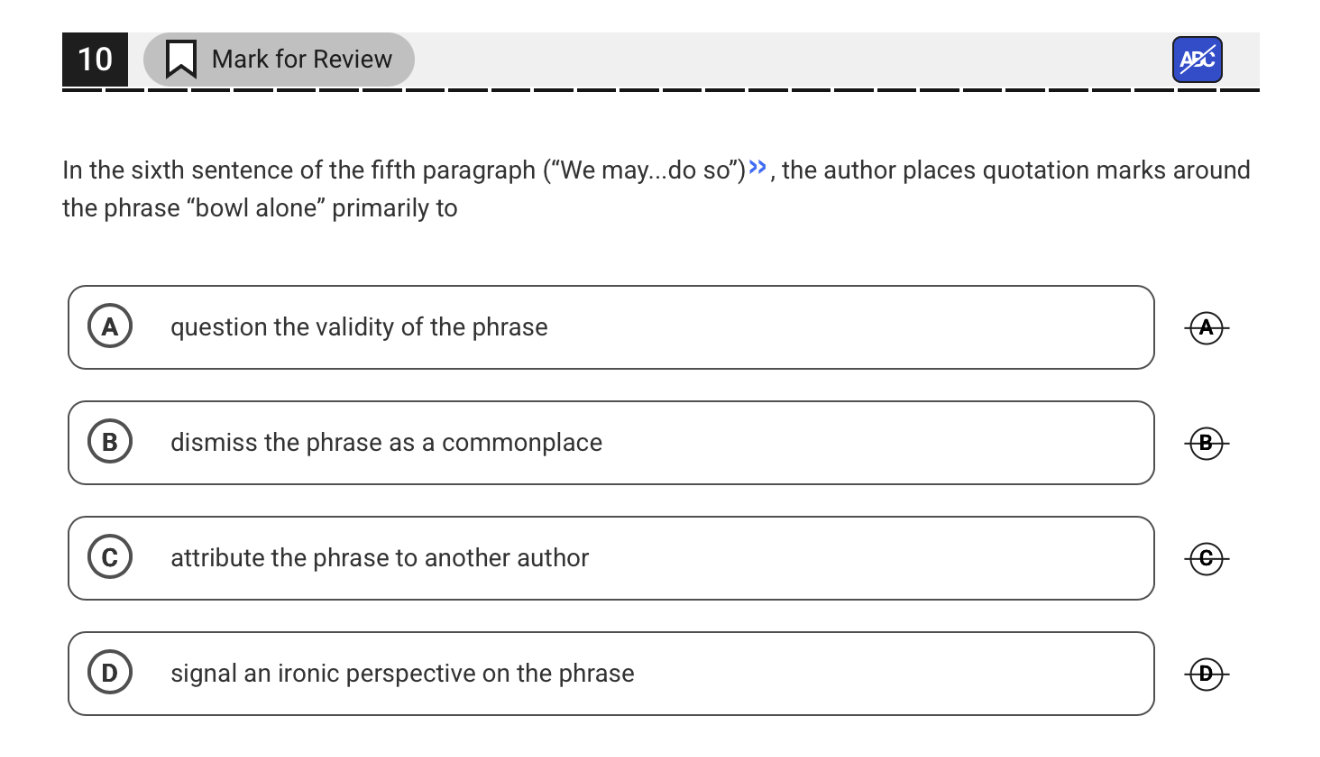
What is "C?"
500
Sometimes, sentences look into the mirror to see themselves:
Whenever an author employs this syntactical flourish, like a math term, he uses a form of...
What is “parallelism”?
500
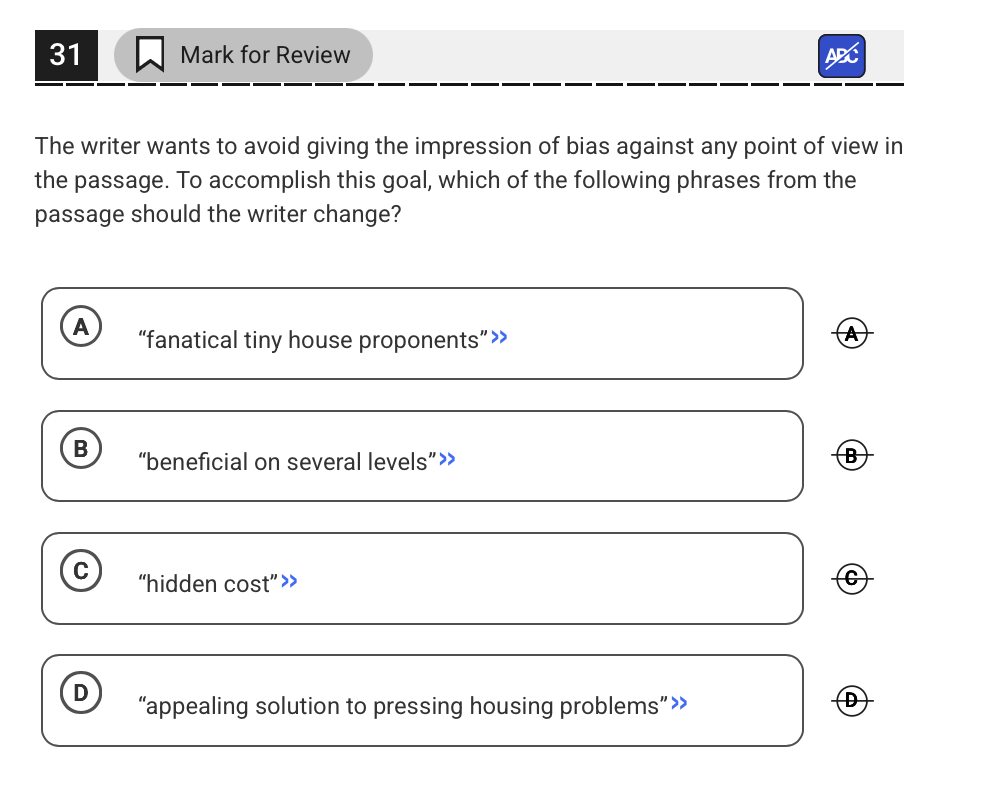
What is "A"?