B-Cell Biology
T-Cell Biology
Antibody Function
Antigen Presentation
Immune Memory
100
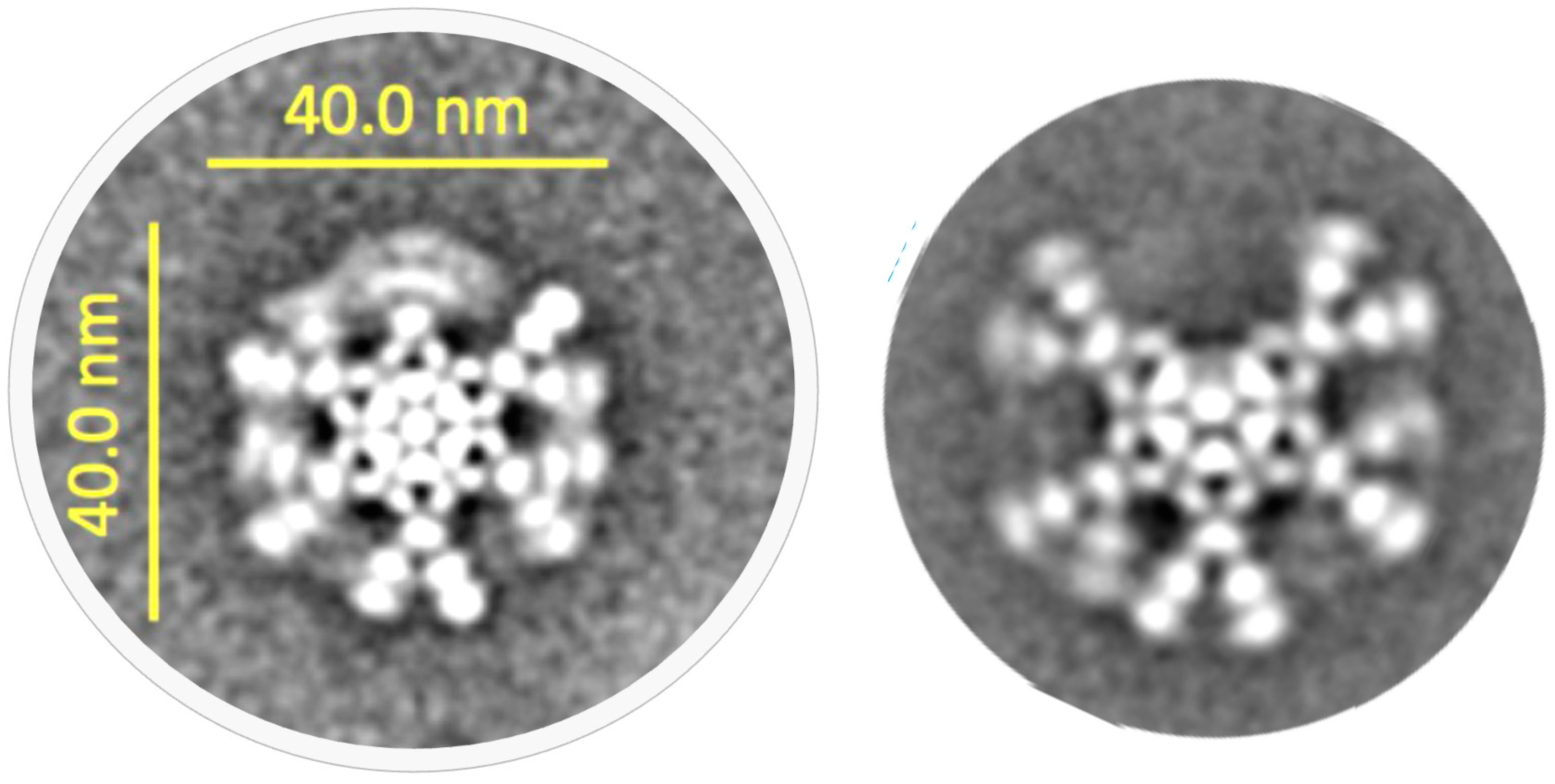
This is the primary antibody produced in a primary immune response by B-cells
IgM
100
This molecule stabilizes interaction between CD4+ T cells and APCs
MHC class II

100
Antibody class that crosses the placenta
IgG

100
Presents endogenous antigens
MHC class I
100
These cells persist after infection and respond rapidly
Memory B and T cells
200
Process by which B cells improve antibody affinity.
bonus points for listing all possible combinations of VDJ recombination ;)
Somatic hypermutation
10^18 possible combinations
200
Cytokine that drives Th1 differentiation and its supporting Interferon
IL-12, IFN-gamma
200
Antibody involved in allergic responses
IgE

200
Cell type that is the most potent antigen-presenting cell
Dendritic cell

200
Location of long-lived plasma cells
Bone marrow
300
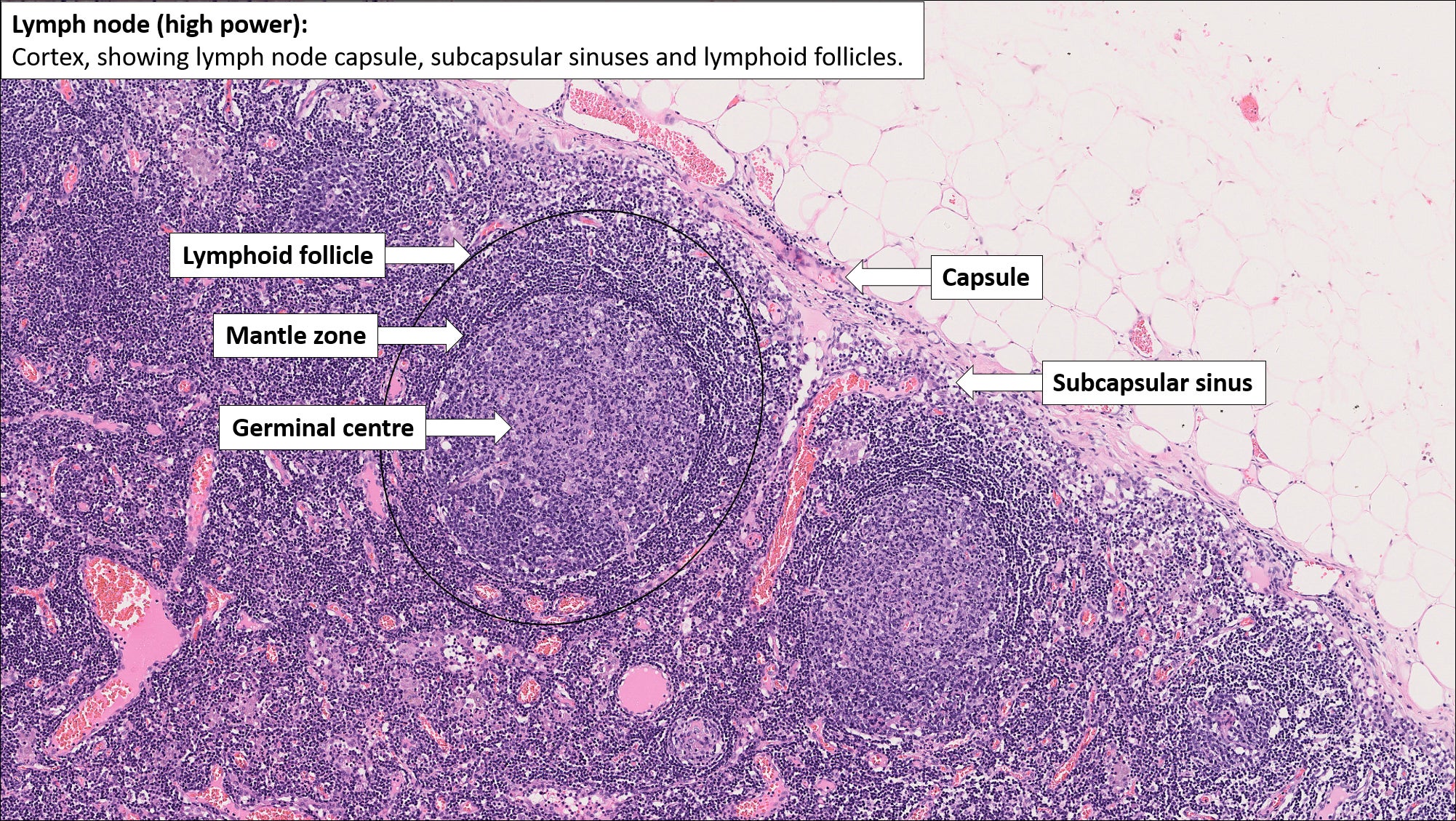
Structure within lymph nodes where B-cell maturation occurs
Germinal center
300
Key function of CD8+ T cells
Cytotoxic killing (perforin/granzyme)

300
Process where antibodies enhance phagocytosis
Opsonisation

300
Mechanism allowing extracellular antigens on MHC I
Cross-presentation
300
Antibody isotype predominating in secondary responses
IgG
400
Enzyme responsible for class switching and somatic hypermutation
Activation-induced cytidine deaminase (AID)
400
This checkpoint molecule downregulates T-cell activation
CTLA-4
400
Complement pathway triggered by antigen-antibody complexes
Classical pathway
400
Location where naive T cells encounter antigen
Lymph node (secondary lymphoid organs)

400
This cytokine supports memory T-cell survival.
IL-7
500
This receptor allows B cells to present antigen to T cells.
MHC class II
500
This co-receptor on T cells binds MHC class I molecules
CD8
500
This region of antibody binds Fc receptors of immune cells
Fc region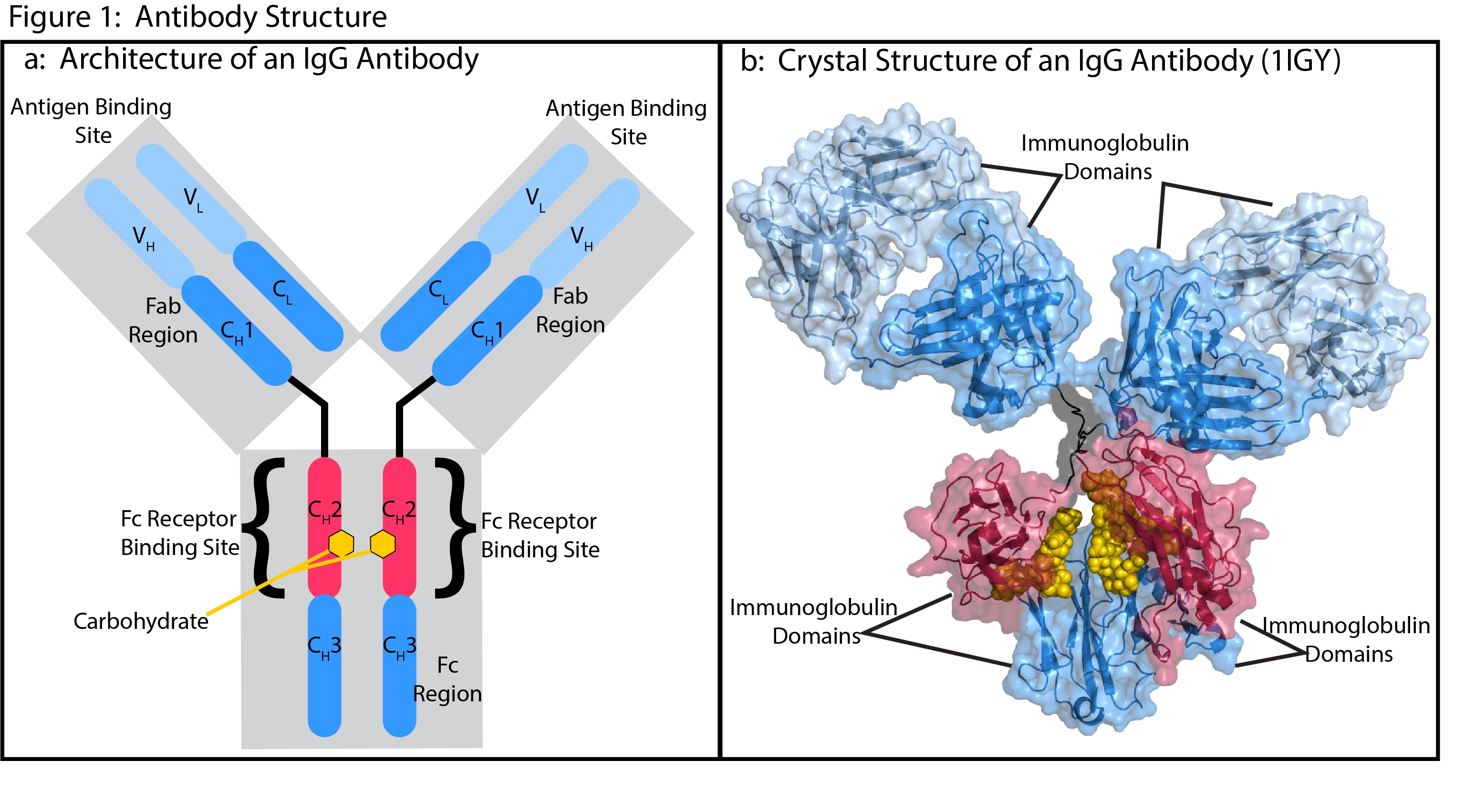
500
This professional antigen presenting cell is the most effective at activating naïve T cells.
dendritic cell

500
Explain why secondary immune responses are faster and more effective than primary responses
Pre-existing memory B/T cells
Faster activation (lower threshold)
Class-switched antibodies (IgG)
Higher affinity (somatic hypermutation)
More rapid clonal expansion