Trauma Llama
Math Time
Uro/Gyn
Infant Eyes
Starts with P
100
A 2-year-old was pulled by the arm by their older sibling. They have not wanted to use the arm since. Describe the two maneuvers commonly performed to resolve the issue.
Hyper-pronation and/or supination-flexion
100
An average-sized 3-year-old presents in status epilepticus. The team obtains an IV. You give this dose of this medication first.
IV lorazepam 0.15 mg (0.1 mg/kg)
100
A male presents with sudden severe testicular pain and vomiting. You must rule this out.
Testicular torsion
100
A 4-day-old presents with copious mucopurulent discharge from the eyes, eyelid edema, and a fever. You suspect this causative agent.
Neisseria gonorrhoeae
100
This abdominal organ can be injured by a bike handle bar to the abdomen.
Pancreas
200
These findings on this x ray make you concerned for a fracture.
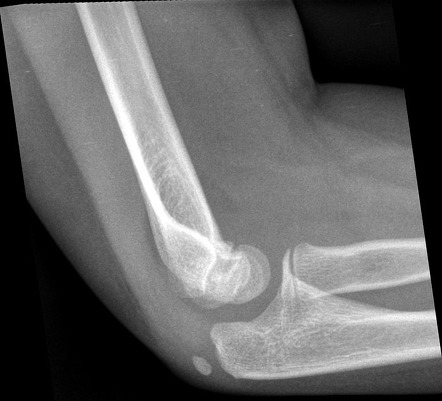
Anterior fat pad (sail sign)
Visible posterior fat pad
200
This is the status epilepticus dose of levetiracetam.
60 mg/kg up to 4500 mg
200
An adolescent boy had acute onset of testicular pain 6 hours ago. You have the results of an ultrasound showing testicular torsion. Urology is stuck in a procedure and will not be able to consult for a couple of hours. You attempt detorsion with this maneuver first.
External rotation / open the book
200
A 12-day-old presents with watery discharge from both eyes and conjunctival injection in a mother who did not receive prenatal care. You suspect Chlamydia trachomatis as the causative agent. The treatment increases the risk of what complication of the GI tract?
Hypertrophic pyloric stenosis
200
This is the term for the emergent situation when an uncircumcised boy has entrapment of the foreskin behind the glans.
Paraphimosis
300
This is the initial treatment for a sting ray sting.
Submersion in hot water (110-115*F) for 30-90 minutes.
300
This is the route, dose, mL amount, and concentration of epinephrine you would give to an average-sized 5-year-old in anaphylaxis.
0.2 mg = 0.2 mL of the 1:1,000 (1 mg/mL) given IM
300
This is the treatment for this rash.
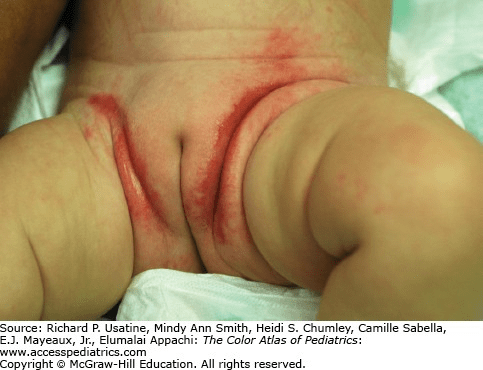
Topical anti fungal
300
A 4-month-old presents with a subconjunctival hemorrhage. You should consider this diagnosis.
NAT
300
The scotch tape test can be used to diagnose this condition.
Pinworms
400
What size cuffed ETT would you plan to use when intubating an 8 year old?
5.5
(age in years/4) + 3.5 for cuffed
400
This is the initial dose of adenosine for SVT.
0.1 mg/kg up to 6 mg
400
A 15-year-old female presents with 5 hours of waxing and waning left flank and LLQ pain, associated with nausea and two episodes of emesis. HCG and UA are negative. This is the best next test to order.
Pelvic ultrasound with doppler to rule out ovarian torsion
400
You expect this diagnosis in this 1 month old. 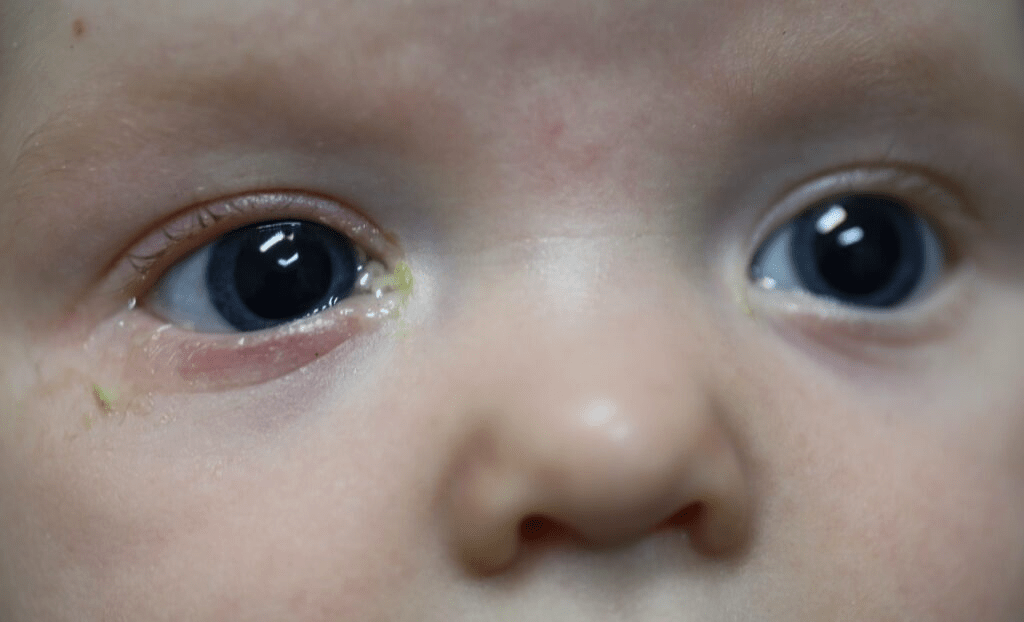
Dacryostenosis
400
If you visualize pus coming from Stensen's duct, you expect this condition.
Parotitis
500
A toddler chewed on an appliance cord at home and sustained a burn to the corner of their mouth. You warn the parents about this delayed complication.
Labial artery bleed
500
A 6-day-old crashing neonate presents with lethargy, SOB, delayed cap refill, and a murmur. The BP is 75/35 in the RUE and 42/34 in the RLE. You order an infusion of this medication at this weight-based dose.
prostaglandin E1 (Alprostadil) 0.05 mcg/kg/min
500
A 5-year-old female with a history of chronic constipation presents with blood spots in her underwear and pain with wiping. On exam there is a red donut-shaped mass. You suspect this.
Urethral prolapse
500
At this age, an infant should begin to briefly visually track.
2 months
500
This physical exam finding would make you more worried about orbital cellulitis than pre-septal cellulitis.
Proptosis