Riding Dirty
Are we there yet
Gadgets & Gizmos
Clear Right
Flight Suits
are Onesies
are Onesies
Back in Service
100
This six-pointed emblem identifies a vehicle as a licensed or certified ambulance.

What is the Star of Life?
100
This is the first phase of an ambulance call, where equipment is checked and the team prepares for duty.
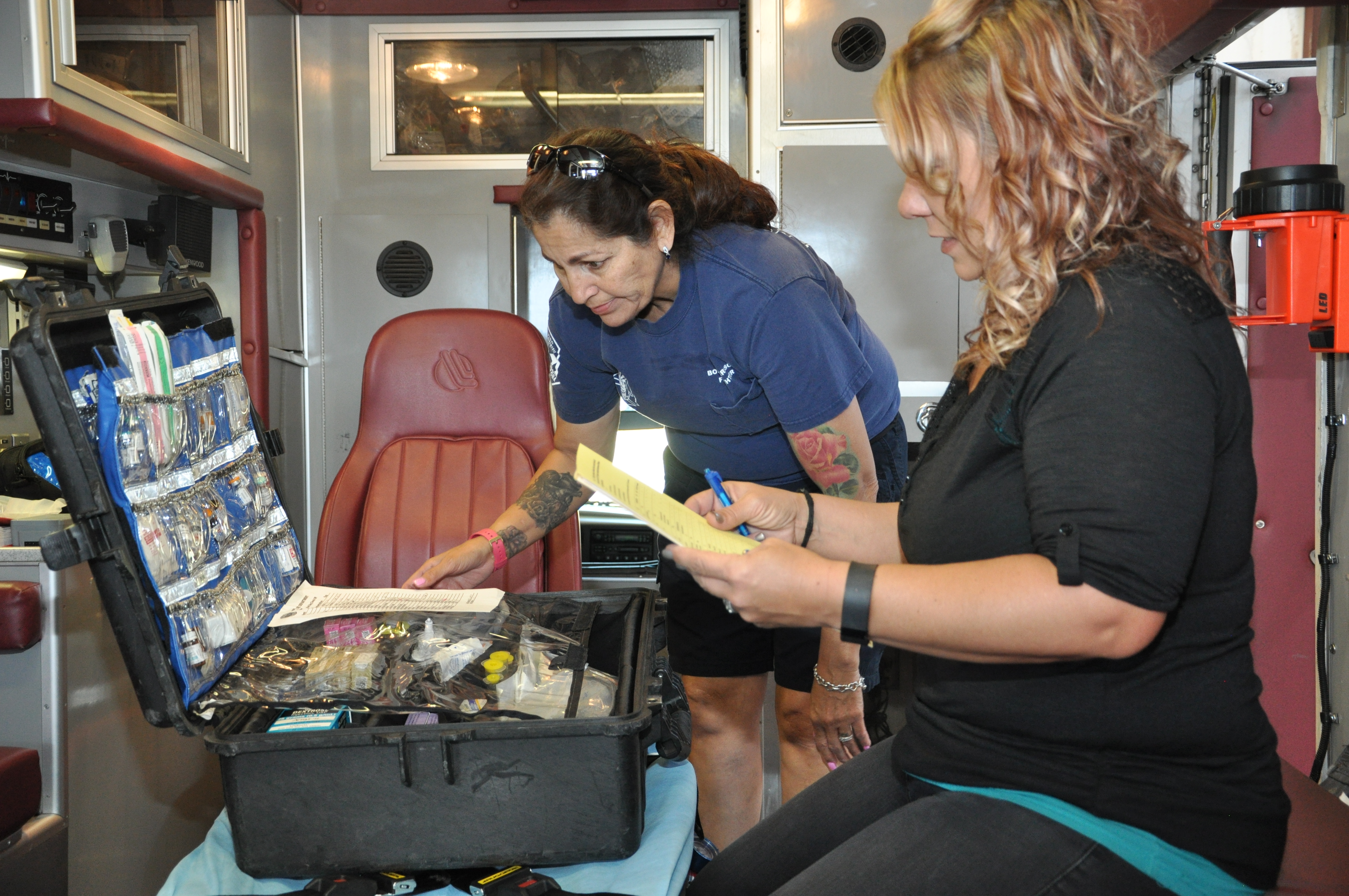
What is the Preparation phase?
100
Items like sterile gloves, umbilical tape, and a bulb syringe are found in this specific kit.
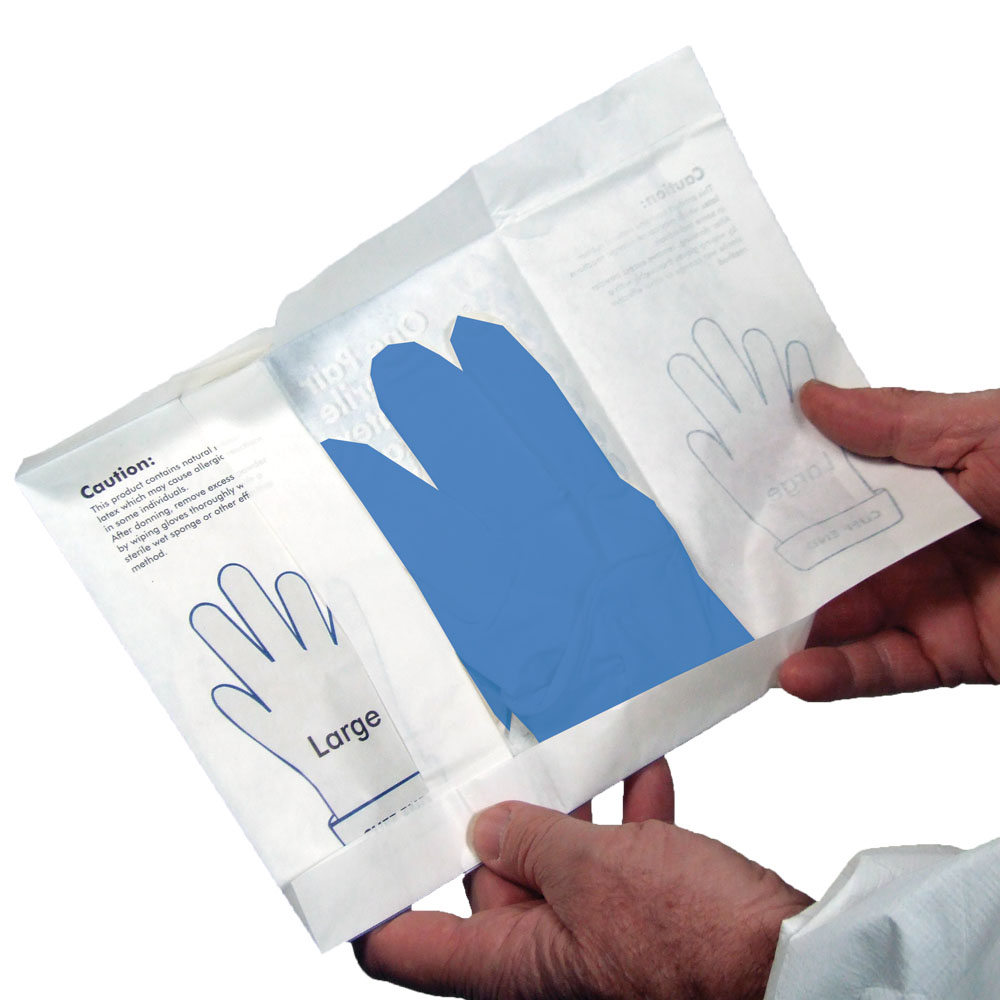
What is the emergency obstetric (OB) kit?
100
This is the first and most important rule of safe ambulance driving.
What is "speed does not save lives"
100
This is the common term for medical evacuation of a patient by helicopter.
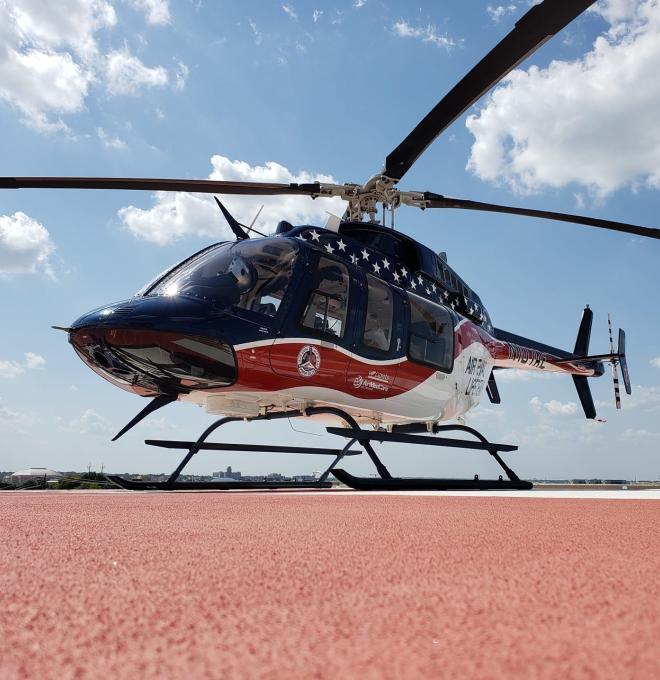
What is a medevac?
100
This is how often an ambulance should be inspected for fuel, oil, and fluid levels.

What is daily?
200
This type of ambulance consists of a conventional truck cab-chassis with a modular body that can be transferred.
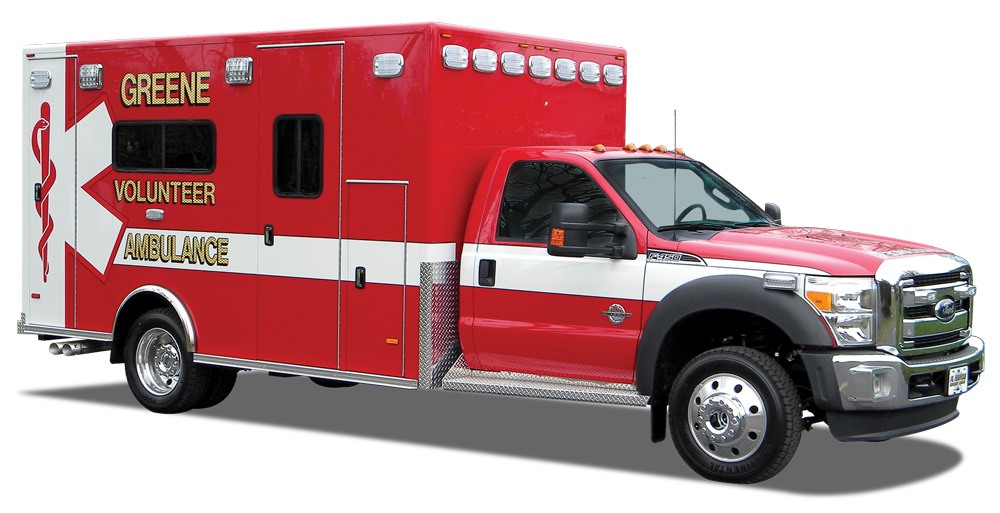
What is a Type I ambulance?
200
In many ways, this phase—traveling to the call—is the most dangerous for responders.

What is the En Route phase?
200
This portable, durable kit contains everything needed for the first 5 minutes of patient care.
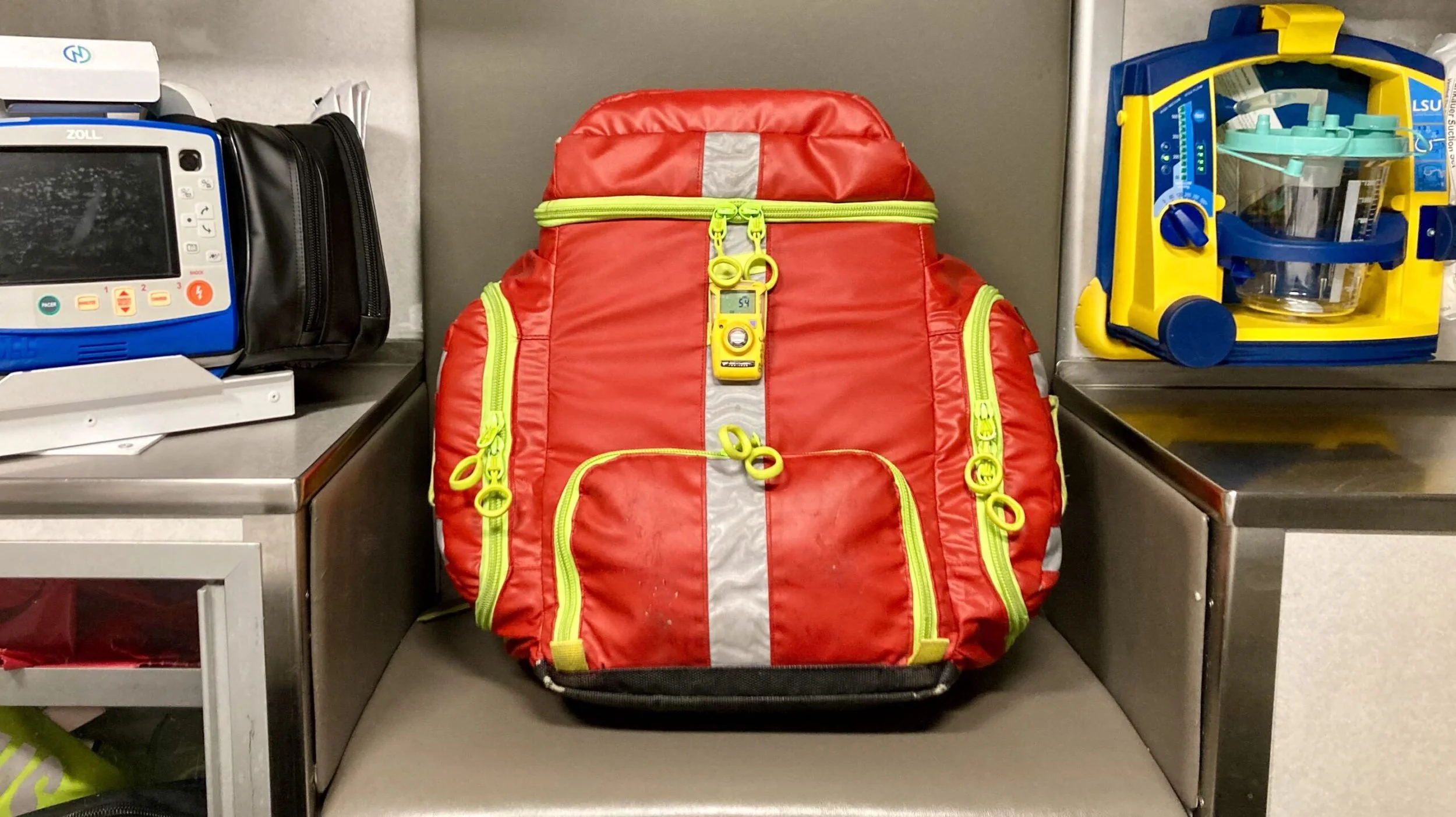
What is the jump kit?
200
This psychological and physiological response can occur when driving with lights and sirens, impairing judgment.
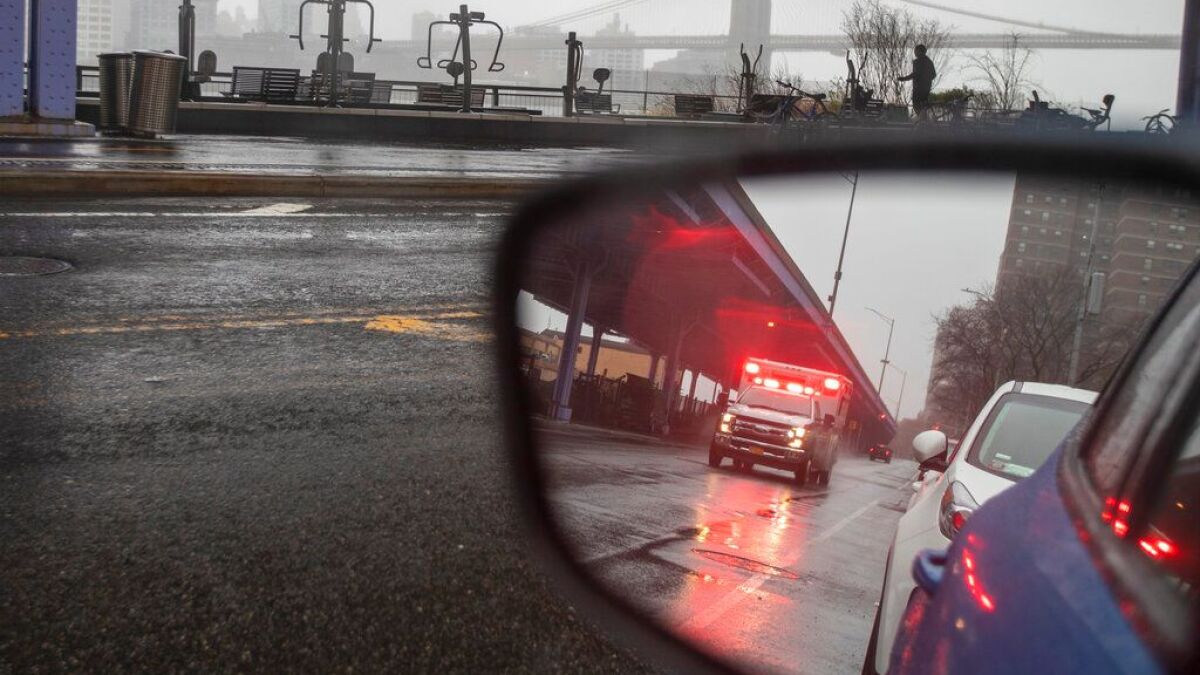
What is a "rush of adrenaline"?
200
These aircraft are generally used for interhospital transfers over distances greater than 100 to 150 miles.

What are fixed-wing aircraft?
200
This process removes dirt, dust, and blood from a surface but does not necessarily kill germs.

What is cleaning?
300
This is the structural framework of an ambulance.

What is the Chassis?
300
Upon reaching the patient, you should perform this immediately to evaluate safety and mechanism of injury.
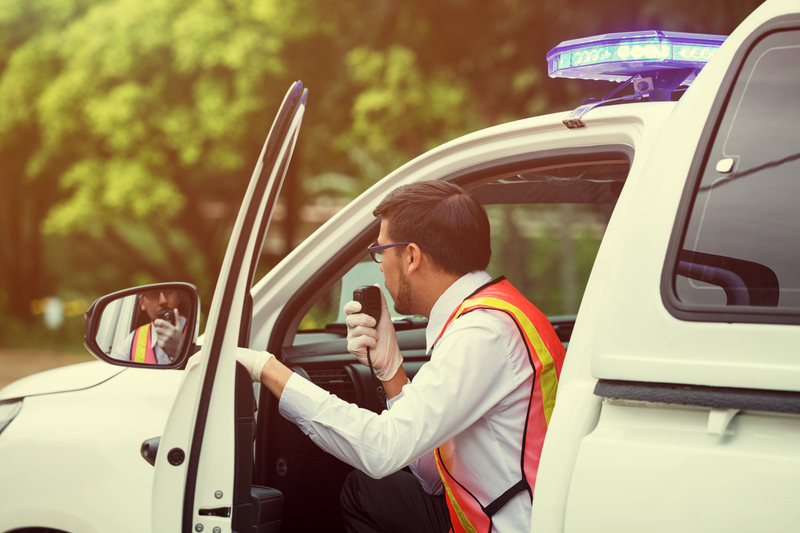
What is a scene size-up?
300
This tool is used to help move patients through narrow spaces or down stairs.
What is a wheeled stair chair?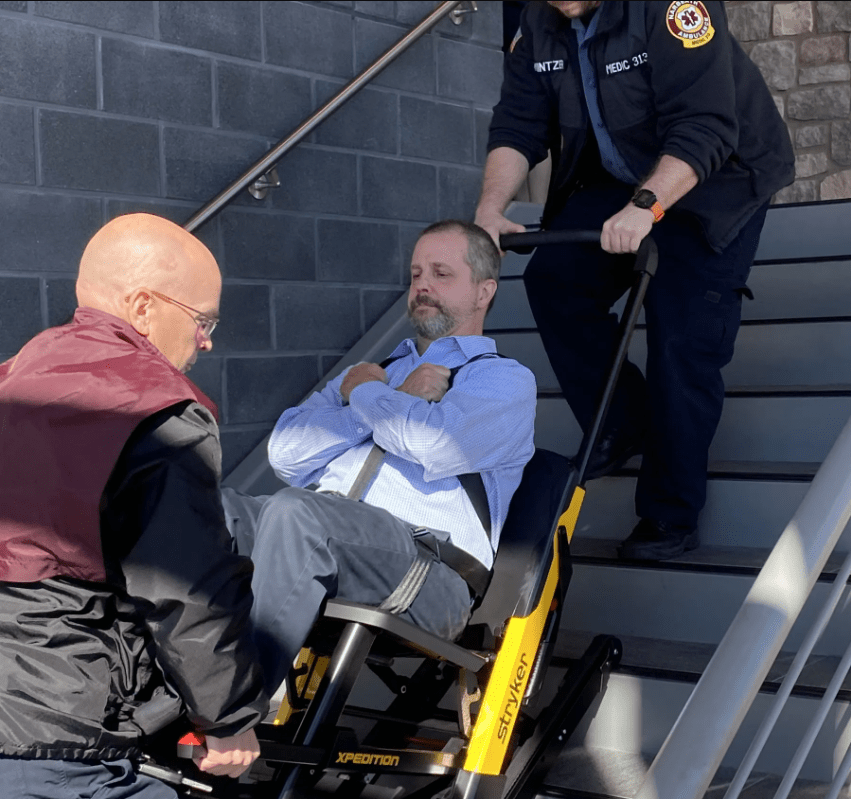
300
This condition occurs when tires lose contact with a wet road at speeds greater than 30 mph.

What is hydroplaning?
300
An ideal landing zone (LZ) should measure at least this many feet on each side.
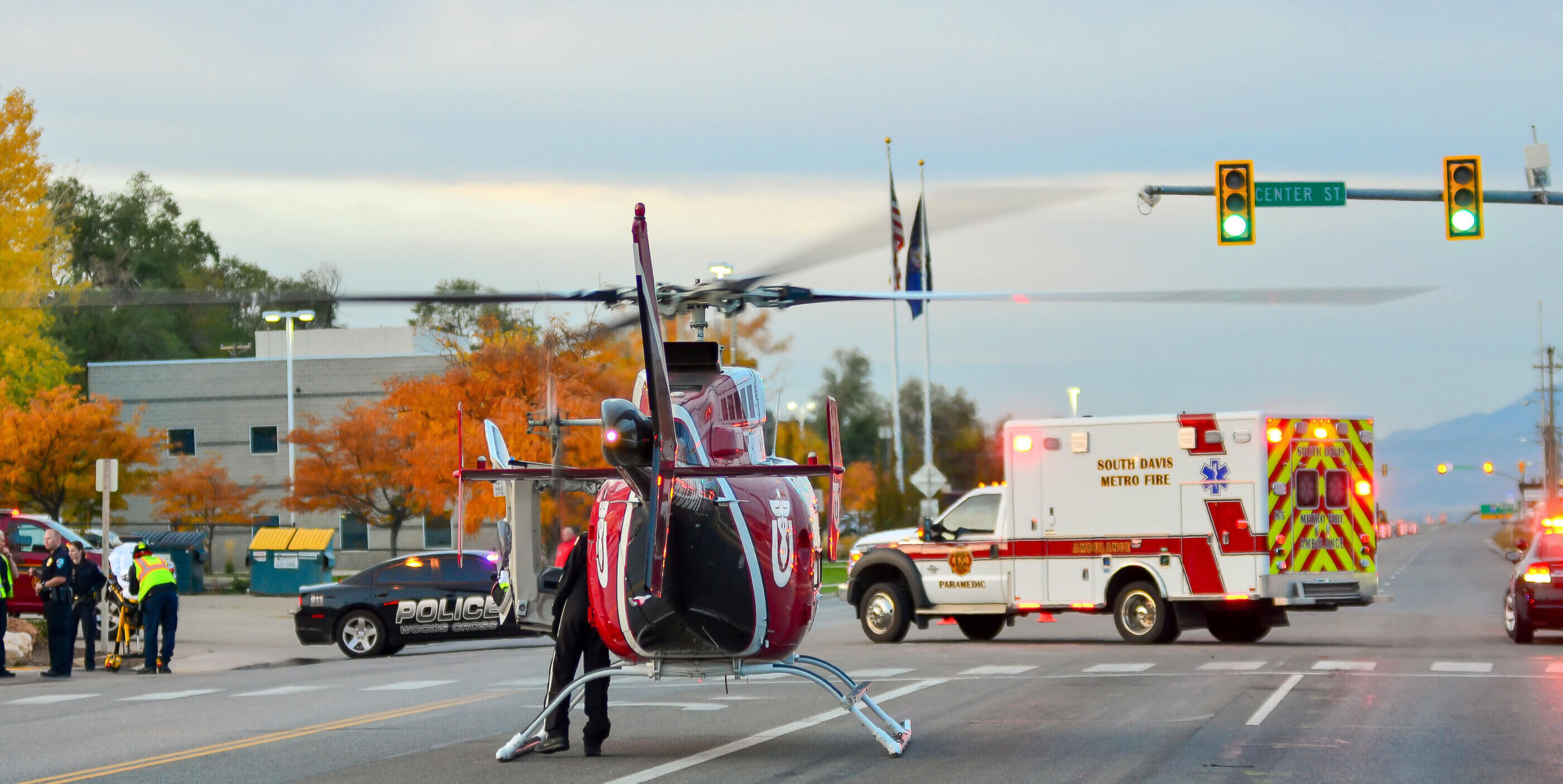
What is 100 × 100 feet?
300
This process kills pathogenic agents by directly applying a chemical to a surface.
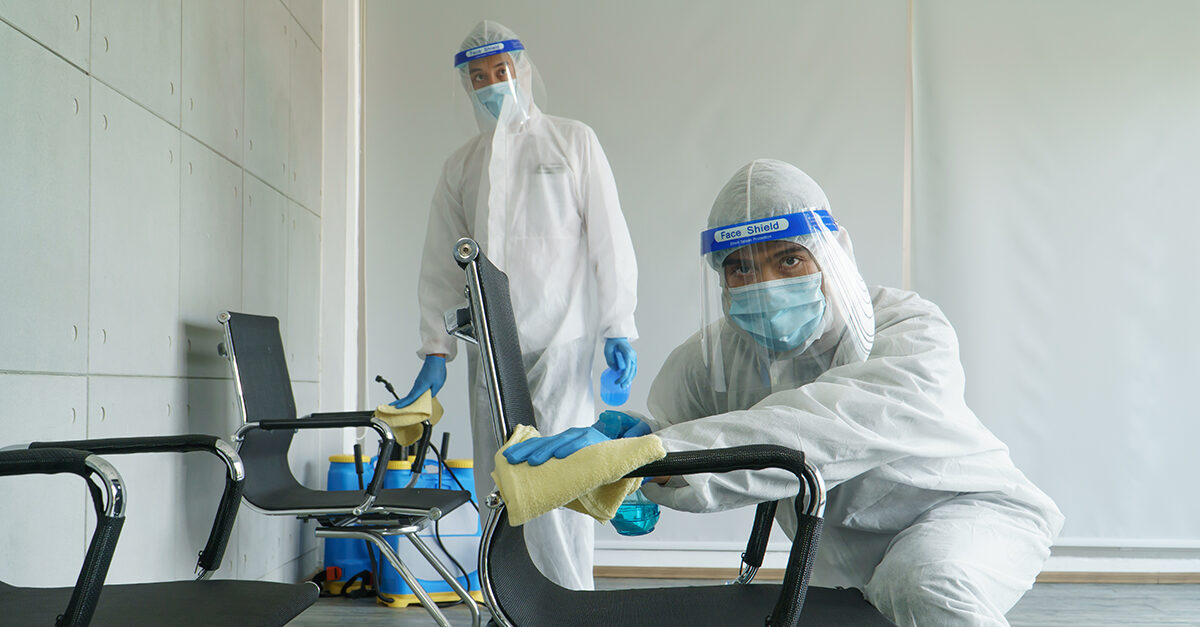
What is disinfection?
400
These specialized vehicles allow providers to treat patients until a transporting ambulance arrives.

What are first-responder vehicles?
400
This phase involves turning over patient care to the emergency department staff.
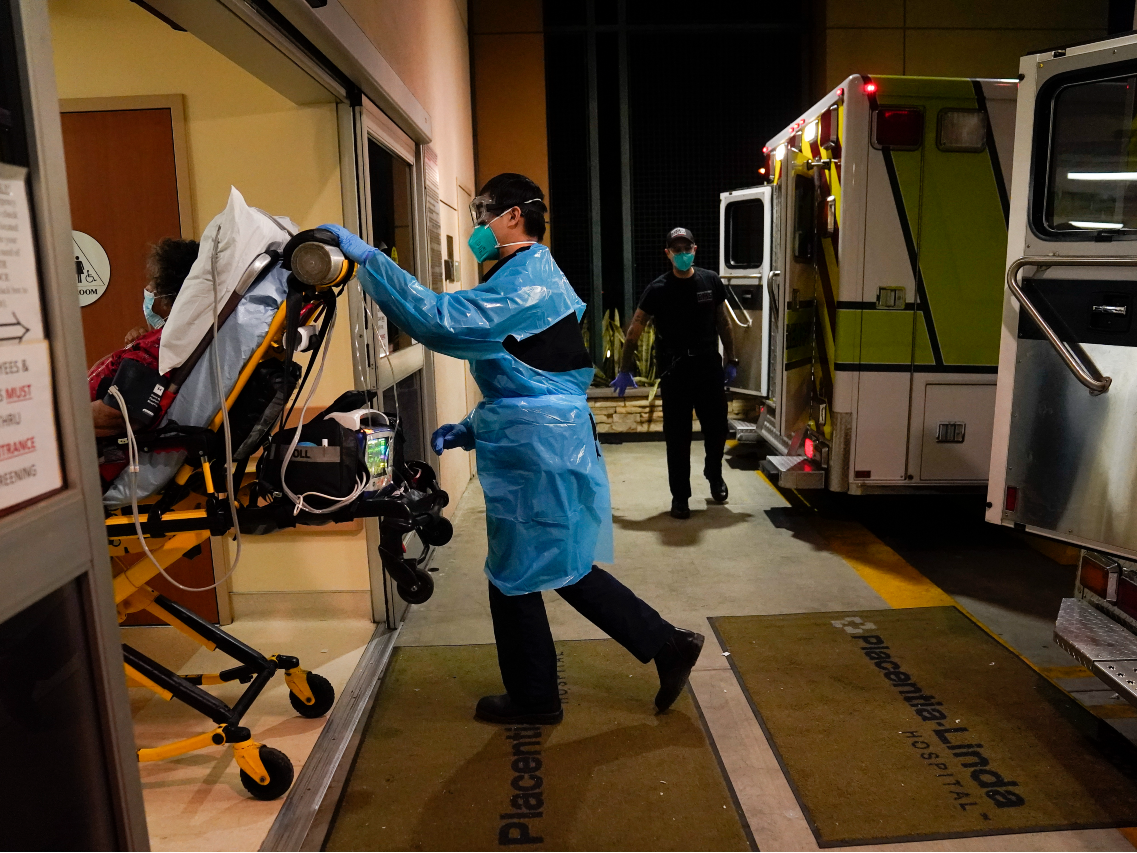
What is Arrival at the Receiving Facility (or Delivery)?
400
Equipment should be stored in the ambulance based on these two factors.
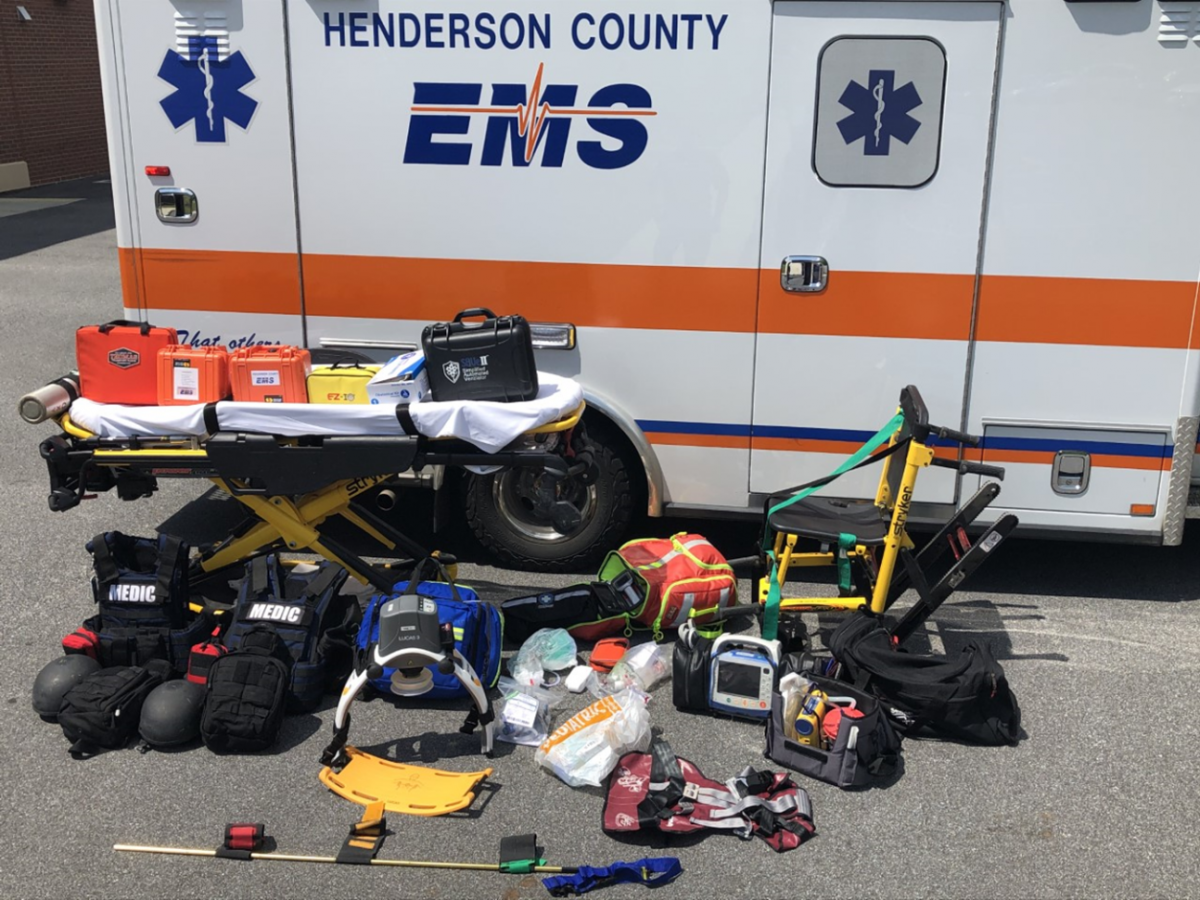
What are urgency and frequency of use?
400
This practice is considered extremely dangerous because motorists may assume the lead vehicle is the only emergency unit.
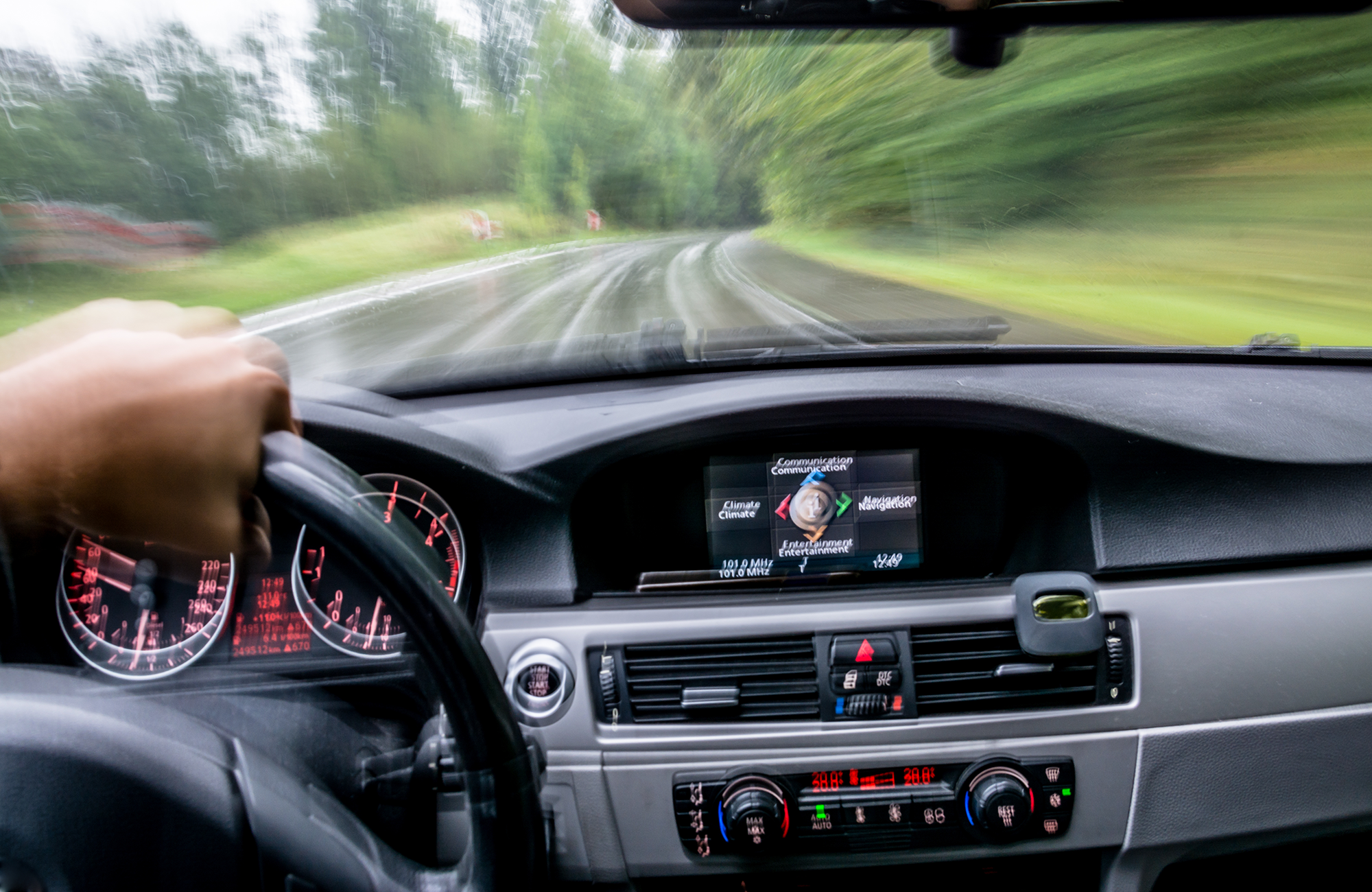
What is using a police escort?
400
This person has ultimate control of the aircraft and makes the final decisions on operations.
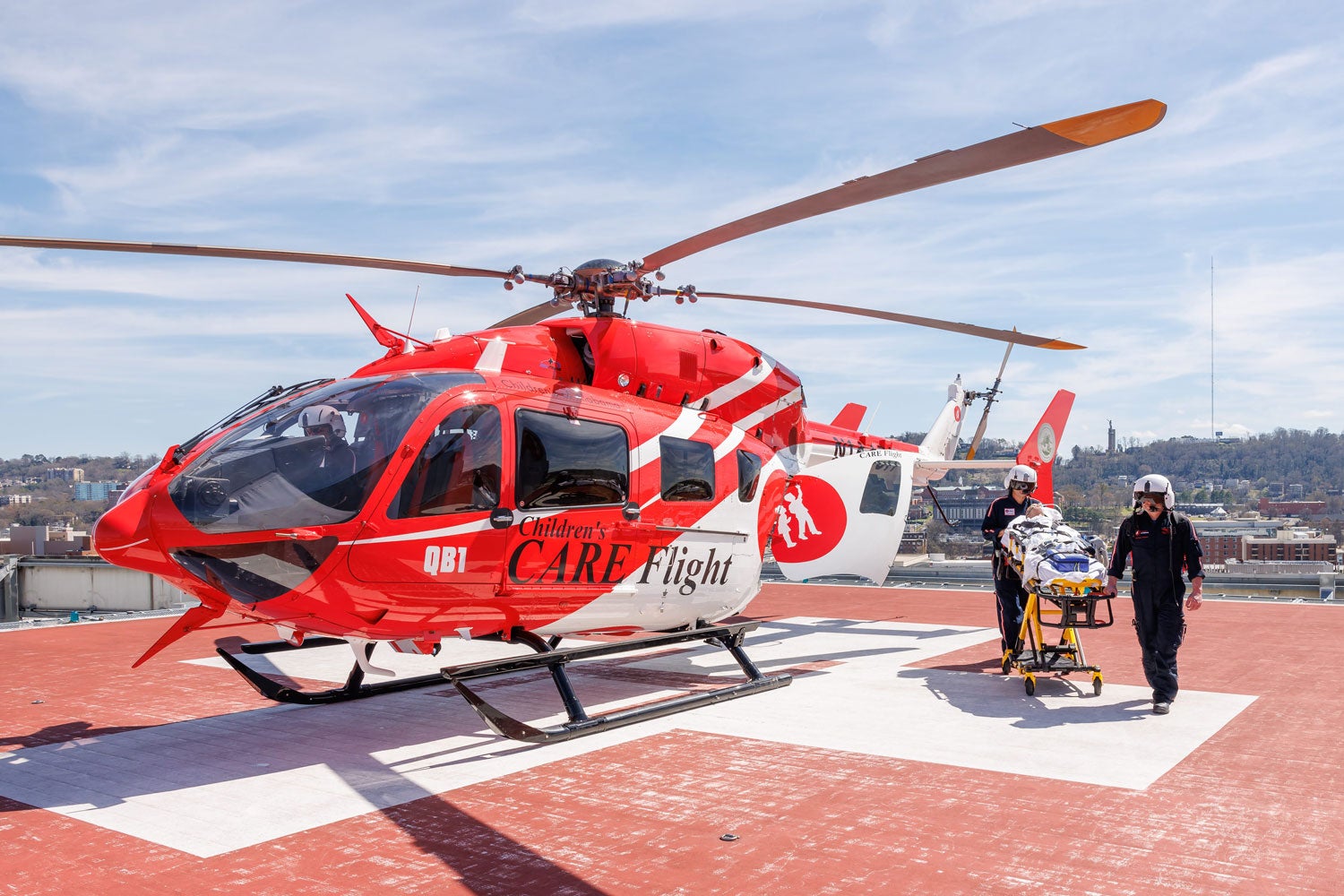
What is the pilot in command?
400
This is the most intense level of cleaning, often using heat to remove all microbial contamination.
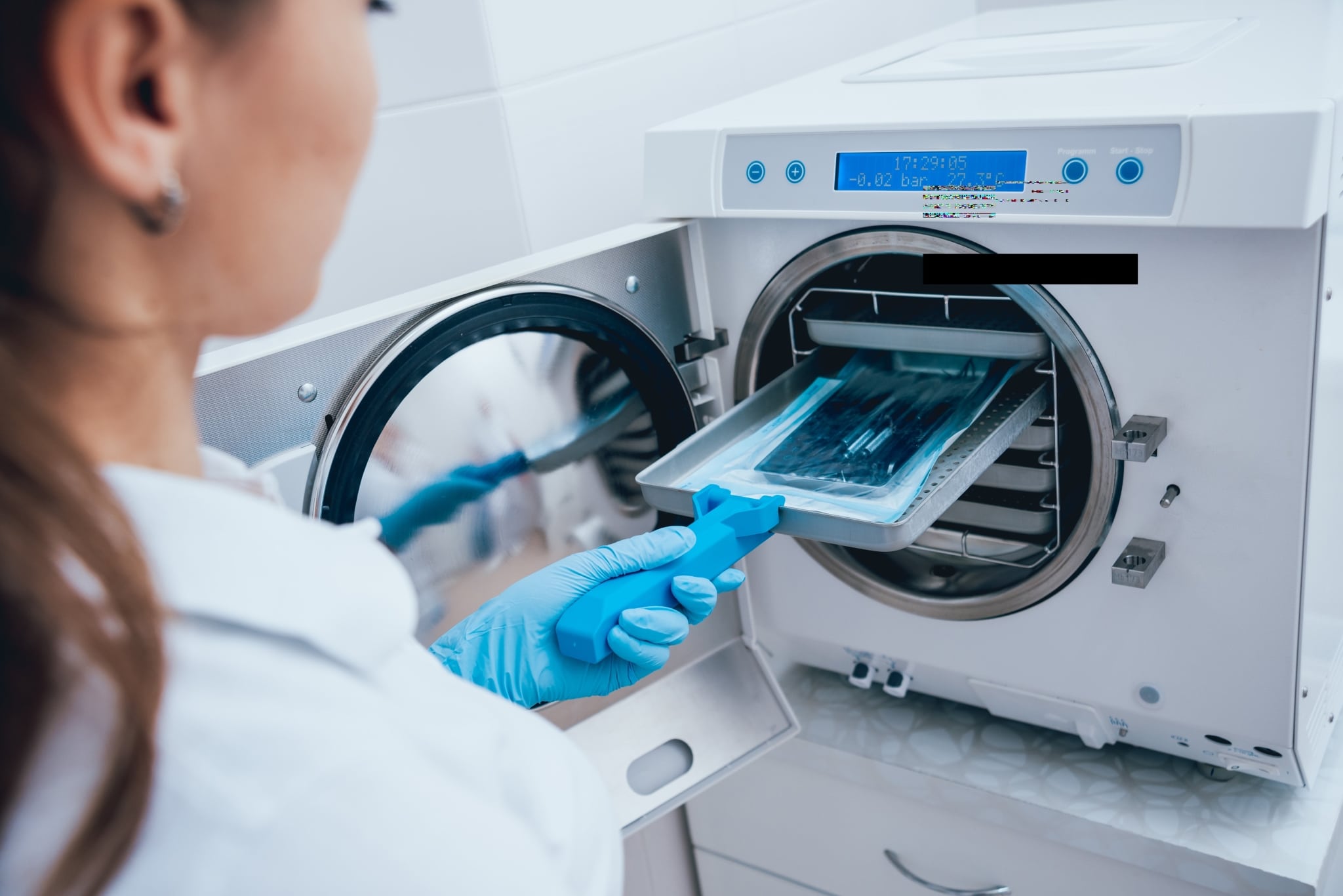
What is sterilization?
500
This type of ambulance is a standard van with a forward-control integral cab-body.

What is a Type II ambulance?
500
During the delivery phase at the receiving facility, the AEMT must perform this action at the bedside for the nurse or physician taking over care.

What is providing a complete verbal report?
500
A portable oxygen cylinder should have a minimum capacity of this many liter
What is 500 liters?
500
When driving on a multilane highway, you should stay in this lane when possible.

What is the far left (passing) lane?
500
You should always approach a "hot" helicopter from this direction.
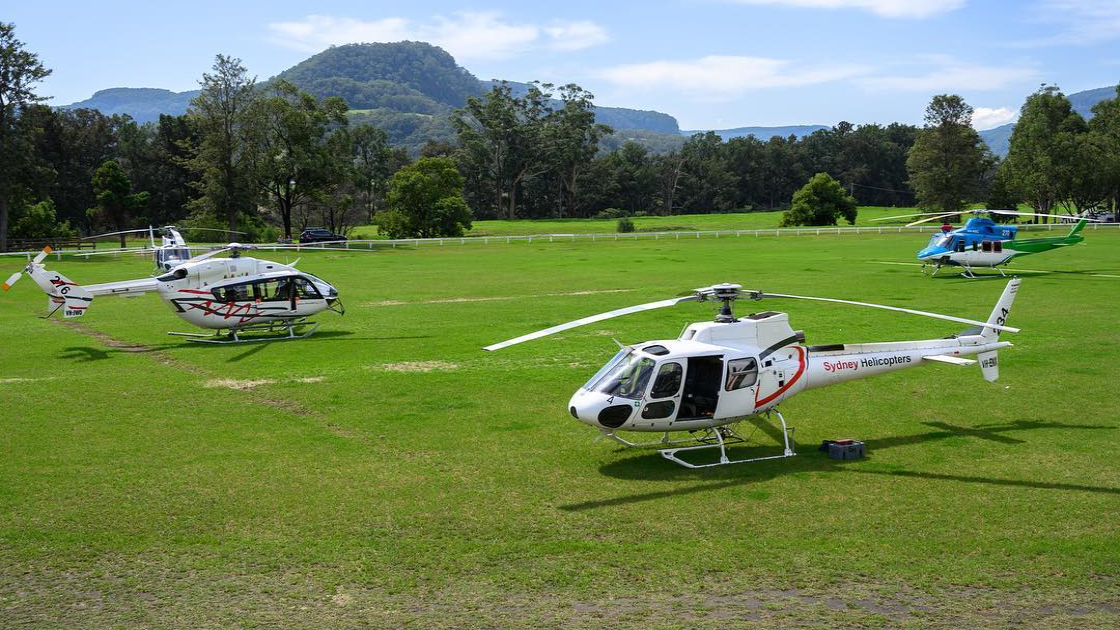
What is the front?
500
Items like stethoscopes and blood pressure cuffs are categorized as this type of equipment for cleaning.

What is semicritical equipment? (contact with skin)
600
The patient compartment must be designed so at least one patient can receive this specific life-saving intervention during transport.
What is CPR?
600
In this final phase, you complete documentation and inform dispatch of your availability.
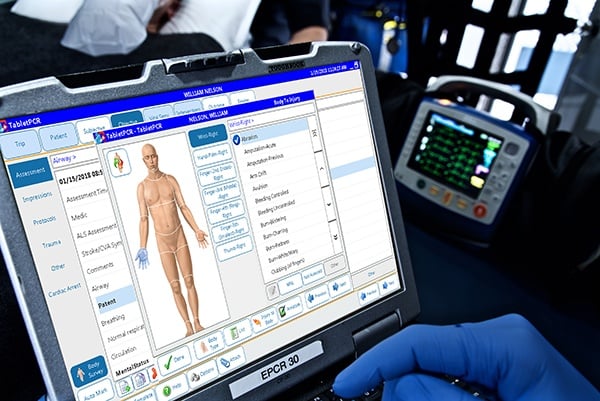
What is the Postrun phase?
600
Mounted suction units must be powerful enough to provide an airflow of this many liters per minute.
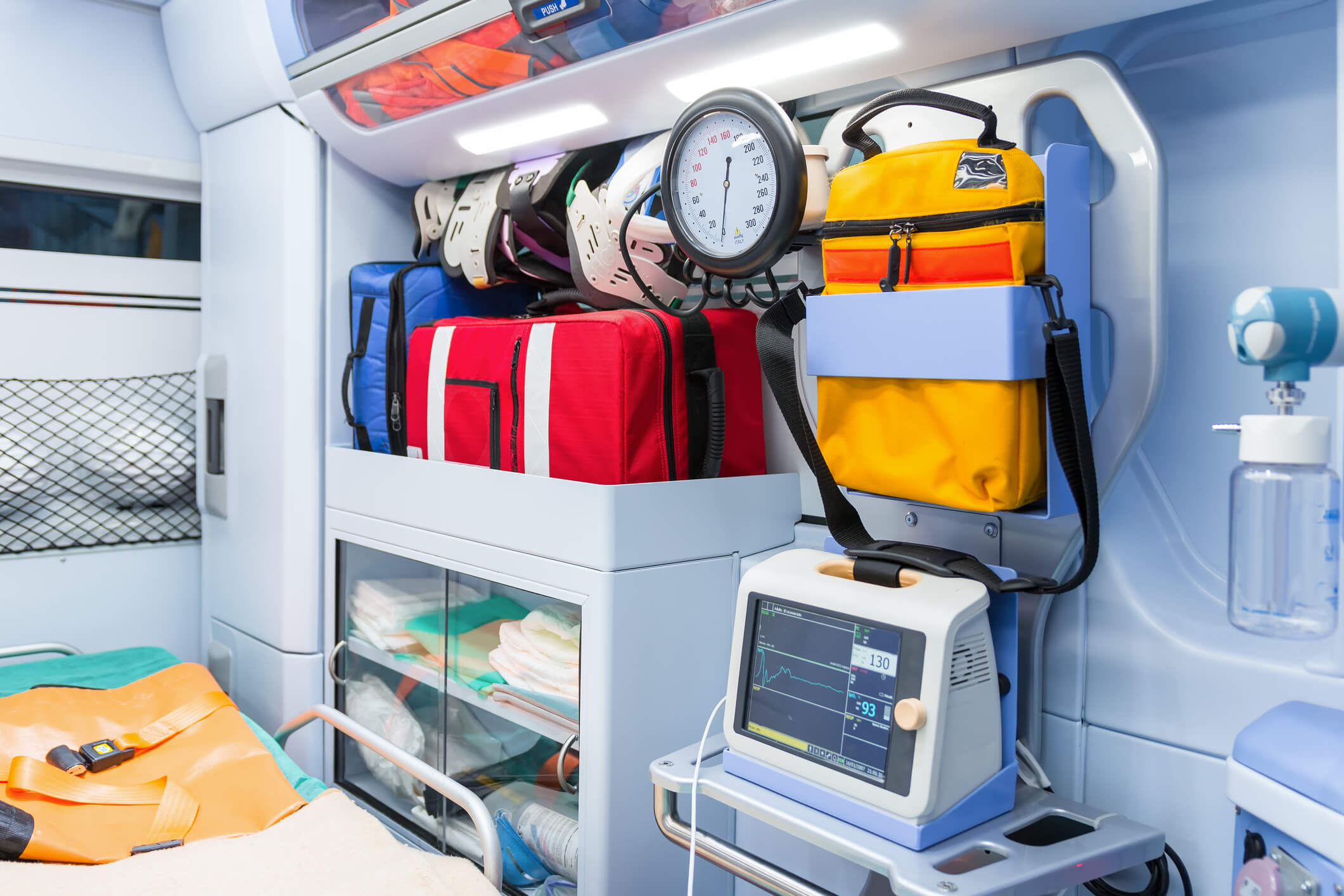
What is 30 L/min?
600
These are areas around the vehicle that cannot be seen in mirrors, including one created by the rearview mirror itself.
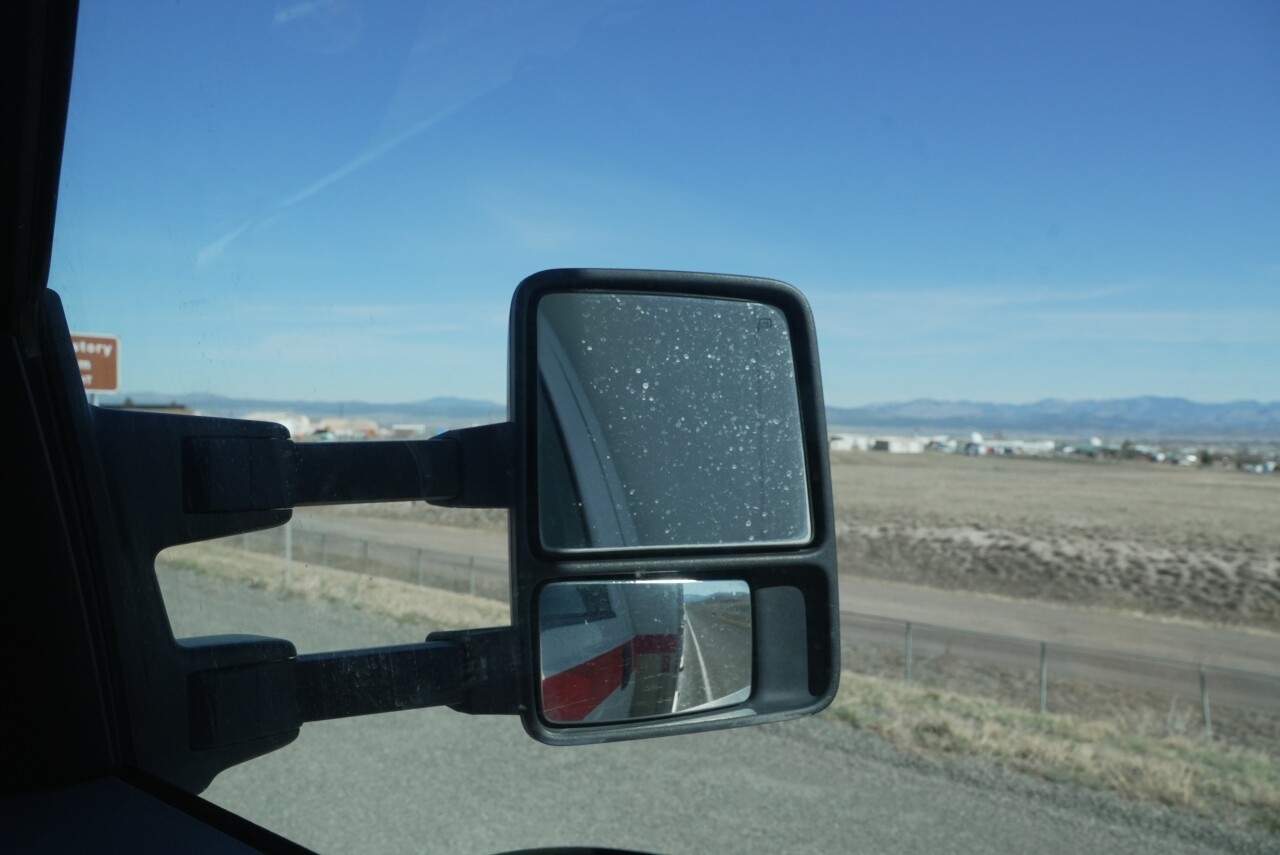
What are blind spots?
600
When approaching a helicopter, you should walk in this way to avoid the main rotor blades.
What is a crouched position?
600
A 1:1000 dilution of this common chemical is effective for cleaning semicritical equipment.
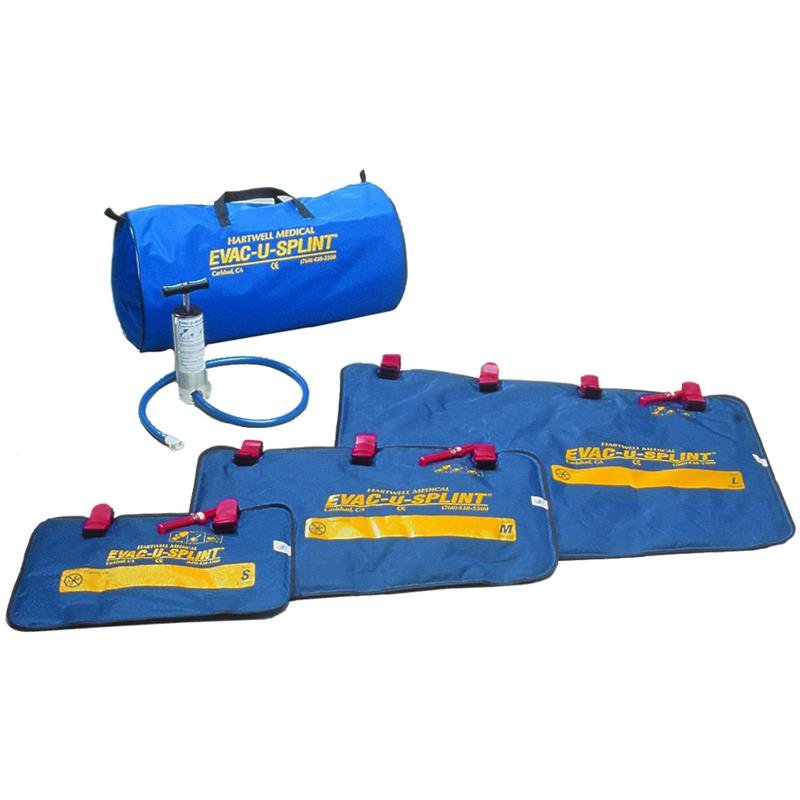
What is bleach?
700
This type of ambulance is a specialty van cab with a modular body mounted on a cutaway van chassis.
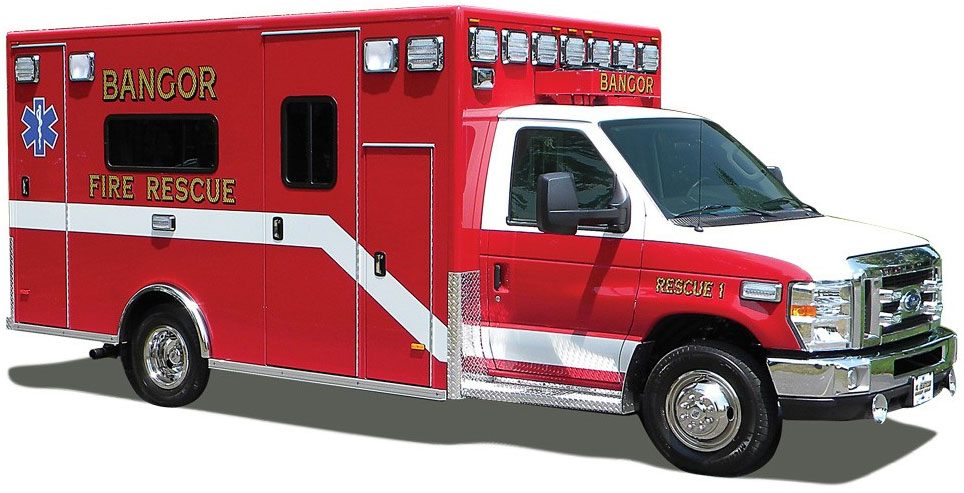
What is a Type III ambulance?
700
If a scene is reported as potentially violent, you should take this action until law enforcement secures the area. 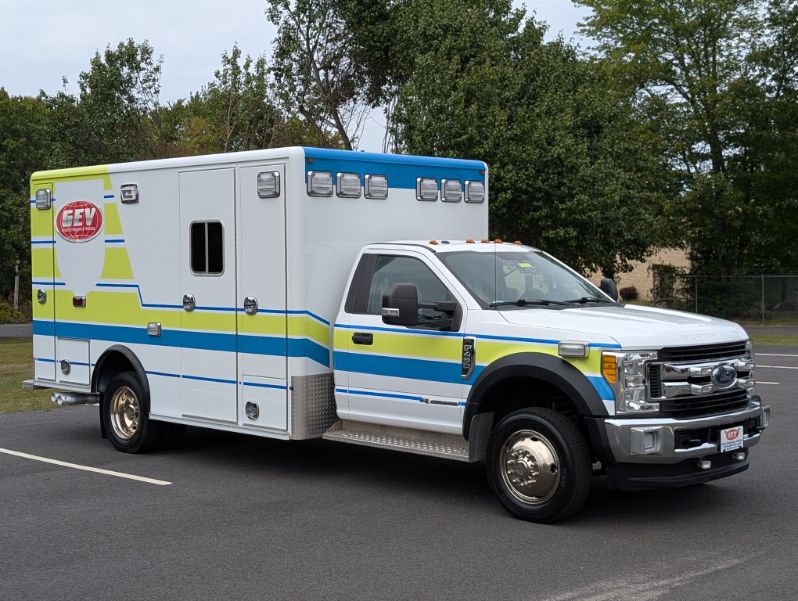
What is staging?
700
This device provides a firm surface under the patient's torso for effective chest compressions.
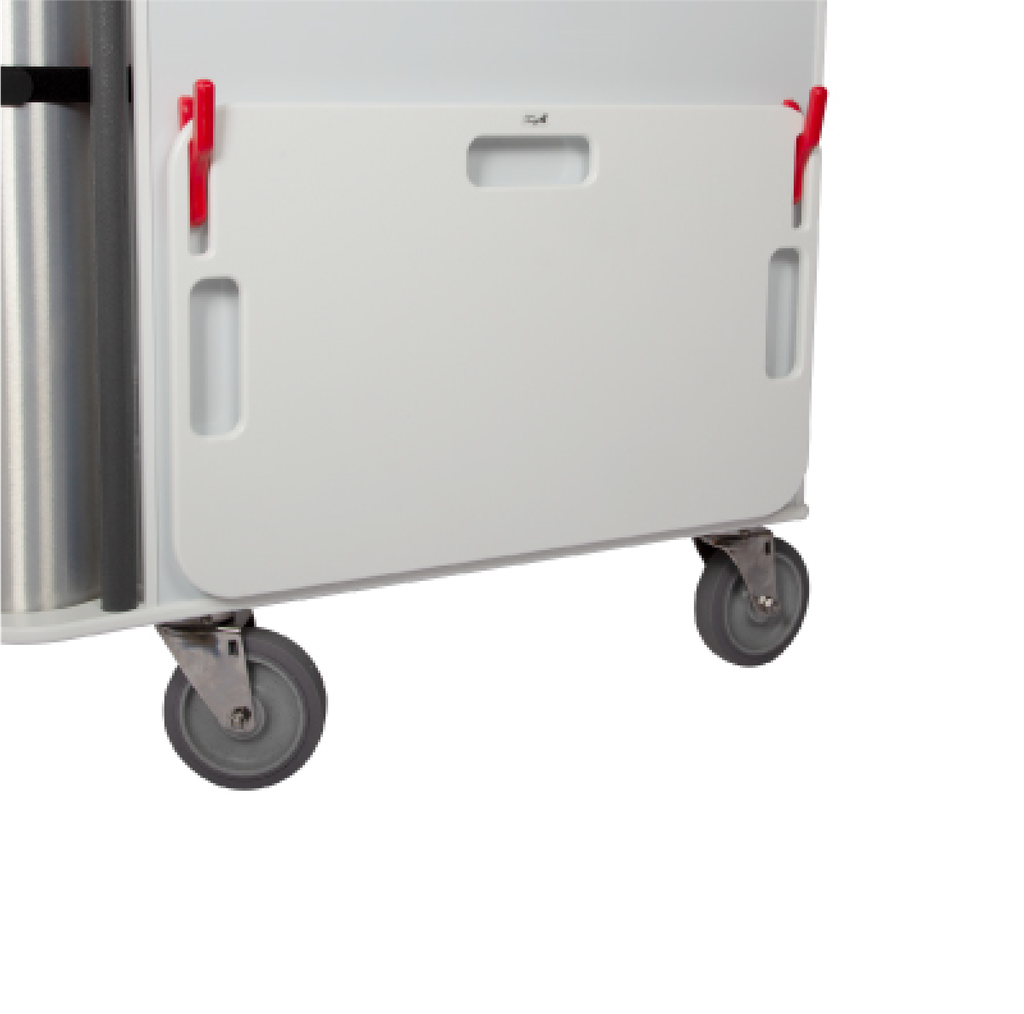
What is a CPR board?
700
These types of crashes are the most common and serious for ambulances.

What are intersection crashes?
700
Helicopter rotor blades can dip as low as this many feet off the ground.
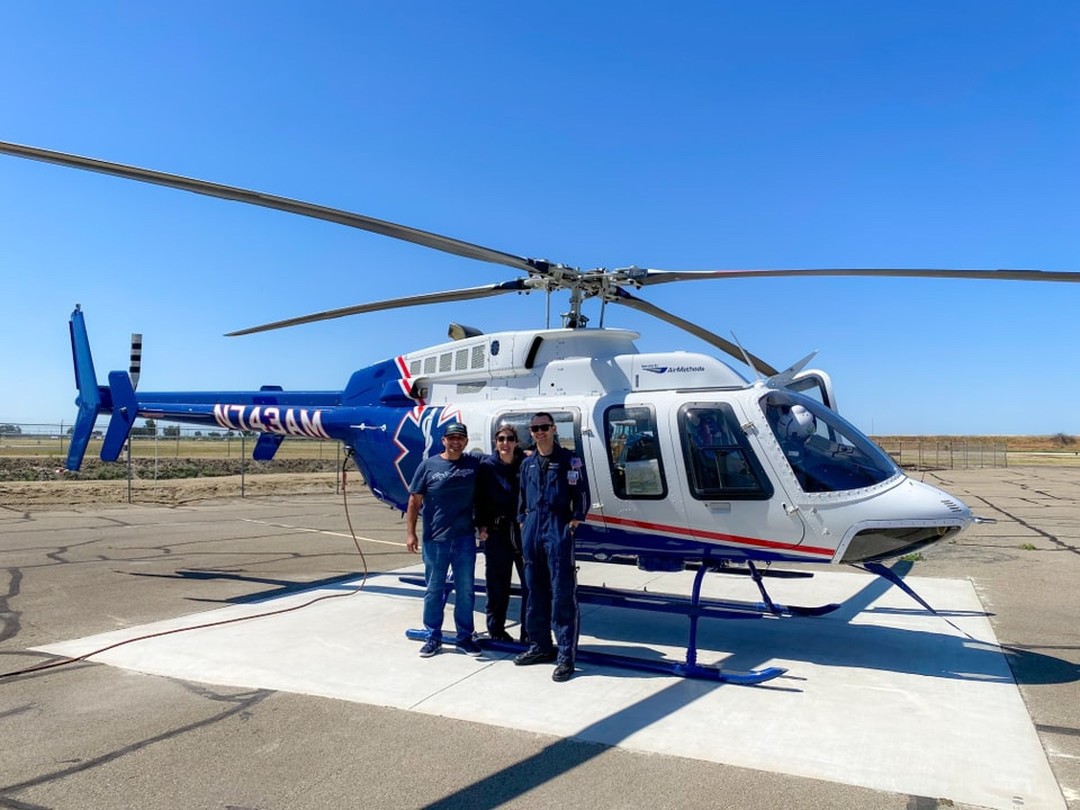
What is 4 feet?
700
Laryngoscope blades and surgical forceps require this specific level of disinfection.
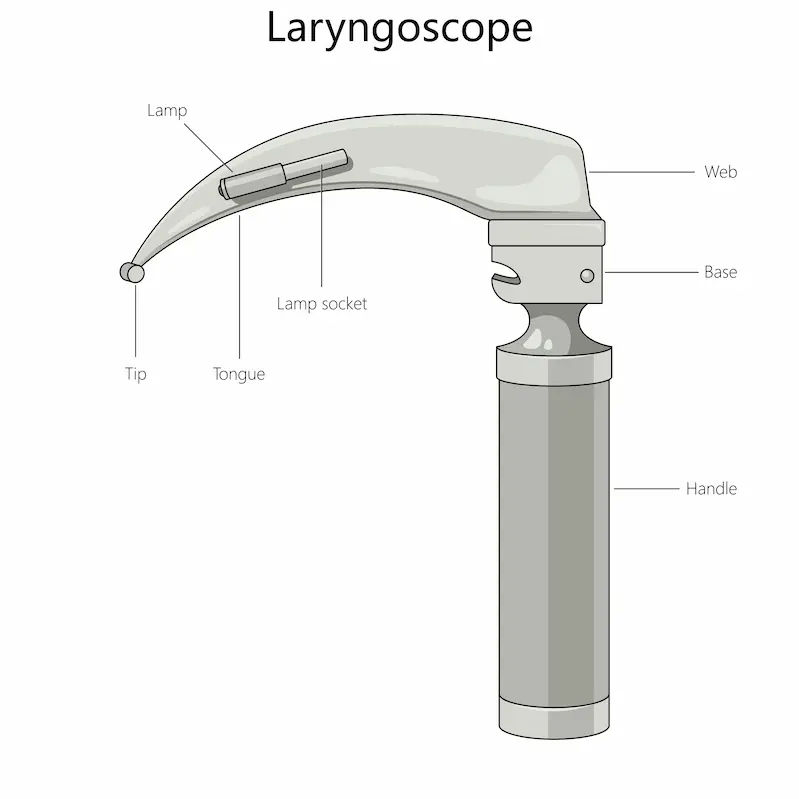
What is high-level disinfection?
800
The patient compartment of a modern ambulance must be able to accommodate at least this many supine patients.

What is two?
800
An ambulance call is divided into this many total phases.
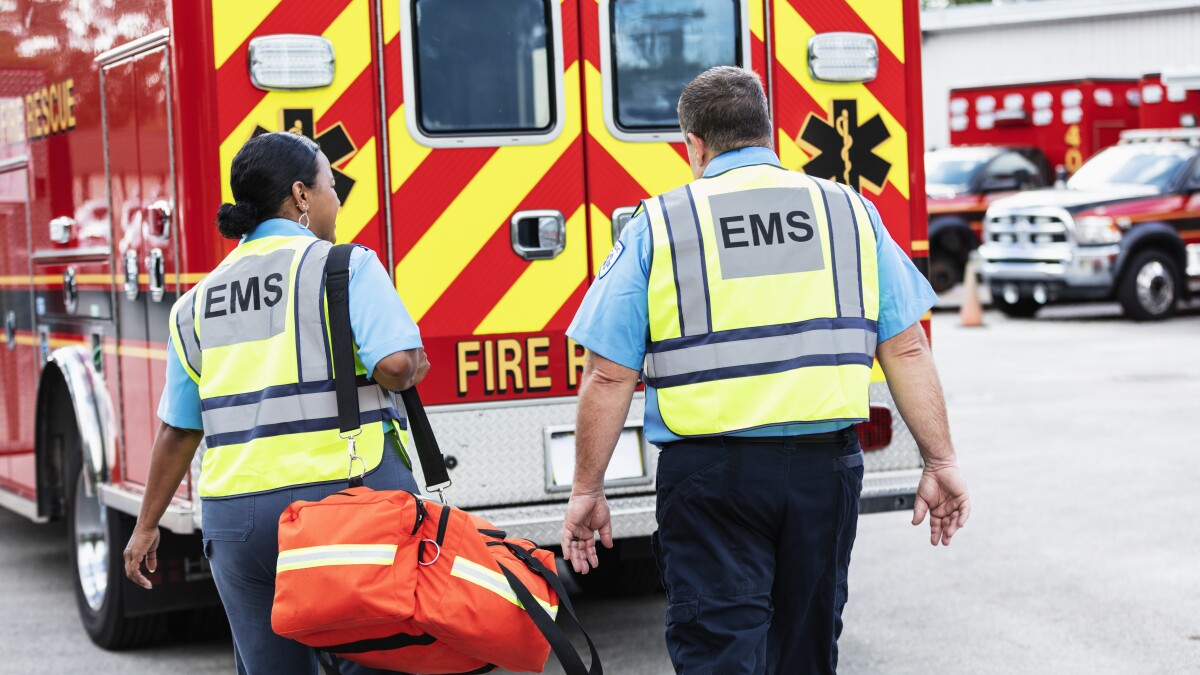
What is nine?
1. Preparation
2. Dispatch
3. En Route
4. Arrival at Scene
5. Transfer to Ambulance
6. Transport to Facility
7. Delivery
8. En Route to Station
9. Post-Run Activity
800
To reduce the risk of infection, a single-use version of this device should be used on oxygen runs lasting over an hour.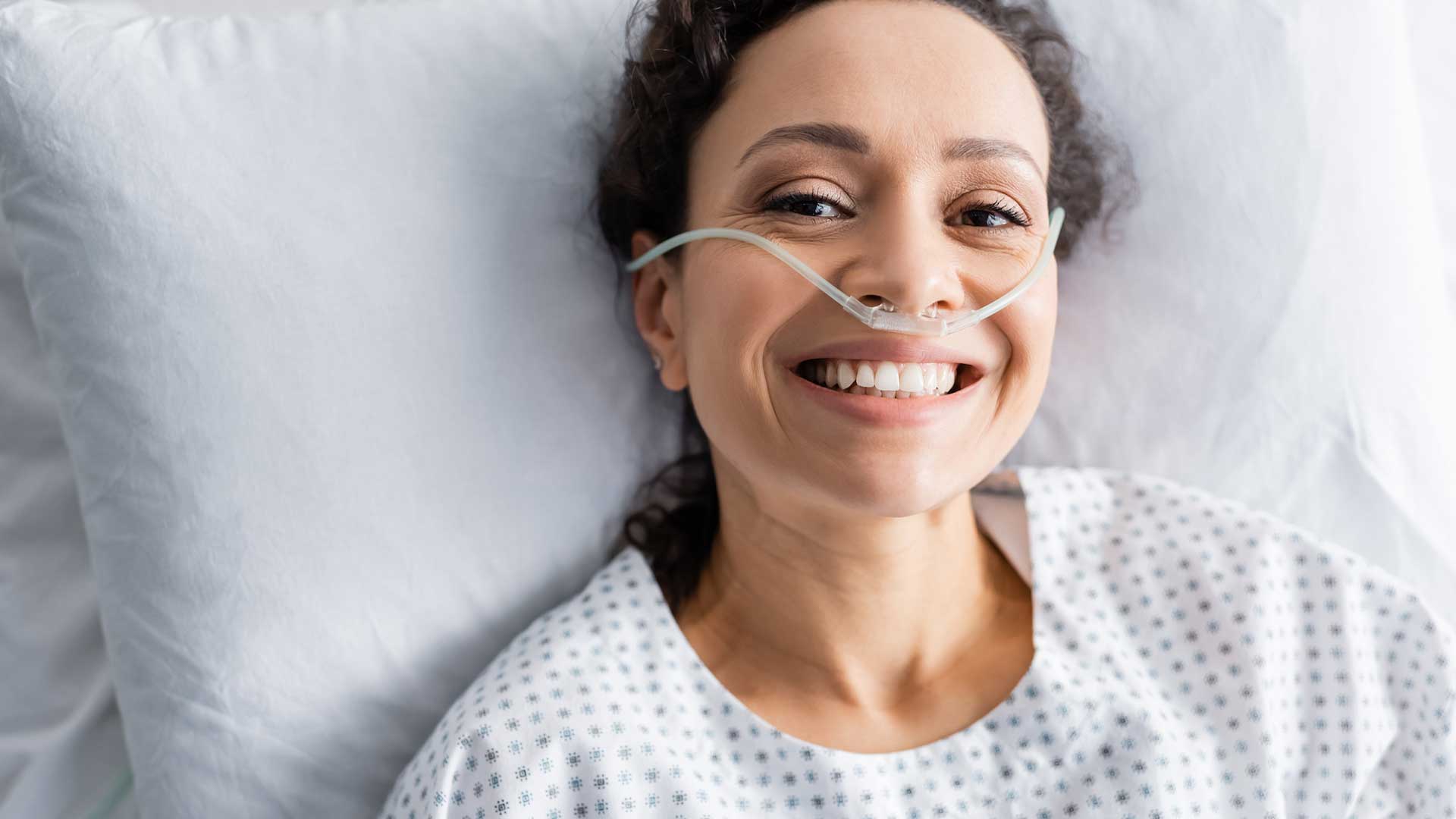
What is a humidifier?
800
 To maintain a "cushion of safety," you should stay at least this many seconds behind the vehicle in front of you.
What is 4 seconds?
800
If a helicopter must land on a grade, you should only approach it from this side.

What is the downhill side?
800
This professional, nonjudgmental process follows a call to discuss performance and clinical knowledge.

What is debriefing?
900
This feature ensures the driver and dispatcher can communicate and identifies the vehicle's location via GPS.

What is a mobile data terminal (MDT)?
900
On arrival at a crash scene, the first emergency vehicle should park in this way to create a safety barrier.

What is 100 feet before the scene (in the fend-off position)?
900
 This type of rescue equipment should be kept in a weatherproof outside compartment for vehicle accidents.
What is extrication equipment?
900
This is the only emergency vehicle that an ambulance is never allowed to pass while its lights are flashing.
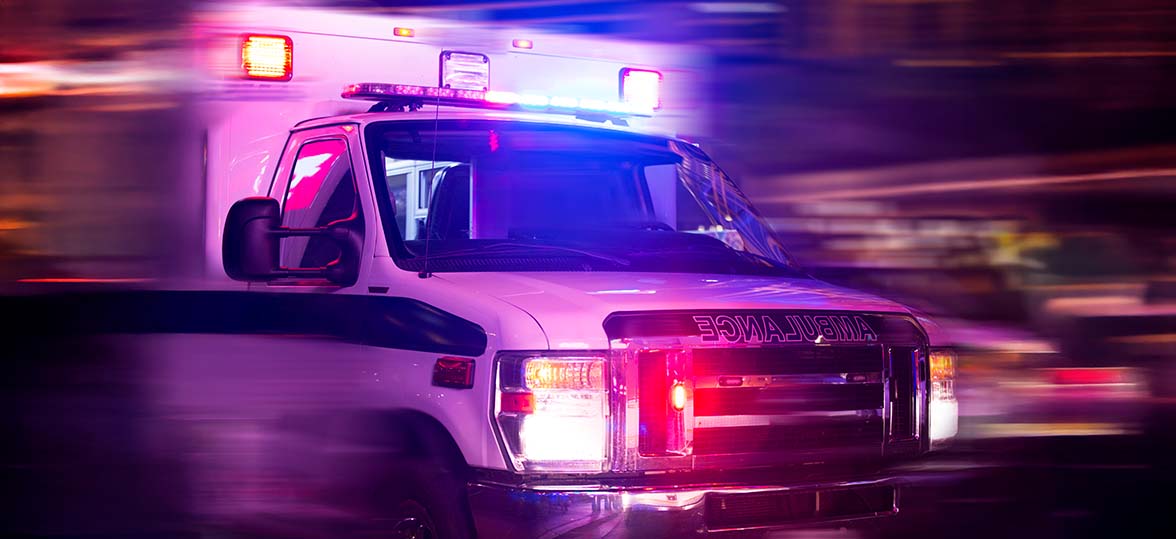
What is a school bus?
900
 To mark an LZ at night, you should use headlights to form this shape on the ground.
What is an X?
900
You should refuel the ambulance whenever the fuel tank falls below this level.

What is the required reserve?
1000
Modern ambulance design standards are largely based on this National Fire Protection Association standard.

What is NFPA 1917?
1000
During dispatch, this is the minimum information that must be gathered for every call. (6 pieces of info)
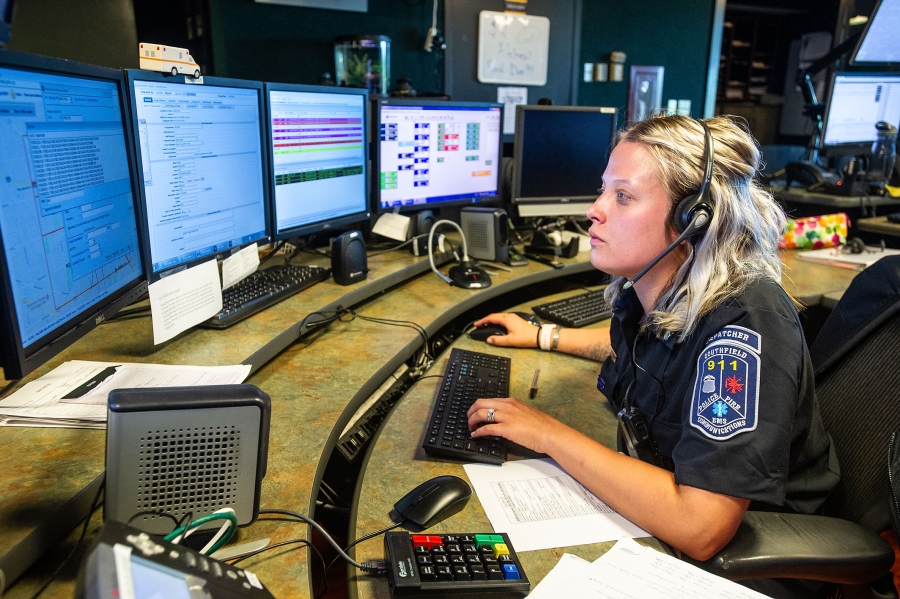
What are the:
1. Nature of the call
2. Location
3. Caller's name
4. Callback number
5. Number of patients
6. Severity
1000
Suction units must be able to generate a vacuum of at least this much when the tube is clamped.

What is 300 mm Hg?
1000
This term refers to the point in a curve where you begin to drive out of the corner.
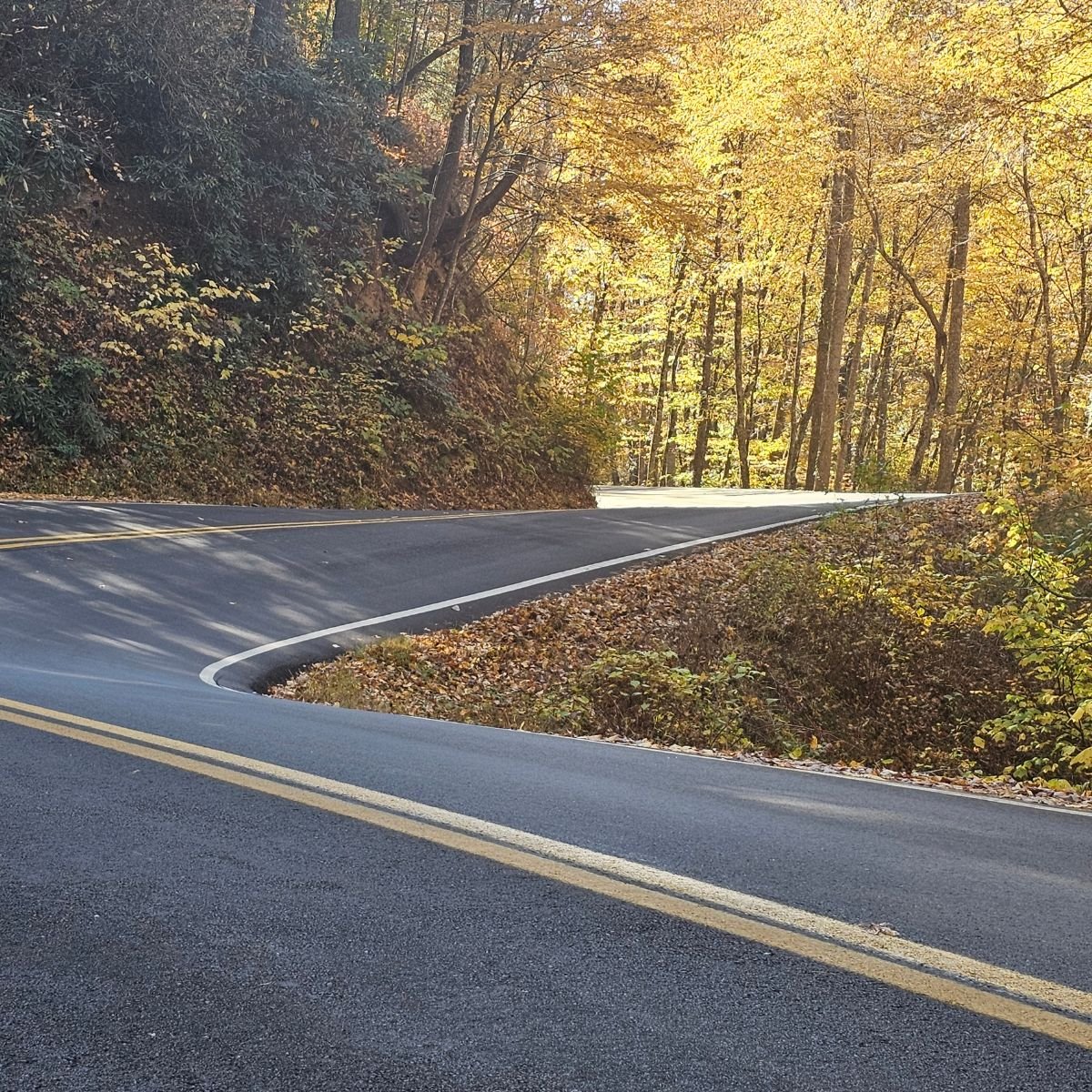
What is the apex?
1000
Medevac helicopters are generally limited to flying at this maximum altitude above sea level.
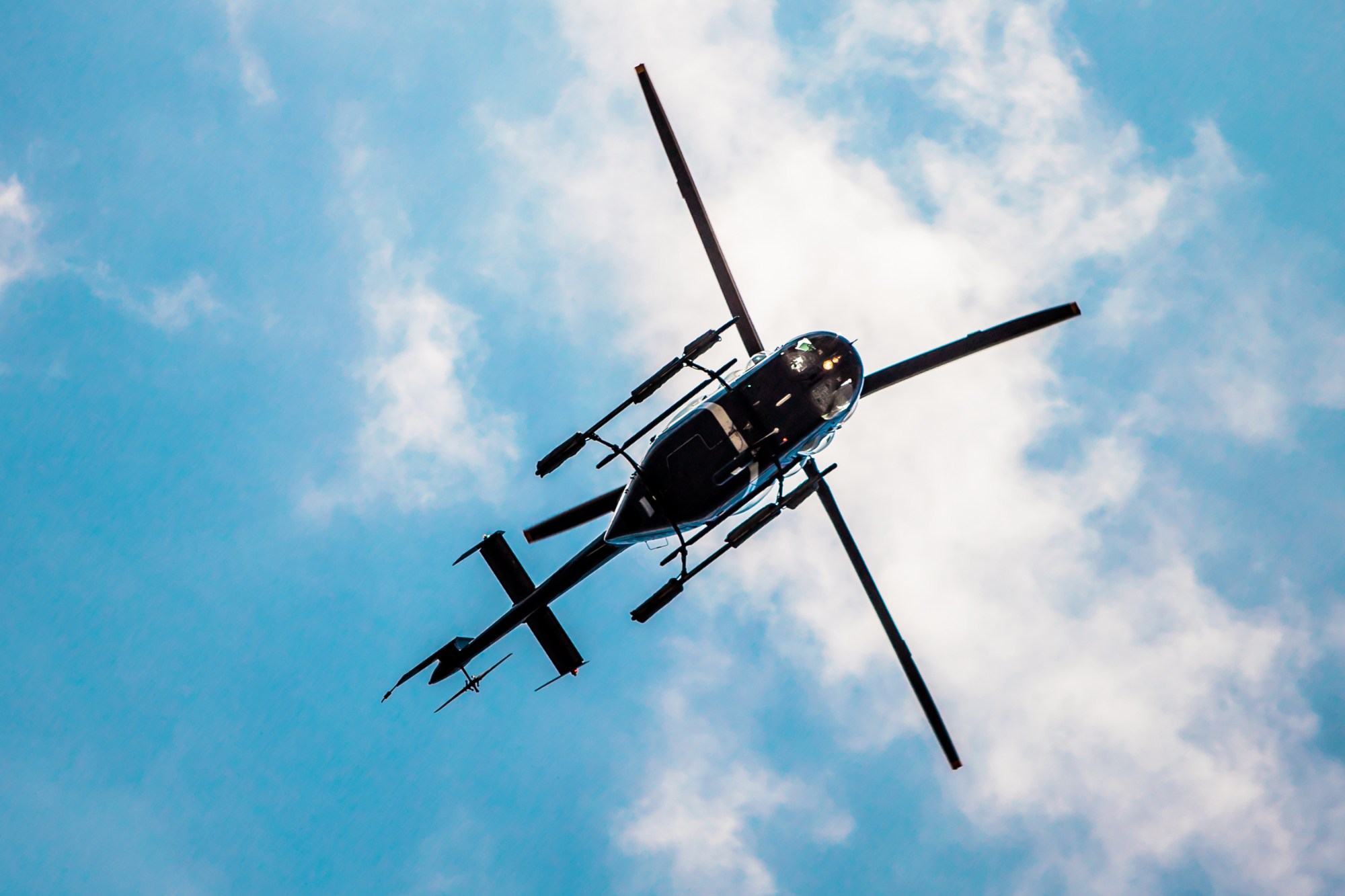
What is 10,000 feet?
1000
This is the first step in the 12-step decontamination process after a call.

What is stripping used linens from the stretcher?
1. Strip used linens
2. Discard disposable equipment
3. Wash all contaminated areas
4. Disinfect all reusable equipment
5. Clean the stretcher
6. Clean up any spillage
7. Clean the outside of the ambulance
8. Replace/repair broken equipment
9. Replace supplies
10. Refuel the ambulance
11. Create a schedule for routine full cleaning of the vehicle
12. Maintain a written policy or procedure for cleaning each individual piece of equipment, relying on the manufacturer’s recommendations as a guide