Phases in Motor Learning
Classification of Motor Skills
Information Processing Model
Feedback
Types of Cues
100
What is the first stage of Fitts and Posner’s model of motor learning?
Cognitive stage
100
What are the three classification
(PPT)
- Predictability of the environment
- Precision of the movement
- Type of movement
100
What is the first phase of the information processing model?
Input phase (identification of stimuli)
100
What is intrinsic feedback?
Feedback received from within the body, such as the sensation of a movement (accept: internal body feedback, sensory-based feedback)
100
What is a visual cue?
A cue that provides information visually, such as watching a demonstration (accept: visual feedback, visual input)
200
Name the three phases of in learning motor skills
Cognitive
Associative
Autonomous
200
Identify the three factors in the types of movement.
Discrete - Serial - Continuous.
200
What phase of the information processing model involves selecting a response?
Decision-making phase (accept: response selection phase, processing phase)
200
What is extrinsic feedback?
Feedback received from external sources, such as a coach or video analysis (accept: external feedback, augmented feedback, outside input on performance)
200
What type of cue involves body awareness, such as balance on a balance beam?
Proprioceptive cue (accept: internal sensory feedback, kinesthetic feedback)
300
In the associative stage of learning, what key characteristic improves significantly?
Consistency of performance improves (accept: less frequent errors, smoother movements, refined technique).
300
Is throwing a dart a discrete, serial, or continuous skill?
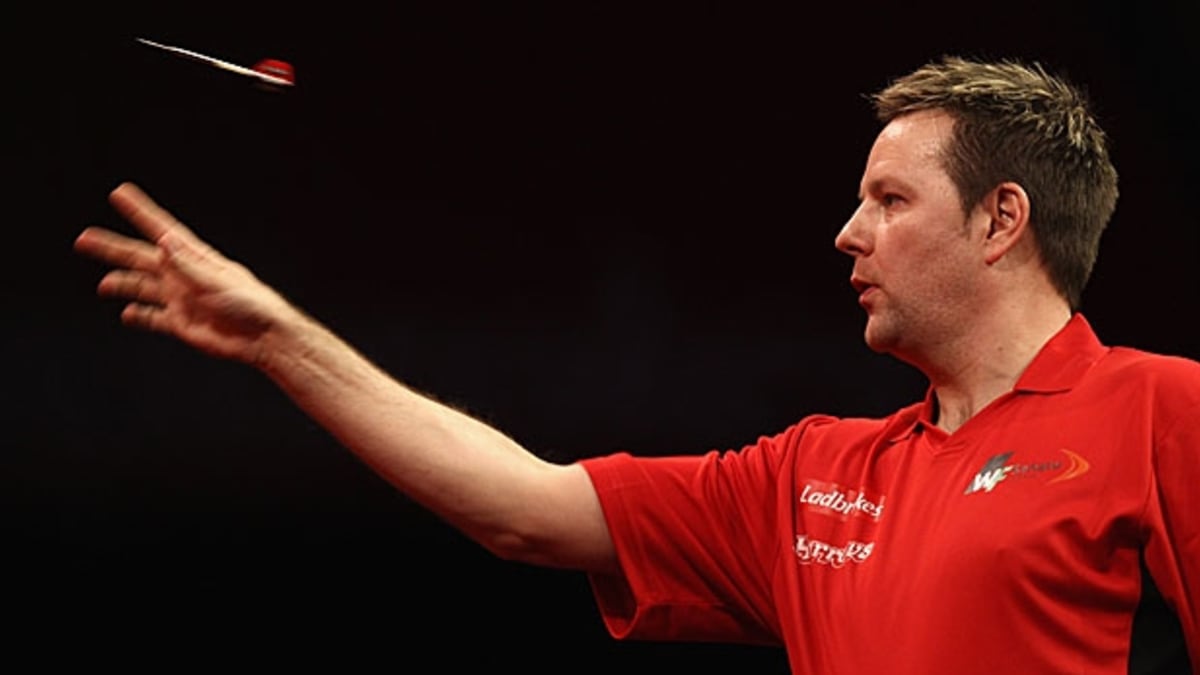
Discrete skill
300
Which phase of information processing is a tennis player using when deciding how to respond to an incoming serve?
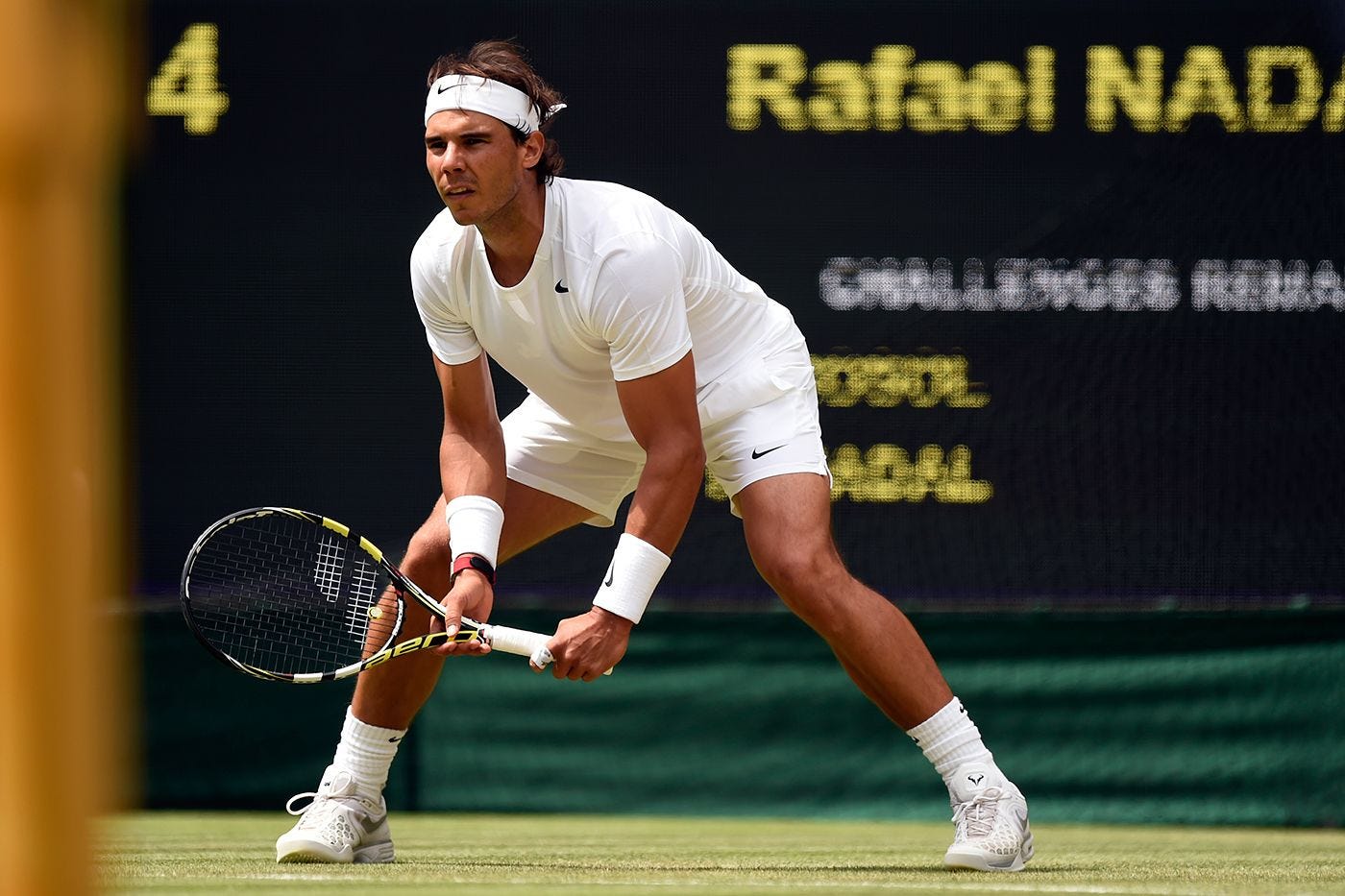
Decision-making phase/Processing
300
What type of feedback is this coach providing?
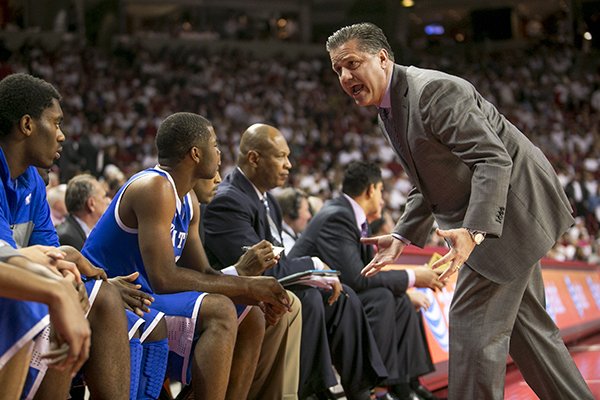
Verbal extrinsic feedback
300
What type of cue is the player using?

Non-verbal cue (accept: gesture-based cue, body language)
400
In the cognitive stage, why is feedback from a coach crucial for learning?
Because learners have little capacity to detect their own errors (accept: they lack experience to self-correct, they need external guidance, they rely heavily on external feedback).
400
Give an example of an open skill and explain why it is considered open.
Soccer dribbling – the environment is constantly changing, and the performer must adapt their movement to external factors (accept: tennis rally, hockey dribbling, basketball passing – any sport with unpredictable environments)
400
What type of feedback helps improve future performances by comparing the outcome with the intended result?
Knowledge of Results (accept: outcome-based feedback, performance result feedback)
400
What is the difference between knowledge of performance and knowledge of results?
Knowledge of performance focuses on the quality of the movement, while knowledge of results focuses on the outcome (accept: movement-focused feedback vs outcome-focused feedback, technique-based feedback vs result-based feedback)
400
Give an example of a verbal cue in basketball.
A coach telling a player to “bend your knees” when preparing for a free throw (accept: any simple instruction like “follow through” or “keep your eyes on the basket”)
500
Name three characteristics of a performer in the autonomous stage of Fitts and Posner’s model.
Movements are automatic, selective attention is high, and the performer can self-correct errors (accept any combination: fluid movements, low performance variability, little conscious thought required, consistent performance). Can provide feedback to others not just themselves.
500
Compare fine and gross motor skills.
Fine and gross motor skills refer to the amount and size of muscle involvement. Fine motor skills involve small movements for specific body parts that require precision and control. For example, a dart throw. In comparison, gross motor skills involve large muscle groups in the movement of the whole body. For example, a high jump.
500
Explain how the information processing model helps athletes improve performance during complex sports.
Athletes take in information from the environment, process it, make decisions, execute the response, and receive feedback to adjust their future performances (accept: they analyse environmental cues, decide on an action, perform the movement, then use feedback to improve)
500
Explain how concurrent feedback differs from terminal feedback.
Concurrent feedback is provided during the performance, while terminal feedback is provided after the performance has concluded (accept: in-action feedback vs post-performance feedback)
500
Explain how proprioceptive cues help elite athletes adjust their movements during a performance.
Proprioceptive cues provide internal feedback, allowing athletes to sense errors in their movements and make real-time adjustments (accept: athletes use body awareness to self-correct, internal sensory cues to fine-tune performance)