Digestive System 1
Digestive System 2
Chemistry Review
Preview of Next Unit
Miscellaneous
100
What is the function of the esophagus for the digestive system?
Transport food from the mouth to the stomach
100
What type of food molecules are absorbed through the lining of the small intestine?
small (amino acids, fatty acids, glucose)
100
Where are the reactants in a chemical equation located?
BEFORE the arrow
100
What is the name of the process that allows plants to use sunlight to make their own food?
photosynthesis
100
What other job does Ms. Schoenecker have besides science teacher?
Program Supervisor within the Workforce Development branch of the Federal Department of Energy for Fermi National Accelerator Laboratory.
200
Describe the structure and function of the stomach
A sac that mixes food with digestive juices and breaks it down into a liquid.
200
Villi in the small intestine, just like every living organism, are made out of what?
Cells!
200
Define the Law of Conservation of Matter
Matter cannot be created or destroyed.
200
Which structure of a plant absorbs water and nutrients from the soil?
Roots
200
How many different states has Ms. Schoenecker lived in?
4 (Illinois, Wisconsin, Indiana, Michigan)
300
Describe the structure and function of the small intestine.
Absorbs nutrients from digested food into the bloodstream. Long permeable tubing.
300
This complex food molecule is not digested or absorbed.
Fiber
300
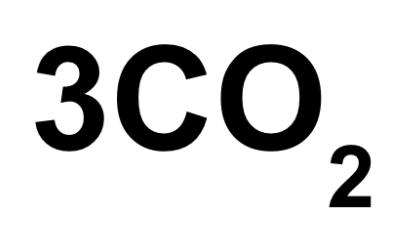 Based on this chemical formula, how many Carbon atoms and how many Oxygen atoms are present?
3 carbon 6 oxygen
300
Is photosynthesis an endothermic or exothermic chemical reaction?
Endothermic, absorbs light energy
300
What is the chemical formula for a glucose molecule?
C6H12O6
400
Describe the structure and function of the large intestine
Long wide tubing to absorb water and form waste
400
When we conducted our dialysis tubing experiment, we used a solution of starch and a solution of glucose to determine what types of food molecules can be absorbed in the small intestine.
What was the type of food molecule left remaining in the tubing, and why could this food molecule NOT be absorbed?
Starch, too big!
400
In an exothermic chemical reaction, the temperature of the surroundings __________________.
Increases as heat is released.
400
How many gallons of water does a giant sequoia tree need per day in the summer?
500 - 800 gallons of water a day
400
What is the distance in miles from the Earth to the Moon?
Average of 238,900 mi
500
Which digestive condition of the large intestine is shown below?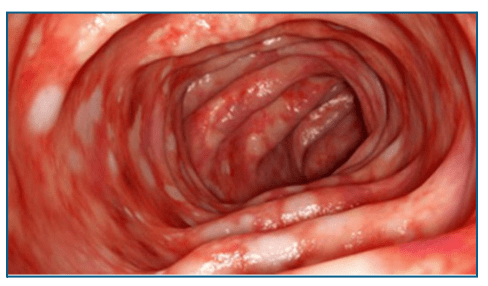
Colitis
500
What organ in the digestive system is seen here?
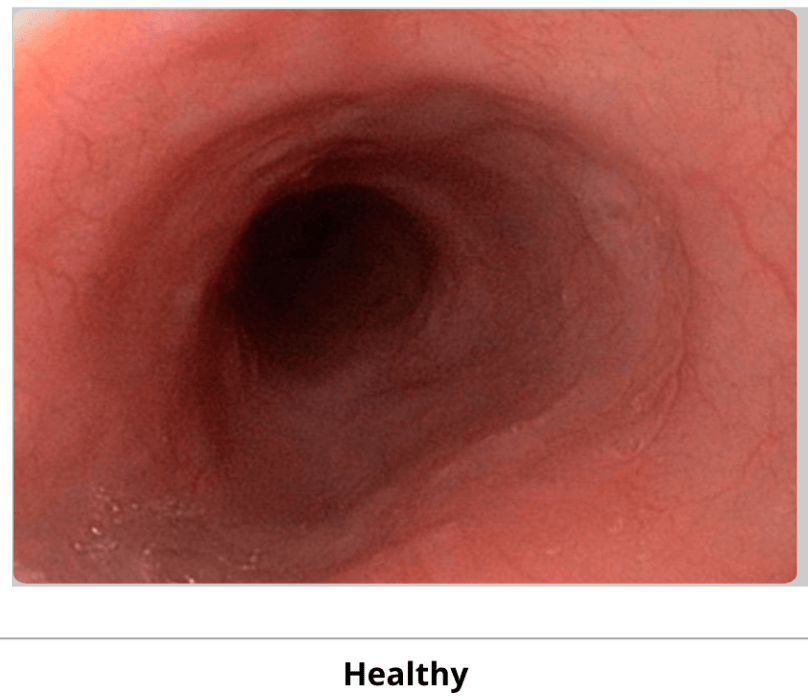
Esophagus
500
In math and in science, what is the term for the number 3 and the term for the number 2 in this chemical formula?
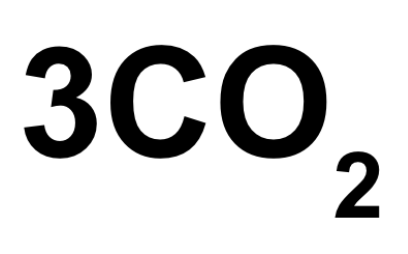
3 = coefficient 2 = subscript
500
Carbon dioxide (CO₂) is essential for plants because it is a key ingredient in photosynthesis, the process by which plants produce their own food. During photosynthesis, plants use CO₂ from the air, along with sunlight and water, to create glucose, which provides energy for growth, reproduction, and other vital functions.
What structure is responsible for taking in CO₂?
Stoma/Stomata
500
What year did scientists first medically define the condition of Celiac Disease? (You have to be within 15 years to get the points)
1888
(Accepted answers 1873 - 1903)