Physiology
Headaches
Seizure Disorders
TIA
CVA
Cerebral Edema
ICP
Head Injuries
Aneurysms
Parkinson's
Peripheral Neuropathy
100
Increased heart rate and dilated pupils in response to a stressful situation. Which part of the nervous system is responsible for these changes?
Sympathetic
100
Sudden onset of severe HA, worst of their life, the nurse will
Perform focused Neuro exam
CT Stat
100
1st line drug for prolonged seizure
2mg IV Lorazepam
100
Signs of TIA that require immediate medical attention include
Temp numbness in face or limbs
Severe HA
Confusion
Dizziness / loss of balance
100
ischemic stroke. What is the most appropriate immediate intervention
Antithrombotic Therapy
100
CE caused by DKA is what type of CE
Osmotic
100
Most common diuretic used to decrease ICP
Mannitol
100
head injury is presenting with worsening headache, confusion, and slurred speech. What is the most appropriate immediate action for the nurse to take
Notify MD STAT
100
Which diagnostic test is most appropriate to confirm the presence of a ruptured cerebral aneurysm
Cerebral angiography
100
Parkinson's Med that causes hallucinations
Levodopa
100
How does Amitriptyline work?
Blocks pain signals to CNS and improves nerve function.
200
What brain structure is responsible for coordination and balance
Cerebellum
200
headaches 20 days each month for the past three months. What is the most appropriate intervention?
Preventive meds
200
Seizure patient begins to show signs of respiratory distress. What should be the nurse's priority action
Reposition to open airway
200
Left sided weakness that resolved within 12 hours. What might be the culprit
TIA caused by blocked carotid artery
200
Name the 2 types of CVA's (Strokes)
Ischemic, Hemorrhagic
200
Name the most common type of Cerebral Edema
Vasogenic involving an interruption of the blood brain barrier
200
signs of increased ICP. Which intervention should the nurse prioritize
Administering diuretics to reduce fluid volume.
200
Explain the Monro-Kellie Doctrine
the cranial vault is a fixed space comprised of the brain, blood, and cerebrospinal fluid.
If one of these three components increases, at least one of the other two must decrease or an increase in ICP will occur
200
The initial formation of an aneurysm develops within the Tunica _______
Tunica Media
200
Pt teaching included for Parkinson's pt with increased difficulty with mobility
Encourage daily physical activity
200
The most common cause of PN is
Diabetes mellites
300
assessment to determine the function of the autonomic nervous system
Pupillary light reflex
300
Name the 2 classifications of Headaches
Primary and Secondary
300
diagnostic tests to assess the cause of seizures
CBC, LP, MRI, CT, EEG
300
In the context of TIAs, which of the following interventions is most crucial in preventing subsequent strokes?
Antithrombotic Meds
300
Imaging reveals a hemorrhagic stroke. What is the priority intervention?
emergency surgery to relieve pressure
300
Type of CE caused by CVA
Cellular/cytotoxic
300
What is the target range of CO2 to prevent vasodilation in the brain.
25-30mmHg
300
damage to the neurons from stretching or tearing is called.
diffuse axonal injury (DAI)
300
Name 2 modifiable risk factors for aneurysm formation
HTN and Smoking
300
Parkinson’s disease (PD) is a degenerative, progressive condition primarily caused by the gradual loss of cells in the ______ of the brain
substantia nigra
300
DKA with numbness / tingling in feet. What mechanism is most likely responsible.
Axonal degeneration
400
artery responsible for supplying blood to the frontal areas of the brain?
Internal carotid artery
400
A primary headache that is recurrent and last for up to 72hrs is called
Migraine
400
Describe the tonic phase of a "tonic-clonic" seizure
Muscle rigidity
400
The acronym FAST stands for
Face, Arms, Speech disturbance, Time
400
Name the 2 main causes of Ischemic Strokes
Stenosis and Atherosclerosis
400
patient with hyponatremia. What is the most appropriate nursing intervention to prevent cerebral edema
Hypertonic Saline
400
What is the normal ICP pressure
7-15 mmHg
9-20 cmH20
400
Explain Coup/Contre-Coup
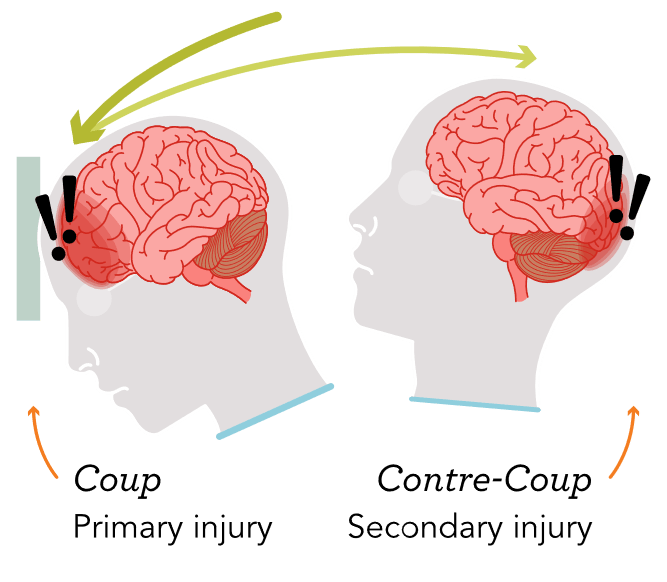
400
Name the 3 stages of an aneurysm.
Unruptured, Ruptured, Leaking
400
the substantia nigra of the brain produce the neurotransmitter _____
dopamine
400
Name an anti-seizure med that helps alleviate PN pain
Gabapentin, Neurontin, Pregabalin
500
Which nervous system controls voluntary movements
Somatic Nervous System
500
Headache with unilateral pain that has lasted longer than 72 hours and has not responded to usual treatment is called
Status Migrainosus
500
Interventions for managing Status Epilepticus
Maintain airway (lay on side)
O2 if needed
Lorazepam STAT
Monitor for injury during seizure
500
True or false. A TIA resolves completely without direct intervention.
True
500
hemorrhagic stroke, what is the nurse's primary concern
Controlling intracranial pressure
500
intervention for a patient with cerebral edema following high-altitude exposure?
Provide supplemental oxygen
500
What causes CE in a TBI or CVA patient
Influx of sodium and water into parenchyma
500
What is the Glasgow Coma Scale range for severe injury
8 or less
500
When caring for a client who has a CA, maintain the head of the client’s bed between ______ to decrease ICP
30 to 45 degrees
500
Outward symptoms of PD include.
tremors, slow movement, stiffness, and problems with balance
500
patient with peripheral neuropathy reports a new onset of difficulty swallowing. Which type of nerve is most likely affected
Motor nerves