Anger Basics
Triggers
Warning Signs (Cues)
Coping Skills
Competency
100
This emotion is considered a normal human response to perceived threat or injustice.
Anger
100
These are events or situations that spark anger.
Triggers

100
A racing heart and clenched fists are examples of these (what kind of cues?).
Physical cues

100
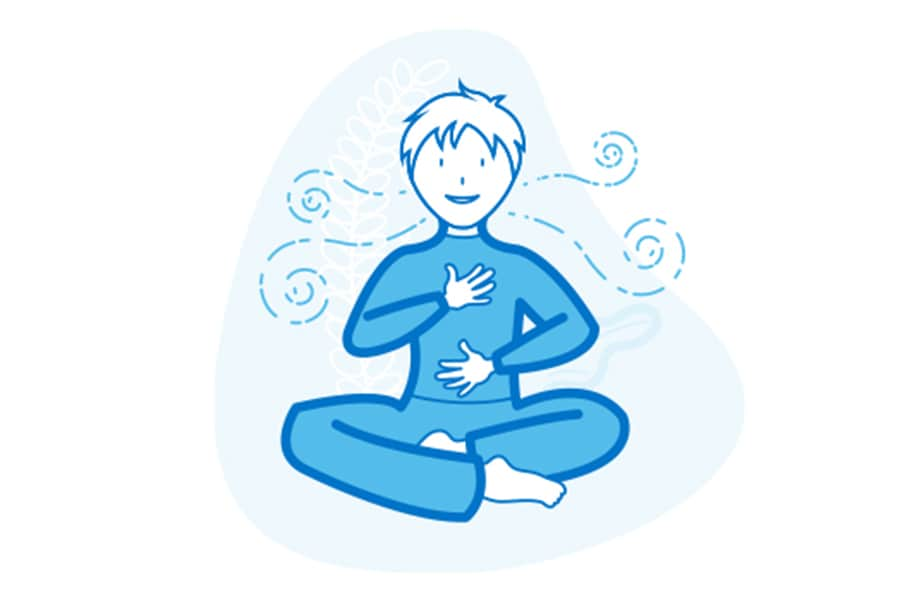
This technique involves slow, deep breaths to calm the body.
Deep Breathing
100
This term refers to a defendant’s ability to understand court proceedings and work with their attorney.
Competency to stand trial

200
True or False: Anger is always harmful.
False - Anger is not always harmful; it is a normal, natural human emotion that can be healthy and constructive when managed well. It acts as a protective signal that boundaries have been violated, motivating positive change, self-defense, or action against injustice.
200
Name one external trigger
An outside situation or person - something or someone other than yourself (examples: traffic, arguments)
200
True or False: Recognizing early warning signs can help prevent escalation.
True - Recognizing early warning signs—such as pacing, clenched fists, rapid breathing, or verbal agitation—is critical for preventing the escalation of conflict or violence.
200
Taking a break from a heated situation is called this.
Timeout

200
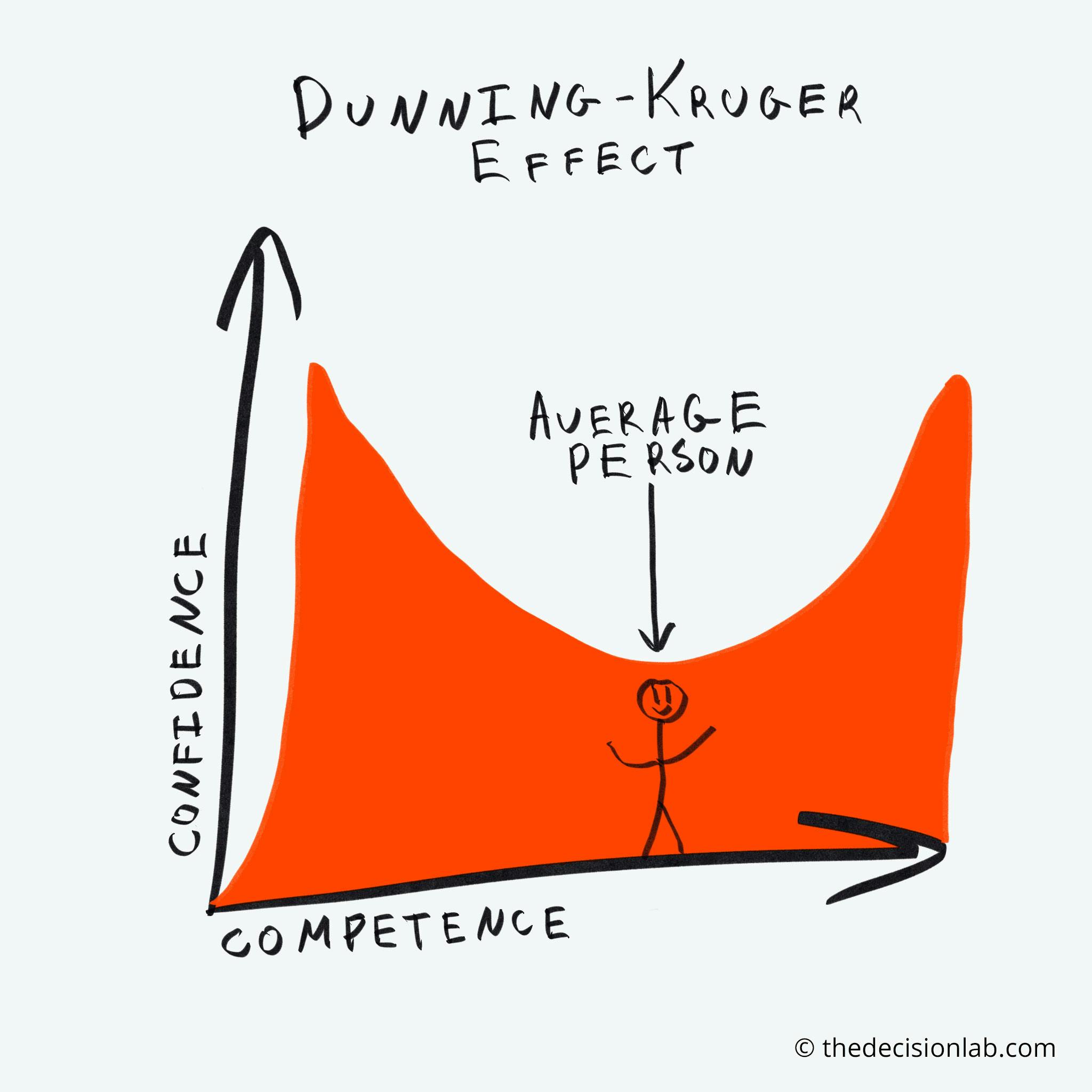
True or False: Competency can change over time depending on a person’s mental state.
True
300
Anger is often a “secondary emotion,” meaning it can cover up feelings like these two things.
Hurt and Fear
300
Name one internal trigger.
Thoughts, memories, beliefs - Anything internal or part of our own self
300
“This isn’t fair!” is an example of this type of cue.
Thought/Cognitive Cue
300
True or False: Exercise can help reduce anger.
True - Exercise is a highly effective way to reduce anger, frustration, and stress. Physical activity helps by releasing endorphins (natural mood elevators), lowering stress hormones like cortisol, and allowing built-up tension to be released.
300
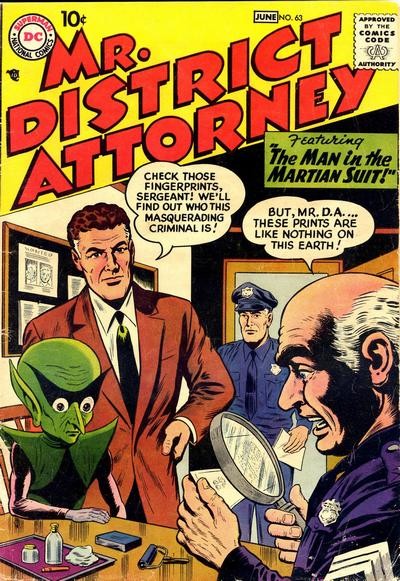
This person works for the state, pursues charges and looks to convict "alleged criminal behavior".
District Attorney
400
This part of the brain helps trigger the fight-or-flight response.
Amygdala

400
True or False: Everyone has the exact same anger triggers.
False - While humans share common themes for anger (such as disrespect, fear, or injustice), individual anger triggers vary significantly based on personal experiences, upbringing, and past trauma.
400
Name one emotional cue of anger.
Irritability, frustration, or feeling overwhelmed

400
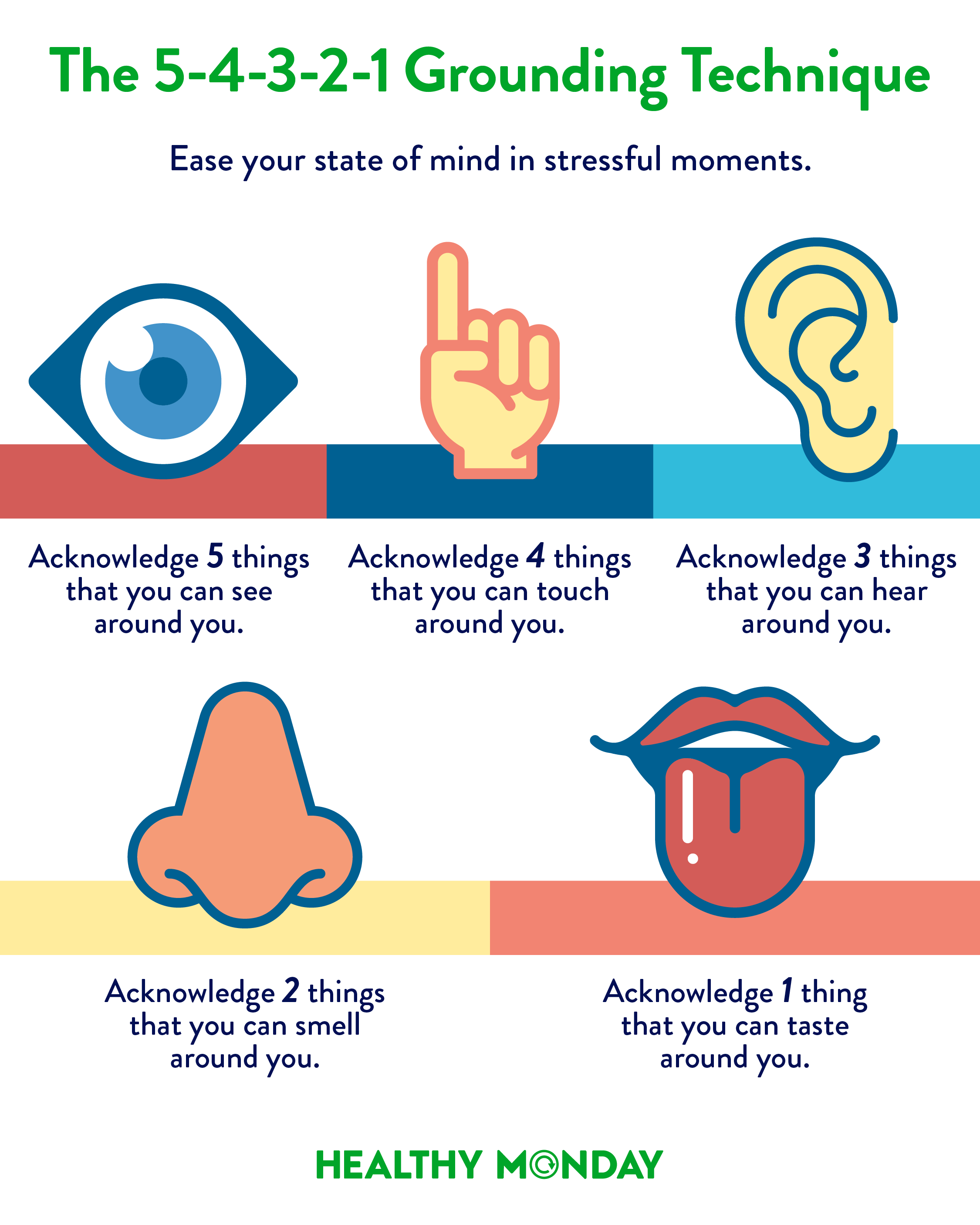
This technique involves focusing on the present moment using your senses.
Grounding
400
Name one thing a defendant must be able to understand to be considered competent.

500
This term describes expressing anger in a healthy, respectful way.
Assertiveness
500
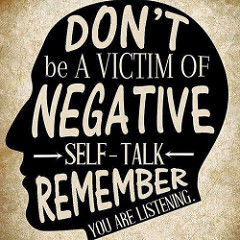
What type of thinking can increase anger? ie. “This always happens to me!”
Negative/self-defeating thinking - All or Nothing Thinking
500
This is the benefit of recognizing cues early.
Better control over reactions
500
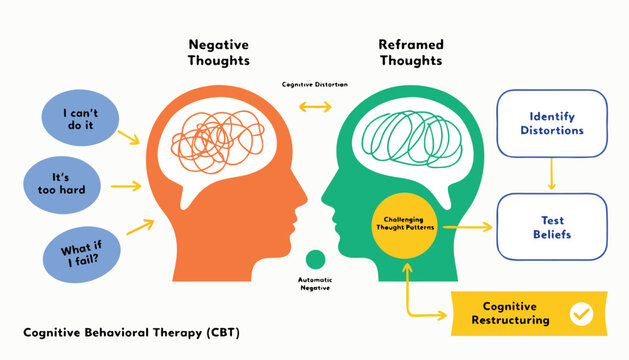
This skill involves changing negative thoughts into more balanced ones.
Cognitive Restructuring (reframing)
500
What are two reasons a defendant can be found IST (Incompetent to Stand Trial)?
1. Due to mental illness, the defendant isn't unable to understand court proceedings
2. Defendant is unable to rationally assist their attorney in their own case
