Birds of the North Shore
Marine Animals
Mountain Mammals
Wildlife safety + reporting
100
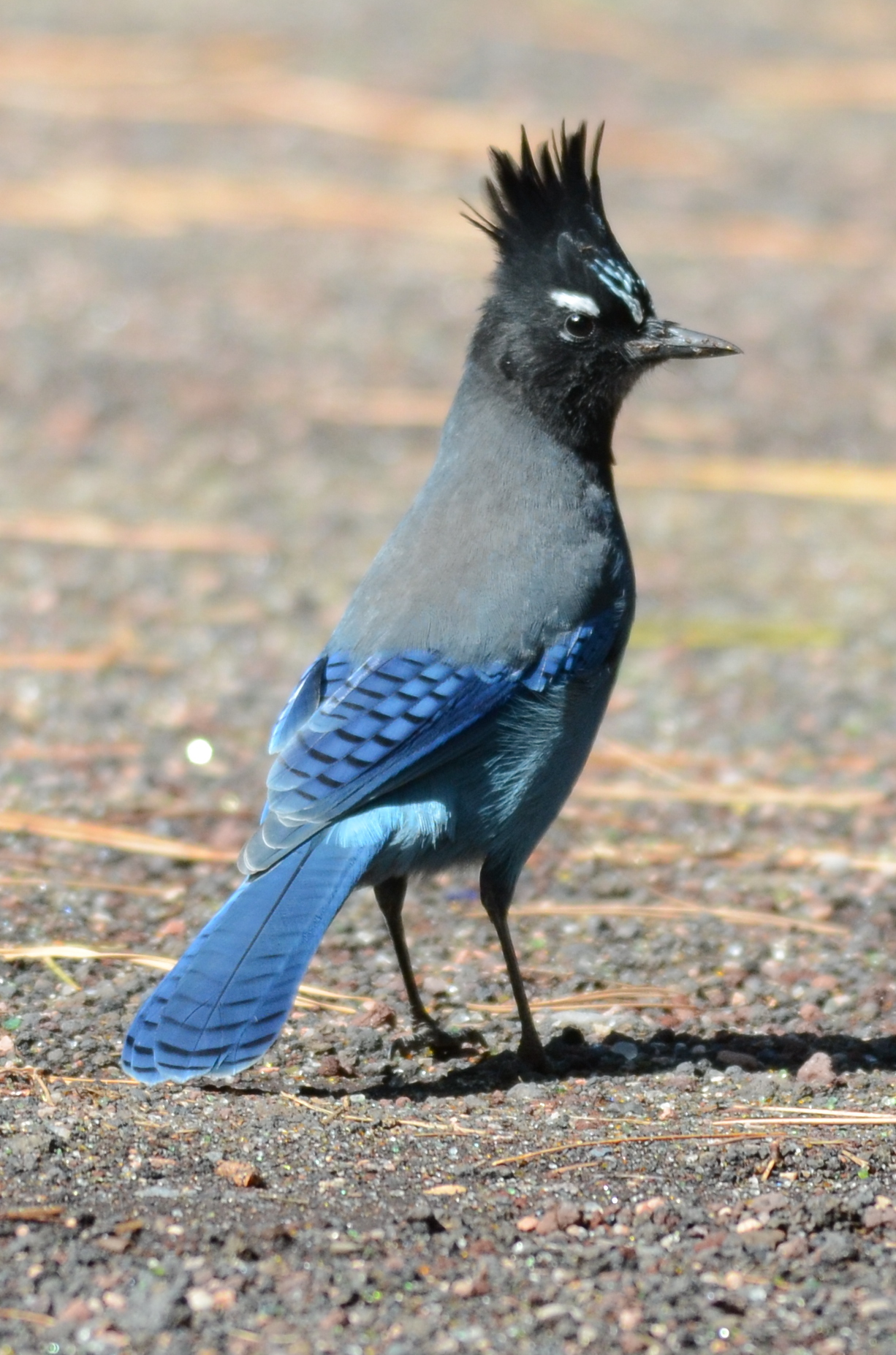
You’ll often hear this bright blue-and-black bird; it’s B.C.’s provincial bird.
What is the Steller’s jay?
100
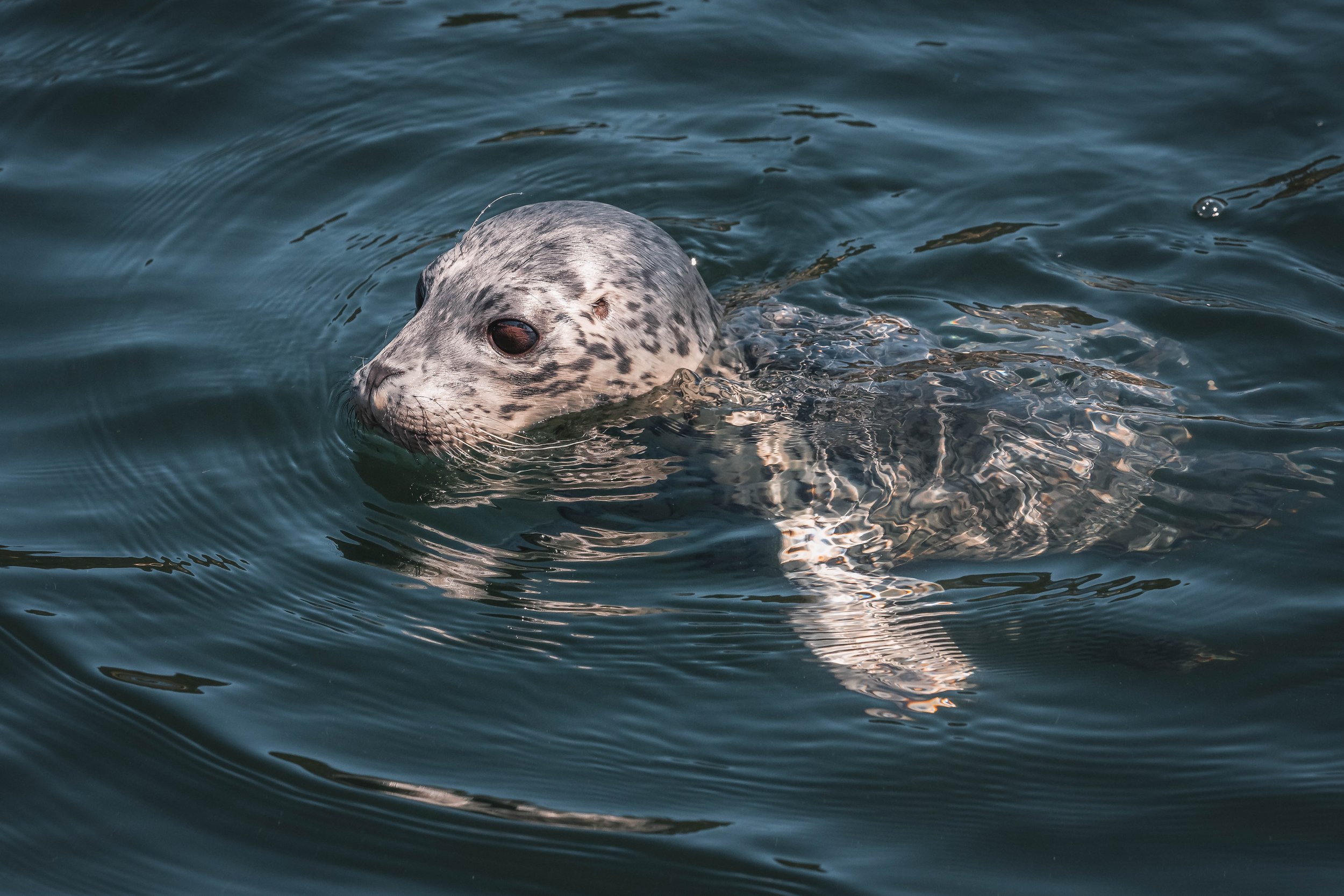
These common Vancouver marine mammals often rest upright while “bottling” or lounge on docks and rocks like bananas.
Harbour Seals
100
You might see this black-furred omnivore around Grouse or Cypress; it climbs trees and is often spotted eating berries in late summer.
What is a black bear?
100
This is the most crucial action to avoid when encountering a bear, cougar, or aggressive coyote, as it can trigger a chase response.
Do not run
200
A common sight along the Capilano River, this powerful bird of prey returns every year during salmon runs to feast, and builds one of the largest nests in North America.
What is a bald eagle?
200
Despite their common name, these iconic Vancouver-area marine animals are actually the largest member of the dolphin family.
Orcas or Killer whales

200
Common on the North Shore, this small rodent whistles a loud alarm call when hikers approach; it also builds large underground burrows.
What is a marmot?

200
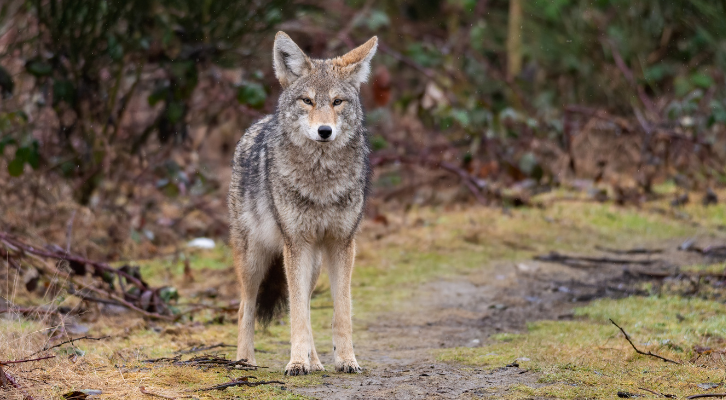
This common urban canid is often seen following people or pets to "escort" them away from a nearby den site or territory.
Coyotes
300
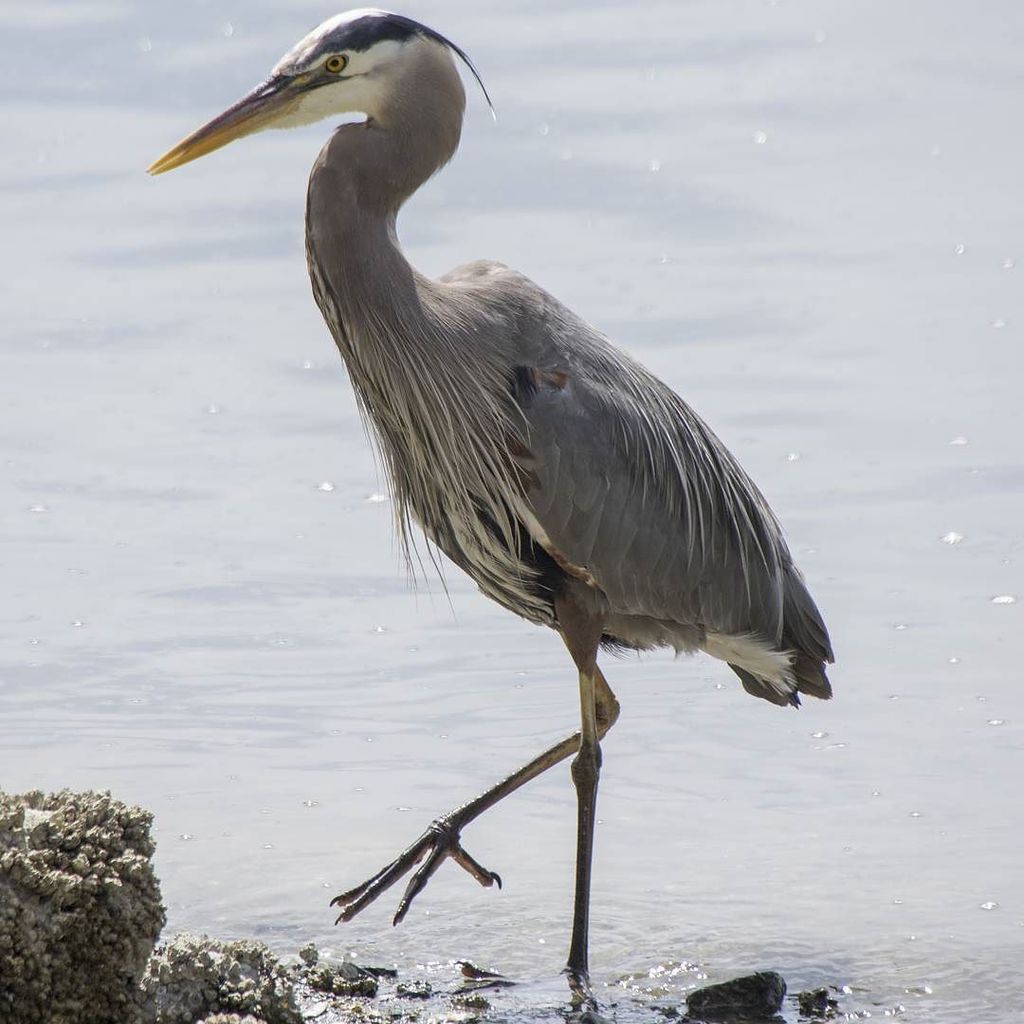
Often spotted wading in creeks like Lynn Creek or Mosquito Creek, this tall grey bird stands still for long periods while hunting fish.
What is a great blue heron?
300
The two species of sea lions that can be found in the Salish Sea near Vancouver, with one being much larger and rarer
Steller Sea Lions and California Sea Lions

300
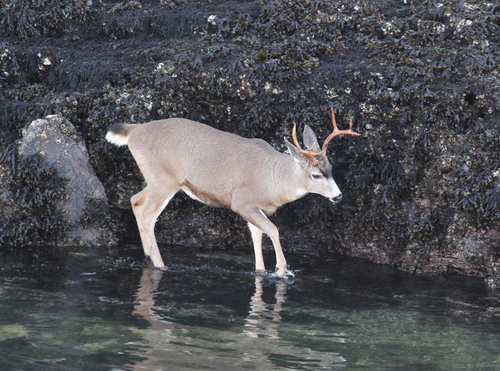
Often mistaken for a small deer, this shy member of the mountain-dwelling deer family has a dark face and is common around Mount Seymour.
The (Sitka) black-tailed deer
300
You should immediately call this provincial hotline (1-877-952-7277) to report a bear, cougar, or aggressive coyote.
The RAPP Line (Report All Poachers and Polluters)
400
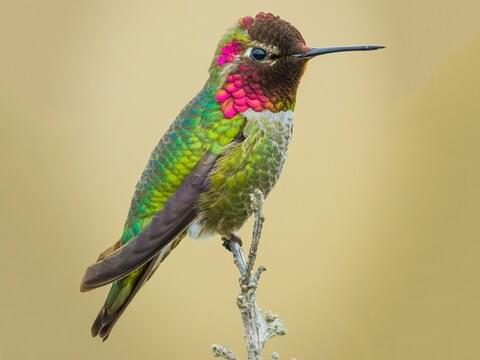
Though historically not present year-round, this tiny bird has become a permanent, non-migratory resident in Vancouver thanks to mild winters.
The Anna's Hummingbird
400
This animal is known for its long migrations and spectacular breach, is often seen feeding in the Salish Sea from spring through fall.
humpback whale

400
This small, round alpine mammal—sometimes called a “whistling hare”—lets out a high-pitched alarm call when hikers approach.
A pika
400
Most human-wildlife conflicts in the Lower Mainland, especially involving bears, are preventable by securing and removing access to these.
Garbage or other human food sources
500
These are the most common species of large gull seen along the Vancouver waterfront and often perch on the roofs of Granville Island Market.
Glaucous-winged Gulls

500
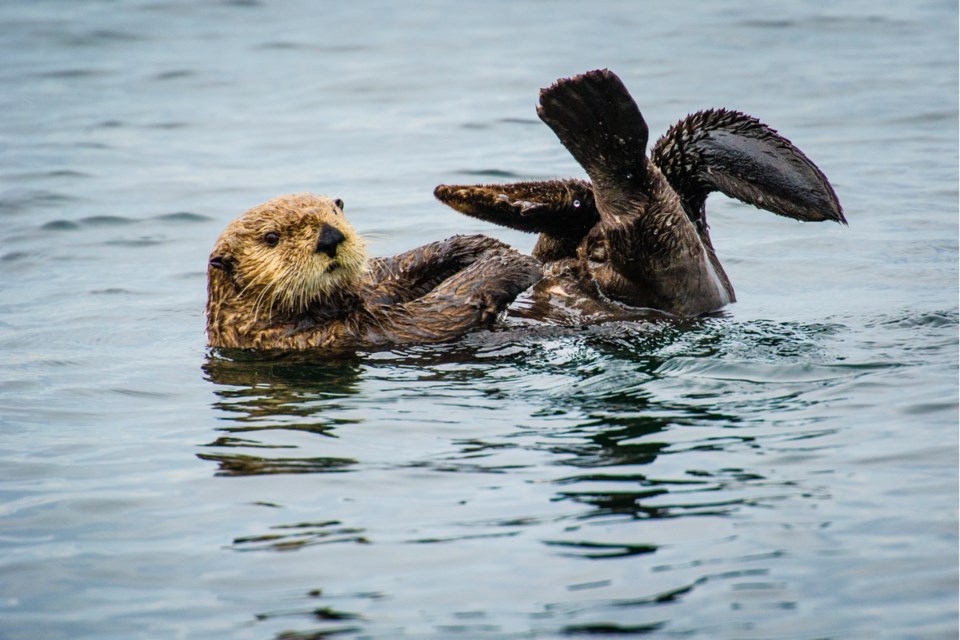
Unlike their oceanic cousins, this playful mammal is often spotted in freshwater areas like Lost Lagoon or along False Creek, where it forages for fish and shellfish.
River Otters
500
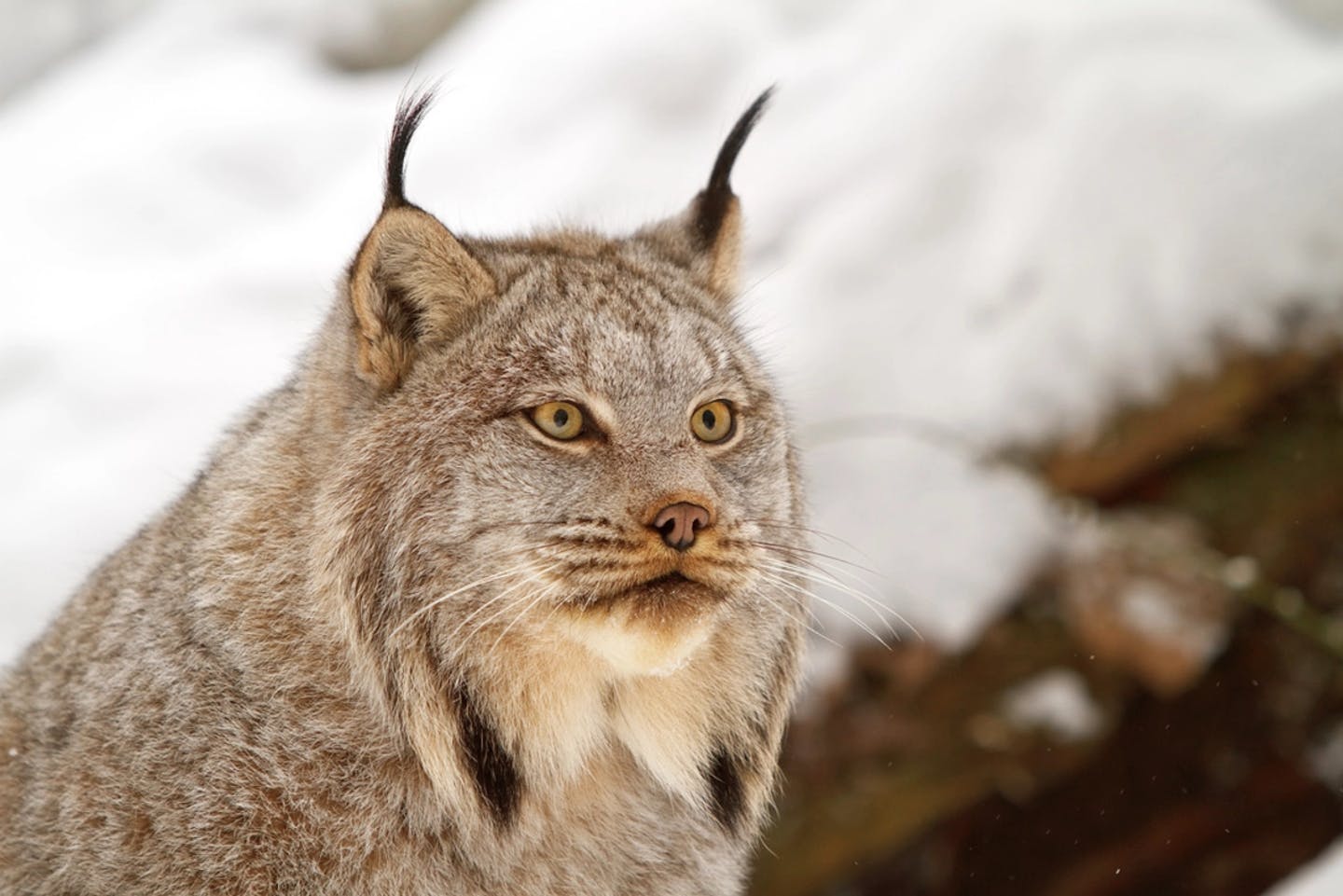
This predator, seen only rarely around the Sea-to-Sky, is known for its muscular build, tufted ears, and massive paws that act like snowshoes.
What is a Canada lynx?
500
If a bear or cougar approaches, this is the recommended way to try and intimidate the animal, while slowly backing away.
Make yourself look big (stand tall, hold up arms/backpack)