Primate Taxonomy - The Haplorrhines
Primate Behavior I
Paleontology and Fossil Records
Early Hominins
Primate Behavior II
100
These types of animals fall within the category of haplorrhines
Tarsiers, Monkeys, and Apes
100
These types of primates eat mainly insects
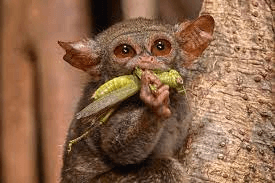
Insectivores
100
These types of fossils are being found by paleontologists.
Preserved remains of an organism
Totally preserved
Casts/Molds
Impressions with no organic material
Mineralized organic material
100
This prehistoric era happened between 542-251 mya and is where the origins of the first vertebrates can be found. 
The Paleozoic Era
100
List one tool a chimpanzee would use
Termite Fishing Stick
Hammer and Anvil
Spear
200
The two groups that divide haplorhines
Platyrrhines and Catarrhines
200
Name one reason why primates live in groups
Reproduction
Predator Awareness and Defense
Resource Defense
Cooperative Foraging
Infant and Juvenile Care
200
This form of relative dating uses index fossils from around the world to get a relative age.
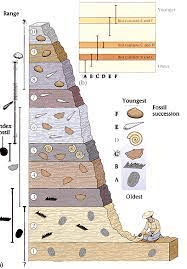
Biostratigraphy
200
There are three hypotheses for why we see primates
Arboreal Hypothesis
Visual Predation Hypothesis
Angiosperm Coevolution Hypothesis
200
Grooming, Food Sharing, and Alloparenting are all examples of what type of primate behavior
Affiliative Behavior
300
Old World Monkeys are separated into two groups
Cercopithecines and Colobines
300
True or False: Competition over mates is a cost of living in a group.
Ture
300
Dating the rocks around the fossil rather than the fossil itself is known as
Absolute Dating
300
A primate hypothesis in which flowering trees emerged at around the same time as the primates
Angiosperm Coevolution
300
What altruistic actions do some primates perform
Alarm-calling
Food Sharing
Aiding someone in a dispute
400
What are the key characteristics of Hominoidea
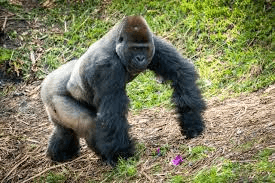
Apes, Larger, Use Suspensory Locomotion, Larger Brain, No Tail
400
This is the limiting factor for female primates when arranging themselves.
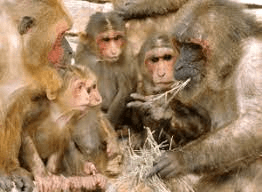
Access to Resources
400
The most important derived characteristic of a Hominin because it is easy to tell in the fossil record and shows up before the evolution of brain size
Bipedalism
400
This big change happened during the Paleocene (66.5-55.8 mya) and produced the forerunners of modern placental and marsupial mammals.
Early Mammal Radiation
400
During what stage of life do primates learn motor skills, learn social behaviors, and learn play behavior
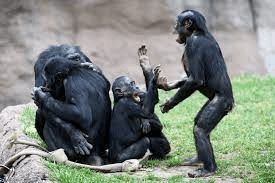
Juvenile Period
500
True or False: Sexual Dimorphism is when the sexes are two different colors
False
500
A fission-fusion group tends to have what
Multiple males and multiple females
500
True or False: A relatively flat and thin pelvis shape is a good skeletal indication of bipedalism
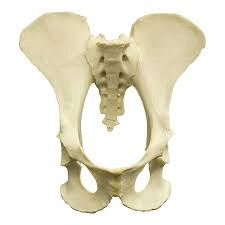
False
500
This early hominin was found in Ethiopia with a very complete fossil skeleton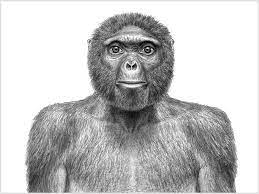
Ardipithecus Ramidus
500
Negative or overtly aggressive behavior is known as this type of behavior.
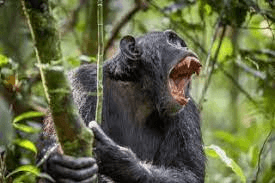
Agonistic Behavior