Biochemistry: Inorganic
Biochem: Organic
Cell Biology & Cell Transport
Tissue Types (CP / DC)
Integumentary System (DC)
100
The pH of blood
What is 7.4
100
consumed organic compound that provides the easiest access to energy
What are Carbohydrates
100
Simplest mechanism of Cell transport
What is Diffusion
100
Tissue that includes Cardiac, Skeletal & Smooth
What is muscle
100
Outer layer of Skin
What is Epidermis
200
Substance primarily needed by the body to perform Aerobic Cell Respiration
What is Oxygen / O2
200
This substance is mostly protein and used trigger all physiological metabolic reactions by lowering activation energy
What are enzymes
200
The functional definition of the plasma membrane
What is Selectively Permeable membrane that regulates what enters & exits the cell
200
Tissue that includes bone, ligaments & cartilege
What is Connective
200
Where primary functions occur in the skin
What is Dermis
300
the substance that needs to be expelled by the body to prevent acidosis in the blood
What is Hydrogen Ions (H+) or Carbon Dioxide (CO2)
300
Organic Compound that is the bulk of composition of the cell's plasma membrane
What are Lipids
300
Powerhouse of the cell in which O2 is used to produce the majority of ATP in the cell
What is the Mitochondria
300
Tissue that typically includes a free surface and a basement membrane on the attached side
What is Epithelium
300
Function of the skin that includes constriction & dilation of blood vessels
What is Temperature Regulation
400
The concentration of this substance in solution is what determines pH
What is Hydrogen Ions / H+
400
Organic compound that stores, communicates & transports genetic information
What are Nucleic Acids
400
Organelle that determines whether Endoplasmic Reticulum is "rough" or "smooth" and where protein synthesis occurs
What is the Ribosome
400
Epithelial tissue that is multi - layered, flat cells used for protection and prevent dehydration
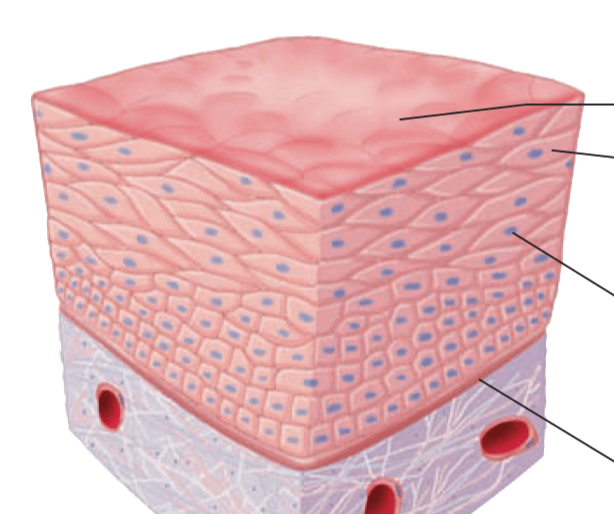
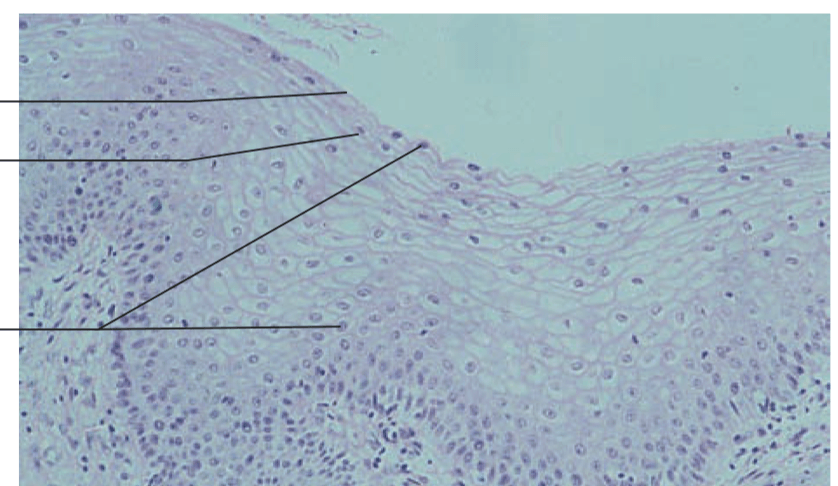
What is Stratified Squamous
400
Skin condition that occurs when yellowing is observed
What is Jaundice
500
(Arguably) the most important need of water in the body
What is water is the medium by which all physiological metabolic reactions occur
500
Part of an Amino Acid that changes between one amino acid and a different amino acid
What is the R group
500
Osmotic solution in which the concentration of solutes is greater than that which is in the cell; causes dehydration of the cell
What is Hypertonic
500
Type of connective tissue built for high tensile strength as demonstrated in ligaments and tendons
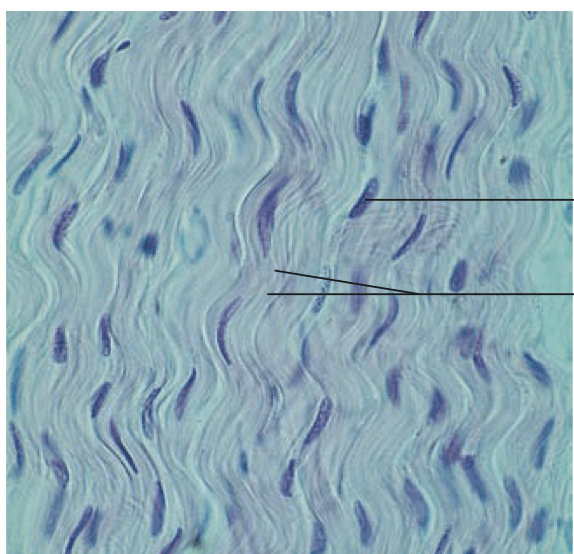
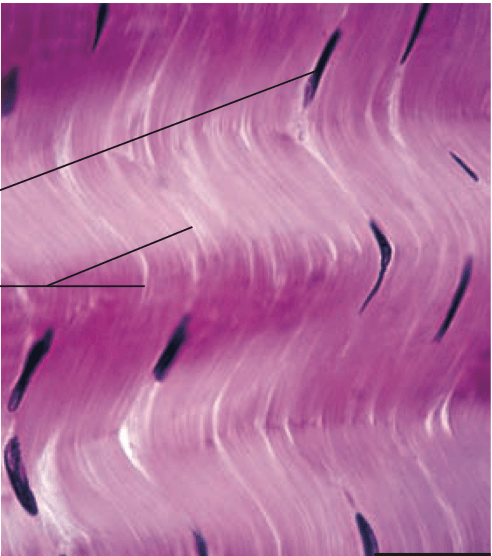
What is Dense Regular
500
Technical, chemical name for Vitamin D
What is Calciferol