Pollutant ID
Pollutant Effects and LD50
Eutrophication
POPs/ Biomagnification
Solid Waste
Wastewater Treatment
Human Health and Pathogens
Math
100
Identify two potential non-point sources of pollution.
Erosion from agricultural land, fertilizers from urban runoff, dust blowing off unpaved roads, etc
100
Identify and describe two water quality measurements and how they would be affected by a construction site located upstream
Turbidity measures the amount of particulates in the water column, it would be expected to increase with construction upstream
DO measures the amount of oxygen available in the water, it would be expected to decrease due to less photosynthesis happening as the plants receive less oxygen due to the increased turbidity
100
Identify the cause of decreased DO concentrations after an organic pollutant is added to a body of water.
Algae bloom -> Increased aerobic decomposition
100
Describe how POPs like DDT can travel long distances.
DDT can be carried by wind and water
100
Where does most of the solid waste in the US end up?
Sanitary landfills
100
Identify the microorganism used for biological treatment of waste to breakdown hazardous organic compounds.
Bacteria
100
Identify two pathogens that use mosquitoes as a vector
Malaria, West Nile Virus, Zika Virus
200
Identify two potential point sources of pollution
Seepage from a landfill, smokestack emissions from a factory, overflow from a sewage plant, etc
200
Identify the approximate LD50 of Tetrodotoxin on mice. 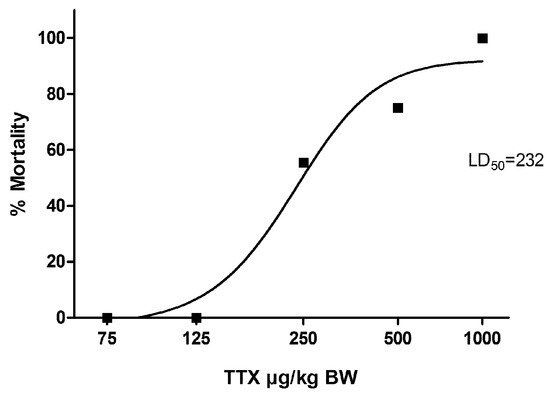
250mg/kg BW
200
Describe how eutrophication causes fish die offs
Asphyxiation from lack of oxygen
200
PCBs would have the greatest effect on which organisms in an ecosystem?
Apex predators due to biomagnification
200
Identify three items that should not go into a sanitary landfill as they are considered household hazardous waste.
E waste
Cleaning chemicals
Bug spray
Batteries
Oil based paints
etc.
200
Describe the effects of tropospheric ozone vs stratospheric ozone.
Tropospheric ozone: respiratory and eye irritant
Stratospheric ozone: blocks harmful UV rays
200
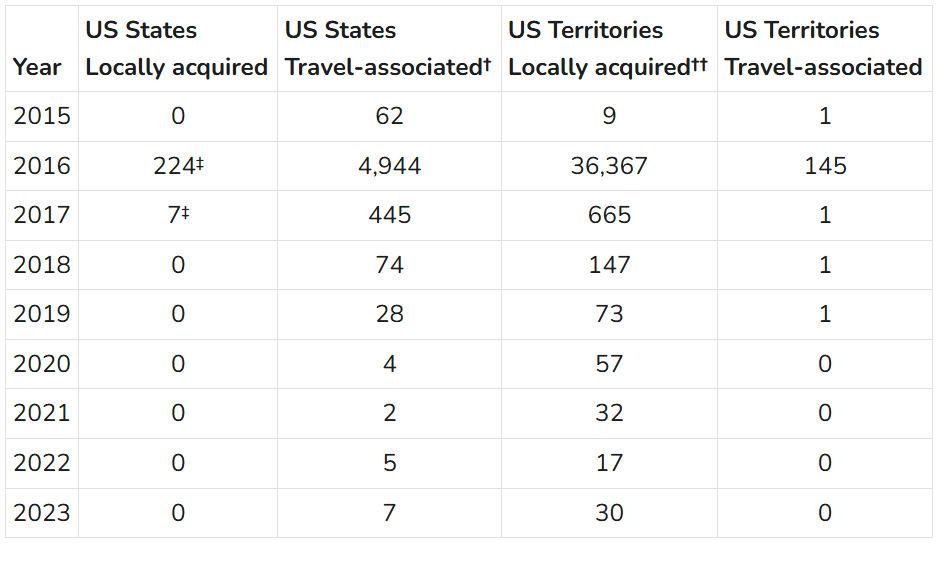 Calculate the percent decrease in Zika cases locally acquired in the US from 2016 to 2017. Make a claim that would explain the decrease in Zika cases.
(224-7)/224 = 0.969
-96.9%
The United States had an abnormally warm and wet summer in 2016 which increased mosquito populations therefore spreading Zika.
The United States sprayed for mosquitoes in 2017 which explains the stark decrease in Zika cases from 2016.
300
This type of pollutant can mimic hormones such as testosterone or estrogen and affect the reproductive success of species. Identify the pollutant type.
Endocrine disruptor
300
Identify and describe two potential consequences of the destruction of wetlands surrounding a river.
Increased pollutants making their way into the river because the wetlands cannot filter them
Increased frequency of flooding because the wetlands cannot store the excess water
300
Describe the differences between an oligotrophic lake and a eutrophic lake.
Oligotrophic lakes are typically young in age and have low levels of dissolved nutrients. They have high levels of DO and low turbidity.
Eutrophic lakes are typically older in age and have high levels of dissolved nutrients. These nutrients may come from decaying sediments or from runoff carrying fertilizers. Eutrophic lakes have lower levels of DO due to increased decomposition and high turbidity.
300
Compare and contrast bioaccumulation and biomagnification.
Compare:
Both are due to POPs or methylmercury as these pollutants are fat soluble and not easily broken downContrast:
Bioaccumulation is the accumulation of pollutants such as POPs or methylmercury within one organism over its lifetime Biomagnification is the increasing concentrations of pollutants such as POPs or methylmercury moving up the trophic pyramid
300
Describe a benefit and a drawback of waste incineration.
Benefit: decreases the volume of waste that needs to be landfilled
Drawback: contributes to air pollution
300
Compare and contrast the process solid waste disposal vs sewage treatment.
Compare: both take precautions to limit contamination of surface waters and groundwater, both use biologic treatment to breakdown organics
Contrast: solid waste stores waste in sanitary landfills, sewage treatment stores some waste in sanitary landfills but most waste can be filtered out and water can be released back into surface waters
300
Identify and describe two reasons why developing countries have higher rates of infectious diseases compared to developed countries.
Less access to healthcare increases the spread of treatable diseases
Lack of access to solid waste disposal and sewage treatment leads to an increase in exposure to pathogens
Lack of funding for reducing vectors like mosquitos leads to increased infection rates of vector based diseases
300
In 2022 municipal solid waste in Sioux Falls totalled 250,000 tons. 40,000 tons of that waste was recycled. Calculate the percent of waste recycled in Sioux Falls. The national average recycling rate was 32%. Compare the average Sioux Falls recycling rate with the national average and make a claim on how Sioux Falls can become better at recycling.
16% of waste is recycled in Sioux Falls which is half of the national average recycling rate.
Sioux Falls can become better at recycling by providing public recycling bins at parks with infographics of what should go into the landfill vs be recycled. (Answers vary)
400
This pollutant is not water soluble and is known to adsorb onto solids in the water column. When ingested, this pollutant type makes its way to fat tissues where it is not easily broken down and can be passed to the next trophic level. Identify the pollutant type.
POP or methylmercury
400
Students conducted an experiment of the LD-50 of salt on pea seeds. Identify the control group, independent and dependent variables of the study
Control: peas germinated w/o salt
Independent: salt concentration
Dependent: pea germination or pea mortality rate
400
Identify the two nutrients that are likely to lead to algae blooms if they run off into water bodies.
Phosphorus and nitrogen
400
Identify the pollutant that is released from coal power plants that people who eat a lot of predatory fish such as swordfish or tuna should be concerned about.
Mercury (methylmercury)
400
Identify the 3Rs in waste reduction and describe them in order of energy saved (Most -> least)
Reduce: less items that need to be produced, the more energy saved
Reuse: if things need to be purchased, reuse them so they don’t end up in a landfill or need to be replaced
Recycle: still important but the most energy intensive of the three to sort and meltdown old materials to make new ones. Can save energy compared to harvesting new and manufacturing new materials.
400
Describe the steps in disease transmission to humans when a tick vector is involved.
Tick feeds on an infected animal and contracts disease
Tick feeds on humans and transmits the disease
400
In 2020, 1.5 billion smartphones were purchased. Each smartphone sold contains an average of 0.15g of lithium. Calculate the number of grams of lithium used in the production of smartphones in 2020. Include the unit in your answer. Show your work for full credit.
1.5x10^9 smartphones x (0.15g lithium/ smartphone) = 2.25x10^8 grams of lithium
500
Amphibians have seen a decline in population size due to the increased use of herbicides. Herbicides affect amphibians ability to reproduce. Identify the pollutant type of herbicides.
Endocrine disruptor
500
Identify two water quality effects from logging around a water body
Increased water temperature, increased sediments carried into the water, decreased DO due to increased water temperature
500
Describe the positive feedback loop that leads to dead zones.
Increased nutrients such as phosphorus and nitrogen
Increased algae growth blocks out sunlight
Plants below surface begin to die as well as some algae
Decomposers use oxygen to decompose dead matter
Oxygen levels decrease
More organisms die
More decomposition occurs, less DO
etc.
500
Describe the steps it takes for mercury to be emitted and make its way into a human.
Coal power plants emit mercury with particulate matter
mercury and particulates are deposited into a body of water such as the ocean
bacteria convert it to methylmercury
methylmercury is taken in by plankton
fish consume the plankton
humans consume the fish
500
Explain why much of the E-waste from the US is shipped to developing countries for processing.
Cheaper labor
Less regulations for toxic chemicals
Less dumping fees for E-waste
Less likely for people in developing countries to sue successfully when they get sick from e-waste
500
Describe the advantages and disadvantages of combining stormwater and sewage for treatment.
Advantages: litter can be filtered out during primary treatment so it doesn’t get into water bodies, some fertilizers can be filtered out during secondary treatment reducing the risk for elevated nutrients leading to eutrophication and fish die offs in local water bodies
Disadvantages: in systems where stormwater and sewage is combined, heavy rains run the risk of raw sewage being dumped into bodies of water without any treatment
500
Describe how West Nile Virus is transmitted to humans.
The virus is carried by an infected mosquito that transmits the virus when it bites a human.
500
Catalytic converters contain on average 5 grams of platinum. During the recovery process, only 80% of the platinum can be successfully recovered. If a thief steals 20 catalytic converters and the going rate for platinum is $30.25 per gram, how much money does she stand to make after the recovery process?
5g platinum x 20 cat. Conv. x (0.8 recoverable grams platinum/ 1 gram platinum) x ($30.25/ gram platinum) = $2,420