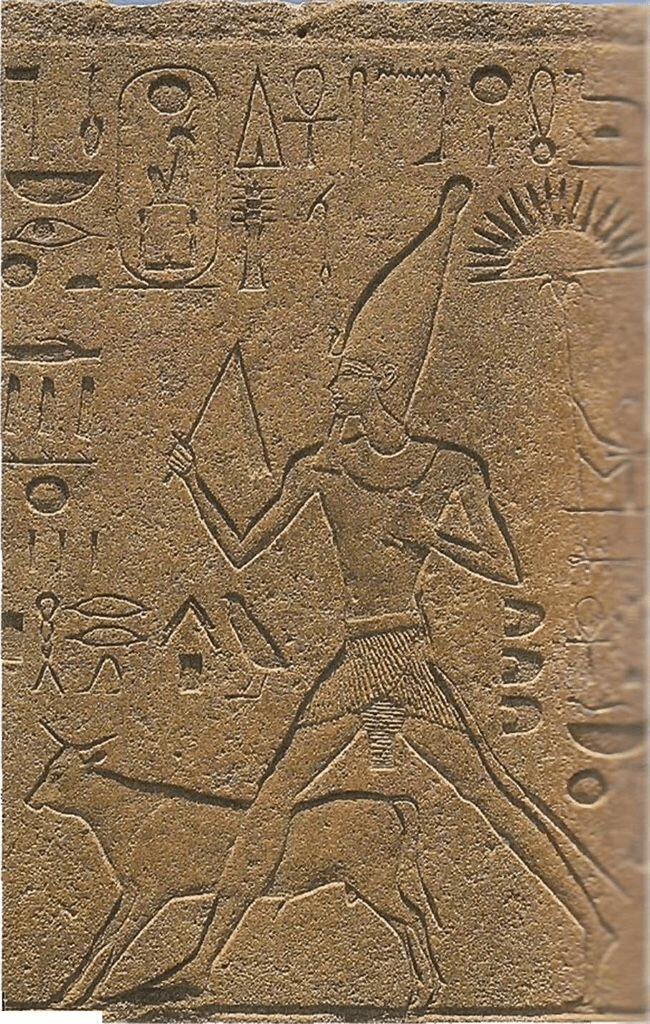
1
2
3
4
5
100
Rosetta stone was discovered by soldiers of this army.
The French army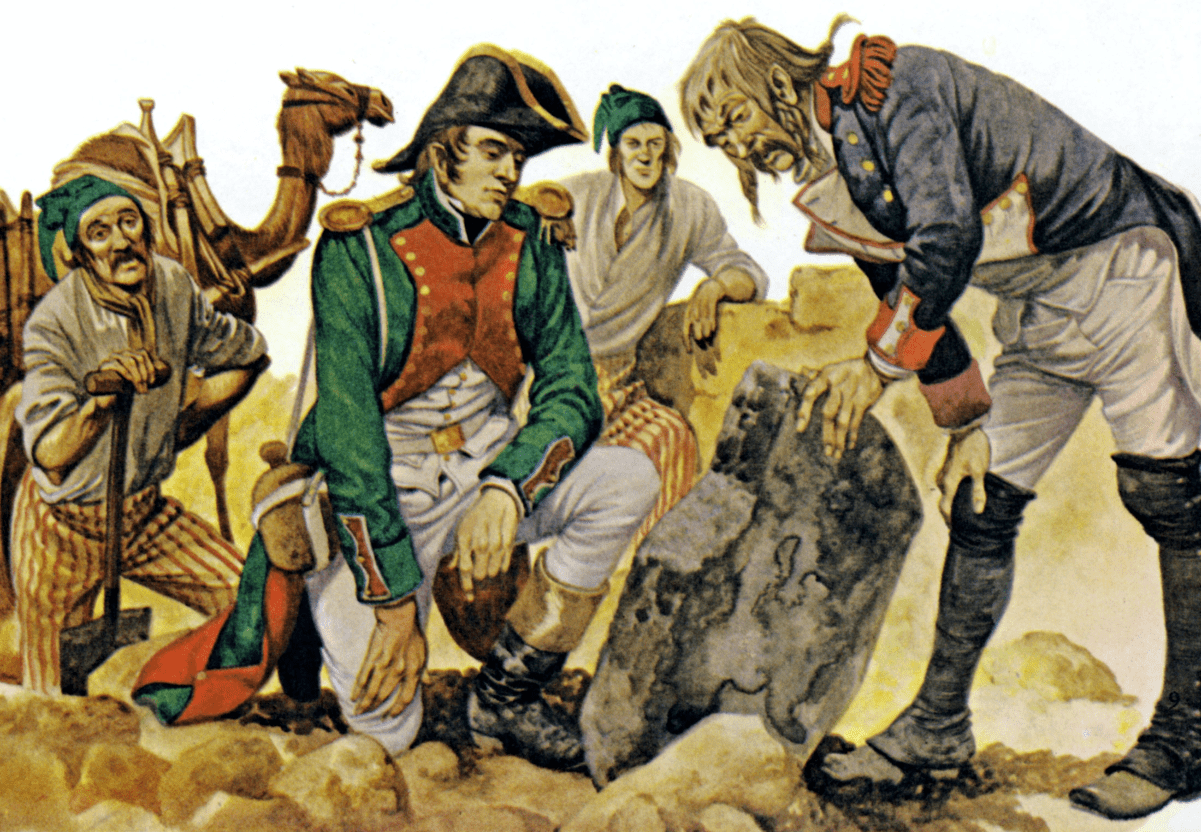
100
Mesopotamian hero Gilgamesh was a king of this city.
Uruk
100
The old name of the ISAC was...
Oriental Institute
100
The typical form of a Mesopotamian temple is known as...
Ziggurat
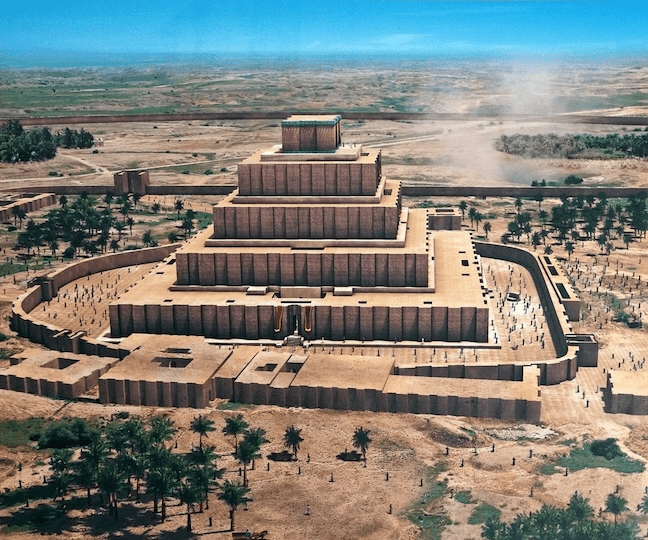
100
This ancient city is expected to become the site of the final battle between good and evil.
Megiddo. 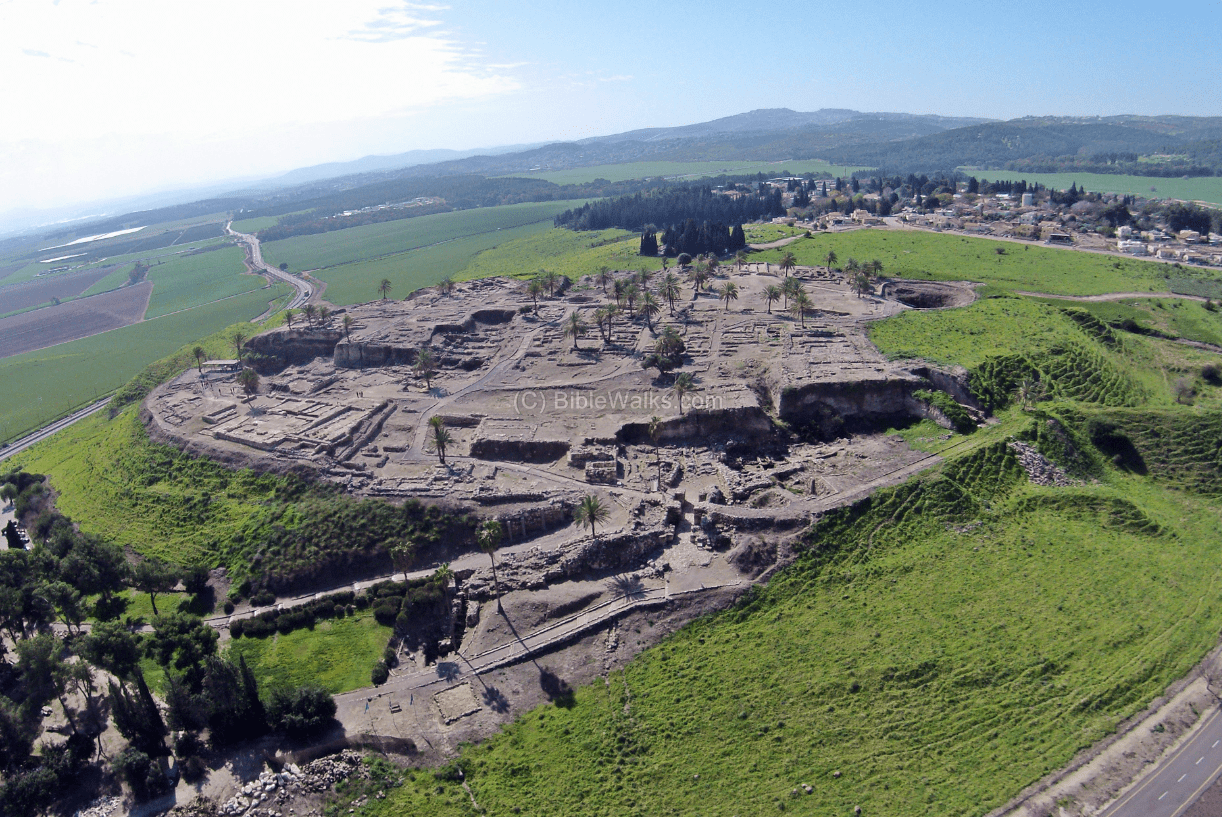
200
This famous palette represents the pharaoh named...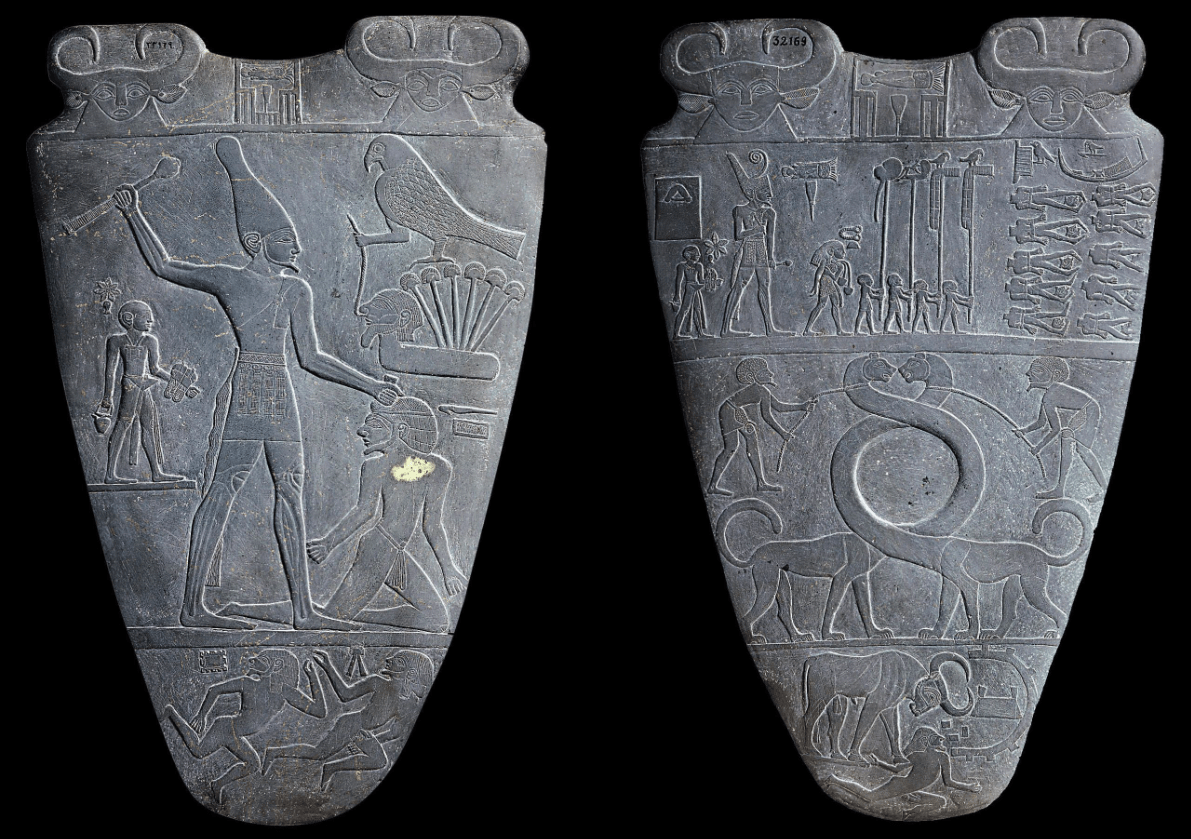
Narmer (or Menes)
200
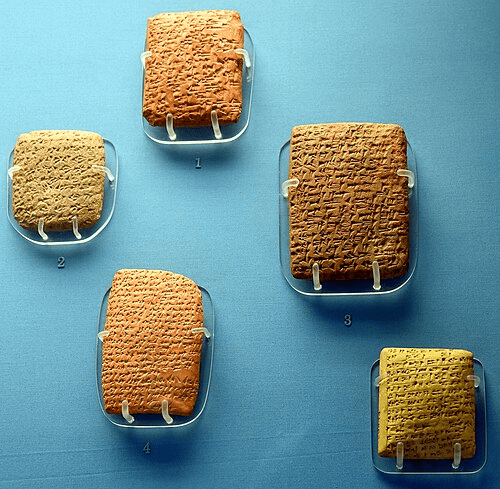
Tablets containing correspondence between Egyptian pharaohs and rulers of Near Eastern kingdoms is known as...
Amarna Letters
200
The second part of the Rosetta stone is written in this language.
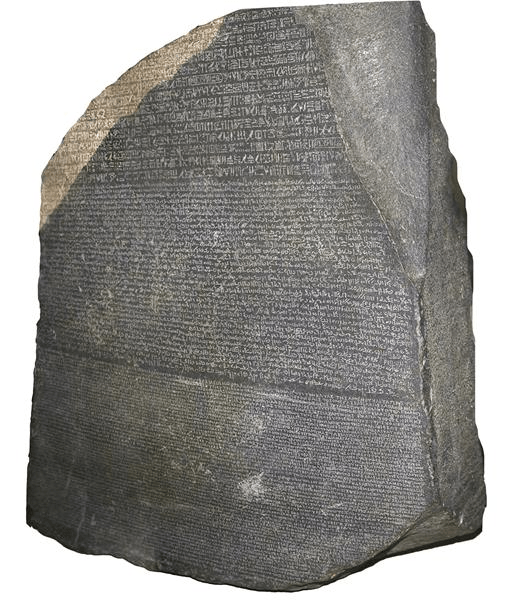
Demotic 
200
Kush was one of the historical names for
Nubia
200
In antiquity he Nile Valley was called Kemet. It translates as...
Black Land
300
This plant provided Ancient Egyptians with the essential textile fibers for weaving and making clothing.
Flax
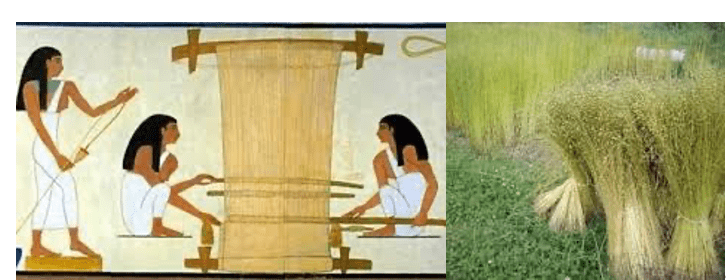
300
Behistun Inscription was important in decipherment of this script.
Cuneiform. 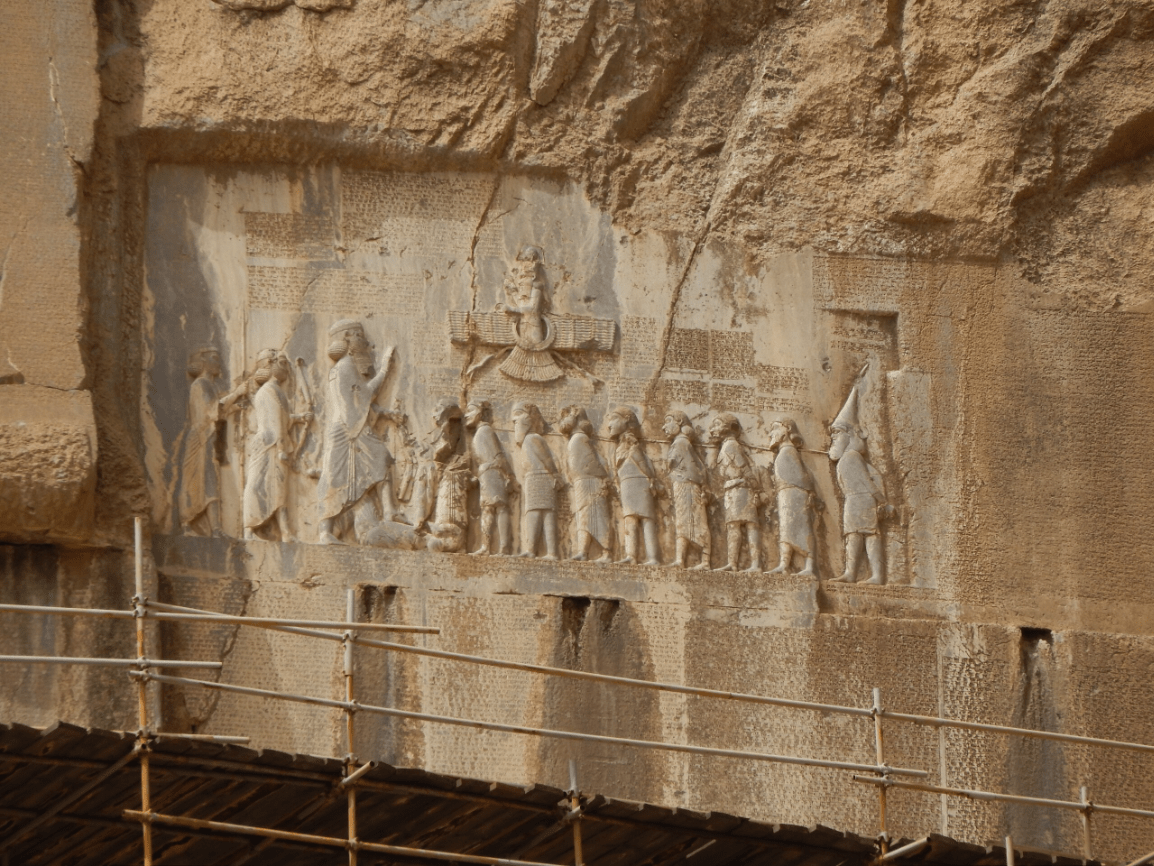
300
A slab of stone, decorated or undecorated, often used in the ancient world as a grave marker but also for dedication, commemoration, and demarcation.
Stela 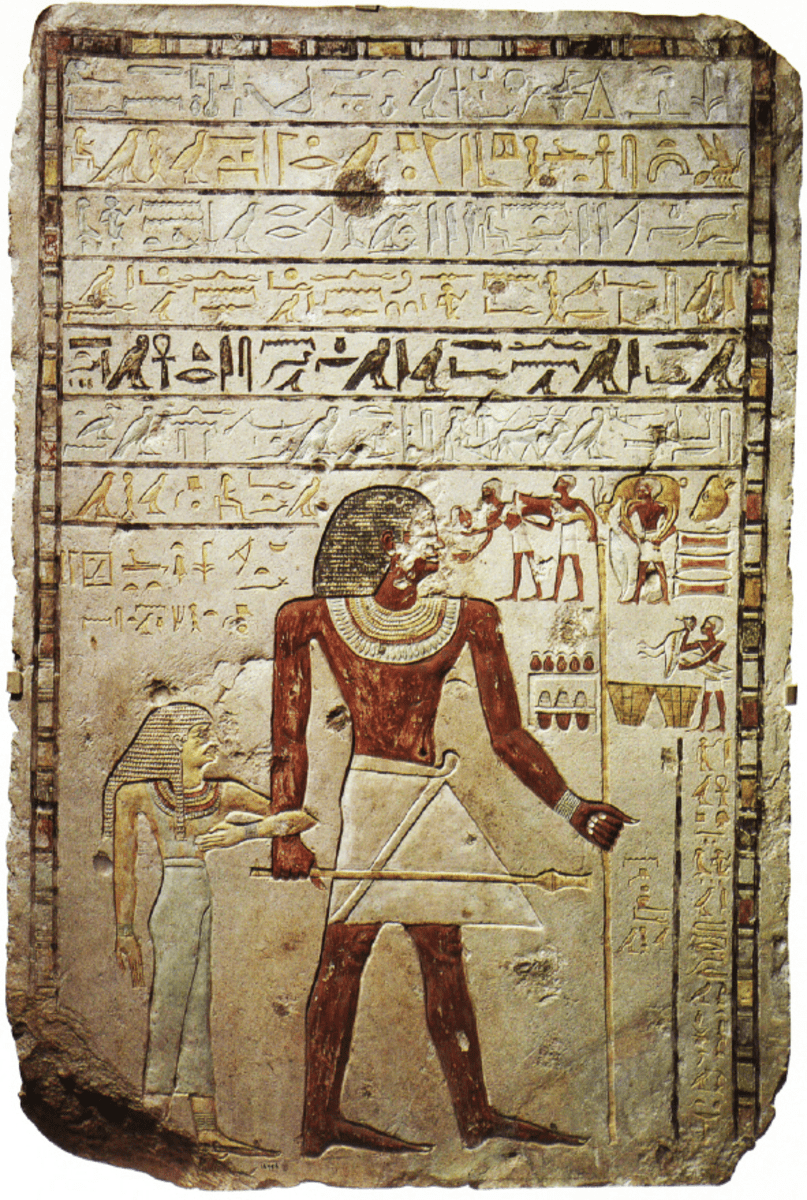
300
The king represented on this stone ruled in this ancient city.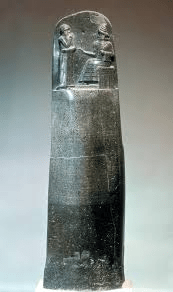
Babylon
300
This beautiful monument is named after a goddess.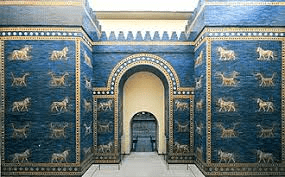
Ishtar Gate
400
This Egyptian god typically wears a crown that looks like a bowling pin.
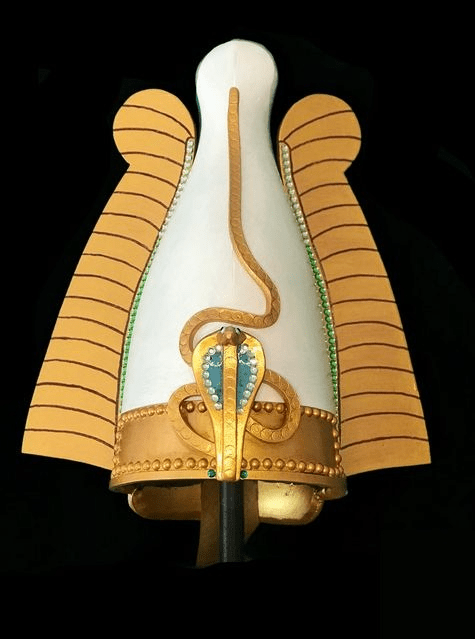
Osiris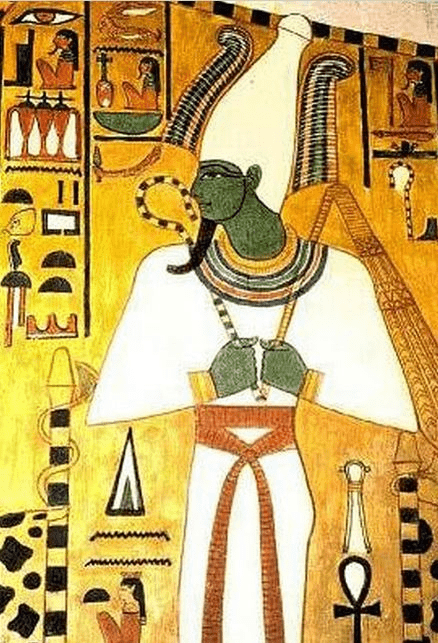
400
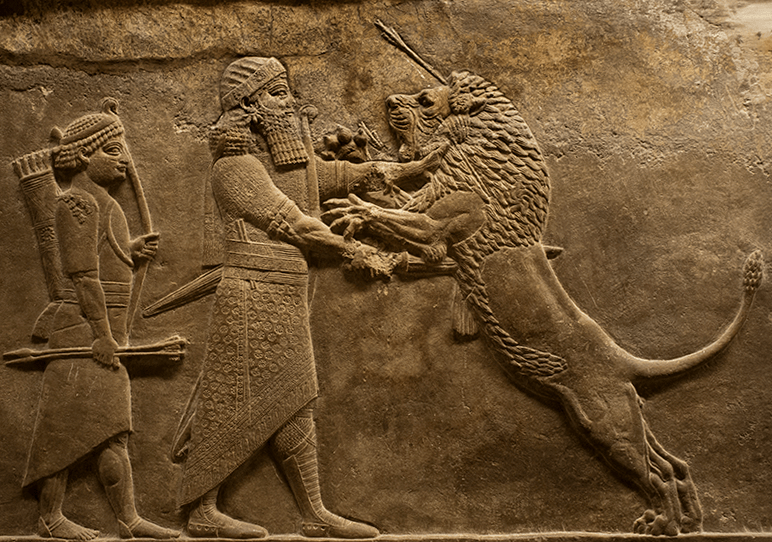
This king from the Northern Mesopotamian kingdom had a huge library. He also sacked the Egyptian city of Thebes in the 7th century BCE
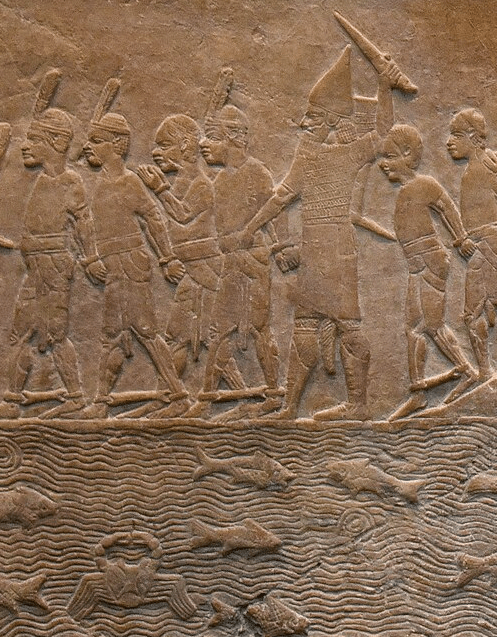
Ashurbanipal
400
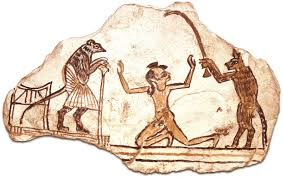
Ostracon is typically ...
a chip of pottery or limestone
400
Ancient Levant was also known as...
Canaan
400
Nineveh was one of the major cities of this empire.
Assyria
500
This city was the first capital of unified Egypt.
Memphis
500
Edgar J. Banks has created a foundation of this collection of the Oriental Institute.
Mesopotamian collection.
500
An Egyptian priest Manetho is famous for writing this.
The first comprehensive history of Egypt
500
The embodiment of truth, justice, and balance in Egyptian mythology.
Maat. 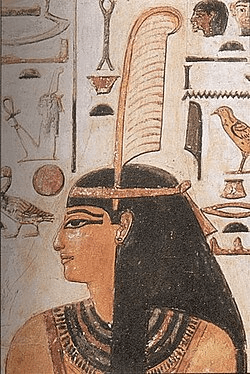
500
Derived from Greek for "flesh-eating," this type of coffin was often used in Egyptian and Greco-Roman cultures.
Sarcophagus
600
Egyptian boats with unfurled sail go in this direction.
South
600
Clay figurines from Jarmo, Iraq date back to this period.
Neolithic period. 9000-7000 BC
600
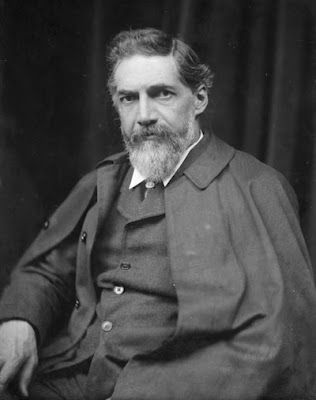
He invented the method of sequence dating.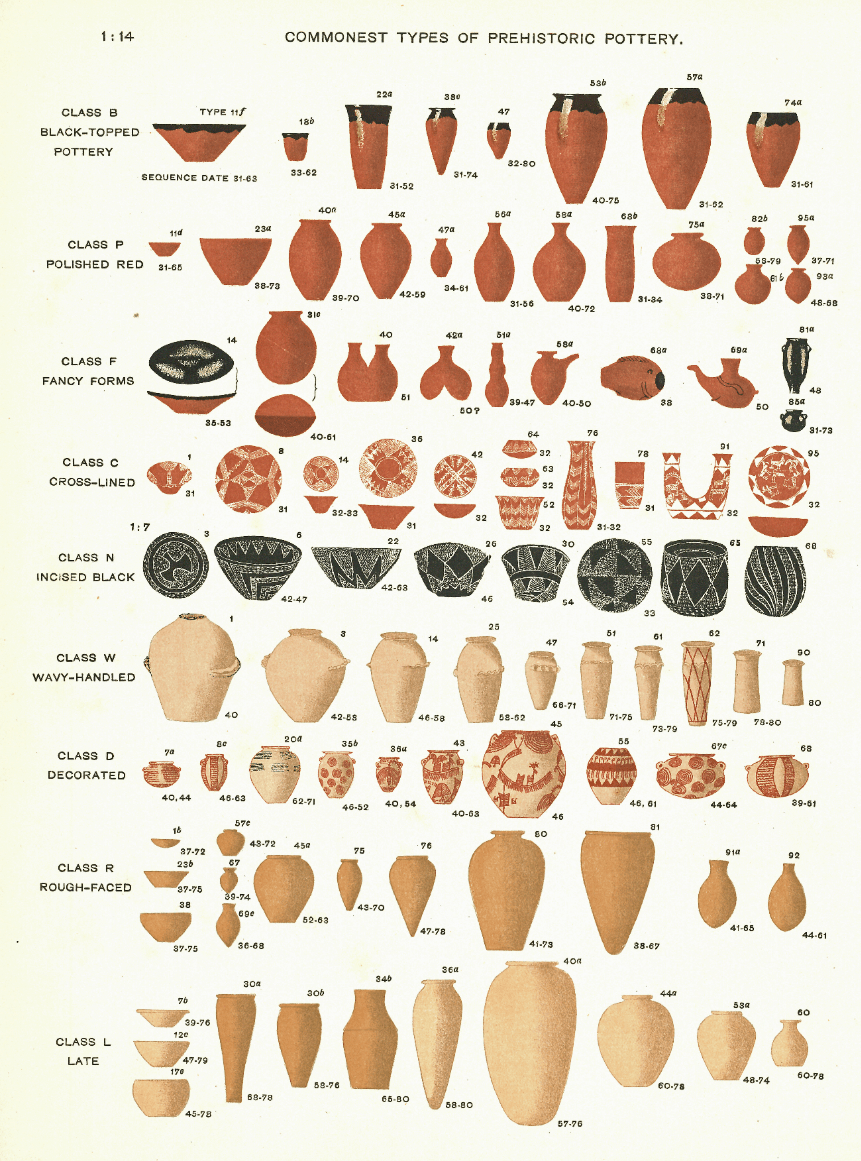
Sir Flinders Petrie
600
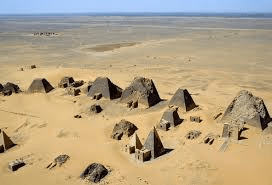
A treasure hunter Giuseppe Ferlini is responsible for destruction of a large number of these monuments
Nubian pyramids
600
People who lived in the village of Deir el-Medina were famous for creating these monuments.
Tombs in the Valley of the Kings 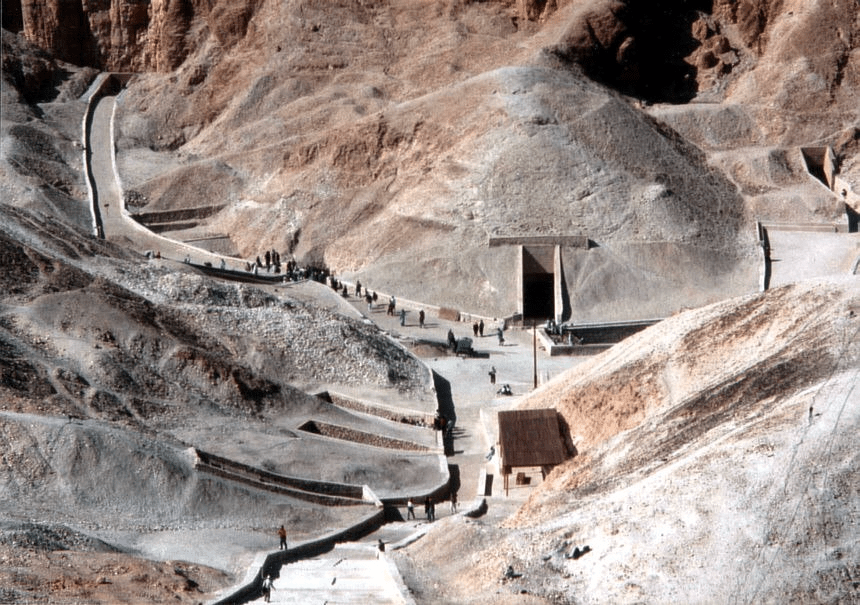
700
The Hyksos invasion of Egypt falls on this historical period.
The Second Intermediate Period (c. 1782 - c.1570 BCE)
700
The Museum of Egyptian Antiquities (the Egyptian Museum) was founded by this person
Auguste Mariette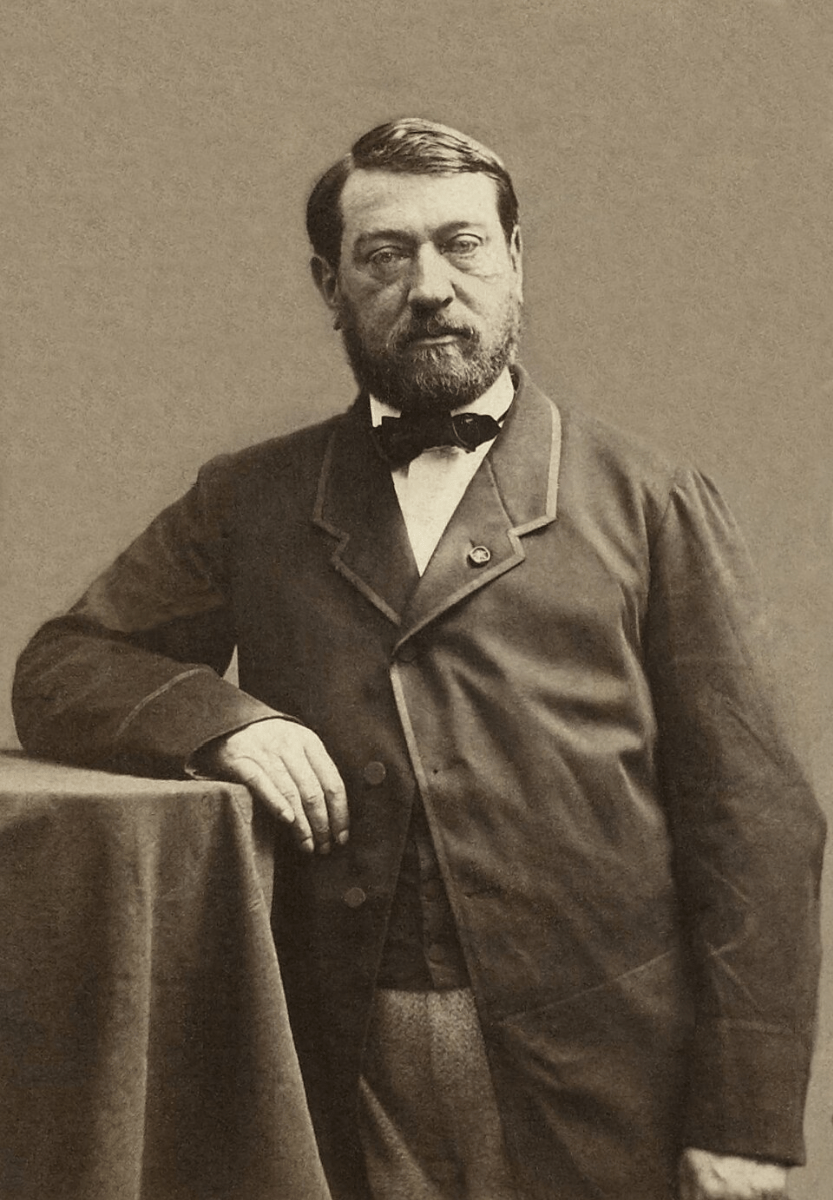
700
Palermo stone contains royal annals for this period of Egyptian history
Old kingdom. First five dynasties. 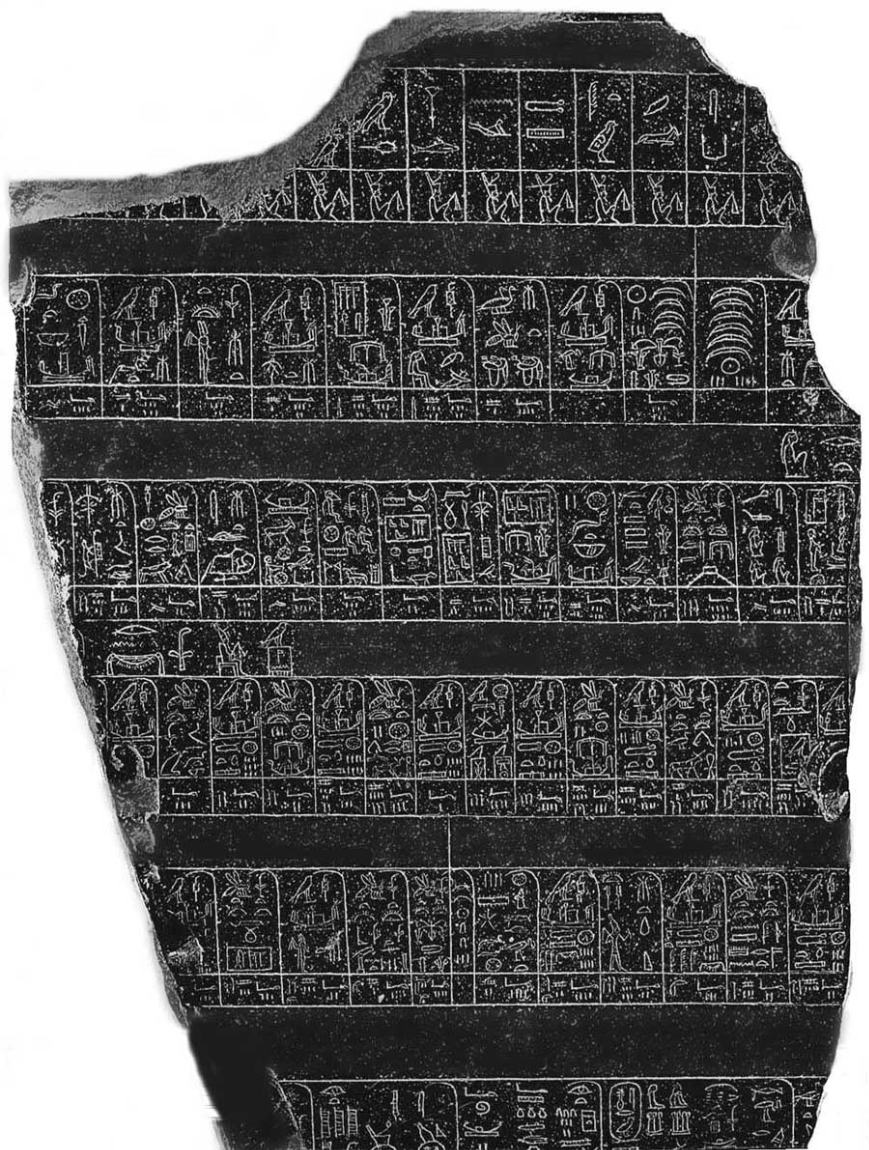
700
The names of these two ancient lands (East of Mediterranean sea) refer to the idea of "the lands of the rising sun."
Anatolia and Levant
700
Pharaohs renewed their divine powers and proved their physical ability to rule the country at this major festival.
Sed festival.