Clean Scene or Crime Scene
Lift Happens
Don’t Fall For It
Hot Work, Cold Consequences
SDS: Safety Data Shenanigans
100
Work areas, walkways, stairs, exits, and access points must be maintained in what condition?
A. Clean and orderly
B. Crowded and busy
C. Full of extra materials
D. Blocked when production is behind
A. Clean and orderly
100
When lifting, this should be kept close to the body.
A. The load
B. Your phone
C. Your lunch
D. The toolbox across the room
A. The load
100
ASC requires this percentage of continuous fall protection when employees are exposed to fall hazards where fall protection is required.
A. 25%
B. 50%
C. 75%
D. 100%
D. 100%
100
Before welding, cutting, grinding, or heating begins, unnecessary combustible and flammable materials should be what?
A. Moved or protected
B. Left in place
C. Covered with cardboard
D. Pushed closer to the work
A. Moved or protected
100
SDS stands for what?
A. Safety Data Sheet
B. Simple Daily Safety
C. Standard Duty Sheet
D. Safety Drill System
A. Safety Data Sheet
200
Tools, cords, hoses, materials, and equipment should be kept out of these areas.
A. Walkways, stairs, exits, and access routes
B. Toolboxes only
C. Breakrooms only
D. Parking spaces only
A. Walkways, stairs, exits, and access routes
200
Employees should avoid this motion while lifting because it increases back injury risk.
A. Looking forward
B. Twisting
C. Breathing
D. Bending the knees
B. Twisting
200
Employees must inspect fall protection equipment when?
A. Once a year
B. Before each use
C. Only after it looks damaged
D. Only after a fall
B. Before each use
200
During grinding, sparks should be directed away from employees, cylinders, hoses, flammable materials, and what else?
A. Combustible surfaces
B. The ceiling lights only
C. The breakroom
D. The time clock
A. Combustible surfaces
200
Employees should review the SDS before doing this.
A. Using a hazardous chemical
B. Clocking out
C. Parking their vehicle
D. Ordering lunch
A. Using a hazardous chemical
300
Containers must be kept closed, labeled, and what?
A. Hidden
B. Stored properly
C. Left open for convenience
D. Mixed together
B. Stored properly
300
Mechanical lifting devices and handling aids should be used whenever feasible to reduce what?
A. Manual lifting hazards
B. Break times
C. Safety meetings
D. Employee communication
A. Manual lifting hazards
300
Employees shall not tie off to unapproved anchor points, conduit, piping, handrails, or what else?
A. Non-rated structures
B. Approved anchor points
C. Rated beam clamps
D. Engineered systems
A. Non-rated structures
300
During hot work, employees should continuously monitor for smoldering materials, hidden sparks, slag accumulation, and this hazard through metal surfaces.
A. Heat transfer
B. Payroll delay
C. Paint color change only
D. Toolbox shortage
A. Heat transfer
300
A chemical container with no label should be what?
A. Used carefully
B. Reported immediately and not used
C. Smelled to identify it
D. Mixed with water
B. Reported immediately and not used
400
Employees must maintain clear access to exits, electrical panels, fire extinguishers, eyewash stations, and what else?
A. Emergency equipment
B. Vending machines
C. Office printers
D. Personal lockers only
A. Emergency equipment
400
Team lifting should be used for heavy, awkward, oversized, or controlled-positioning loads. According to the handbook, heavy loads are above this weight.
A. 25 lbs.
B. 35 lbs.
C. 50 lbs.
D. 100 lbs.
C. 50 lbs.
400
Fall protection equipment involved in a fall event must be immediately what?
A. Reused if it looks okay
B. Removed from service
C. Given to another department
D. Stored for later without inspection
B. Removed from service
400
What should employees assume about recently welded or heated materials until verified otherwise?
A. They are hot
B. They are safe to touch
C. They are lightweight
D. They are non-hazardous
A. They are hot
400
WHAT DOES THIS PICTOGRAM WARN ABOUT?
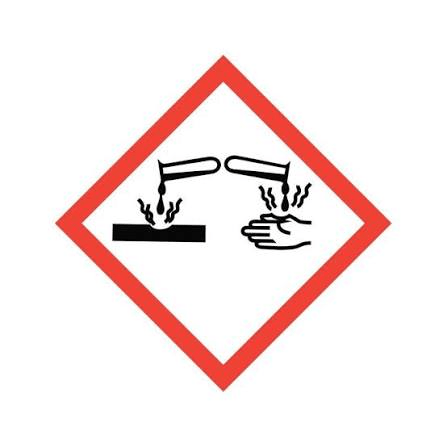
Corrosion Hazard
500
Poor housekeeping can contribute to slip and trip hazards, falling objects, blocked emergency access, and this major hazard.
A. Fire hazard
B. Payroll issue
C. Weather issue
D. Computer issue
A. Fire hazard
500
Before lifting, employees should evaluate the load size, weight, stability, travel path, footing, and what else?
A. The weather report only
B. Slip, trip, and line-of-fire hazards
C. The paint color
D. Who lifted it last time
B. Slip, trip, and line-of-fire hazards
500
Anchor points used for personal fall arrest systems must support at least this much per attached employee unless designed by a qualified person.
A. 500 pounds
B. 1,000 pounds
C. 2,500 pounds
D. 5,000 pounds
D. 5,000 pounds
500
What should happen to compressed gas cylinders when they are unattended, moved, transported, empty, or not actively in use?
A. Cylinder valves should be closed
B. Regulators should be used as handles
C. Tools should be hung from the valve
D. Cylinders should be laid down unsecured
A. Cylinder valves should be closed
500
****DAILY DOUBLE***
WHAT DOES THIS PICTOGRAM WARN ABOUT?
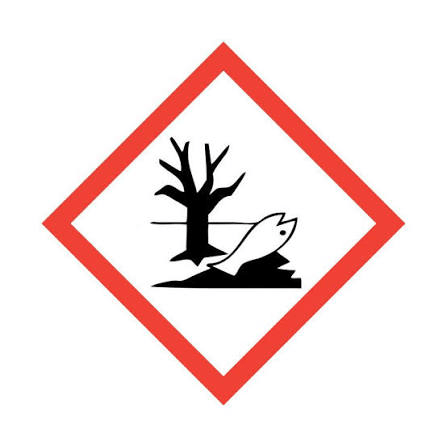
Environmental toxicity