Farm
Animals
Animals
Jersey, Highland, and Holstein are all breeds of this common farm animal.
What is a cow?
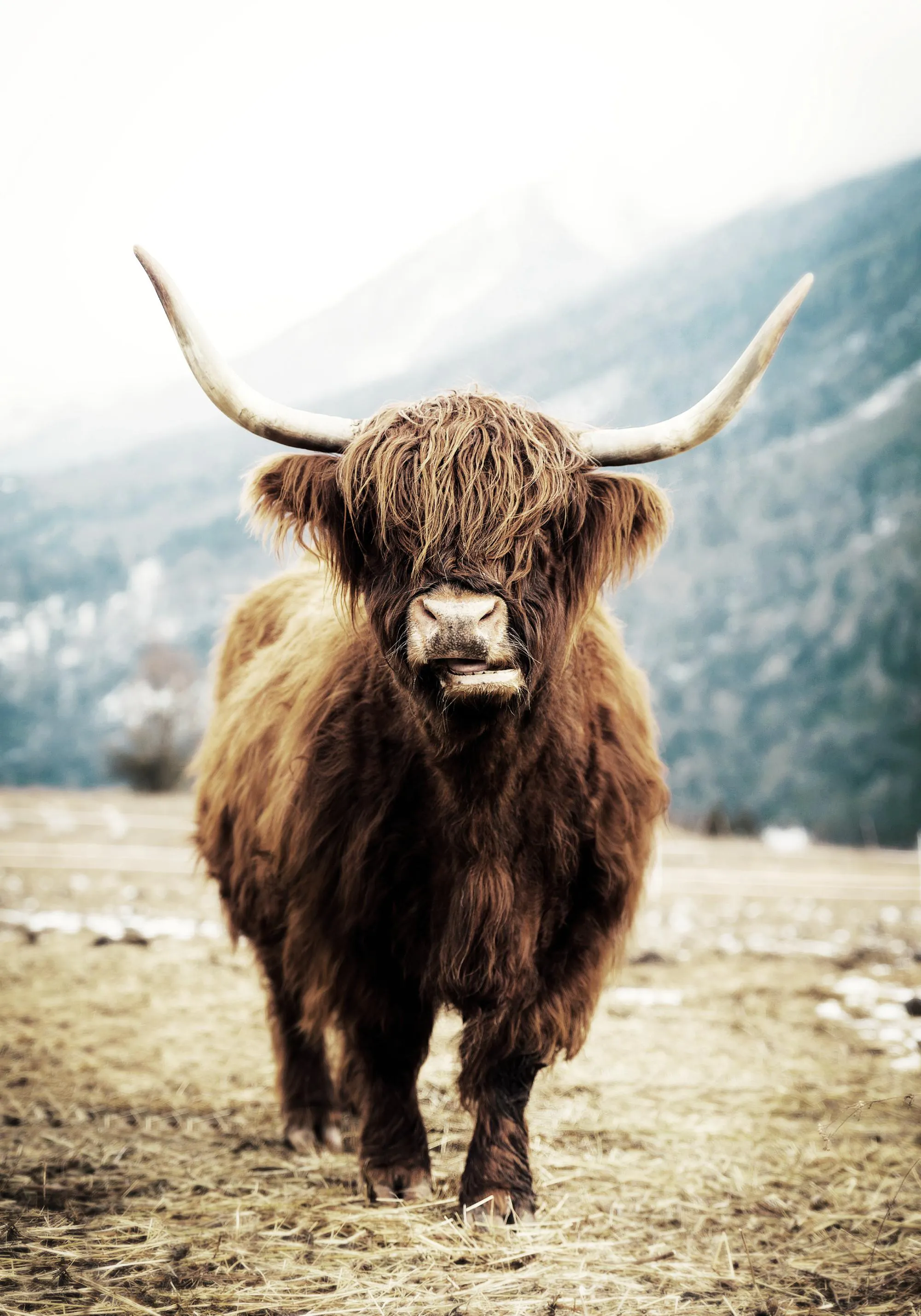
Holsteins are the world's most common dairy breed and are known for their black-and-white markings. Highland cattle, originally from Scotland, have long shaggy coats that help them thrive in cold climates, including parts of Canada.
Hard, calcium-rich, and coated with enamel, these are not counted among the 206 bones in the human body.
What are teeth?
Tooth enamel is the hardest substance in the human body. Unlike bones, enamel cannot regenerate once it has been damaged.
Latte is Italian for this word.
What is milk?
In Italy, ordering just a latte will typically bring you a glass of milk rather than an espresso-based drink.
In the 1970s, Canada began switching to this system of measurement.
What is the metric system?
Canada officially started the metric conversion in 1970 with the creation of the Metric Commission.
Staying green year-round, the white spruce is Canada’s most common type of this kind of tree.
What is an evergreen?
White spruce is a key species in Canada’s boreal forest, stretching from coast to coast. Its wood is widely used for construction and paper production.
This is the name for a baby goat.
What is a kid?
Baby goats can stand and walk within minutes of being born. Goats are also excellent climbers and can balance on narrow ledges thanks to their specialized hooves.
Stretching from the hip to the knee, this is the largest and strongest bone in the human body.
What is the femur?
The femur is also the longest bone in the body and can support several times a person's body weight during activities like walking and running.
A caffè latte is made with one or two shots of this strong, dark coffee mixed with steamed milk.
What is espresso?
Espresso is brewed by forcing hot water through finely ground coffee under high pressure.
When measuring a person's height in the metric system, this unit is most commonly used.
What are centimetres (or metres)?
Canada officially uses centimetres to record height, although many Canadians still describe their height in feet and inches in everyday conversation.
Conifers produce these structures, which open to release seeds, often in autumn.
What are cones?
Conifer cones can stay closed for years and only open when conditions are right. This helps ensure seeds are released when they have the best chance of growing.
Female sheep are called ewes; male sheep are called this.
What is a ram?
Some breeds of rams have large, curved horns that continue growing throughout their lives. A young sheep is called a lamb.
Together, the sacrum, coccyx, and two hip bones make up this part of the skeleton.
What is the pelvis?
The pelvis supports the weight of the upper body when you stand or sit and helps protect organs such as the bladder and parts of the digestive system.
You can use this spiced Indian tea to make a different type of latte.
What is chai?
In India, chai simply means "tea," while the spiced version is traditionally called masala chai.
Of these two metric prefixes, milli- and hecto-, this one represents the smaller amount.
What is milli?
The prefix milli- means one-thousandth (1/1,000), while hecto- means one hundred (100). A millimetre is one-thousandth of a metre, and there are 1,000 millimetres in one metre.
As leaves change colour in autumn, they break down and stop producing this green pigment.
What is chlorophyll?
Chlorophyll is essential for photosynthesis, the process plants use to make food from sunlight. When it breaks down in autumn, other pigments become visible, creating the reds, oranges, and yellows of fall.
Since they don't have sweat glands, these farm animals often roll in mud to stay cool.
What are pigs?
Mud acts like natural sunscreen for pigs, helping protect their skin from sunburn as well as keeping them cool.
These bones are grouped into the cervical, thoracic, and lumbar regions of the spine.
What are vertebrae?
Humans are born with 33 individual vertebrae. By adulthood, some fuse together resulting in 24 separate, movable vertebrae.
If you want less zip from your latte, drink this type of coffee produced by the Swiss Water Process.
What is decaffeinated (decaf) coffee?
The Swiss Water Process was developed to remove caffeine while preserving much of the coffee's original flavour.
If someone asks you to measure 4 cups using the metric system, you would most likely use this unit.
What are litres?
In Canada, a metric cup is 250 millilitres, so 4 metric cups equal exactly 1 litre
When its leaves produce anthocyanins, a tree is most likely showing this vibrant fall colour.
What is red?
Anthocyanins are the same pigments found in foods like blueberries, grapes, and red cabbage.
Scientists often point to this familiar farm bird as one of the closest living relatives to the T-Rex.
What is a chicken?
Researchers have even found similarities between proteins preserved in T. rex fossils and those of chickens.
The largest sesamoid bone, the patella, is more commonly known by this everyday name.
What is the kneecap?
The patella protects the knee joint. It is embedded within a tendon, which is why it is classified as a sesamoid bone.
Add a bit of spice to your latte with a sprinkle of this warm spice made from the inner bark of certain trees.
What is cinnamon?
Cinnamon has been prized for thousands of years and was once considered more valuable than gold in some parts of the world.
A decimal system, the metric system is based on powers of this number.
What is 10?
The metric system was designed during the French Revolution to standardize measurements using powers of ten, making conversions much simpler than older systems like imperial units.
From the Latin meaning “to fall down or off,” this adjective describes trees that lose their leaves each autumn.
What is deciduous?
Deciduous trees shed their leaves to conserve water and energy during cold or dry seasons.