Assessment Pearls
Hey, can you look at this?!
Name that finding
100
Name what is being assessed.
What is skin turgor?
100
A client goes to the clinic complaining of low energy and poor concentration. Upon assessment you see the following picture. How would you document this?
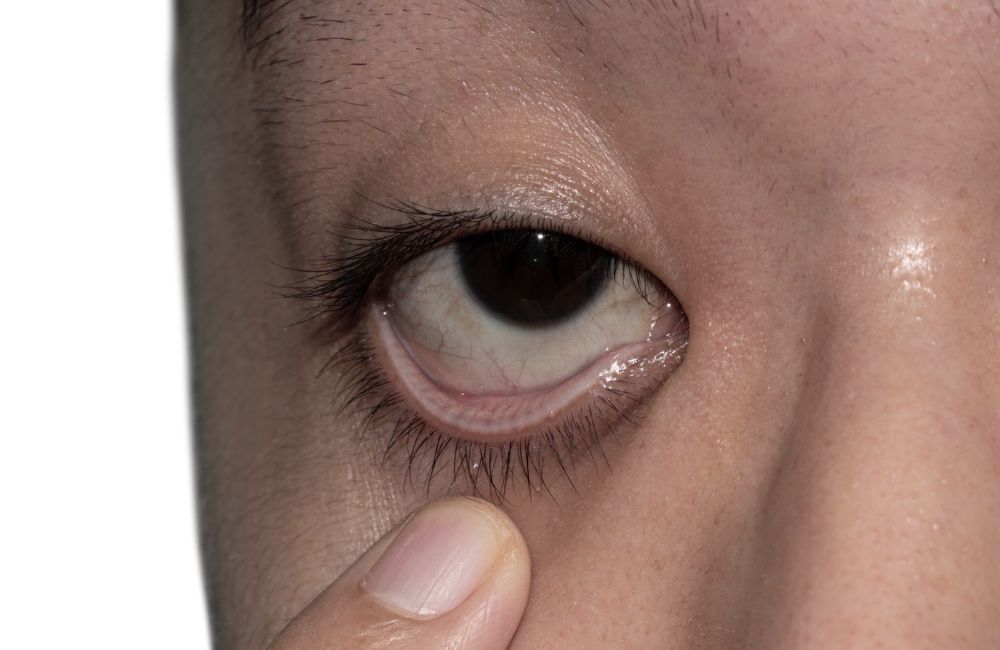
What is pallor?
100

What is ecchymoses?
200
You are performing a skin assessment on a newly admitted client. You find the following lesion that is pictured below. What is your interpretation of this finding?
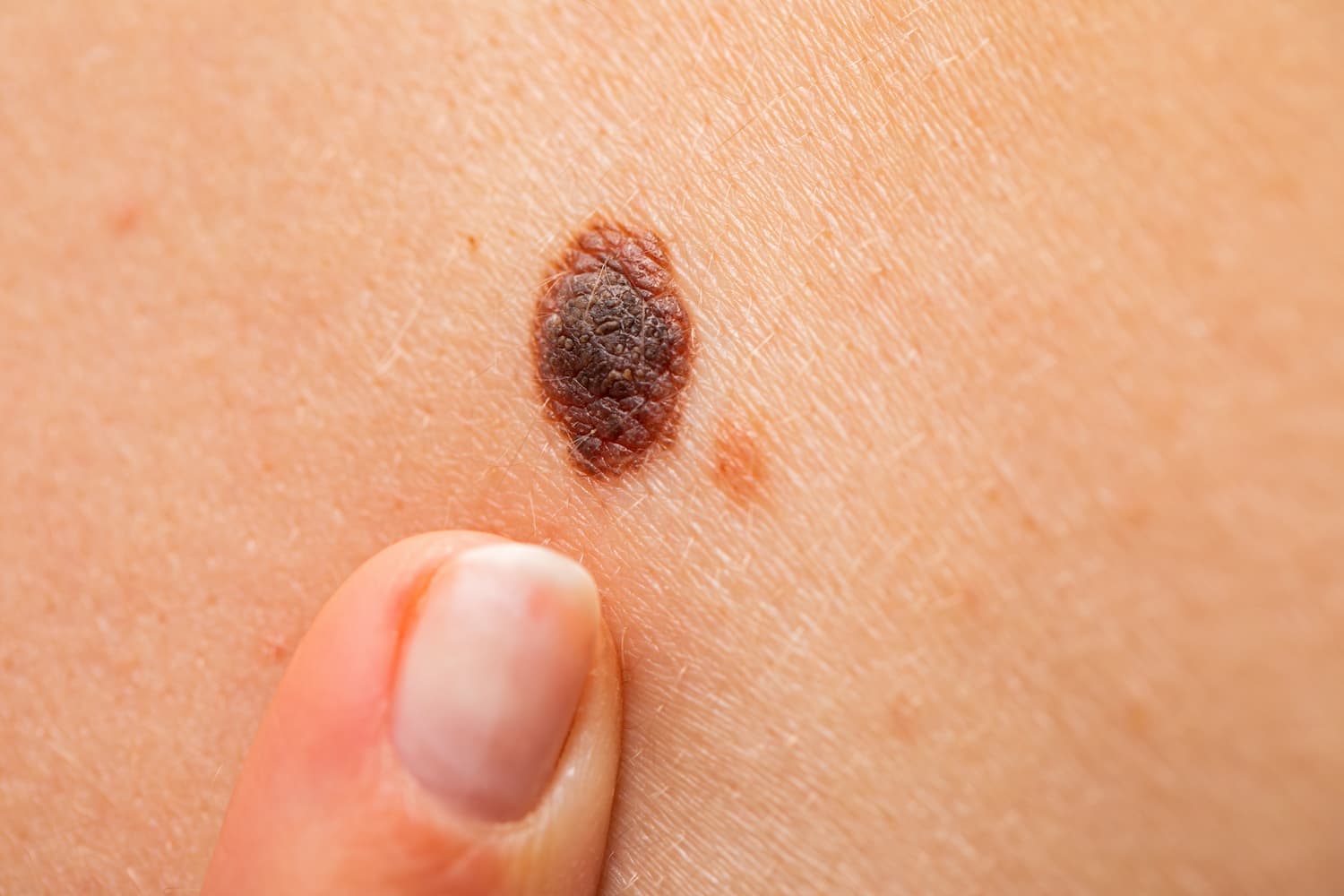
This is a pigmented nevus, also known a mole.
200
Client is complaining of RUQ pain. You assess the client and notice their skin color is abnormal. How would you assess this?
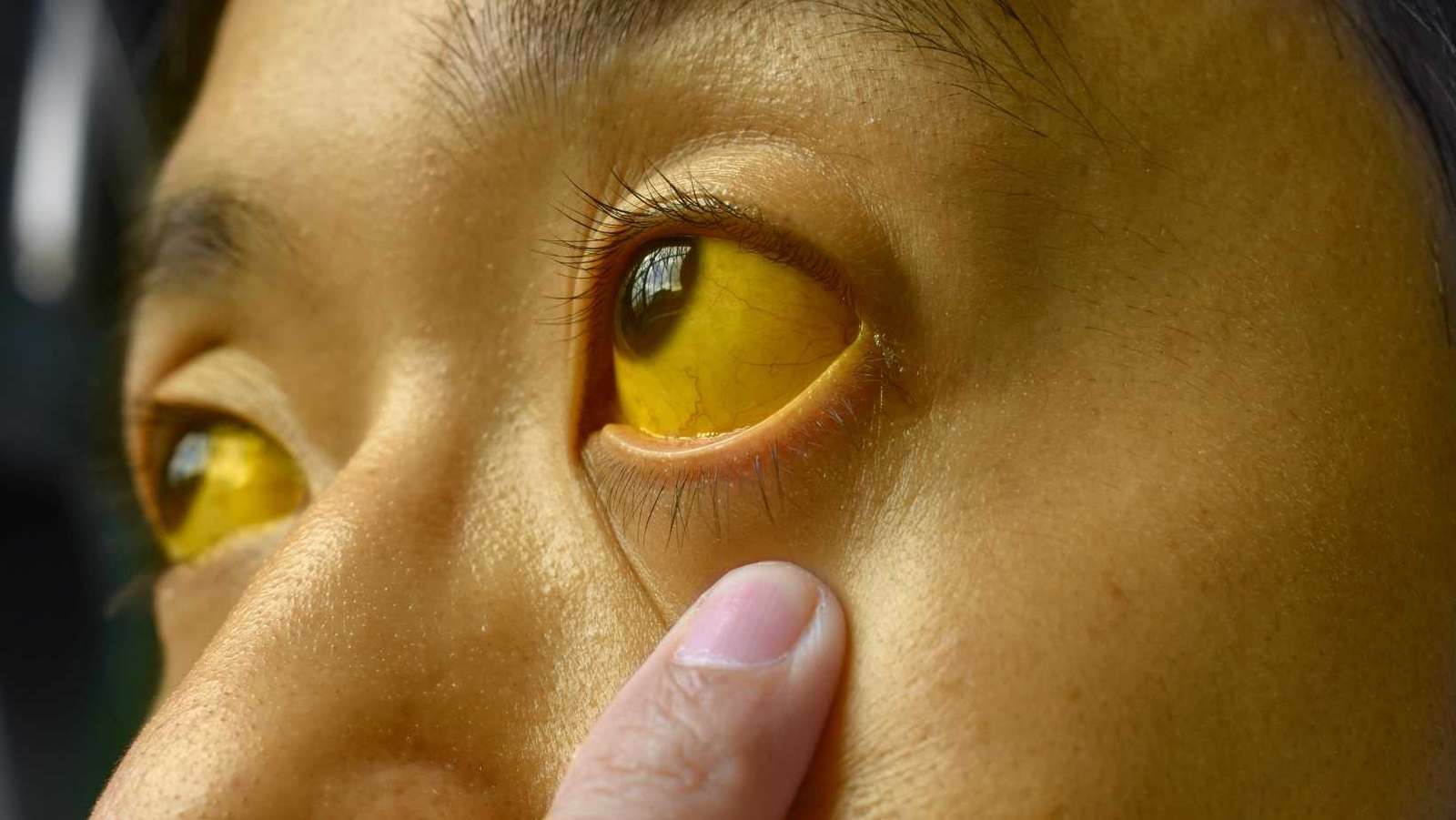
What is jaundice?
200

What is a stage 3 pressure injury?
300
You are assessing the skin of a client and notice there is an abnormally colored mole-like lesion on the skin. Using your ABCDE assessment skills, what other findings could indicate possible skin cancer?
Asymmetry, abnormal borders, color is inappropriate for ethnicity, diameter > 6 mm, and evolving changes of the "mole." E could also be elevation.
300
A client is seen in the clinic, and upon assessment, you notice their hands appear just as seen in the following picture. How would you document the color?
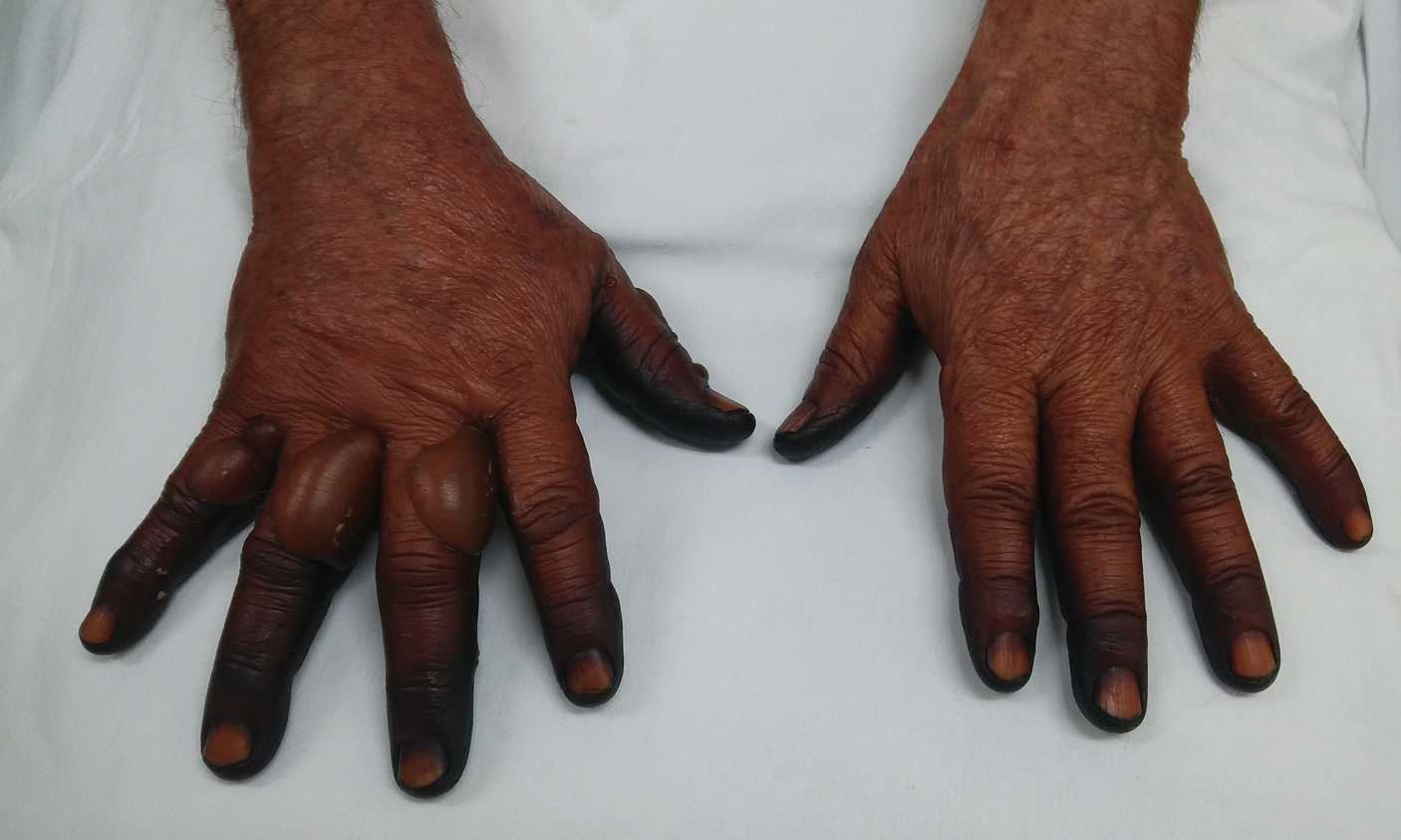
What is cyanosis?
300
A young client comes to the clinic for a dermatology assessment. What nursing education can you provide this client for health promotion?
What is check skin every month for changes, use SPF of 15 or more, assess your entire body even the scalp, feet, and in between fingers and toes? Wear hats in the sun, no use of tanning beds.
400
You are teaching student nurses about the aging process in relation to the integumentary system. What are the expected findings of an elderly adult with an integumentary assessment?
What is loss of melanocytes causing white or grey hair, loss of subcutaneous fat, loss of collagen and elasticity?
400
A client with low platelets is being admitted to your unit. Upon a head-to-toe skin assessment, you notice this on their back and chest. How would you document this?
What is purpura?
You can see in the picture, the micro bleeds are starting to touch one another. This is what makes this finding purpura.
400
While assessing a client's nails, you notice the profile is raised and the angle of the nail bed is less than 160 degrees. What is your interpretation of this assessment finding?
What is clubbing?
500
You are teaching a new graduate nurse the technical terms and assessment findings of a client who was diagnosed with chicken pox. What is the appropriate term for this type of skin lesion?
Vesicle.
A vesicle is a small fluid-filled blister that is 1 cm in diameter. Other examples are herpes, shingles, and contact dermatitis.
When vesicles are bigger than 1 cm, they are categorized as a bulla. Think of a bulla as a blister you get from wearing high heels all night.
500
A nursing student performs an assessment and informs the nurse the client is cyanotic. After treating the client, the student asks, "What causes clients to be cyanotic?"
What is decreased oxygen in the blood? This can be caused by acute or chronic cardiopulmonary diseases.
500
Your uncle hears you are in nursing school and decides to ask you health questions. He pulls up his pant legs and say, "Would you mind taking a look at this?" You see his feet are mildly swollen and puffy. You palpate the ankles at the same time. What are you assessing for
What is edema?