Vocabulary 1
Vocabulary 2
Atomic Structure
Periodic Table
GRAB BAG
100
The smallest unit of any chemical element
What is the atom?
100
The table that organizes all known elements.
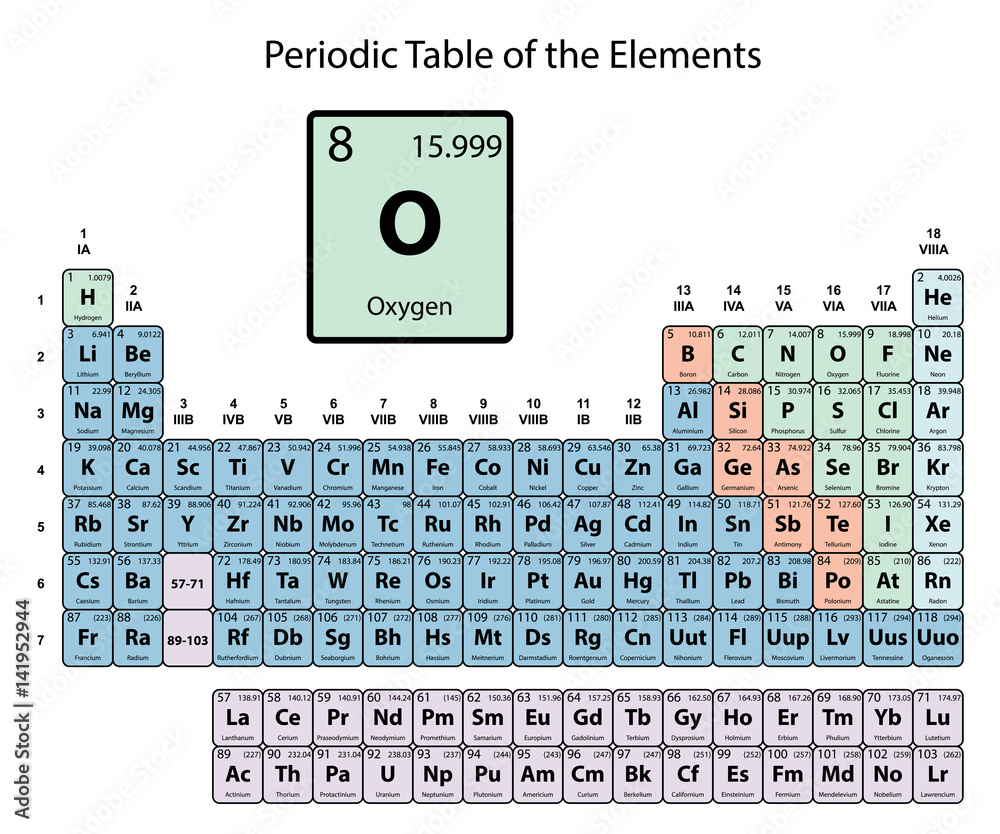
What is the periodic table.
100
The smallest subunit of an atom - has an electric charge
What is an electron?
100
The following element's atomic number.

What is 8?
100
The element that has 6 protons, 6 neutrons, and 6 electrons.
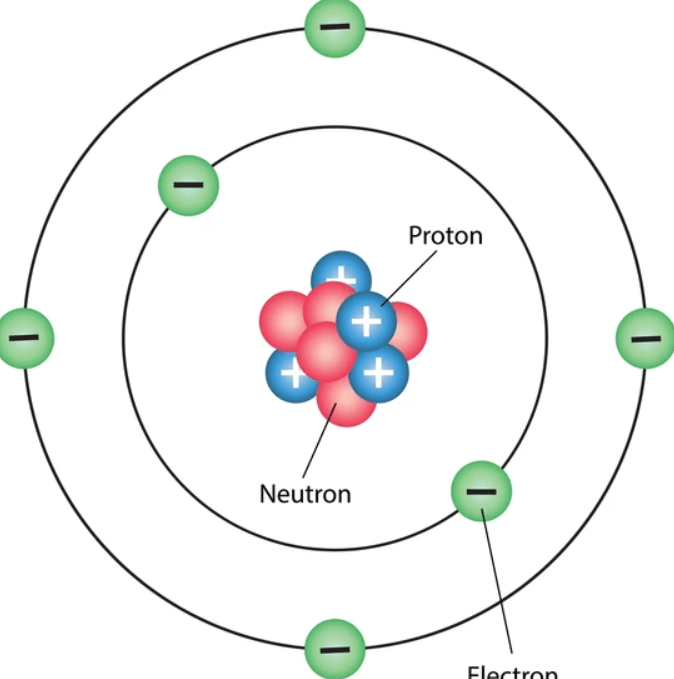
What is Carbon?
200
Group of elements that are poor conductors, lack luster, and are typically brittle solids or gasses at room temperature.
What are non-metals?
200
The property of some non-metals tat describes its fragile composition at room temperature and likeliness to fall apart.
What is brittle?
200
One of the two larger subunits of an atom. It has a positive charge.
What is a proton?
200
The following element's atomic symbol.
What is "N"?
200
The property of metals that allow them to transfer electricity easily.
What is conductivity?
300
The group of elements that show traits of both metals and non-metals.
What are metaloids?
300
The number that designates the how many protons are found in an element. Also identifies the element itself.
What is the atomic number?
300
One of the two larger subunits of an atom. It has a neutral charge.
What is a neutron?
300
The following element's atomic mass.
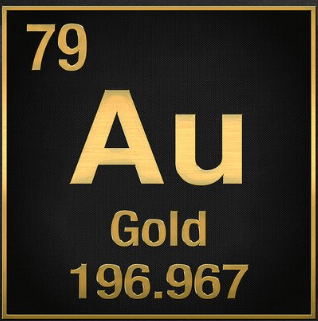
What is 196.967?
300
If I were to add more of this atomic subunit, the atom would gain mass but not change in charge.
What is a neutron?
400
Trait describing a metal's ability to be hammered or pressed permanently out of shape without breaking or cracking.
What is malleable?
400
Indicates weather an atom is positive or negative.
What is the charge?
400
The electrons found in the outermost shell of an atom.
What are valence electrons?
400
The following element's name?

What is Cobalt?
400
The group of elements found in the rightmost column of the period table. Non-reactive.
What are the nobel gasses?
500
Distinguished by its atomic number, this is a pure substance made of only one type of atom. It cannot be broken down into simpler substances by chemical means.
What is an element?
500
Trait describing a metal's ability to be drawn out into a thin wire.
What is ductile?
500
The average mass of an atom after the mass of neutrons, protons, and electrons are added up.
What is the atomic mass?
500
The following element's average number of neutrons.
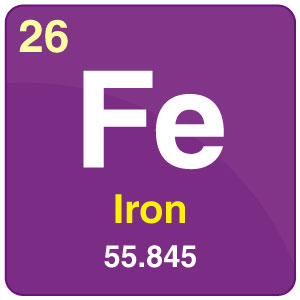
What is ~30?
(55.8 - 26 = 29.8, then round that to 30)
500
Calculated by subtracting the atomic number from the atomic mass.
What is the average number of neutrons?