Lab & Safety
Chemistry
Physics
Biology
Science in the Real World
100
What piece of equipment protects your eyes during an experiment?
Safety goggles
100
What is the chemical symbol for oxygen?
O
100
What is the SI unit of force?
newton (N)
100
What is the basic structural unit of living organisms?
Cell
100
Water freezes at approximately what temperature at standard atmospheric pressure?
0 °C
200
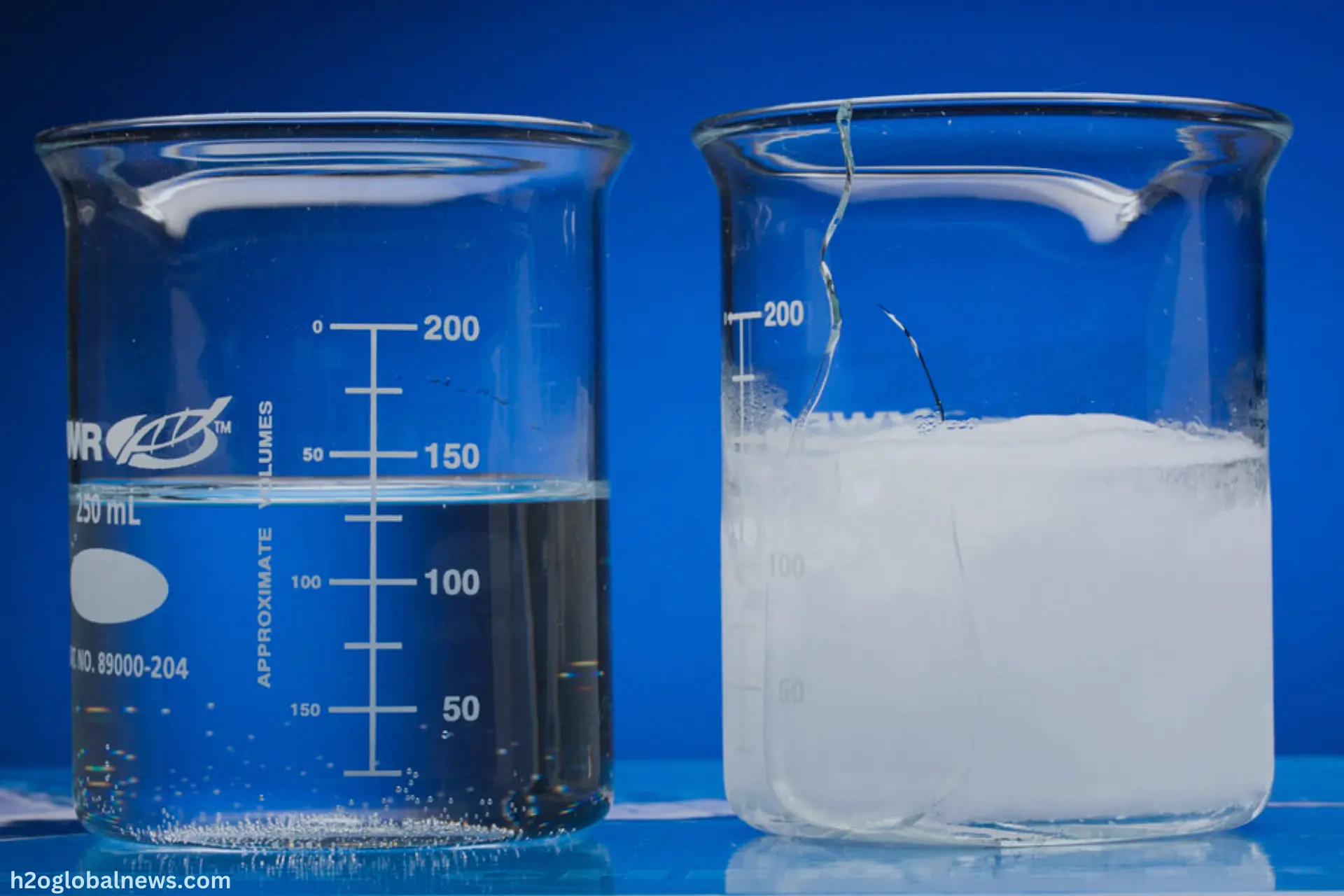
What piece of laboratory equipment would you use to measure 25 mL of water reasonably accurately?
Measuring cylinder
200
What is the smallest particle of an element that retains the properties of that element?
Atom

200
What force pulls objects towards Earth?
Gravity

200
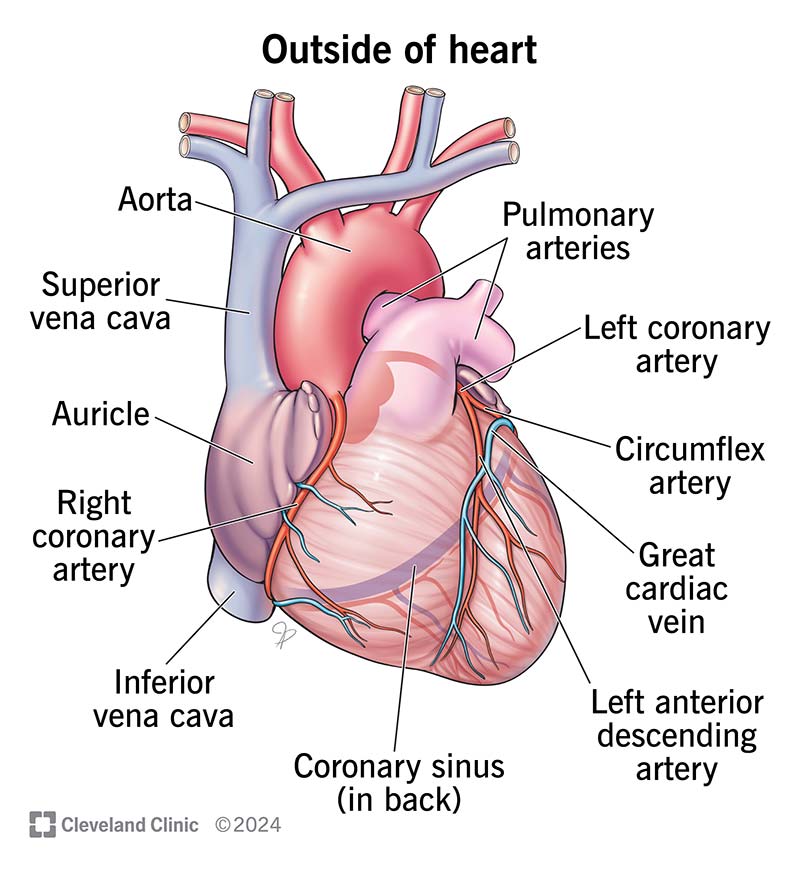
Which organ pumps blood around the human body?
Heart
200
Which gas makes up the largest percentage of Earth's atmosphere?
Nitrogen
300
You spill an unknown chemical on the laboratory bench. What should you do first?
Tell the teacher immediately
300
Is air an element, compound or mixture?
Mixture

300
A runner travels 100 m in 20 s. What is the runner's average speed?
5 m/s
300
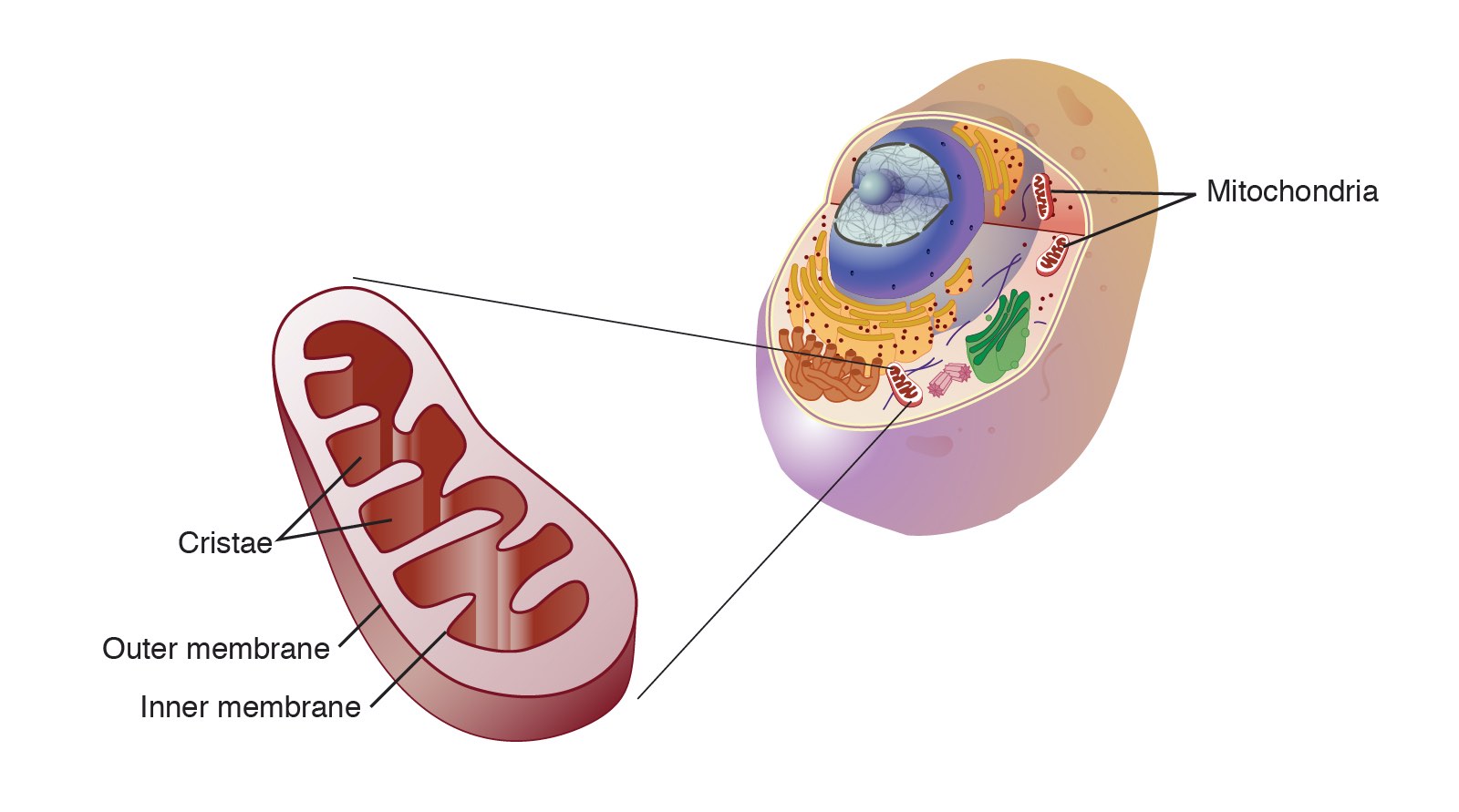
Which organelle is the main site of aerobic respiration?
Mitochondrion / mitochondria
300
Why does an astronaut have a smaller weight on the Moon but approximately the same mass?
The Moon's gravitational field is weaker, while mass is the amount of matter and does not depend on location.
400
What is wrong with heating a test tube while pointing its opening towards another person?
Hot liquid/gas may be expelled from the tube and cause injury

400
Balance this equation:
__ H₂ + __ O₂ → __ H₂O
2H₂ + O₂ → 2H₂O
400
What happens to the resistance of a typical metallic wire when its temperature increases?
Resistance increases

400
Name the process by which plants use light energy to produce glucose.
Photosynthesis

400
Why does spreading salt on an icy road help melt the ice?
Salt lowers the freezing point of water.
500
A student wants to investigate how temperature affects reaction rate. Name the independent variable, dependent variable, and one control variable.
IV: temperature; DV: reaction rate/time; CV: e.g. concentration, volume or amount of reactants
500
An atom contains 17 protons, 18 neutrons and 17 electrons. What is its atomic number and mass number?
Atomic number = 17; mass number = 35
500
A 2 kg object accelerates at 3 m/s². What resultant force acts on it?
6 N
500
Why do red blood cells have no nucleus when mature?
It provides more space for haemoglobin, increasing their capacity to transport oxygen.
500
A sealed fizzy-drink bottle is opened and bubbles suddenly form. Why?
The pressure decreases, so dissolved carbon dioxide becomes less soluble and escapes from the liquid as gas.