Year 7
Year 8
Year 9
Year 10
Random
100
What term describes a living thing that gets its energy by eating other organisms?
A consumer
100
What is a cell?
The basic unit of a living thing
100
What do we call animals that eat only plants?
Herbivores.
100
What do we call a characteristic passed from parents to offspring?
A trait.
100
Which part of your body contains more bacteria than there are people on Earth?
Your gut (intestines)
200
What is the name for a group of organisms that share similar characteristics?
A Species
200
What do we call organisms made of one cell?
Unicellular organisms.
200
What do we call animals that eat other animals?
Carnivores
200
What do we call the instructions for traits found in cells?
Genes.
200
True or False: Some species of jellyfish are biologically immortal and can technically live forever.
True (e.g., Turritopsis dohrnii).
300
What is a food chain used to show?
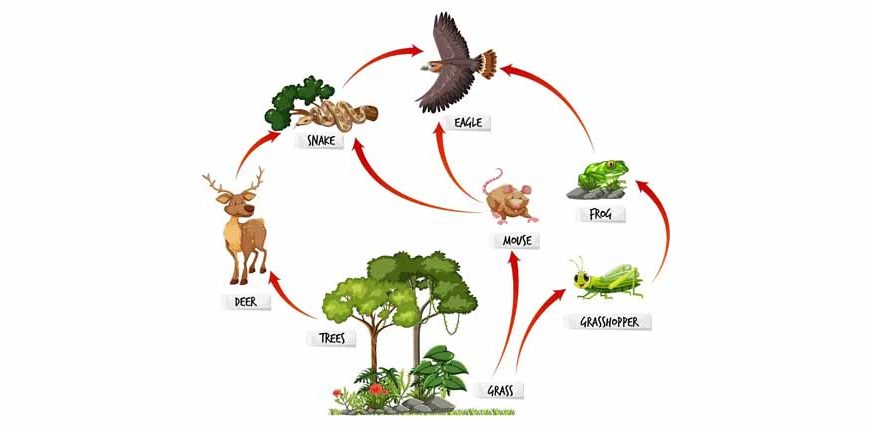
How energy is passed from one organism to another.
300
What do we call a group of similar cells working together?
A tissue
300
What do we call animals that eat both plants and animals?
Omnivores
300
What do we call different forms of the same gene?
Alleles.
300
What is the only type of cell in the human body that doesn’t contain a nucleus?
Red blood cells.
400
What role do producers play in a food chain?
They make their own food and provide energy for other organisms.
400
What is the labelled part of the digestive system?

Esophagus
400
What do we call a feature that helps an organism survive?
An adaptation.
400
Identify the error in the karyotype displayed.
Bonus: 300 points to name the disorder
Extra Chromosome at 21
Bonus: Trisomy 21 (Down Syndrome)
400
Which animal can survive being frozen solid and then thawed back to life?
Wood frog.
500
What is one reason why living things are grouped into classifications?
To make them easier to identify and study.
500
Why are heart valves important for blood flow?
They prevent blood from flowing backward, ensuring it moves in the correct direction through the heart.
500
What do we call organisms that break down dead plants and animals?
Decomposers
500
What do we call the process where organisms with helpful traits survive and reproduce?
Natural selection.
500
What organ in your body contains the largest number of different types of neurons, even more than your brain?
The retina (in the eye).