Water Cycle
Weather
Precipitation
Environments
Climate Zones
100
The part of the water cycle where liquid water changes to a gas.
What is evaporation?
100
This tool is used to measure this.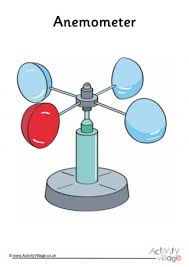
What is wind speed?
100
This type of precipitation is most likely to happen when the air and clouds are above freezing.
What is rain?
100
The type of environment with very little water.
What is a desert?
100
A place where you can find snow in a tropical zone.
What is on top of a mountain?
200
The part of the water cycle where water vapor changes to liquid water?
What is condensation?
200
As you climb a mountain, the weather will become ____________.
What is colder?
200
Name the solid form of precipitation that sometimes occurs during thunderstorms.
What is hail?
200
The type of environmental factor that changes as you climb a mountain.
What is temperature?
200
The climate zone farthest from the equator.
What is the polar zone?
300
The source of energy for the water cycle.
What is the sun?
300
A barometer is used to measure this.
What is air pressure?
300
Name the type of precipitation that occurs when the temperature is below freezing and the wind is calm.
What is snow?
300
The reason why swamps have a higher humidity than deserts.
What is swamps have more water?
300
The climate zone with all four seasons.
What is temperate?
400
The part of the water cycle where precipitation collected in lakes, rivers, and streams, moves back towards the oceans.
What is runoff?
400
This tool is used to measure temperature.
What is a thermometer?
400
Name the four main types of precipitation.
What is snow, sleet, rain, and hail?
400
The difference between weather and climate.
What is weather is short-term and climate is long-term weather in a particular area.
400
The climate zone closest to the equator?
What is the tropical zone?
500
Where most water on Earth is stored.
What is the oceans?
500
This tool measures wind direction.
What is a wind or weather vane?
500
Explain how hail is formed in clouds.
Liquid water freezes into a solid. The air pushes the ice back up into the cloud where another layer forms around it. It keeps getting bounced back into the cloud until it becomes too heavy and then drops to the earth.
500
True or False- All deserts are hot. Explain your answer.
No. Deserts can be cold. Antarctica is a desert. Deserts can occur on the tops of mountains and be cold.
500
The reason why two cities on the same latitude can have different temperatures?
What is proximity to water or elevation?