Nature of Matter
Properties of Water
Biomolecules
Enzymes/Reactions
Diagrams
100
Determine the number of neutrons of this following element: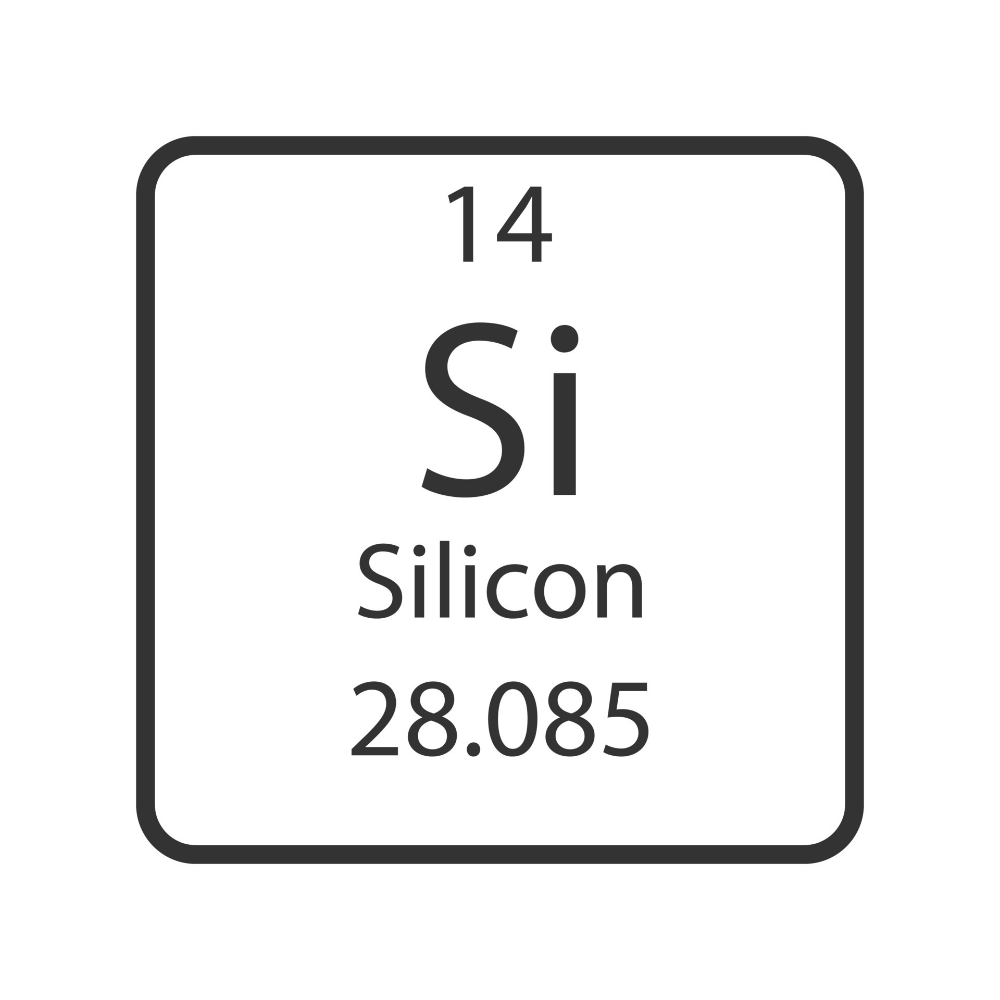
14 neutrons
100
A given liquid taste sour, has a pungent smell, and has a pH of 3. What type of solution is this?
This is an acidic solution.
100
The monomer for carbohydrate.
What is monosaccharides?
100
How does an enzyme speed up a chemical reaction?
It lowers the activation energy!
100
A and B are both...

monosaccharides
200
If a proton has a positive charge, how does an atom maintain its neutral charge?
The atom has electrons to help balance the charges.
200
If a solution is considered basic, it has a high concentration of what type of chemical?
Hydroxide Ions (OH-)
200
The polymer for lipid.
What is phospholipids?
200
A given reaction is shown below:
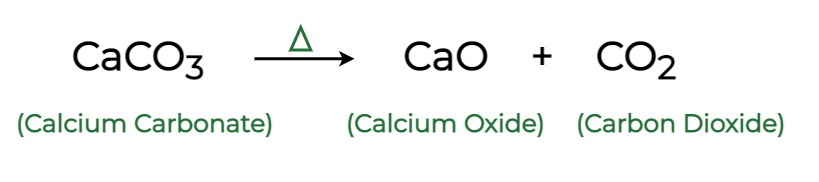
Determine the reactants and products of this reaction.
Reactants: CaCO3
Products: CaO and CO2
200
What is this name of this polymer and to what group of biomolecules does it belong?

triglyceride, lipids
300
Which electrons participate in atomic bonding?
Valence Electrons
300
Explain why this molecule is considered polar?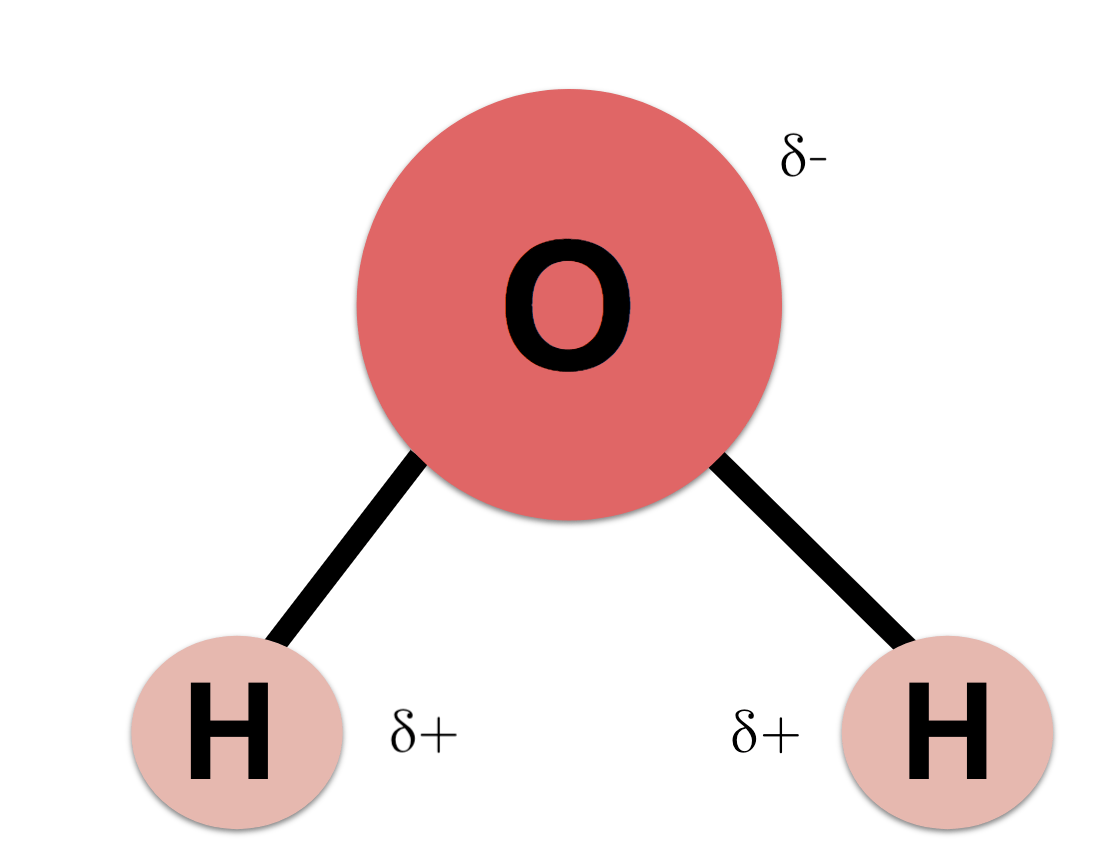
You have an oxygen molecule that is considered "more negatively charged" and there are two hydrogens that are considered "more positively charged"
300
The polymer for proteins.
What is polypeptides?
300
What type are the monomers and polymers of an enzyme?
Monomer: Amino Acid
Polymer: Polypeptides
300
What is this monomer called and what group of biomolecules does it belong?

nucleotide, nucleic acids
400
Determine the number of protons, electrons, and neutrons of the given element below:
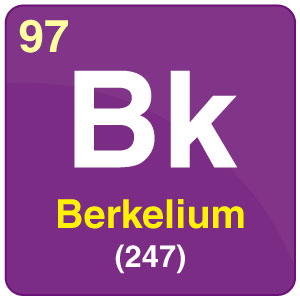 The purpose of carbohydrate biomolecules.
97 protons, 97 electrons, and 150 neutrons
400
You have an unknown solution. How can you determine if the solution is acidic or basic? Think of at least two options to determine this:
Some options are:
1. Using a litmus paper (Red or Blue)
2. Using a pH paper and looking at the color for a pH range
3. Utilizing an indicator
400
What type of reactions are needed to create and break bonds between carbohydrates?
Dehydration (Combine) and Hydrolysis (Break) Reactions
400
What model does this demonstrate regarding the enzyme substrate complex?
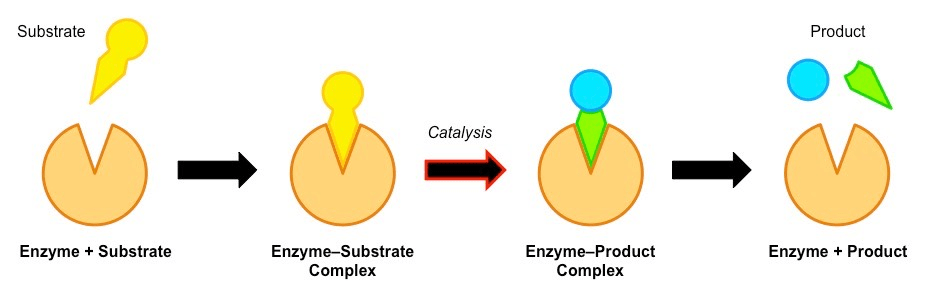
Lock and Key Model
400
What type of monomer is this?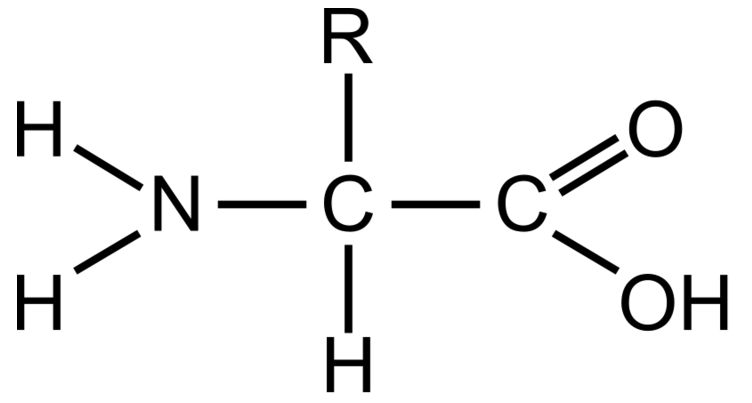
Amino Acid
500
Differentiate between covalent and ionic bonds
Covalent Bonds: Two or more nonmetals that are combines with each other through the sharing of electrons "Sharing is Caring"
Ionic Bonds: A bonding between a metal and nonmetal where electrons are being donated from a metal to a nonmetal
500
Water has many properties. Please provide at least three properties and give an example for each property?
Some of the properties are:
1. Cohesion: Allows water molecules to stick together and form bubbles
2. Adhesion: Allows water molecules to stick to other surfaces
3. Surface Tension: Water molecules can resist forces applied to their surface (due to Cohesion)
4. Capillary Action: Allows for water to travel upwards and resisting the force of gravity (due adhesion and cohesion)
500
Determine the types of elements that are present in each of the following macromolecules:
1. Lipids
2. Carbohydrates
3. Nucleic Acids
4. Proteins
1. Lipids: Carbon, Hydrogen, Oxygen (CHO)
2. Carbohydrates: Carbon, Hydrogen, Oxygen (CHO)
3. Nucleic Acids: Carbon, Hydrogen, Oxygen, Nitrogen, Phosphorus (CHONP)
4. Proteins: Carbon, Hydrogen, Oxygen, Nitrogen
500
Draw a reaction diagram for both an endothermic and exothermic reaction:
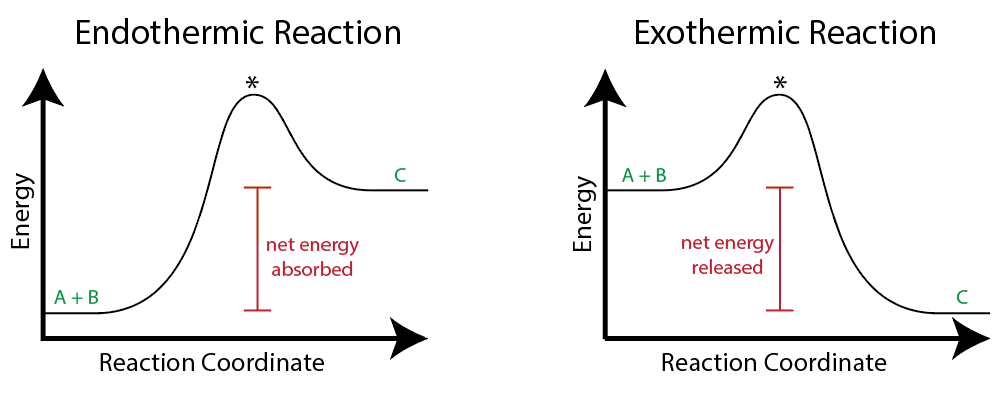
500
You are given two monomers that combined together to form a polymer. What bond is needed for this to happen?
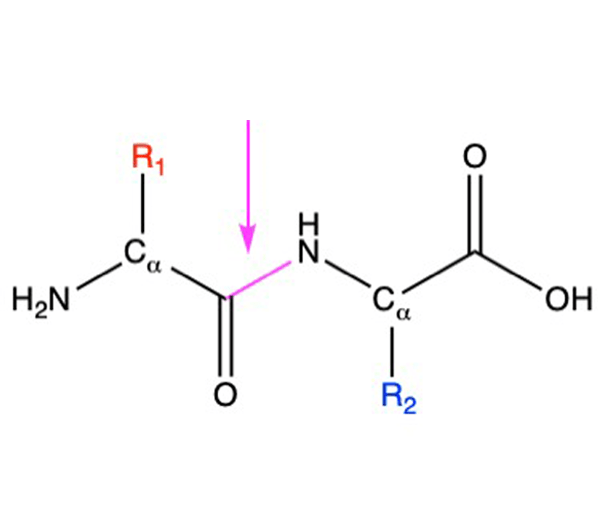
A peptide bond