Biochemical Compounds
Biological Processes
Biological Theories
Genetics & Genomics
Defining Biological Terms
100
Biological compounds comprise what smaller molecules make what bigger ones?
Monomers ---> Polymers
100
What is the difference between meiosis and mitosis?
Mitosis: somatic cells, results in two identical daughter cells.
Meiosis: gametes, results in four sex cells
100
What are the three domains of life?
Eukarya, Prokarya, Archaea
100
What is the difference between genotype and phenotype?
Phenotype: an organism’s observable traits
Genotype: an organism's genetic makeup.
100
What is the difference between dominant and recessive alleles?
Dominant traits appear when the dominant alleles are present. Recessive traits appear only when dominant traits are not present.
200
Name all the classes of all biochemical compounds
Carbohydrates, Lipids, Proteins, & Nucleic Acids
200
What is UAA, UAG, and UGA?
A stop codon
200
Explain why photosynthesis needs light and how it processes it.
It's a light-dependent reaction the process by which the pigments within the plants transform light energy into chemical energy.
200
What is the structure of DNA, what is it made of, and describe it.
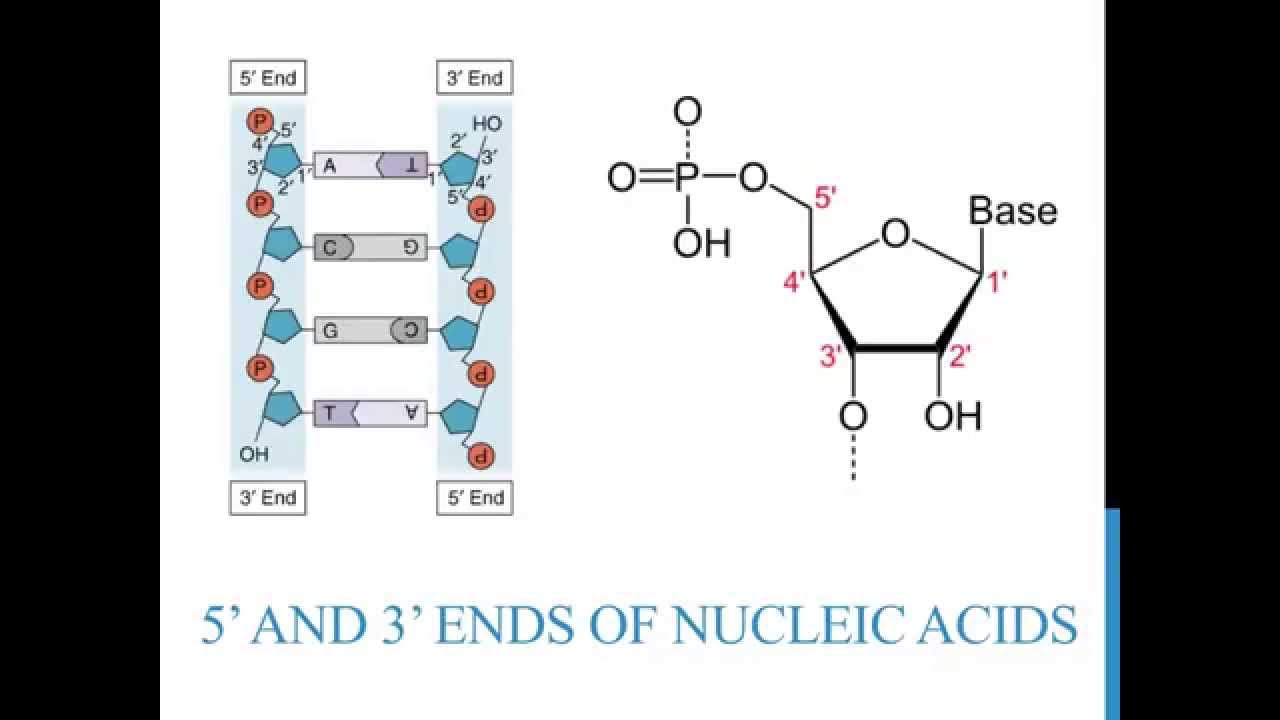
200
What is hydrolysis?
Hydrolysis is a chemical reaction in which a chemical compound is broken down by reaction with water
300
What is hydrogen bonding?
Opposite electrical charges attract one another. Therefore, the positive part of a water molecule is attracted to the negative parts of other water molecules. (O is - and H is +).
300
What is chemiosmosis and where does it occur?
Chemiosmosis is the movement of ions across a selectively permeable membrane, down their electrochemical gradient. Occurs in the chloroplasts during photosynthesis, and in the mitochondria during respiration.
300
What is the difference between the blending hypothesis and the particulate hypothesis?
The blending hypothesis: the idea that genetic material from the two parents blend together (the way blue and yellow paint blend to make green)
The particulate hypothesis: the idea that parents pass on discrete heritable units (factors vs. genes)
300
What is true breeding?
True breeding is a genetic term that describes organisms that are homozygous for genes, meaning they have identical alleles for a trait.
300
What is the difference between endergonic and exergonic reactions?
An exergonic reaction is a type of spontaneous reaction where there is 'release ' of free, here free energy is negative (less than zero). On the contrary, endergonic reactions are the reactions where energy enters the system, the free energy here is positive (greater than 0).
400
Describe this process of what class of make what particular biomedical compound: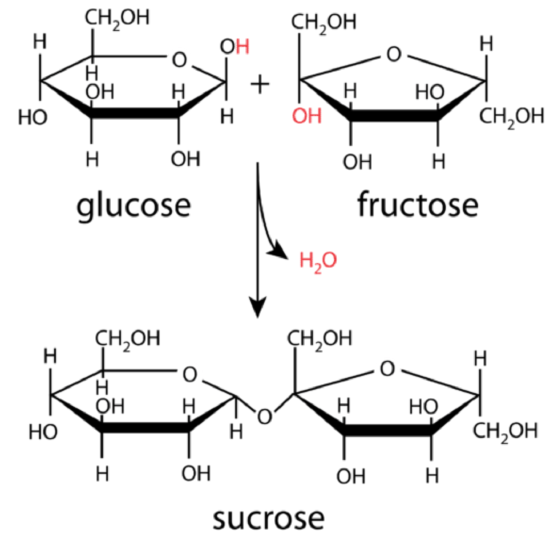
The two sugars can be linked together by a condensation reaction. Glucose and fructose combine to make a disaccharide of sucrose to create a carbohydrate.
400
What is DNA synthesis, and what is its process?

400
What is Mendel's Law of Segregation?
Only one of the two gene copies present in an organism is distributed to each gamete (egg or sperm cell) that it makes, and the allocation of the gene copies is random.
400
What is multifactorial and epistasis?
Multifactorial: a trait or condition is influenced by multiple factors, including both genetic and environmental elements
Epistasis: a genetic interaction where one gene masks or modifies the expression of another gene.
400
What is a testcross?
The test cross is another fundamental tool by Gregor Mendel. In its simplest form, a test cross is an experimental cross of an individual organism of dominant phenotype but unknown genotype and an organism with a homozygous recessive genotype (and phenotype).
500
What is this group and why is it important?
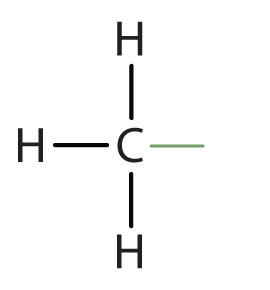
Methyl groups can be involved in reactions that translocate the entire functional group to another compound, in a process called “methylation.” This enzyme-mediated reaction is crucial to processes such as gene expression and more.
Methylation: A chemical reaction in the body in which a small molecule called a methyl group gets added to DNA, proteins, or other molecules
500
Explain the elongation process in translation.

500
What are the possible situations where Mendel's applications not apply?
When alleles are not completely dominant or recessive
When a gene has more than two alleles
When a gene produces multiple phenotypes
500
Describe what is happening in this image and what does it represent.
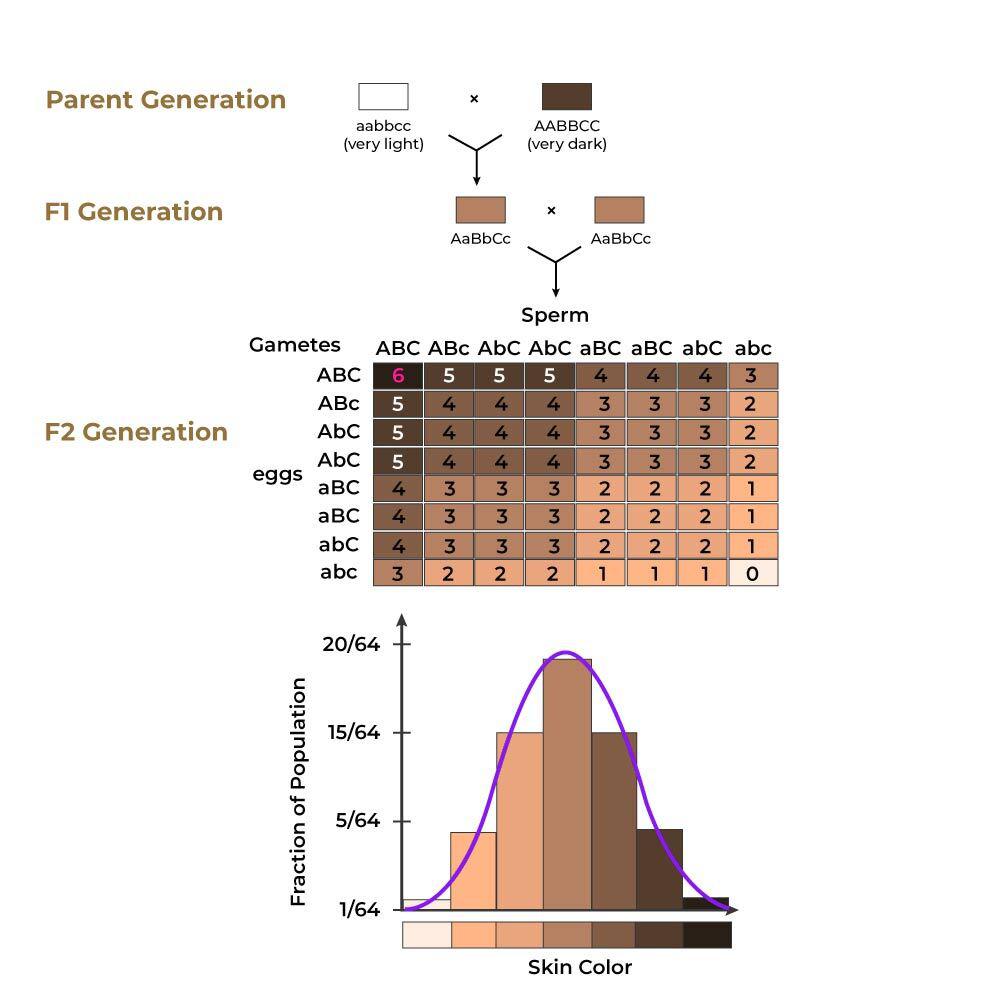
Polygenic inheritance refers to the inheritance of a trait governed by more than one gene.
500
Name all the RNA in translation and explain their functions.
Transfer RNA (tRNA) is a small RNA molecule that acts as a link between messenger RNA (mRNA) and amino acids during protein synthesis.
Messenger RNA (mRNA) is a single-stranded molecule of ribonucleic acid (RNA) that carries the genetic information for a gene
Ribosomal ribonucleic acid (rRNA) is a non-coding RNA that is a key part of ribosomes, which are the cell's protein builders.