Integumentary & Immune
Circulatory & Respiratory
Excretory
Endocrine & Nervous
Muscular & Skeletal
Digestive
100
What is the function of the integumentary system?
protection, regulate temperature, and control water loss
100
What is the function of the circulatory system?
transport blood that carries oxygen and waste
100
What is the function of the excretory system?
remove wastes produced by activities of cells
100
What is the function of the endocrine system?
release hormones into the body for growth and development
100
What is the function of the muscular system?
allows for movement of the body
100
What is the function of the digestive system?
break down food and absorb nutrients
200
What is the function of the immune system?
protect against diseases and pathogens
200
The human immune system is responsible for finding and neutralizing foreign substances in the body. Which system is most responsible for ensuring that the immune system can swiftly reach any foreign substances in the body?
Circulatory System
(blood moves nutrients around the body)
200
You are suffering from renal failure due to a toxin-secreting bacterium, Escherichia coli, which you consumed in a cheeseburger containing contaminated undercooked meat. You have to be hospitalized and undergo dialysis to remove urea and other wastes from your bloodstream. Further treatments allow your organs to heal and gradually resume their normal function. What is the main organ that was affected by the bacteria?
Kidneys
(this is where the toxins were filtered out)
200
When blood sugar levels are high, which organ converts sugar to glycogen?
Liver
200
What are the functions of the skeletal system?
structure and support, protect internal organs, store minerals, provide scaffolding for muscles, produce red and white blood cells
200
What organ helps move food from the mouth to the stomach?
Esophagus
(make sure you can label it on a diagram)
300
What is one function shared by the immune and integumentary system?
Protection
(against pathogens)
300
Which two systems help deliver oxygen to cells in the human body?
Circulatory and Respiratory Systems
300
What is correct pathway for urine to EXIT the human body? Place the organs below in the correct order:
Bladder
Kidney
Urethra
Ureter
Kidney --> Ureter --> Bladder --> Urethra
300
The pancreas is part of the endocrine system and is responsible for what?
The release of hormones
(such as insulin and glycogen)
300
Which system relies on the digestive tract to stimulate the contraction of the muscles that help to mechanically digest food?
Nervous System
(it tells the muscles to involuntarily contract)
300
Which organ in the digestive has produces bile, a chemical necessary for digestion?
Stomach
(bile = stomach acid)
400
Which body systems work together to help someone who already has an infection.
Circulatory and Immune Systems
400
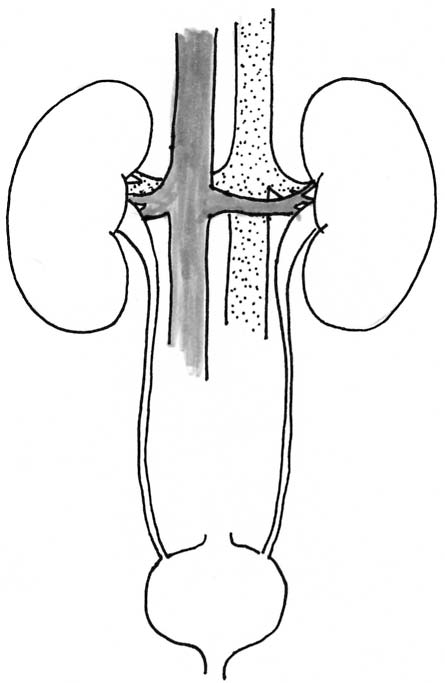
This system performs a cleansing function. Which interrelated system does it assist?
Circulatory System
(kidneys filter toxins and nutrients from the bloodstream)
400
The lungs and skin both perform functions that are vital in maintaining homeostasis. The lungs rid the body of carbon dioxide waste and the skin eliminates excess water, salts, and heat. Based on this, in which body system would both skin and lungs be included?
Excretory
(carbon dioxide is waste excreted)
400
Which hormone keeps blood glucose levels from dropping too low? Which hormone keeps it from rising too high?
Glucogan, Insulin
400
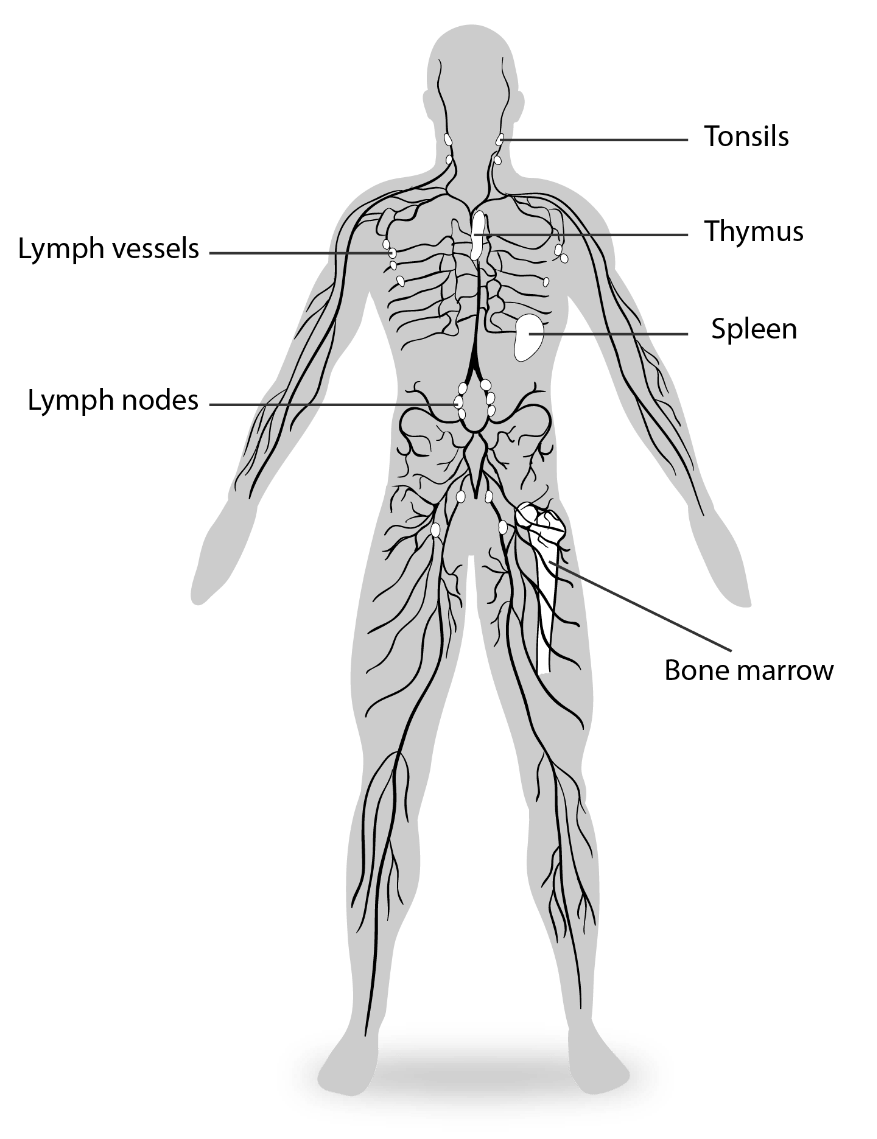
Which interrelated system does this one rely on to produce red blood cells?
Skeletal
(red blood cells are produced in bone marrow)
400
Which part of the digestive system is responsible for the absorption of most nutrients from food?
Small Intestine
(make sure you can label it on a diagram)
500
Which of these organisms has one body opening (so that nutrients get to cells by diffusion)?
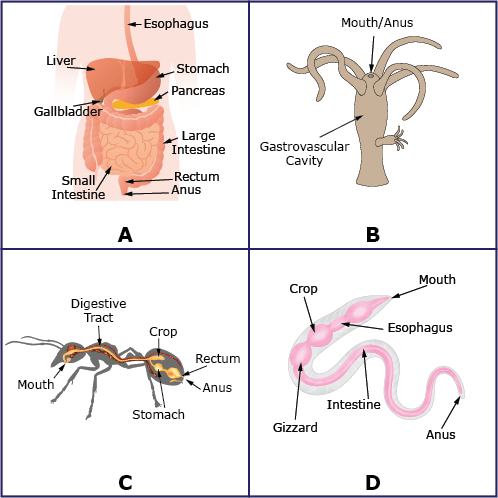
KEEP IN MIND: "opening" does not necessarily mean "exit"
Organism B
(it only has one opening which serves as both the entry point and exit for all food/nutrients/waste)