Respiratory System
Digestive system
Circulatory System
Bonus
100
What are the two entry points for air in the Respiratory system?
Nose and Mouth
Nasial Cavity and Oral Cavity
100
Where does digestion begin?
In the mouth
100
How many chambers in the human heart?
4
100
What are the two types of digestion that happen in the mouth?
Mechanical (chewing) and chemical (amylase in saliva)
200
What "tube" does the air travel down to make it to the lungs?
Trachea
200
What organ PRODUCES bile to aid in breaking down carbohydrates?
The Liver
200
Which type of blood vessels move blood away from the heart?
Arteries
A = Away
200
What are the tiny sacs inside the lung called?
Alveoli
300
What do we call the two branches that split off of the trachea and go to the lungs?
Bronchi
300
What are the three parts of the Colon?
Ascending, Transverse, Descending
300
What are the blood vessels that transfer the oxygen and nutrients to every cell in the body?
Capillaries
300
Where does the exchange of Oxygen and Carbon Dioxide take place in the respiratory system?
Between the Alveoli and Capillaries
400
What is the major muscle that powers the breathing process?
The Diaphragm
400
What is the first section of the large intestine called?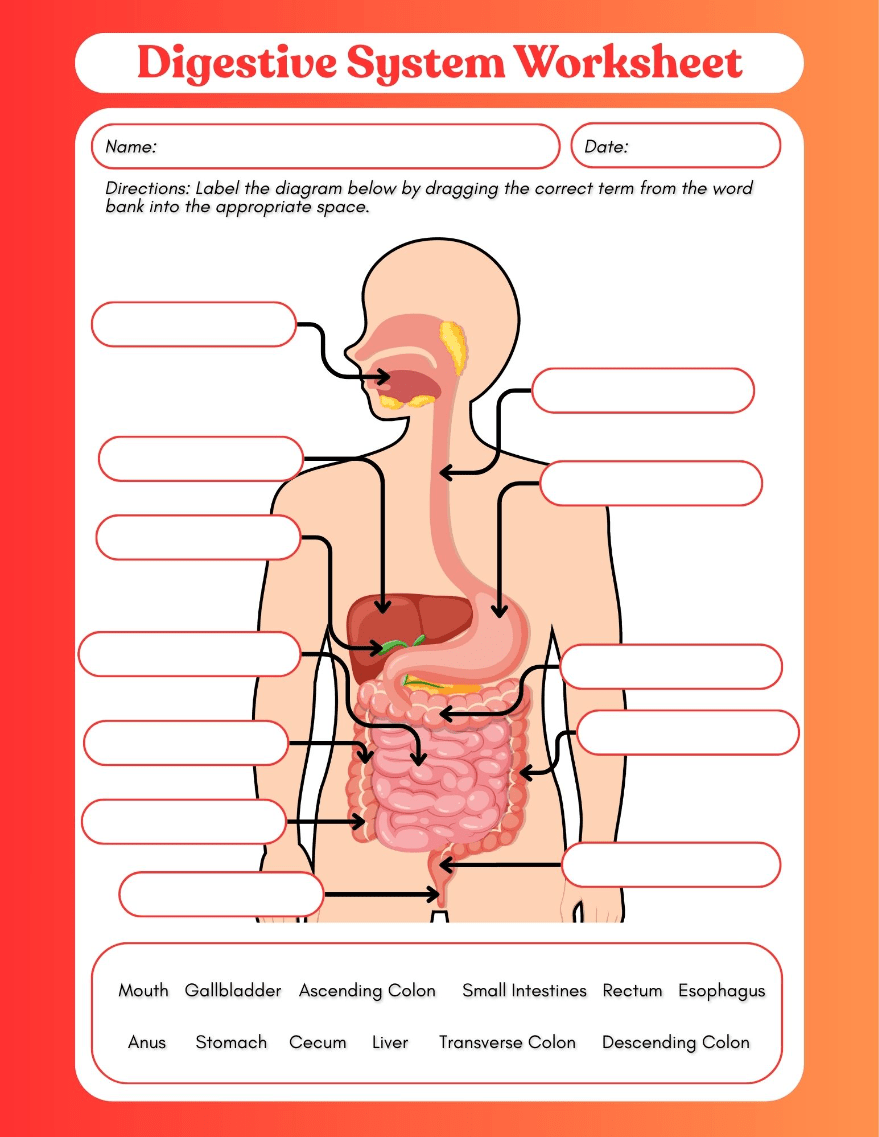
Cecum
400
Draw and label the 4 chambers of the heart.
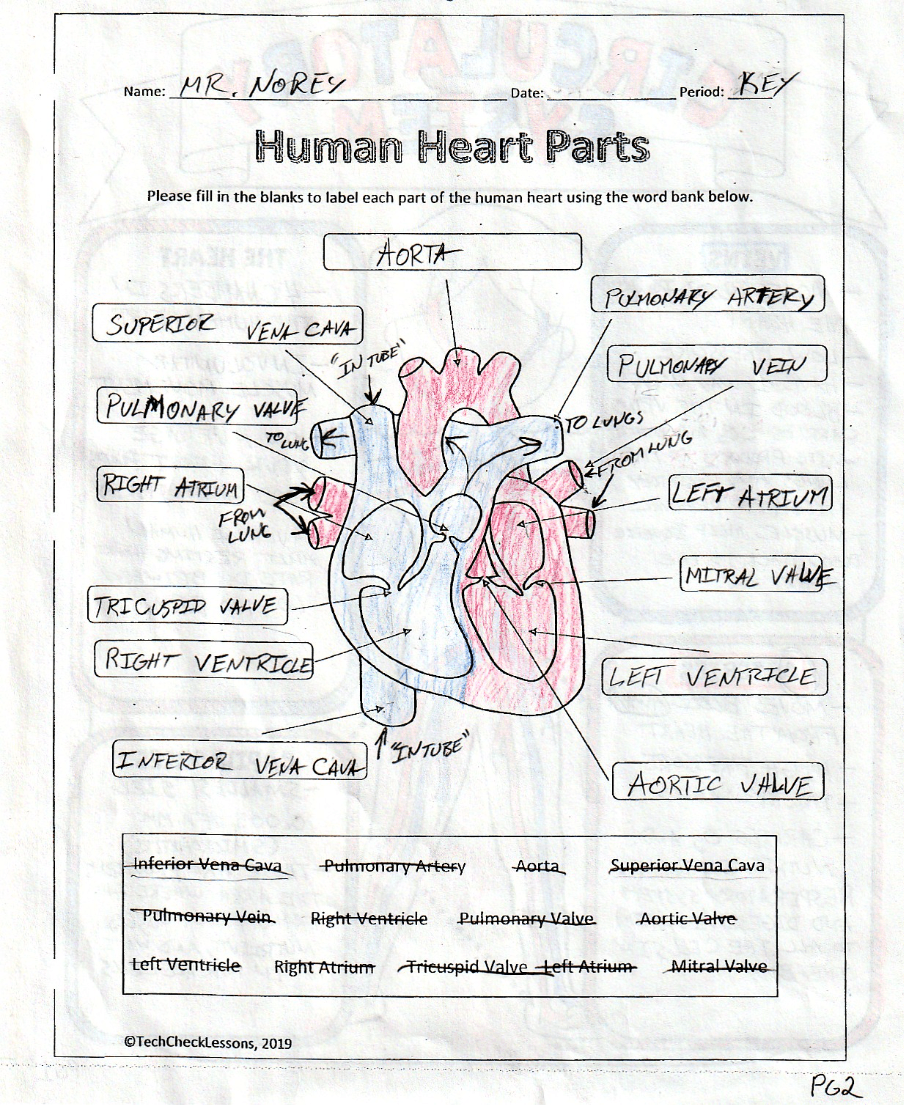
400
What is the name of the small green looking sac on the bottom of the liver called? (the one that stores excess bile)
Gallbladder
500
What acts as a filter keeping dirt and germs out of our respiratory system?
The hair and snot in our nose
500
Draw the large intestine with Cecum, Ascending Colon, Transverse Colon, and Descending Colon labeled
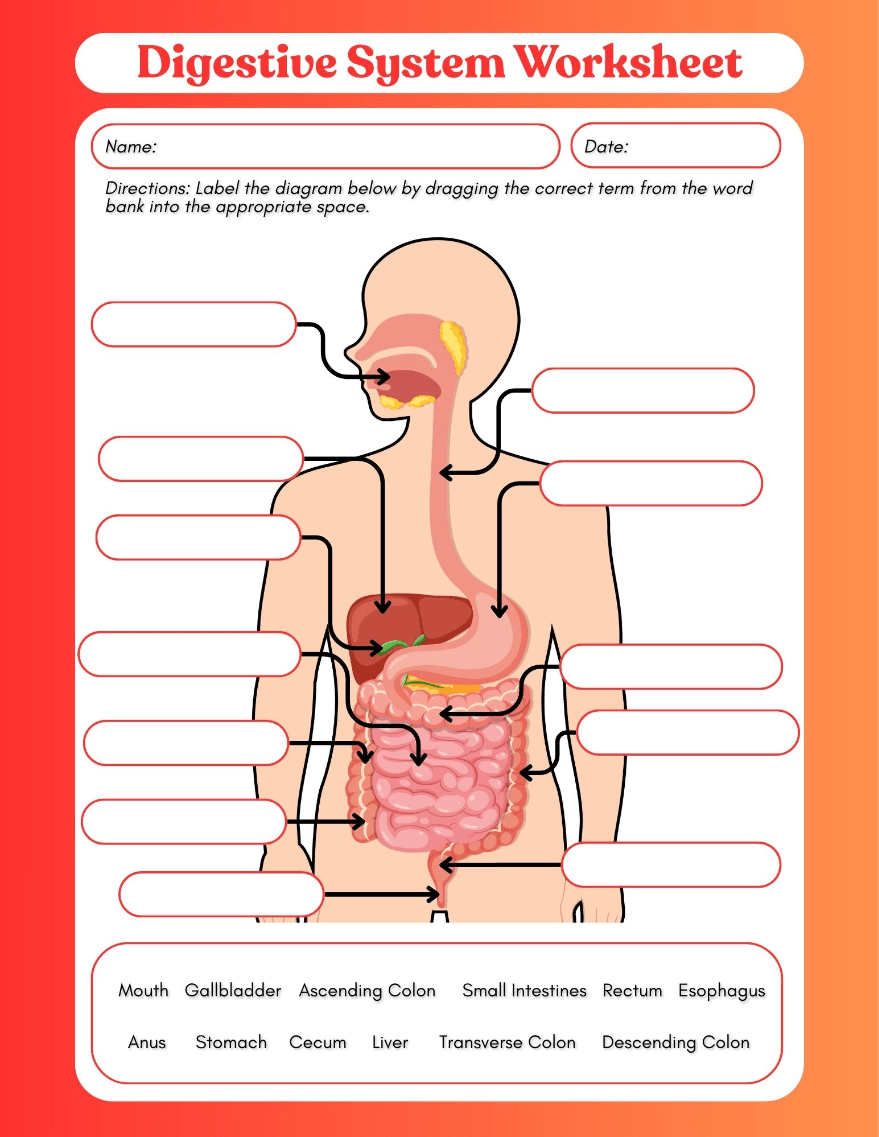
500
What do we call the tube where the blood from the body enter the heart, and what do we call the tube that the blood leaves the heart to go to the rest of the body?
Vena Cavas and Aorta
500
What prevents the blood from flowing backwards in the low pressure veins?
Small one-way valves