Nerve Signalling
Parts of the Brain
Misc. Brain
Circulatory Review
Misc. Review + Figgins Lore
100
Also called motor neurons
Efferent Neurons
100
Helps maintain balance and posture, coordinates voluntary movements
Cerebellum
100
Amyloid plaques and Tau entanglement characterize this neurodegenerative disease
Alzheimer's
100
Prevent backwards flow of blood through heart and veins
Valves
100
Number of years that Figgins has taught at EF Pasadena
3 years
200
Also called sensory neurons
Afferent Neurons
200
Does not fully form until you're 25-30
Frontal Lobe
200
CT scan shows a bright white lesion on the brain
Hemorrhagic Stroke
200
Major artery proximal to the femur (thigh)
Femoral Artery
200
One of the organs in the thoracic cavity
Lungs, Heart, Trachea, Esophagus
300
When you step on a nail, your nerve sends an _______ signal to the spinal cord.
Afferent
300
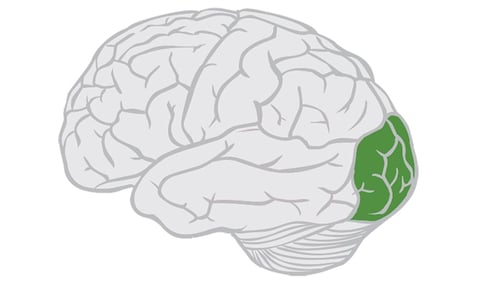
Primary location of visual perception
Occipital Lobe
300
The inward folding of the brain to increase surface area
Sulci / Sulcus
300
"Normal" blood pressure
120 mmHg / 80 mmHg
300
This muscle divides the thoracic and abdominal cavities
Diaphragm
400
A nerve cannot immediately generate an action potential after firing
Refractory Period
400
Helps sensory input from the eyes merge to become one image
Optic Chiasm
400
The outward bulging of the brain to increase surface area
Gyrus
400
A blockage/clog in these blood vessels may cause a heart attack
Coronary Arteries
400
The foreign city where Figgins started teaching
Paris, France
500
Two main ions (elements) involved in nerve signalling
Potassium (K+) and Sodium (Na+)
500
Helps with depth perception and navigating in 3 dimensions; involved in sensory integration and task-management
Parietal Lobe
500
This response causes the sudden release of epinephrine and norepinephrine
Fight-or-Flight Response
500
This class of organisms cannot maintain their own internal body heat due to inefficient mixing of oxygenated and deoxygenated blood in the heart
Ectotherms (Cold-Blooded)
500
One of Figgins' three dogs' names
Bambi, Bean, Dot