Flowcharts & DFDs
Policy & Response
Modern Teams & Tools
Communication & Cloud Storage
100
This flowchart symbol is used to represent a "Yes/No" or "True/False" branch in a process.

Decision (Accept: Selection or Branching).
100
This policy outlines the "do's and don'ts" for employees when using company hardware and internet access (AUP).
Acceptable Use Policy
100
This 24/7 working arrangement allows a team to be productive even when some members are sleeping, due to being in different countries.
Follow-the-Sun working.
100
This "cloud" benefit allows a user to get their files from a smartphone, tablet, or laptop as long as they have an internet connection.
Anywhere Access (Accept: Ubiquity or Accessibility).
200
In a Data Flow Diagram (DFD), this symbol—often a rectangle with an open end—represents where data is kept for later use.
Data Store.
200
This type of policy defines how often passwords must be changed and how complex they must be.
Password Policy (Accept: Access Control Policy).
200
This scheduling tool uses horizontal bars to show the start and finish dates of different phases of a project.
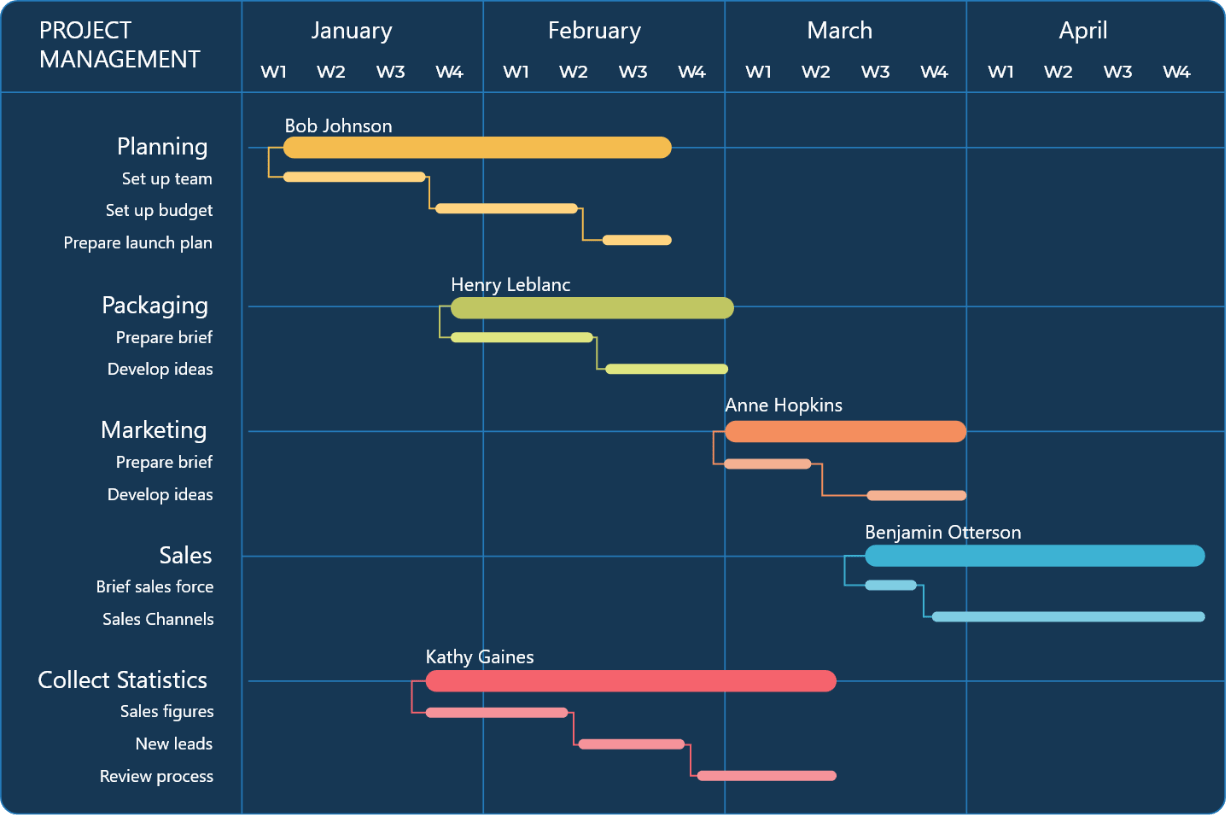
Gantt Chart.
200
This is the primary difference between "Public Cloud" storage and "Private Cloud" storage regarding who owns the infrastructure.
Ownership/Infrastructure (Public is owned by a third party like Google/AWS; Private is owned by the organization).
300
This specific type of DFD shows the entire system as a single process and identifies the external entities that interact with it.
Context Diagram (or Level 0 DFD).
300
In the event of a flood or fire, this specific plan identifies how a business will restore its IT systems and resume operations.
Disaster Recovery Plan.
300
This collaborative feature allows two people to edit the same spreadsheet or document at the same time from different locations.
Simultaneous/Real-time Collaboration.
300
This communication method is "asynchronous," meaning the sender and receiver do not need to be online at the exact same time.
Email (Accept: Forum posts or pre-recorded video).
400
Identify the error in a DFD where data moves directly from one Data Store to another Data Store without passing through this.
Process (Data cannot move from store to store without being processed).
400
This term describes the process of making an extra copy of data and storing it in a separate physical or cloud location.
Off-site Backup (or Cloud Backup).
400
Name one "Modern Team" methodology that involves working in short "sprints" and having daily stand-up meetings.
Agile (Accept: Scrum).
400
This is a major security concern when using public cloud storage, specifically regarding who holds the encryption keys or where the data is physically located.
Data Sovereignty/Jurisdiction (Laws of the country where the server is located).
500
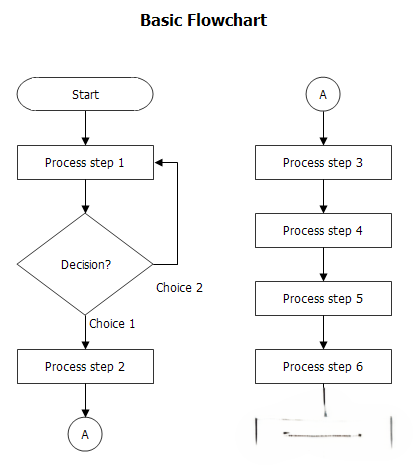
Identify the missing symbol required to show the process has reached its logical conclusion.
Terminator (specifically the "End" or "Stop" symbol).
500
This is the specific term for a "mock" security attack used by companies to find weaknesses in their own policies and systems.
Penetration Testing
500
This is a potential drawback for a team working across different time zones, specifically regarding the speed of resolving urgent issues.
Latency in Communication (Accept: Delayed feedback loops/Time zone lag).
500
Identify the term for when a business only pays for the amount of cloud storage they actually use, allowing them to scale up or down easily.
Scalability (Accept: Pay-as-you-go model).