Buddhism Beliefs
Young Siddhartha
Seeking Enlightenment
Miscellaneous
100
What does "Buddha" mean?
a. "Lifted One"
b. "Awakened One"
c. "Shining One"
d. "Sleeping One"
Awakened One
100
What did Siddhartha's father most want his son to become?
a. a powerful ruler
b. a great religious leader
c. a strong warrior
d. a husband and father
a powerful ruler
100
As part of Siddhartha's ascetic lifestyle, he would sometimes deny himself
a. food
b. sleep
c. shelter
d. all of the above
all of the above
100
Siddhartha took a path to enlightenment that was a balance between extreme life styles. This path was also called the
a. "middle way"
b. "high road"
c. "low road"
d. "final path"
middle way
200
The teachings of "right understanding," "right action," and "right concentration" are part of the
a. Four Noble Truths
b. ascetic lifestyle
c. Hindu religion
d. Eightfold Path
Eightfold Path
200
Where was Prince Siddhartha born?
a. Pakistan
b. Nepal
c. China
d. Egypt
Nepal
200
What did Siddhartha do to try to achieve enlightenment?
a. meditate
b. write books
c. analyze his dreams
d. study in a Buddhist monastery
meditate
200
Which of the following is a basic Buddhist belief?
a. teaching simple principles
b. embracing people from any level of society
c. reaching enlightenment
d. all of the above
all of the above
300
The basic principles of Buddhism, such as "suffering is present in all things," is called
a. the Eightfold Path
b. the Four Noble Truths
c. nirvana
d. enlightenment
the Four Noble Truths
300
What two possible futures did the Hindu priests predict for Prince Siddhartha?
A. a powerful warrior or brilliant poet
B. a poor man or religious follower
C. a religious king or truthful leader
D. a great ruler or enlightened being
a great ruler or enlightened being
300
Siddhartha meditated about the way to reach true happiness and peace, also called
a. alms
b. nirvana
c. the Four Noble Truths
d. Buddhism
nirvana
300
Siddhartha wanted to become enlightened, meaning he wanted to
a. find truth and freedom from suffering
b. learn about Buddhism and pass a test for enlightenment
c. understand how people from other cultures lived
d. have a strong understanding of all religions
find truth and freedom from suffering
400
What is the idea behind the Four Noble Truths?
a. All things change
b. All things stay the same
c. Happiness can last forever
d. Suffering never ends
All things change
400
Siddhartha was inspired to leave his royal life and search for enlightenment when he saw
a. Happiness
b. Suffering
c. Greed
d. Wealth
suffering
400
Who tried to frighten Siddhartha while he was meditating?
a. his father and mother
b. jealous rivals and warriors
c. his followers and other priests
d. the god Mara and his three daughters
the god Mara and his three daughters
400
How did Buddhism spread from India to other parts of Asia?
A. Through wars led by Buddhist armies
B. Through monks, missionaries, and traders traveling on routes like the Silk Road
C. Through written laws forced on other countries
D. Through European explorers
through monks, missionaries, and traders traveling on routes like the Silk Road
500
Which of the following is the symbol for Buddhism?
a. 
b. 
c. 
d. 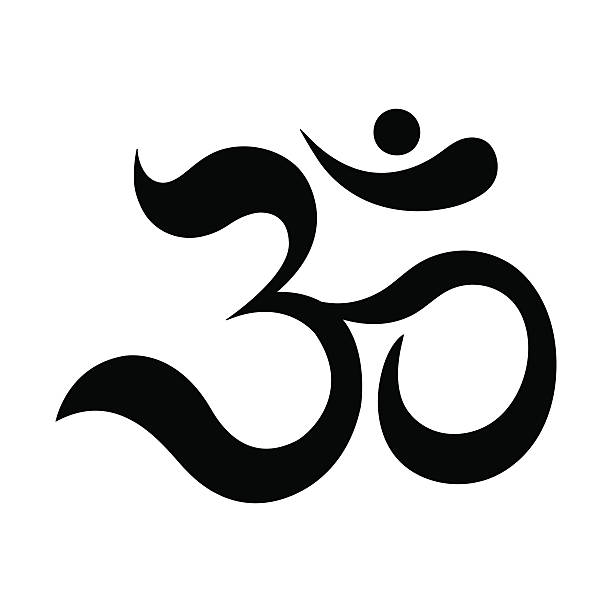
500
The three forms of suffering that Siddhartha encountered were
a. aging, greed, and health
b. sickness, knowledge, and aging
c. aging, sickness, and death
d. death, persecution, and sickness
aging, sickness, and death.
500
A person who gives up worldly pleasures is called an
a. absolute
b. alms giver
c. authority
d. ascetic
ascetic
500
Why was King Ashoka important to the spread of Buddhism?
A. He wrote the first Buddhist texts
B. He defeated other religions in battle
C. He supported and encouraged Buddhism to spread beyond India
D. He traveled the Silk Road as a trader
He supported and encouraged Buddhism to spread beyond India