Families
MRS GREN
Cells
P/C
Random
100
Valence electrons of Boron family.
What is 3?
100
What is the "G" in Mrs. Gren?
What is GROWTH?
100
DOUBLE!
A large and more complex type of cell. Prokaryotic or Eukaryotic cell?
What is a eukaryotic cell?
100
Cutting paper
Physical change
100
A process in which plants make its own food
What are photosynthesis?
200
A group that has complete valence electrons.
What are noble gases, or group 8?
200
What is "S" in Mrs. Gren? Give one example.
What are stimuli, temperature, noise, and many others?
200
Tiny parts inside the chloroplast that catches sunlight.
What is thylakoids?
200
DOUBLE!
Digesting food
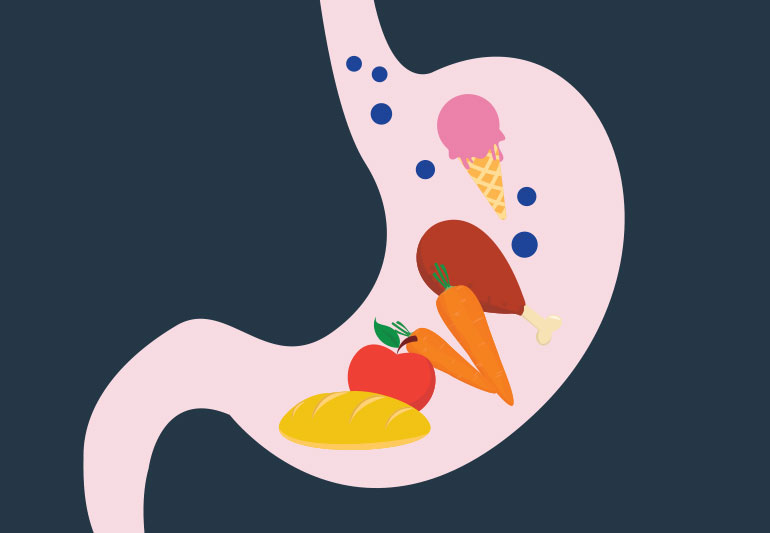
Chemical change
200
Prokaryotic cells uses this organelle for movement, it looks like a tail
What is flagella?
300
DOUBLE!
Give one element that is in the TRANSITION METAL group.
What are Fe, Au, Hg, etc?
300
What are the 2 "Rs" in Mrs Gren
What are respiration and reproduction?
300
Cell organelles that make protein
What are ribosomes?
300
Explain Physical change.
Physical Change
Changes appearance only
No new substance is formed
Example: Ice melting
300
Give 2 parts found in plant cell only
What are cell wall, chloroplast, one vacuole instead of several.
400
Valence electrons of Cl
What is 7?
400
DOUBLE!
The "N" in Mrs. Gren. Explain how it is in plants, in humans, and in animals.
Nutrition - Plants make their own food. Humans and animals eat plants or other organims.
400
Bacteria do not have nucleus, they have loops of DNA found in which part of the cell.
What is cytoplasm?
400
Explain chemical change.
Chemical Change
Changes the substance itself
New substance is formed
Example: Wood burning
400
Organisms that cannot make their own food.
What is Heterotroph?
500
Give 2 elements with complete valence electrons.
What are He, Ne, Ar, Kr?
500
Seven characteristics of living things
MRS GREN - Movement, respiration, sensitivity, growth, reproduction, excretion, nutrition
500
Compare and contrast: Plant cell and animal cell
Animal Cells: Contains various cell organelles
Plant cell: Presence of cell wall, chloroplast, central vacuole
Both: Types of eukaryotic cells
500
Compare physical and chemical change
Physical Change
Changes appearance only
No new substance is formed
Example: Ice melting
Chemical Change
Changes the substance itself
New substance is formed
Example: Wood burning
Key Difference:
Physical = reversible, no new substance
Chemical = often irreversible, new substance formed
500
Double!
Chemical formula for photoynthesis
What is 6CO2 + 6H2O = (light energy and Chloroplast) = C6H12O6 + 6O2?