Transformations
Congruency
Angles
Triangles
Wild
100
What are the three types of transformations we have studied?
1. Translation
2. Rotation
3. Reflection
100
What does it mean for shapes to be congruent to each other?
Shapes must be the same shape and the same size. Angles and side lengths must be the same measurement.
100
What angles are less than 90 degrees?
Acute
100
What kind of triangle is this?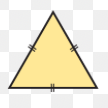
Equilateral
100
What is it called when a triangle has all different side lengths and angles?
Scalene triangle
200
Which pair can take A to B by rotation?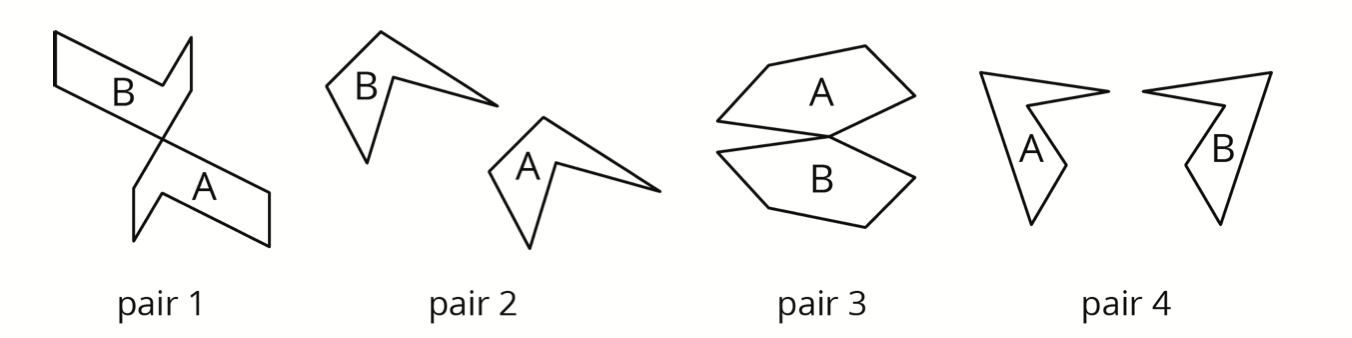
Pair 1
200
The two shapes are congruent. Label the corresponding parts (angles and side lengths)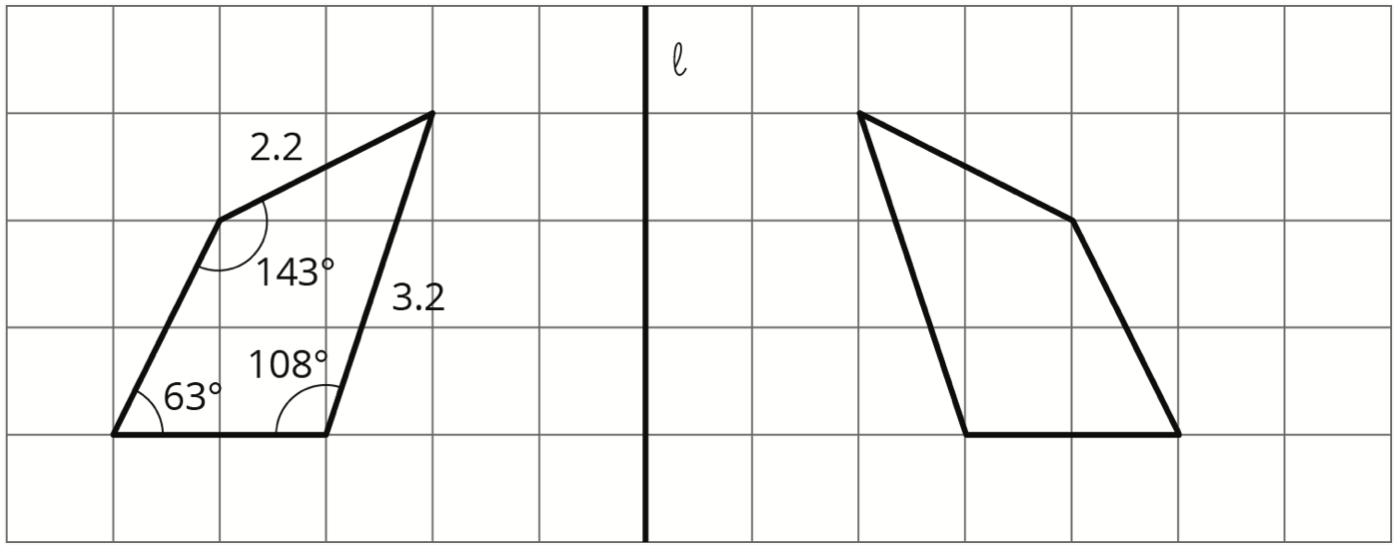
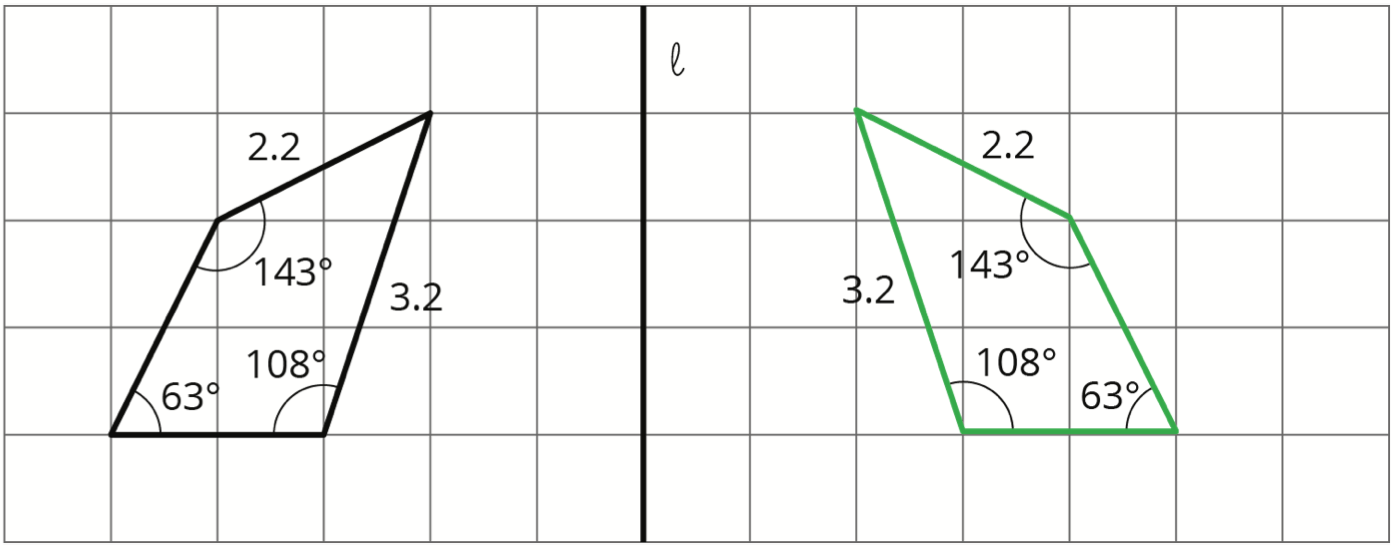
200
How many degrees is p?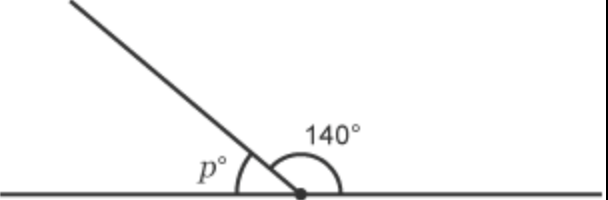
40 degrees
200
What is the sum of the angles of a triangle?
180 degrees
200
What is the angle measure of i?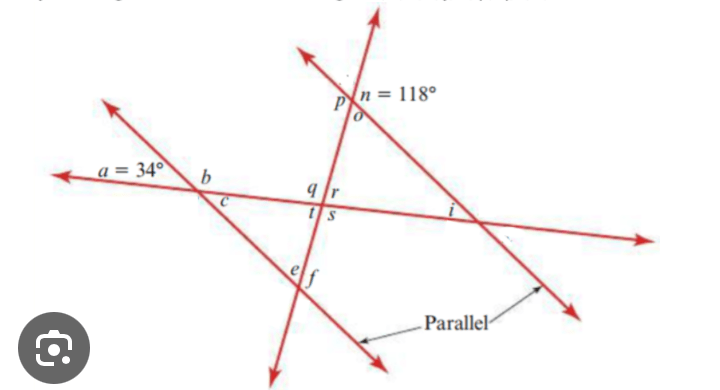
34 degrees
300
What sequence of transformations could take figure P to figure Q (using precise language)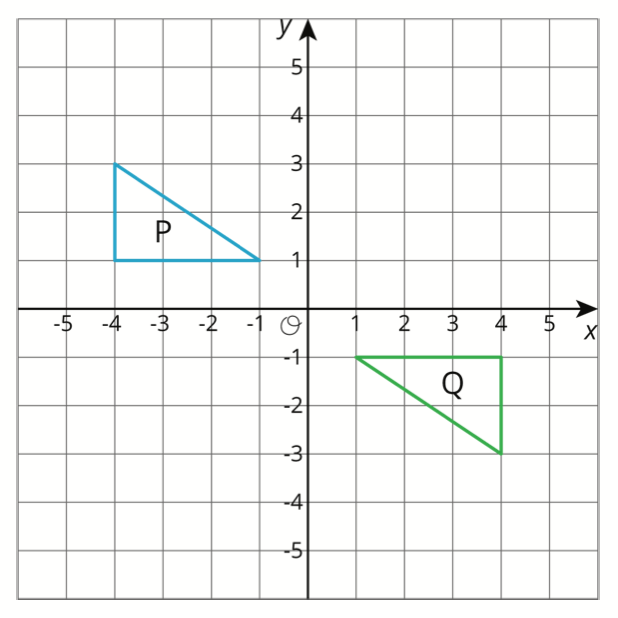
1. Reflect P across y-axis; reflect P across x-axis
2. Rotate P clockwise 190 degrees about center (0,0)
3. Translate P three units down; reflect P across Y-axis; rotate P clockwise 180 degrees about center (2.5, -2)
300
Are all rectangles congruent? Why or why not?
No, not all rectangles are congruent. Though they have the same angles they may have different side lengths?
300
How many degrees is w?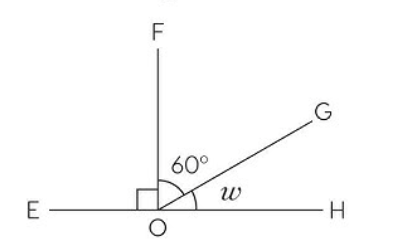
30 degrees
300
What is the angle measurement of x?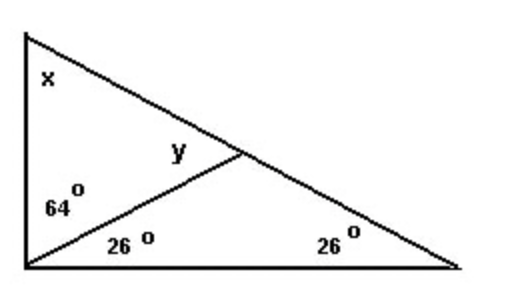
64 degrees
300
What is the angle measure of e?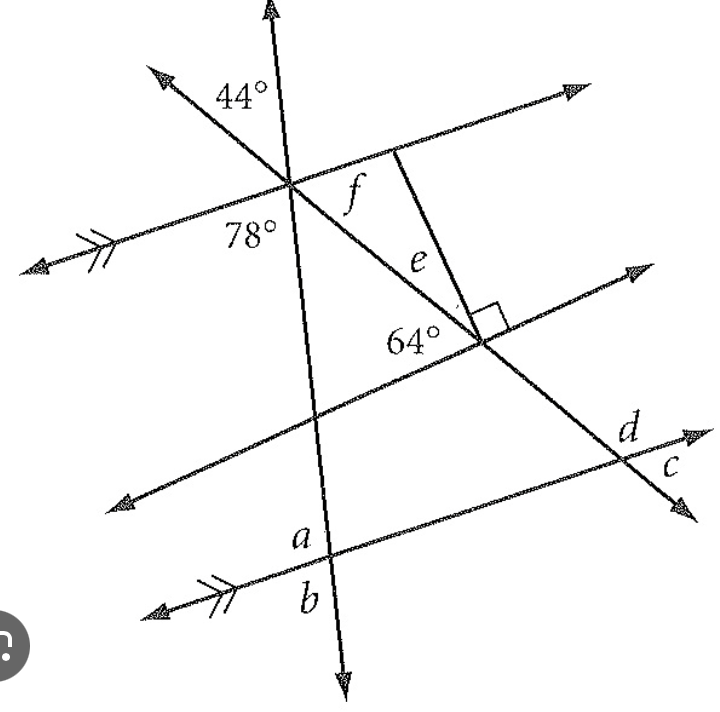
26 degrees
400
Can we perform transformations on figure A to to figure B? If so, what transformations?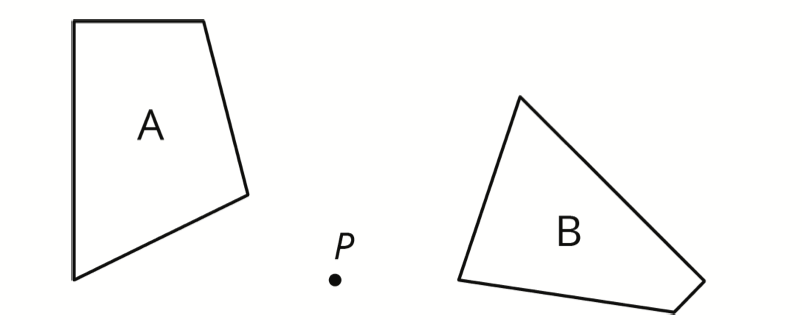
No; these shapes are different.
400
Which angles pairs are congruent?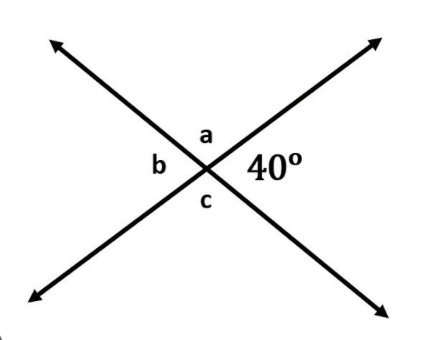
a & c
b & 40
400
How many degrees is 4?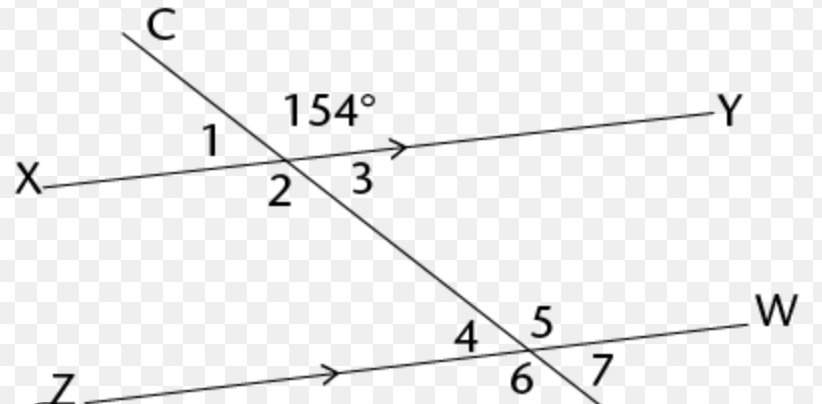
26 degrees
400
What is the degree measurement of x?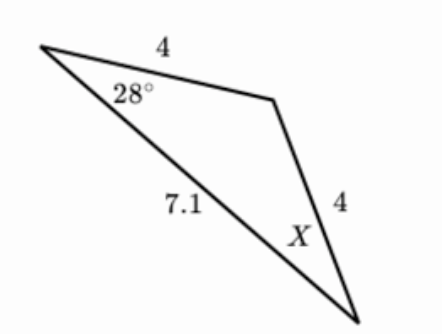
28 degrees
500
If we rotate point A 180 degrees clockwise, where would its image be? (Coordinates)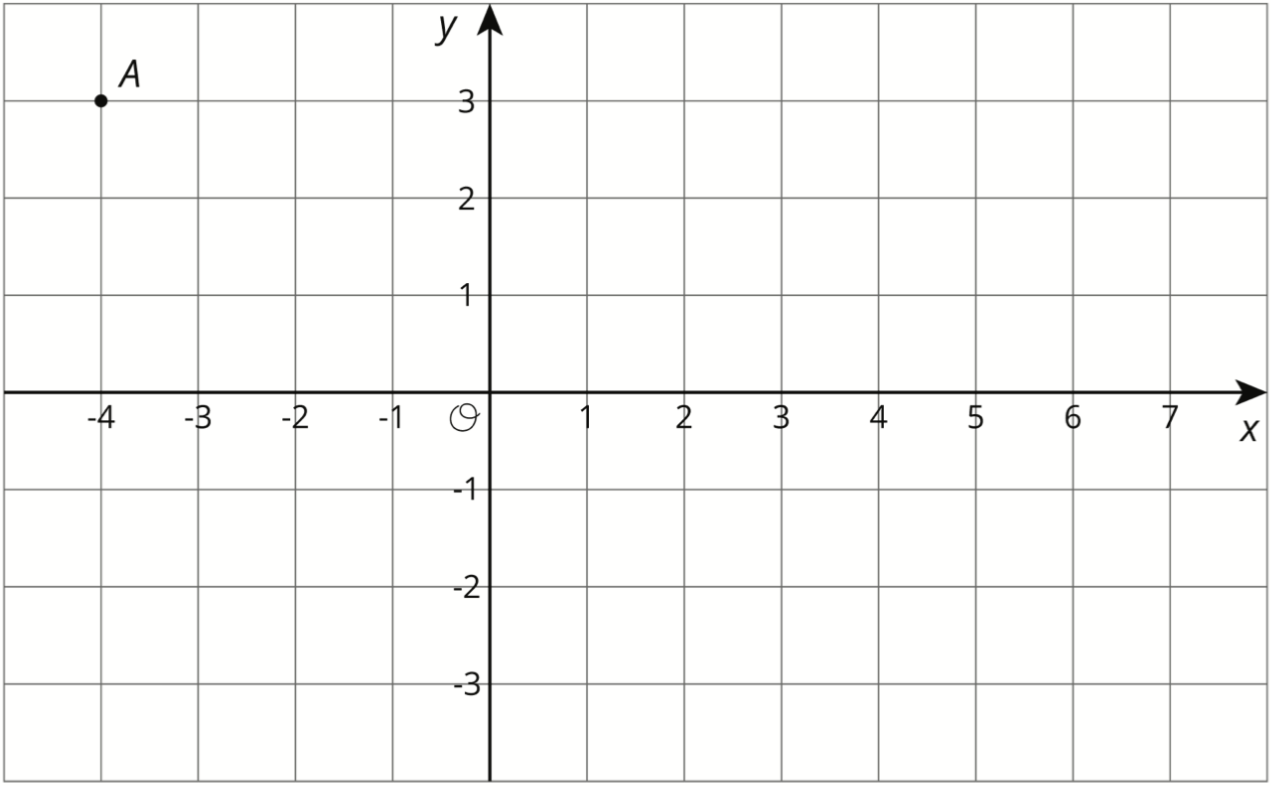
(4, -3)
500
What is the measure of angle D?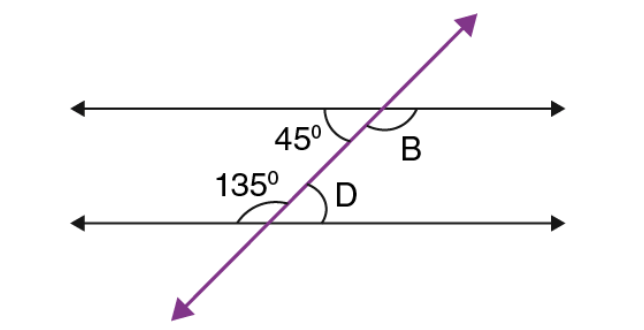
45 degrees
500
How many degrees is z?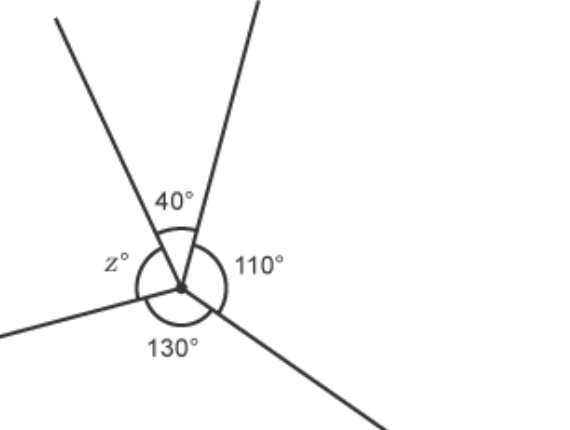
80 degrees
500
What's the angle measurement of angle 3?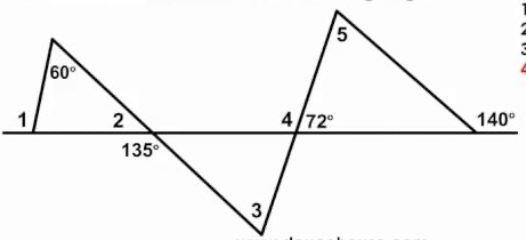
63 degrees