Cardiac anatomy
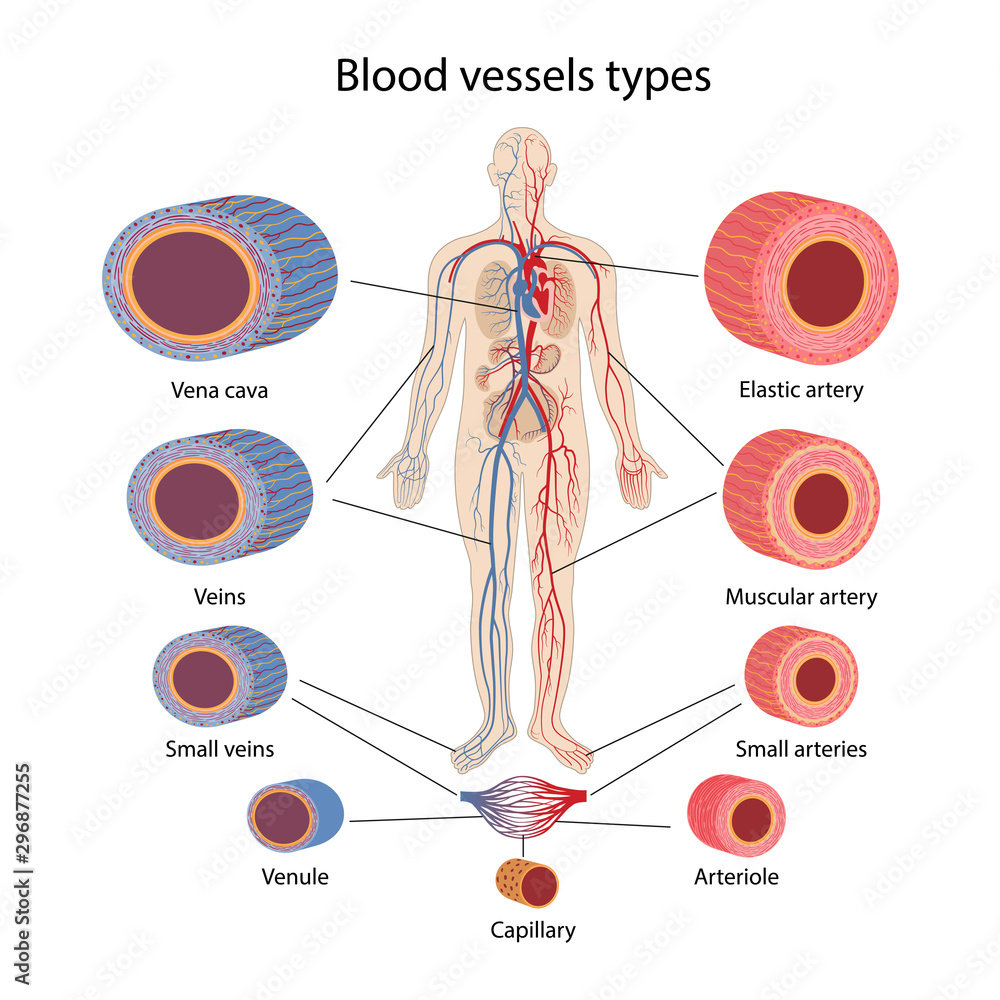
Blood vessel anatomy
Cardiac physiology
Vascular physiology
Cardiac volumes
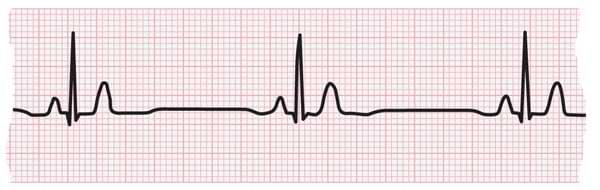
EKGs
100
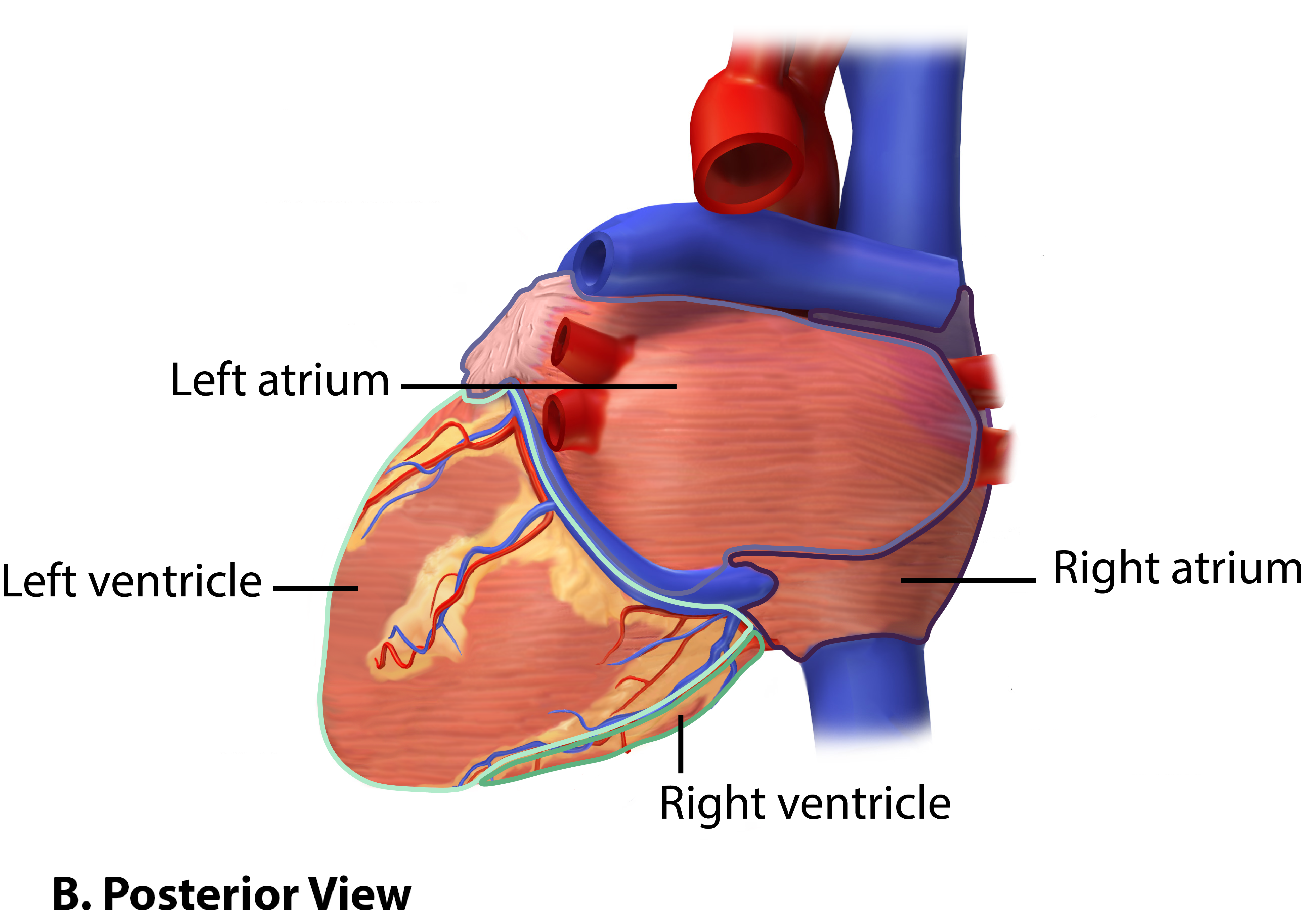
Which chamber of the heart forms the apex?
Left ventricle
100
What is the inner lining of all blood vessels called?
Endothelium

100
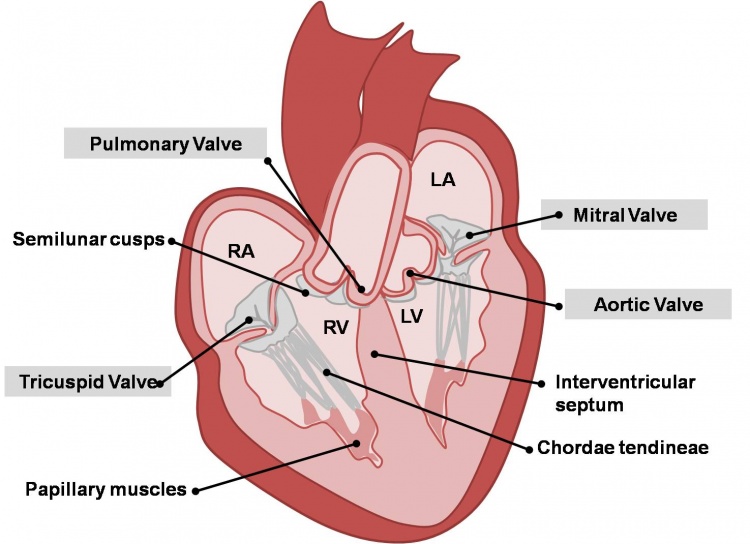
What event creates the first heart sound (S1)?
Closure of the AV valves
100
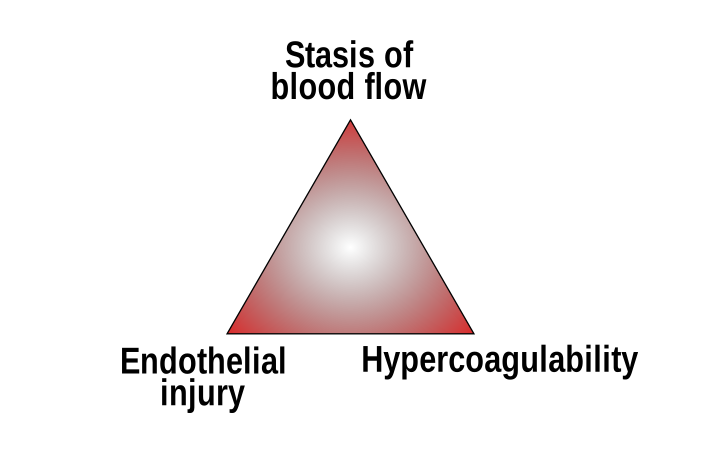
Why is a smooth, intact endothelium important for normal blood flow in vessels?
Because it reduces friction and prevents unwanted clot formation.
100
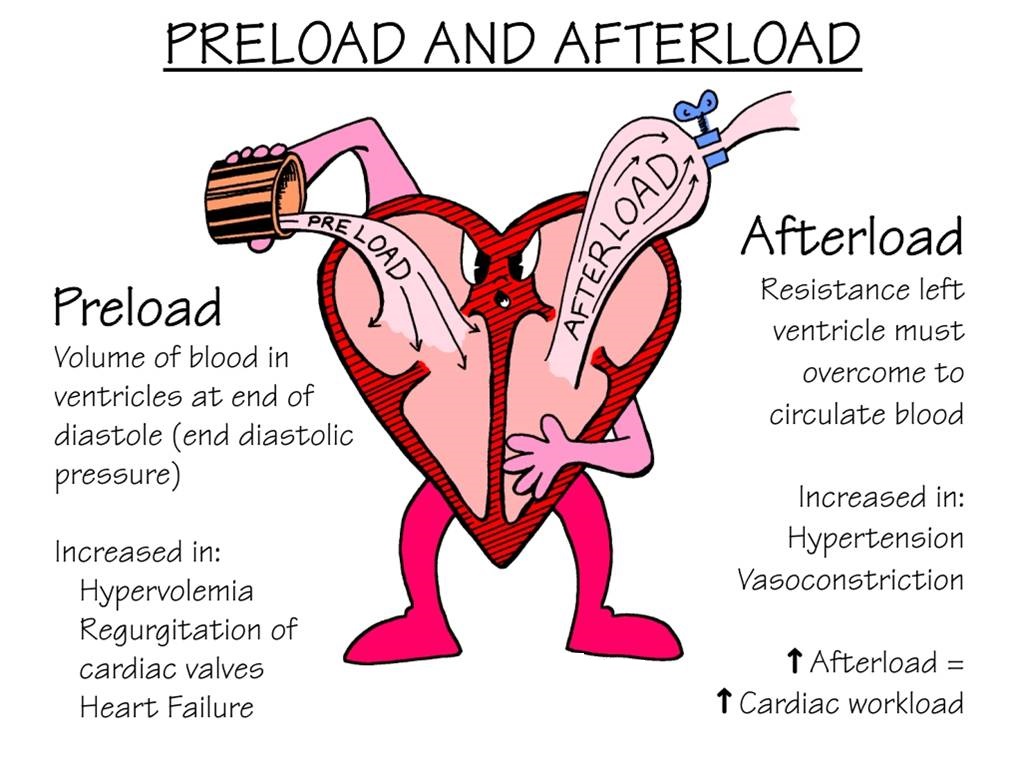
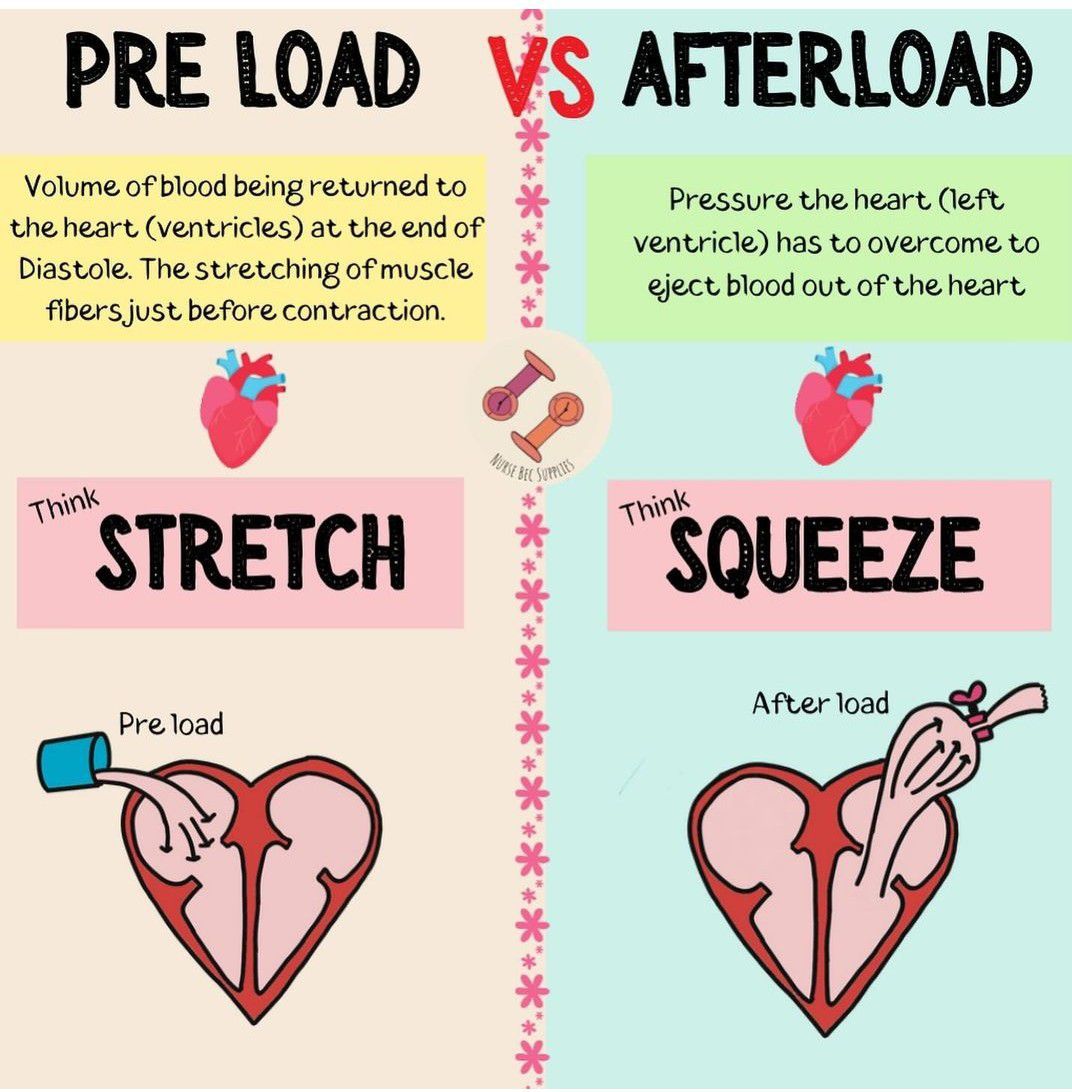
Define preload?
the volume of blood in a heart ventricle at the end of the relaxation phase (diastole) of the cardiac cycle
100
What electrical event does the P wave represent?
Atrial depolarization

200
What structure separates the right and left atria?
Interatrial septum
200
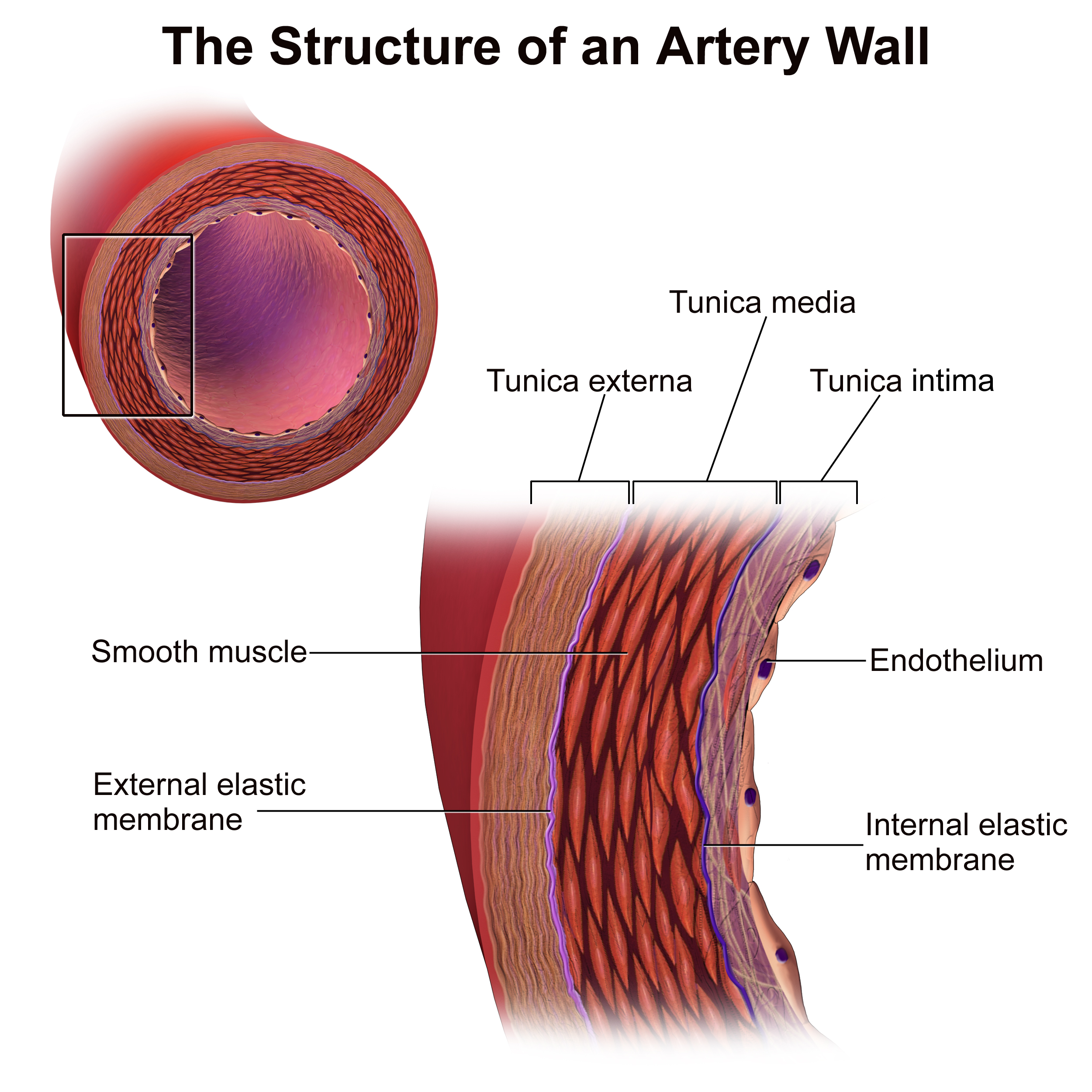
What is the innermost layer of a vessel wall?
Tunica intima
200
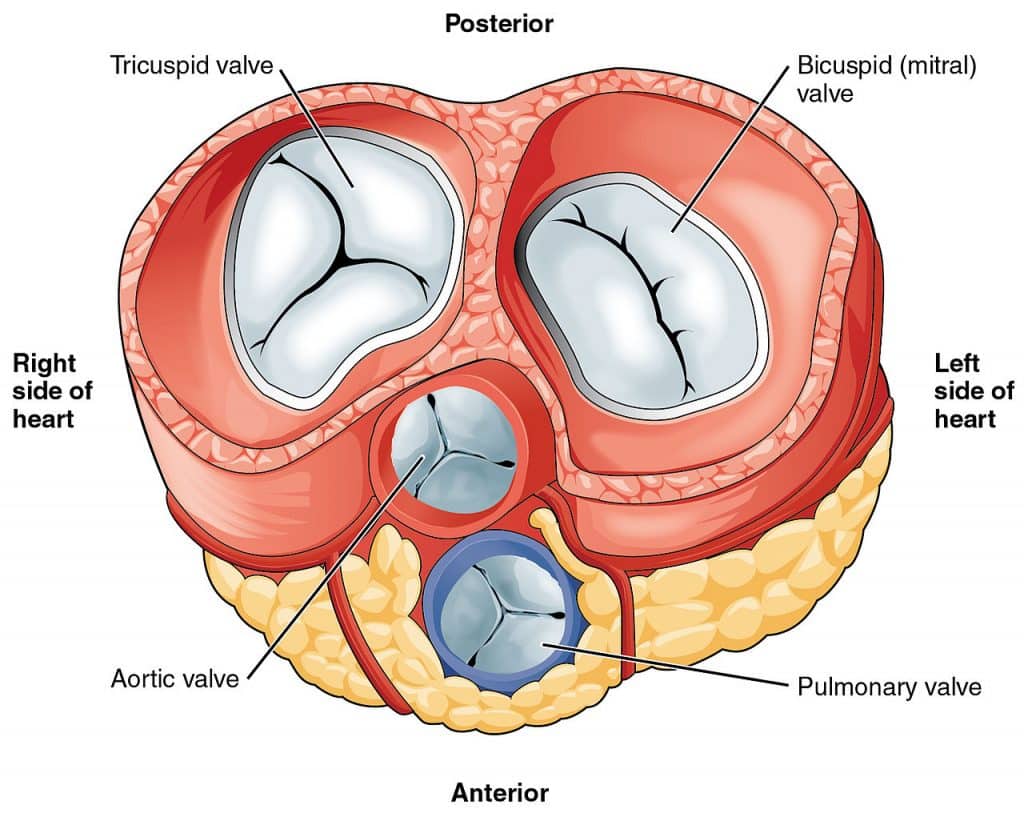
What event creates the second heart sound (S2)?
Closure of the semilunar valves
200
What mechanism helps move blood through veins in the legs when you’re standing or walking?
the skeletal pump

200
What is ejection fraction (EF)?
The percentage of EDV ejected with each beat

200
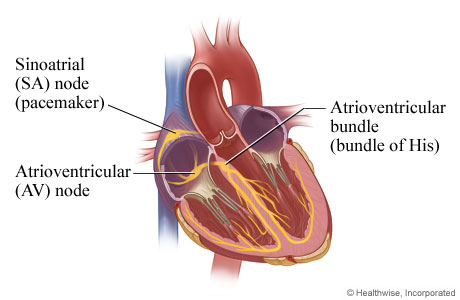
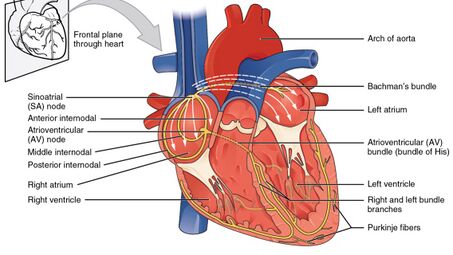
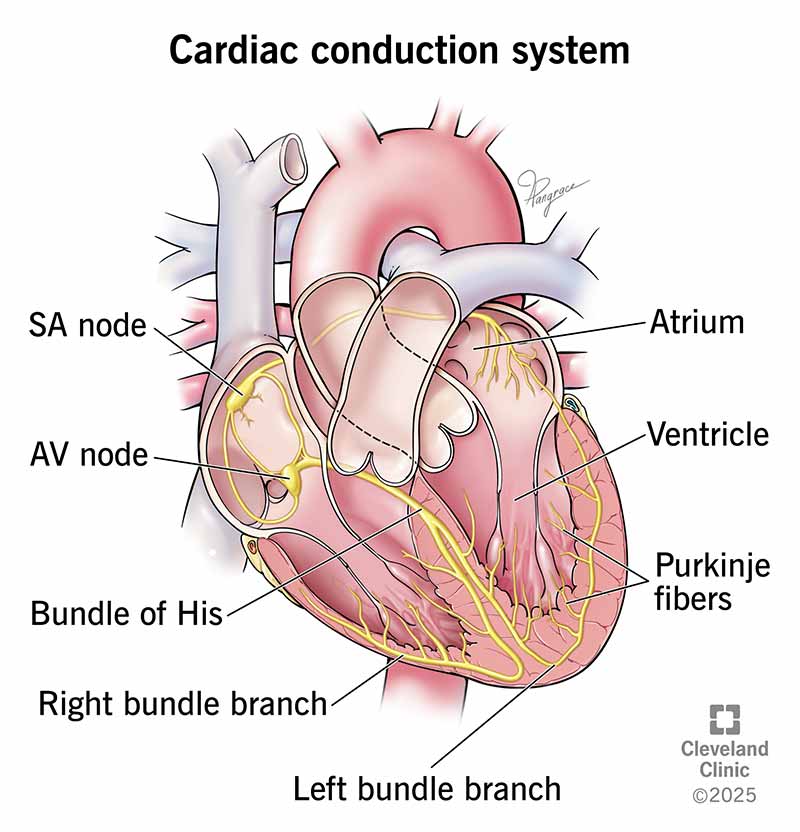
What conduction structure initiates the electrical impulse that starts each heartbeat?
SA node
300
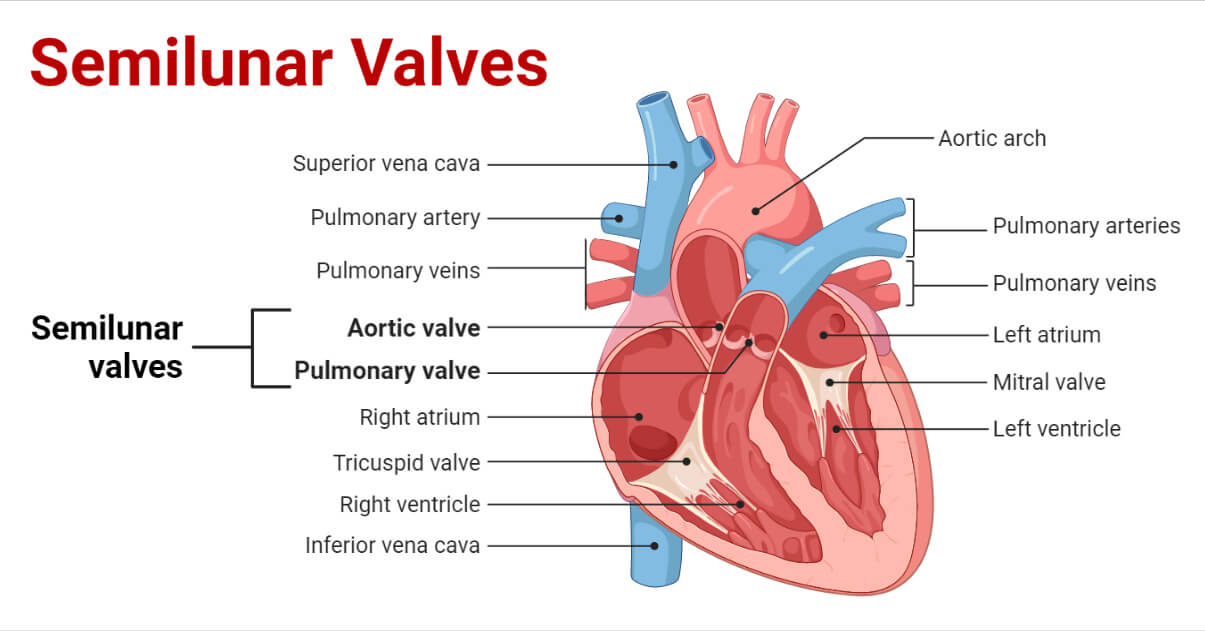
Which valve guards the opening from the right ventricle to the pulmonary trunk?
Pulmonic semilunar valve
300
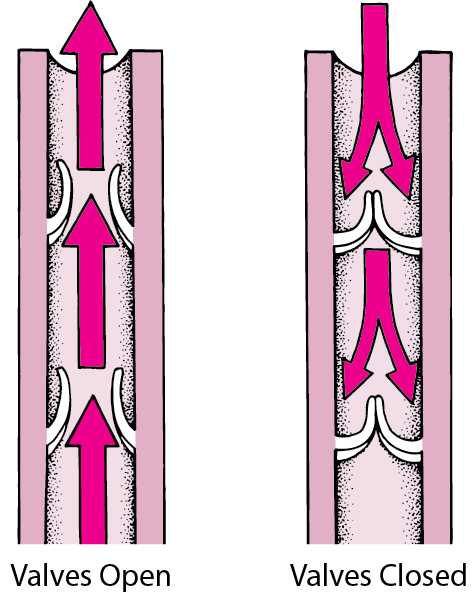
What vessels contain valves to prevent backflow?
Veins
300
During which phase are the ventricles filling with blood?
Diastole

300
What type of artery helps dampen the pulse pressure from the heart?
Elastic arteries

300
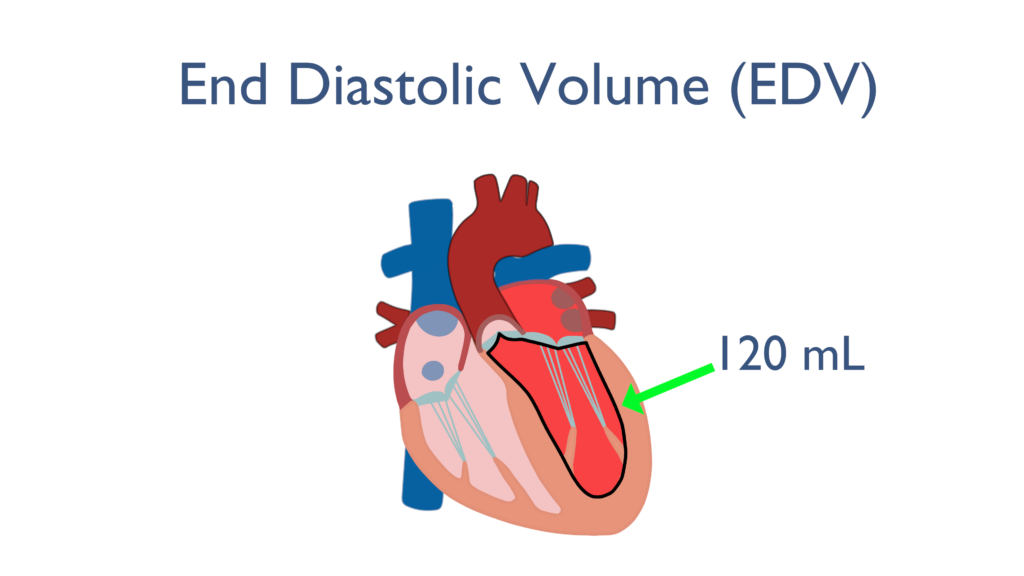
What is end-diastolic volume (EDV)?
The volume of blood in a ventricle at the end of diastole.
300
What electrical event does the QRS complex represent?
Ventricular depolarization

400
Which valve is located between the right atrium and right ventricle?
Tricuspid valve

400
What vessels return oxygenated blood from the lungs to the heart?
Pulmonary veins

400
Which ventricle generates higher pressure?
The left ventricle
400
What is the term for the ease with which a vessel can expand?
Compliance

400
What is afterload?
The pressure the ventricle must overcome to eject blood
400
Which part of the heart produces the slowest intrinsic heart rate if it becomes the pacemaker?
The ventricles
500
What structure separates the right and left ventricles?
Interventricular septum

500
What type of artery has many elastic fibers in its wall?
Elastic arteries
500
What part of the heart normally sets the heart’s pace?
SA node
500
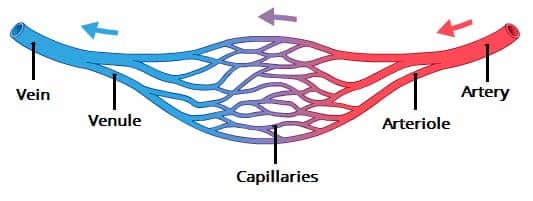
Draw each of the following blood vessels and label one structural feature of each: arteriole, venule, capillary, artery and vein. Also explain why this is true
artery, arteriole, capillary, venule, and vein this system buffers delicate vessels from high pressure
500
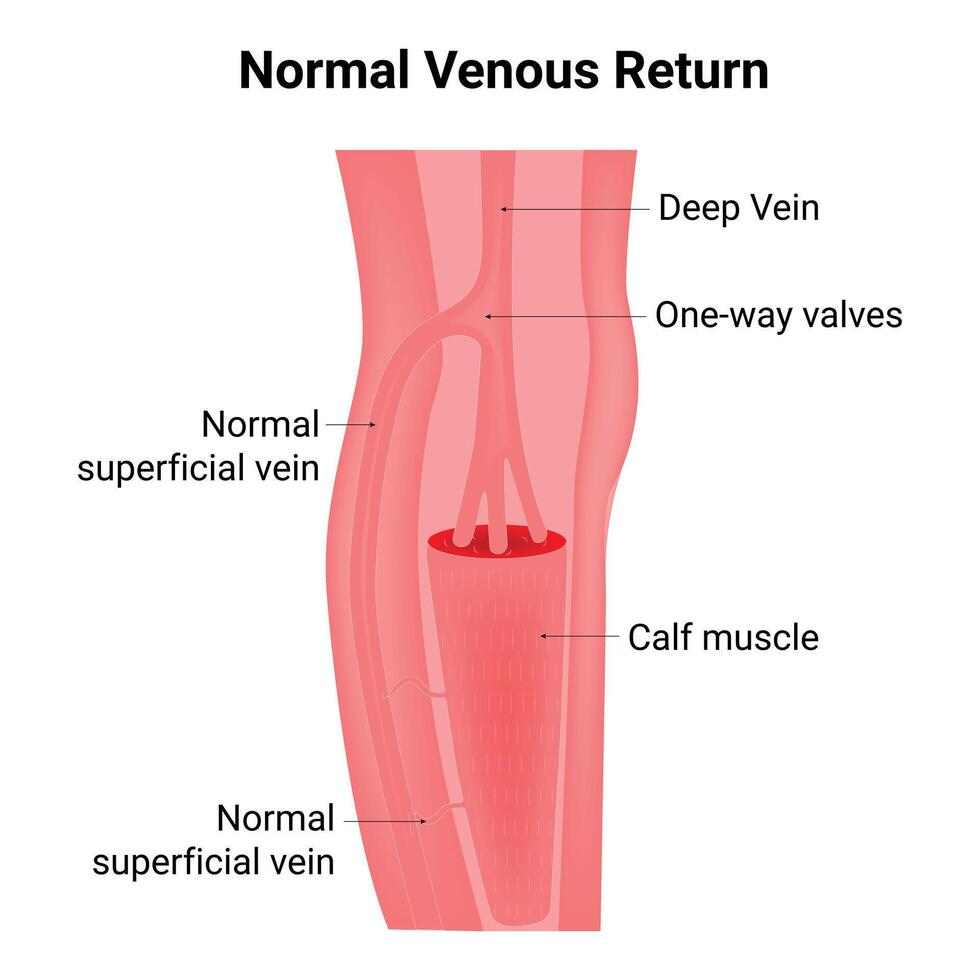
This is the volume of blood that returns to the heart each minute.
What is venous return?
500
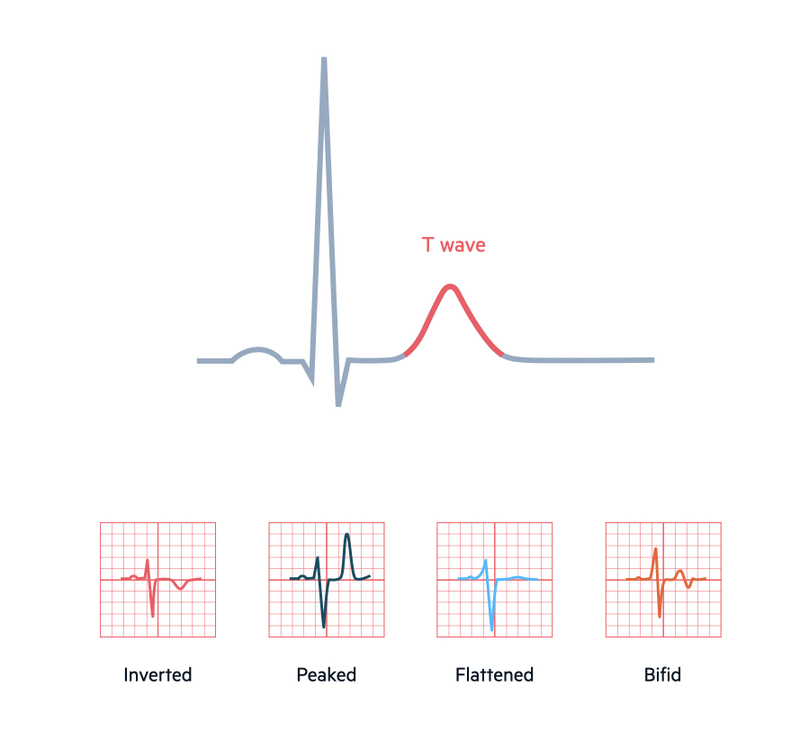
What electrical event does the T wave represent?
Ventricular repolarization
600
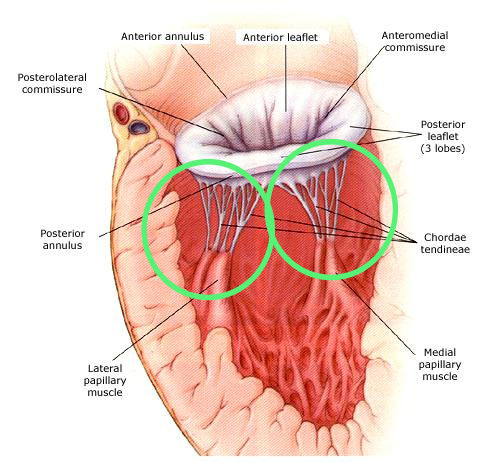
What thin strands attach AV valve leaflets to papillary muscles?
Chordae tendineae
600
What major artery leaves the right ventricle?
Pulmonary trunk (pulmonary artery)

600
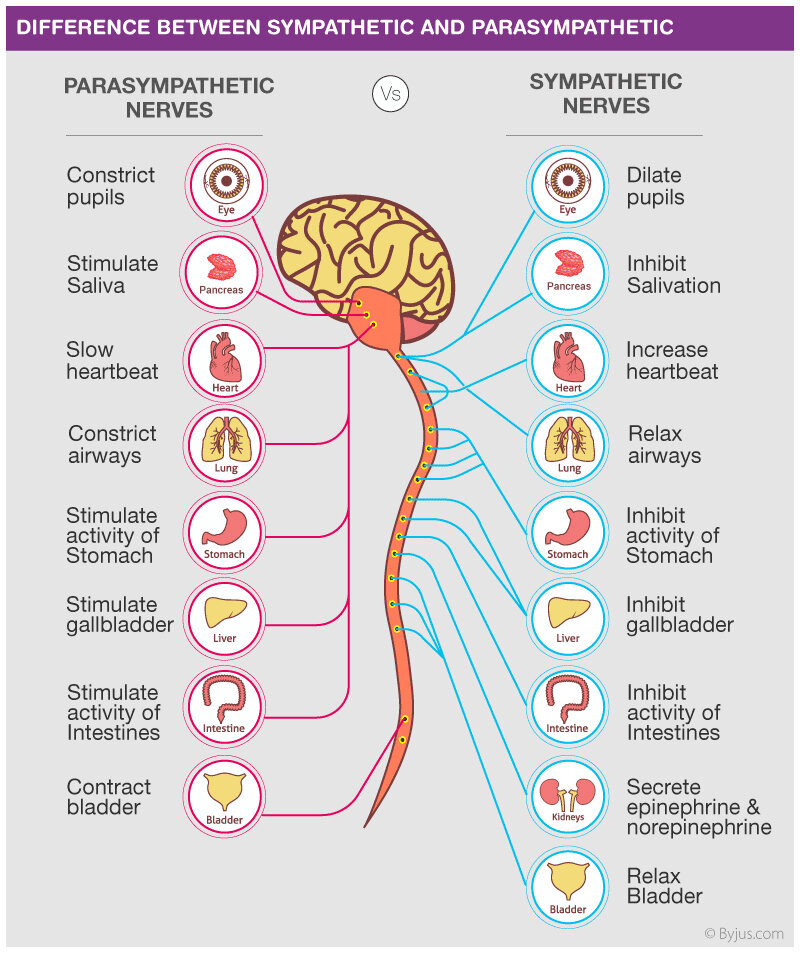
What does increased sympathetic stimulation do to heart rate?
It increases heart rate
600
What force pushes fluid out of capillaries into tissues?
Capillary hydrostatic pressure

600
What is cardiac reserve?
The difference between resting cardiac output and maximal cardiac output

600
What fibers rapidly transmit impulses throughout the ventricles?
Purkinje fibers 
700
“Draw the path of blood as it travels through the heart and lungs.” Your drawing must include:
Superior vena cava, Inferior vena cava, Right atrium,
Tricuspid valve, Right ventricle, Pulmonic valve, Pulmonary arteries, Lungs, Pulmonary veins, Left atrium, Mitral valve, Left ventricle, Aortic valve, Aorta

700
What are the small vessels that supply blood to the walls of large arteries and veins?
Vasa vasorum

700
What ion is most important for cardiac muscle contraction?
Calcium

700
Which vessels hold most of the body’s blood volume at any given time? and why?
Veins and compliance
700
Heart rate × stroke volume gives you which value?
cardiac output

700
“Why does a wave on the EKG move upward (positive) in some leads?”
Because the electrical impulse is traveling toward that lead’s positive electrode.
